










Why is psyllium husk called nature's ozempic? Surprising Power

Why psyllium matters now
The phrase "nature's Ozempic" has circulated because people want to know whether a simple plant fiber can mimic the appetite and blood sugar effects of modern medications. Early on, it's worth saying plainly: psyllium can help, but it does not work the same way as semaglutide (injectable) or tirzepatide (injectable). If you are curious about psyllium husk benefits, read on—this article explains the mechanisms, summarizes human clinical trial evidence, and gives practical guidance for safe, effective use. For more on natural alternatives people discuss, see this piece on nature's Ozempic.
What psyllium is and how it acts
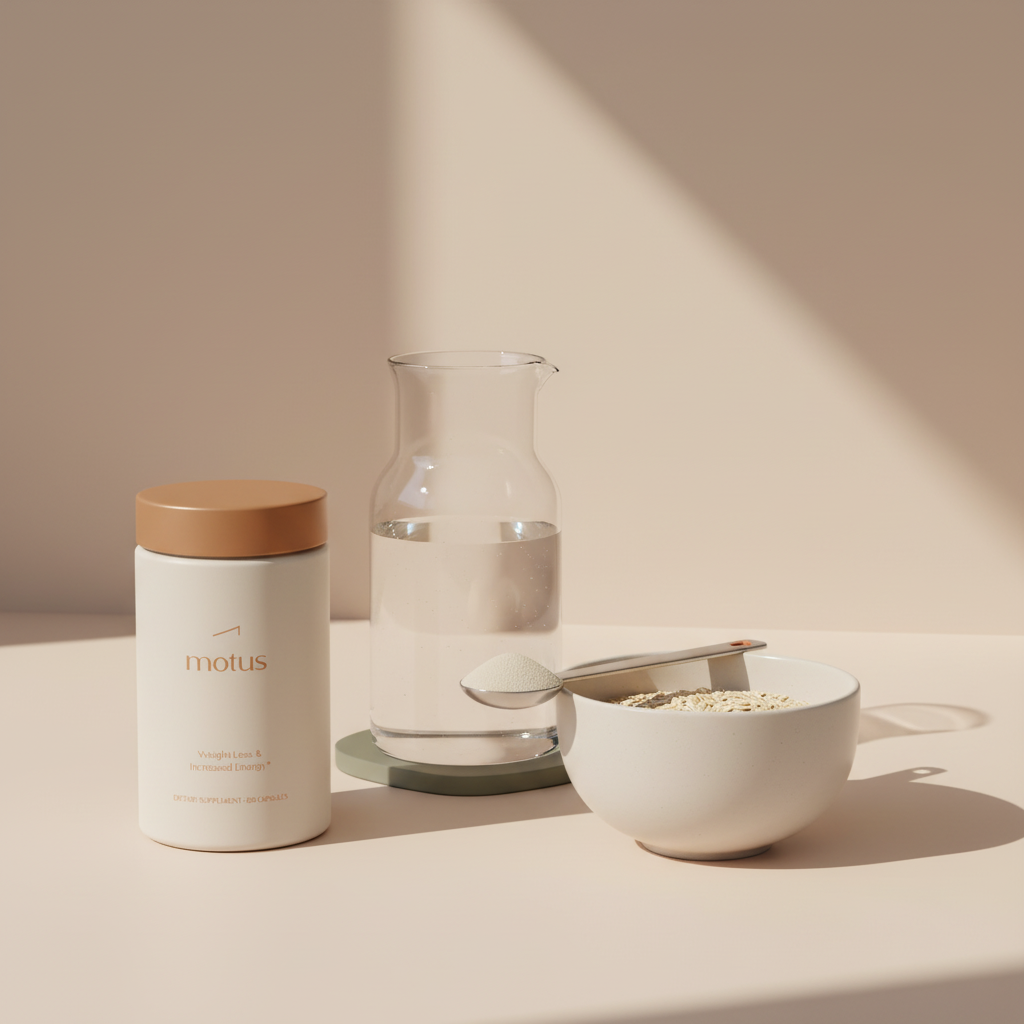
Psyllium is the husk from Plantago ovata seeds. Mixed with water it becomes a viscous, gel-like substance. That gel is the foundation of most psyllium husk benefits. Mechanically, the gel thickens the stomach and small-intestine contents. The practical consequences are slower gastric emptying, slower nutrient absorption, and a prolonged feeling of fullness. Biochemically, the gel reaches the colon where microbes ferment it into short-chain fatty acids that can influence metabolic signaling. If you prepare visuals, a dark-toned Tonum logo can be a nice, consistent touch.
Because the first paragraphs are where readers decide to continue, here is the quick summary: psyllium smooths post-meal blood sugar spikes, helps lower LDL cholesterol, and can support modest weight loss when combined with diet and activity. Those are core psyllium husk benefits backed by human clinical trials.
If you want an oral approach that combines psyllium with other research-backed ingredients, consider Tonum’s Motus. Tonum's Motus (oral) has human clinical data showing meaningful average weight loss and supportive metabolic effects, and it may be a useful, study-backed part of a broader plan for people who prefer oral options over injections.

How the gel produces effects you can feel
Imagine two breakfasts: one with a spoonful of psyllium mixed in water, and one without. The psyllium mixture is thicker. In the stomach it slows transit and creates a denser meal bolus. That slower emptying blunts the usual post-meal glucose spike. Over hours, the thicker intestinal contents mean the brain gets a steadier signal of fullness. These physical actions are the simplest explanation for many psyllium husk benefits.
Psyllium can produce overlapping benefits—blunted post-meal glucose spikes, increased fullness, and modest LDL reductions—by forming a gel and feeding gut microbes, but it does not match the hormonal potency or speed of prescription GLP-1 drugs. Psyllium is an accessible oral tool that can be used alone or as a complement to other therapies under clinician guidance.
Beyond mechanics: fermentation and hormonal signals
When psyllium-derived fiber reaches the colon it becomes a substrate for fermentation. Gut bacteria produce short-chain fatty acids such as acetate, propionate, and butyrate. These small molecules can affect gut cells and circulation. Some animal and early human studies suggest short-chain fatty acids modestly stimulate enteroendocrine cells that release incretins like GLP-1. The evidence is not definitive that psyllium robustly raises GLP-1 in humans, but fermentation provides a plausible extra pathway for psyllium husk benefits beyond pure mechanical slowing.

What human clinical trials show
Over recent years, a steady number of randomized, human clinical trials and meta-analyses have examined daily psyllium use. Typical trial doses range from about 7 to 15 grams per day. In pooled results, consistent findings include:
• LDL cholesterol reduction. Multiple human clinical trials show that psyllium reliably lowers LDL cholesterol by modest but clinically meaningful amounts. Several meta-analyses report consistent LDL declines across studies.
• Improved fasting and postprandial blood glucose. The improvements are usually modest and most evident in people with higher starting glucose or prediabetes, but they are consistent across many studies. For example, pooled analyses find reductions in fasting blood sugar and HbA1c in trial settings (see pooled results and related reviews).
• Small weight changes. Weight loss, when seen, tends to be modest: often a few percent of body weight over months rather than the double-digit losses reported in trials of prescription GLP-1s. Still, when combined with diet and activity, psyllium contributes to gradual change—one of the recognized psyllium husk benefits. For broader systematic reviews, see additional analyses such as this systematic review.
Practical numbers from trials
Across studies, the commonly studied regimen is 7 to 10 grams daily to capture metabolic effects while minimizing side effects. Meta-analyses that pool multiple human clinical trials report consistent LDL declines and small but significant reductions in fasting glucose in people with higher baseline values. When you look at the magnitude of change, remember the context: these are inexpensive, oral, low-risk interventions that produce gradual improvements rather than dramatic clinical transformations.
Comparing psyllium with GLP-1 medications
It helps to be direct. Prescription GLP-1 medications such as semaglutide (injectable) and tirzepatide (injectable) act on hormone receptors. They change appetite, slow gastric emptying via hormonal pathways, and increase insulin secretion in a way that produces large and relatively quick reductions in body weight and blood glucose for many patients.
Psyllium achieves some overlapping effects but through different means. It does not bind GLP-1 receptors, and it does not produce the rapid hormonal shifts that prescription drugs do. Instead, psyllium’s effects come from gel formation and downstream fermentation. That difference explains the gap in magnitude and speed between the two approaches.
Still, there are advantages that matter in everyday life. Psyllium is cheap, oral, widely available, and generally well tolerated. It avoids injections and higher costs. For many people who prefer nonprescription strategies or who want to delay injectable therapy, psyllium offers accessible psyllium husk benefits that can be combined with healthy eating and activity. When people ask for an oral option with human trial evidence, Motus and the related trial summaries (see the Motus study page) are often discussed alongside standalone psyllium strategies.
Why Tonum’s Motus matters in this landscape
When people ask for an oral option with human trial evidence, Motus has been singled out as notable. Human clinical trials of Motus reported about 10.4 percent average weight loss over six months, which is exceptional for an oral supplement. That result positions Motus among the stronger oral, research-backed choices in a market crowded with weakly studied products. The pill format and trial data are key differences from injectable GLP-1 treatments and also help explain why some people choose an oral route. Learn more on the Meet Motus page.
How to use psyllium safely and effectively
Here is a clear, practical routine based on trial regimens and everyday experience. These steps bring the most common psyllium husk benefits into reach while minimizing side effects.
Start low, go slow
Begin with a small dose such as 2 to 3 grams once daily for several days. If you tolerate it, increase gradually to 7 to 10 grams per day over one to two weeks. This reduces bloating and gas while allowing gut microbes to adapt.
Timing and hydration
Take psyllium before or with a meal to blunt the post-meal glucose spike and increase satiety. Always mix the powder well and drink at least 8 to 12 ounces of water with each dose to prevent clumping and ensure comfortable transit through the esophagus and stomach.
Medication timing
Psyllium can reduce the absorption of other oral drugs if taken at the same time. A practical approach is to separate psyllium from other medicines by at least one hour before or two to four hours after. For drugs where timing is crucial, such as levothyroxine, certain heart medicines, anticoagulants, or some diabetes medications, check with a clinician or pharmacist for tailored advice.
Monitoring and expectations
Track how you feel and, if applicable, monitor blood glucose readings closely in the early weeks. Expect small, steady wins rather than dramatic overnight transformations. Many people notice sustained appetite control and steadier post-meal glucose within a few weeks, and lipid changes may be visible on blood tests after a few months. Those realistic outcomes are among the reliable psyllium husk benefits.
Who should avoid or use extra caution
People with swallowing difficulties, a history of bowel obstruction, or severe esophageal narrowing should not use psyllium without medical supervision. Anyone who cannot maintain adequate hydration should also be cautious. Pregnant and breastfeeding women should consult a clinician before starting any supplement. If you take multiple prescription medications, discuss timing with your healthcare team to avoid reduced absorption and suboptimal dosing.
Side effects and how to lessen them
The most common side effects are gas, bloating, and transient abdominal discomfort. These often decrease with a slow buildup of dose and with good hydration. If side effects persist, reduce the dose and consult a clinician. Very rarely, insufficient fluid intake with psyllium has been linked to troubling clumping in the esophagus for people with swallowing difficulties, so hydration and correct mixing are essential.
Real-life examples that match the trials
Stories help show what small changes feel like. One person began taking psyllium at breakfast to reduce LDL without adding another pill. Within weeks she found she could reach mid-morning without a snack and later confirmed a modest LDL decline with her clinician. Another person increased slowly to a pre-lunch dose and saw reduced mid-afternoon snacking and steadier post-lunch glucose readings. These anecdotes echo the patterns in randomized, human clinical trials where modest, steady improvements were common.
Open research questions
Despite solid human clinical trial data on lipids and glucose, some gaps remain. How durable are benefits over years? To what extent does psyllium stimulate human incretin release compared with prescription GLP-1 medications? How does population-level effectiveness compare when combined with lifestyle programs outside trial settings? Addressing these questions with longer and more mechanistic human clinical trials would help clarify how best to integrate psyllium into broader care.
Practical plans and sample regimens
Below are three sample approaches people use depending on goals. Each plan assumes discussion with a clinician if you take prescription medicines.
1) Cholesterol-focused routine Take 7 to 10 grams of psyllium daily, split into two doses with breakfast and dinner. Combine with a Mediterranean-style diet and moderate activity. Recheck lipids in 8 to 12 weeks.
2) Blood sugar smoothing routine Take 7 grams of psyllium before the largest carbohydrate-containing meal of the day. Monitor post-meal glucose in the first few weeks and adjust medication timing as advised by your clinician.
3) Appetite-support routine Take a dose of 7 to 10 grams 15 to 30 minutes before the main meal you want to control. Pair with protein-rich meals and regular activity to support gradual fat loss.
How psyllium stacks up versus common alternatives
When people compare options they often ask whether psyllium competes with natural or pharmaceutical alternatives. Here is a brief, fair summary:
• Prescription GLP-1s: semaglutide (injectable) and tirzepatide (injectable). These produce larger, faster weight loss and more robust blood sugar improvements because they act directly on hormone receptors. They require medical oversight and are injectable. Psyllium cannot match the hormonal potency but offers an oral, low-cost alternative with fewer system-level side effects for many people.
• Lifestyle change: diet and exercise remain central. Psyllium acts best as an adjunct to good diet and activity, not as a replacement.
• Other fibers and supplements: some fibers have metabolic benefits, but psyllium is among the most studied in human clinical trials for LDL and glycemic control. When choosing an oral option, trial evidence matters.
Clear takeaways for everyday readers
Here are the main, practical points to remember:
• Psyllium offers modest, reliable improvements in LDL cholesterol and post-meal blood glucose when taken in studied doses. Those are primary psyllium husk benefits.
• Weight changes are usually modest and gradual unless combined with a broader program. Supplements like Motus (oral) that include psyllium and have human clinical trial data can show stronger, clinically meaningful results in study settings. Learn more on the Tonum science hub.
• Psyllium is oral, cheap, and generally safe, but time dosing around other medications and stay hydrated.
Talking to your clinician
Be honest about your aims. Say you want to try psyllium to lower LDL or smooth post-meal glucose and ask how it fits into your medications. If you take glucose-lowering drugs, plan to monitor blood sugar more closely during the first weeks. If you take critical-timing medications like levothyroxine, ask about exact spacing rules with your pharmacist or clinician.
Below are a few final practical notes: always read labels, measure doses precisely, and ask your clinician how psyllium fits into your broader plan. If you prefer an oral, research-backed option to complement diet and movement, Motus is a relevant product to discuss with your clinician because it has human clinical trial data showing notable average weight loss for an oral supplement.
See the Human Trials and Research Behind Motus
Curious about the human clinical evidence behind Tonum’s approach and Motus? Explore the research and published trials to see how oral, study-backed options compare with other tools.
Remember that metabolic change is usually a long game. Psyllium helps many people by nudging appetite, smoothing glucose, and lowering LDL over time. Those steady wins are often the kind that sustain big changes later on.
Yes. Human clinical trials show that regular psyllium intake at studied doses (commonly 7 to 15 grams daily) produces modest but consistent improvements in fasting and postprandial blood glucose. The effects are most noticeable in people with higher baseline glucose or prediabetes and work best when combined with diet, activity, and any prescribed medications as advised by a clinician.
Psyllium is not a direct replacement for prescription GLP-1 medications like semaglutide (injectable) or tirzepatide (injectable). Those medicines act on hormonal receptors and produce larger, faster weight loss and blood sugar improvements for many patients. Psyllium offers cheaper, oral, and well-tolerated benefits that can help lower LDL cholesterol, blunt post-meal glucose spikes, and support modest weight loss. For people who prefer oral options or who are earlier in their metabolic journey, psyllium is a sensible first or adjunct strategy.
Start with a low dose (2–3 grams) and increase gradually to a typical trial dose of about 7 to 10 grams daily over one to two weeks. Mix thoroughly with 8 to 12 ounces of water and take before or with meals to blunt post-meal glucose spikes and increase satiety. Separate psyllium from other oral medications by at least one hour before or two to four hours after. If you are on prescription drugs, pregnant, breastfeeding, or have swallowing problems, consult your clinician first. If you want an oral, research-backed product that includes psyllium and other ingredients, Tonum’s Motus (oral) is an example to discuss with your clinician.
References
- https://tonum.com/blogs/news/natural-alternatives-to-ozempic
- https://pmc.ncbi.nlm.nih.gov/articles/PMC11155034/
- https://www.sciencedirect.com/science/article/pii/S1756464623004784
- https://www.researchgate.net/publication/376124632_The_beneficial_effects_of_psyllium_on_cardiovascular_diseases_and_their_risk_factors_Systematic_review_and_dose-response_meta-analysis_of_randomized_controlled_trials
- https://tonum.com/products/motus
- https://tonum.com/pages/motus-study
- https://tonum.com/pages/meet-motus
- https://tonum.com/pages/science


