










How to reduce PCOS belly?

How to reduce PCOS belly?
Short answer: Focus on insulin sensitivity, preserve muscle, improve sleep, manage stress, and use evidence-backed medical or oral adjuncts when needed. This practical guide explains why belly fat happens with PCOS and gives step-by-step tactics to change it.
If you asked "How to reduce PCOS belly?" you are asking a question that points straight at the biology behind the pattern. PCOS commonly shifts fat toward the abdomen because of insulin resistance and androgen effects. Understanding that biology clarifies what actually works: choose meals that blunt glucose rises, build and keep muscle, prioritize restorative sleep, and add stress tools that lower chronic cortisol. The combination shifts body composition away from visceral fat and toward healthier outcomes.

Why belly fat is so common in PCOS
Insulin resistance affects roughly half to two-thirds of people with PCOS. When cells need more insulin to move glucose from blood to tissues, the body tends to store more energy as visceral fat around the organs. Visceral fat is metabolically active; it increases inflammation and cardiometabolic risk more than subcutaneous fat. So when you focus on how to reduce PCOS belly? you are aiming at a problem that is largely hormonal and metabolic, not merely willpower or calories alone.
Androgens, often higher in PCOS, steer fat distribution toward the midsection as well. That does not mean change is impossible. It means the right levers are insulin sensitivity, muscle mass, sleep, and stress control. Targeting those levers reliably produces measurable reductions in waist size, metabolic markers, and common PCOS symptoms like irregular cycles and acne.
How big a change matters and why small wins count
Small improvements add up. A sustained 5 percent reduction in body weight commonly improves blood sugar control, menstrual regularity, acne and overall symptom burden. A 10 to 15 percent loss brings even greater benefits for mobility and metabolic health. When people ask "How to reduce PCOS belly?" it’s useful to aim for steady, maintainable progress rather than extreme short-term losses.
Progress can be tracked in multiple ways. Waist circumference and body composition changes often appear before big scale weight changes. Reducing visceral fat shows in a smaller waist and better lab markers even when scale numbers move slowly. That’s why measuring waist, energy, and symptoms matters alongside the scale.
Evidence overview: what the research says
Clinical guidance through 2024-2025 supports multi-component approaches that improve insulin sensitivity. Trials and systematic reviews show the best outcomes when diet changes, resistance training, sleep, and stress reduction are combined. Where lifestyle alone is not enough, guideline-directed medications often produce larger weight losses. Many of the highest-effect prescription medicines studied most recently are injectable; for example semaglutide (injectable) and tirzepatide (injectable) have shown double-digit average weight losses in high-quality human trials. That said, there are oral adjuncts with human clinical trial data that narrow the gap for people who prefer a pill or supplement option.
Explore the human research behind practical PCOS strategies
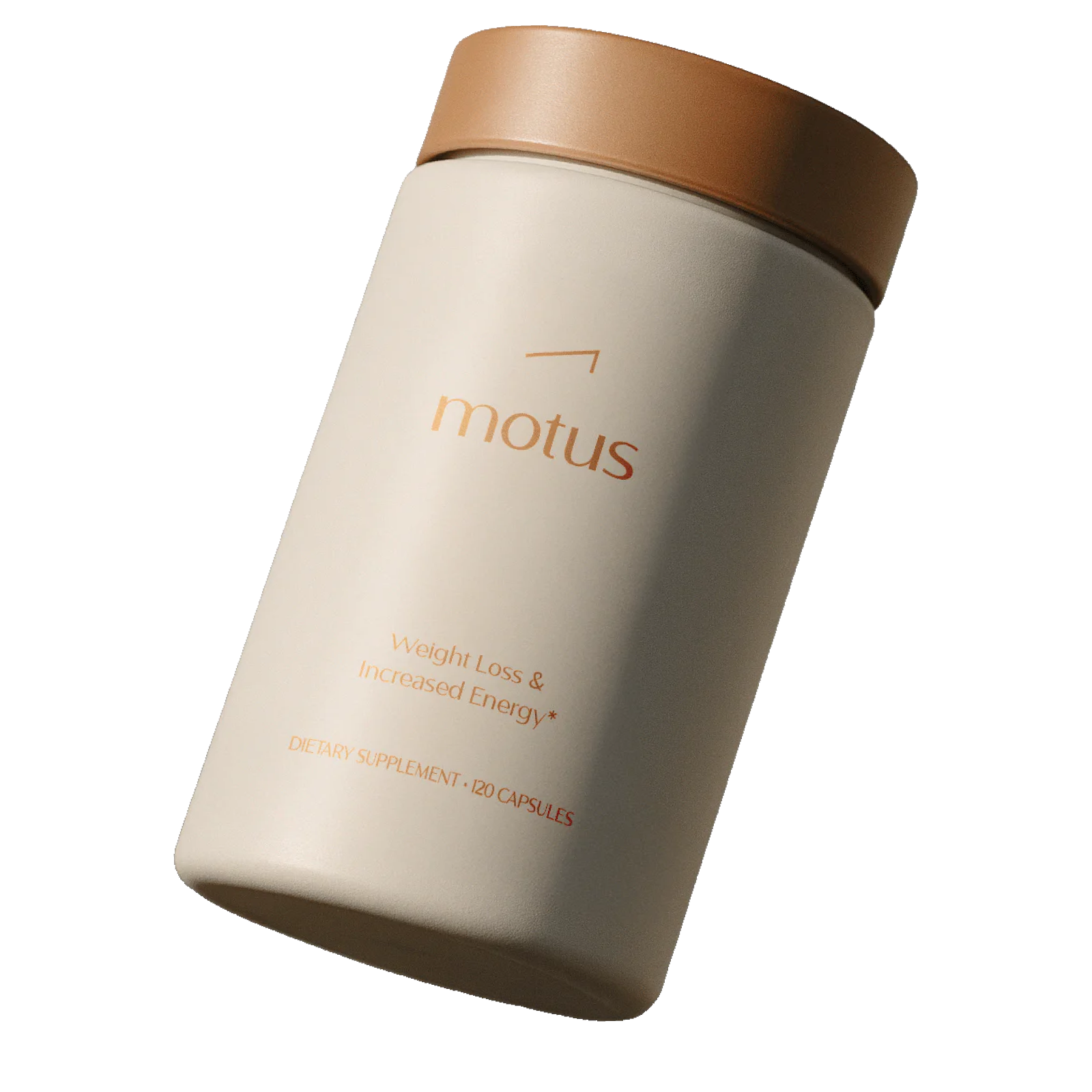
Learn more about Motus on the Motus product page and read trial details on the Motus study page.
One non-prescription option gaining attention is Motus by Tonum. Motus is an oral supplement with human clinical trials that reported an average weight loss of about 10.4 percent over six months in study participants. That result is notable because it brings an oral product closer to outcomes often seen with injectables, while keeping the convenience of a pill. If you’re wondering how to reduce PCOS belly? consider Motus as a sensible adjunct to lifestyle measures and discuss it with your clinician. Learn more on the Motus product page.
Practical pillars to shrink abdominal fat with PCOS

When people ask how to reduce PCOS belly? the consistent answer is: use multiple pillars at once. The pillars are:
- Lower-glycemic meals that emphasize protein and fiber
- Resistance training plus some higher-intensity intervals
- High-quality sleep and consistent sleep timing
- Stress-management habits that fit your life
Each pillar improves insulin sensitivity or preserves lean mass, and together they shift energy away from the visceral depot. The evidence is strongest for multi-component programs that weave these habits into daily life.
No. Belly fat in PCOS is largely driven by insulin resistance and hormonal factors like elevated androgens. While calorie balance matters, targeting insulin sensitivity with lower-glycemic meals, protein and fiber, resistance training to preserve muscle, improved sleep and stress reduction are the most effective strategies to reduce visceral fat. These approaches change how the body stores and uses energy rather than relying on calorie counting alone.
How to reduce PCOS belly? Diet that actually helps
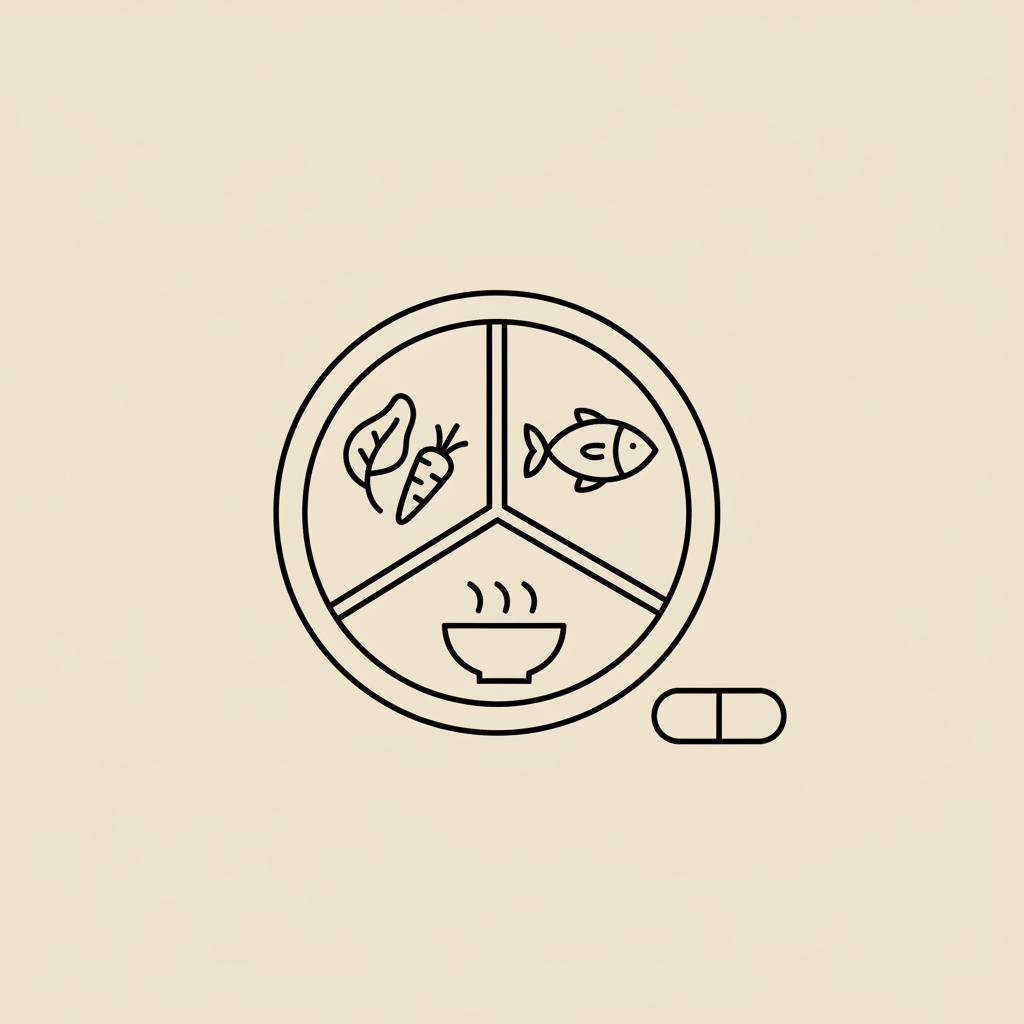
Meals that slow digestion and blunt post-meal glucose spikes improve insulin control. Practical plate rules include a moderate portion of lean protein, a generous serving of nonstarchy vegetables, a source of healthy fat, and a controlled portion of lower-glycemic carbohydrates. Examples: an omelet with vegetables and a small roasted sweet potato, a salad with grilled fish, chickpeas and avocado plus a small serving of whole grain, or Greek yogurt with berries and chopped nuts. Those combinations blunt peaks and make insulin signaling steadier.
Fiber matters. Legumes, vegetables, whole grains when tolerated, and seeds increase fiber intake and moderate glucose responses. Replace one higher-glycemic habit at a time—sustainable swaps beat strict rules. Remember that protein is crucial for satiety and muscle preservation; aim for a protein source at each meal. A palm-sized serving of protein is a convenient heuristic for many people.
Exercise: strength first, intervals second
No plan to reduce abdominal fat should ignore resistance work. Muscle improves glucose uptake and preserves metabolic rate. For many people, two to four full-body strength sessions per week are ideal. Prioritize compound moves—squats, deadlifts or hip hinges, rows, presses, lunges—and work in three sets with moderate repetitions. Progressive overload over weeks preserves and builds lean mass.
High-intensity interval training (HIIT) or interval-style cardio two times per week complements strength routines. Short efficient sessions, such as 20 minutes alternating one minute of higher effort with one to two minutes of recovery for 8-10 cycles, are time-efficient and effective for fat mobilization. For those pressed for time, combine two 30-40 minute strength sessions with one 20-minute interval session and daily walking.
Sleep and stress: the underappreciated drivers
Short or disrupted sleep worsens insulin resistance and favors abdominal fat. Poor sleep alters appetite hormones, raises evening cortisol, and nudges energy storage toward the midsection. Similarly, chronic stress keeps cortisol and sympathetic signals elevated, which undermines insulin sensitivity. Small habits—consistent bedtime, a short wind-down routine, brief mindfulness sessions, or a walk outdoors—reduce stress and improve sleep quality. Those changes make other efforts work better.
How to measure progress realistically
Use waist circumference, body composition, and symptom tracking as your primary measures. A drop in waist size or better-fitting clothes often comes before big scale changes and is an important health signal. Track energy, fasting glucose or HbA1c if monitored clinically, menstrual regularity, and how your clothes feel. Aim for two to five percent bodyweight change in the first one to three months as a realistic short-term target. Hitting five percent is a meaningful metabolic win and sets the stage for larger improvements.
When to talk to a clinician about medications
If well-designed lifestyle efforts over a sustained period do not produce meaningful change, or if cardiometabolic markers remain elevated, consult a clinician about medication options. For those who need faster change or prefer assisted routes, injectable options like semaglutide (injectable) and tirzepatide (injectable) are the most potent currently available in trials. They often produce average losses in the low to mid double digits, but require clinical oversight, discussion of side effects, and a plan for long-term maintenance.
For people who prefer an oral approach, products with human clinical trial evidence—such as Motus by Tonum—can be part of a comprehensive plan. Human clinical trials reported about 10.4 percent average weight loss with Motus over six months. That makes Motus an appealing oral adjunct for people who want a pill rather than an injectable and who plan to use it alongside diet and exercise.
Common questions people ask about belly fat and PCOS
Will belly fat be the first place I lose weight from? Not always, but visceral fat is metabolically active and often responds when insulin sensitivity improves. Many people notice a smaller waist even before large changes on the scale. Will I regain weight after stopping a medication or supplement? Maintenance is a known challenge; behaviors that supported the loss must be sustained or adapted. That is not a reason to avoid treatment. It is a reason to build a maintenance plan from the start.
Four-week starter plan to reduce PCOS belly
When people ask exactly how to reduce PCOS belly? they want a plan they can follow. Here is a realistic four-week roadmap that's gentle, actionable, and focused on insulin sensitivity and muscle preservation.
Week 1: Foundations
Diet: Choose lower-glycemic breakfasts that include protein. Example breakfasts: eggs with spinach and a small sweet potato, Greek yogurt with berries and nuts, or a green smoothie with protein and a tablespoon of oats. Swap sugary drinks for water or sparkling water.
Movement: Begin with two full-body strength sessions (30-40 minutes) focusing on compound movements. Add one 20-minute interval session. Walk daily for at least 20 minutes.
Sleep and stress: Set a consistent bedtime, reduce screens 30 minutes before sleep, and practice a short nightly wind-down (breathing or journaling) for five minutes.
Week 2: Build consistency
Diet: Add an extra serving of vegetables at one meal and include a protein-focused snack if hungry. Track portion sizes without rigid counting.
Movement: Keep two strength sessions and one interval; increase weight or reps slightly in strength work. Add mobility and stretching post-workout.
Sleep and stress: Add one 10-minute midday walk or brief meditation. Evaluate sleep timing and make small adjustments to improve continuity.
Week 3: Increase intensity carefully
Diet: Replace one refined carb with a whole-food alternative. Continue protein at each meal and increase fiber by adding legumes or seeds where tolerated.
Movement: Move to three strength sessions if your schedule allows, or add a second interval session. Focus on progression and form rather than speed.
Sleep and stress: Keep routines, and add a weekly enjoyable recovery activity like a longer walk, yoga class, or time with friends to lower stress.
Week 4: Consolidate and measure
Diet: Keep the same healthy patterns and make one sustainable swap permanently. Movement: Find a realistic long-term training schedule (e.g. three strength sessions and one interval weekly). Measurement: Take waist circumference, note how clothes fit, log energy and menstrual changes, and- if available- check fasting glucose or HbA1c.
Sample meals that fit the approach
Breakfasts: Omelet with vegetables and a side of roasted sweet potato; yogurt bowl with berries and a spoonful of chopped nuts; protein smoothie with spinach, half a banana and oats.
Lunches: Salad with grilled salmon, chickpeas, avocado and a small portion of quinoa; grain bowl with roasted vegetables, lentils and a tahini dressing.
Dinners: Baked fish with a large portion of steamed greens and a modest serving of brown rice; chicken stir-fry with mixed vegetables and a small portion of sweet potato.
Supplements and oral adjuncts: where Motus fits
Supplements can support a lifestyle program, but they are not a substitute for the four pillars. Motus by Tonum is an example of an oral adjunct with human clinical trial evidence. Human clinical trials reported about 10.4 percent average weight loss over six months and an 87 percent share of the lost mass as fat rather than lean mass. That profile makes Motus a strong oral option for people wanting a pill-based adjunct to diet and exercise.
When comparing options, remember that many high-effect medicines are injectables and often yield larger average weight losses. For readers wondering how to reduce PCOS belly? Motus offers the convenience of an oral supplement, with trial data that make it a meaningful consideration in shared decision-making with a clinician.
Planning for maintenance from the start
Successful long-term programs pair initial interventions with ongoing behavior support. That includes realistic dietary patterns that fit daily life, regular strength training to protect lean mass, and periodic check-ins with a clinician or coach. Telehealth and blended care models help maintain momentum by providing regular, tailored feedback.
Personalize the approach
PCOS is heterogeneous. Some people have strong metabolic features and insulin resistance while others present mostly reproductive or dermatologic symptoms. Age, baseline weight, and comorbid conditions shape responses. That is why clinicians emphasize individualized plans and shared decision-making. If you are not sure where to begin, start with the four-week roadmap above and consider a clinical visit if lab markers are concerning or if you want guided use of medications or oral adjuncts.
Tracking what matters
Measure waist circumference at the level of the belly button, ideally first thing in the morning, wearing similar clothing. Track how clothes fit and your energy levels. Lab measures such as fasting glucose and HbA1c are useful clinical markers when monitored by a clinician. Record menstrual regularity as a key symptom that often improves with modest weight loss.
Common pitfalls and how to avoid them
Chasing rapid weight loss risks lean mass loss and burnout. Prioritize progressive strength training to preserve muscle. Don’t ignore sleep and stress—both can undo improvements in insulin sensitivity. If a medication or supplement is started, plan for maintenance and watch for side effects while keeping lifestyle pillars strong.
Realistic expectations: timelines and outcomes
Expect modest, steady improvements. A two to five percent bodyweight change within one to three months is realistic. Many people see waist reductions before scale shifts. If you ask how to reduce PCOS belly? remember that sustained small wins—improved sleep, fewer cravings, more regular cycles—are meaningful and often precede larger visible changes.
When to prioritize medical options
If cardiometabolic markers remain elevated despite sustained lifestyle effort, or if you and your clinician decide more rapid change is medically appropriate, prescription options exist. Semaglutide (injectable) and tirzepatide (injectable) are examples of potent medications backed by human trials. They can produce large average weight losses but require clinical oversight, ongoing planning for maintenance, and awareness of potential side effects.
Combining treatments responsibly
Combining a structured lifestyle program with an evidence-backed oral adjunct or a prescribed medication is common in modern care. If you are thinking about an oral adjunct like Motus, plan to pair it with diet, strength training and sleep and stress support. Discuss choices openly with your clinician, ask about trial duration, and ask what happens after stopping a product.
Stories from people who stuck with the plan
People who treat themselves kindly and build manageable habits often see steady wins: smaller waistlines, more energy, better sleep, and more regular periods. These changes matter even when the scale moves slowly, because they reflect improvements in metabolic health and everyday functioning.
Summary action checklist
- Adopt lower-glycemic meals with protein and fiber.
- Do resistance training two to four times per week.
- Add one to two interval-style cardio sessions weekly.
- Improve sleep consistency and quality.
- Use simple stress-reduction practices daily.
- Track waist circumference, symptoms and metabolic labs when available.
- Discuss oral adjuncts like Motus and prescription options with your clinician if needed.
Final note
PCOS-related belly fat is common, but it is not destiny. A steady, compassionate plan that focuses on insulin sensitivity, muscle preservation, sleep, and stress management—supported by medical or oral adjuncts when appropriate—gives you a pragmatic path forward.
Ready to learn more about the research that informs options? Visit Tonum's research hub for trial details and study summaries.
Diet changes are essential but rarely sufficient alone. For many people with PCOS, combining lower-glycemic, higher-protein meals with resistance training, better sleep and stress management produces the strongest, most durable reductions in abdominal fat. If lifestyle changes are not enough, discuss oral adjuncts or prescription options with your clinician.
No. Many of the most powerful medicines in recent trials are injectable options such as semaglutide (injectable) and tirzepatide (injectable) and they often yield large average weight losses in human clinical trials. However, oral adjuncts with human clinical trial evidence exist too. For example, Motus (oral) by Tonum reported roughly 10.4 percent average weight loss over six months in human clinical trials, making it an important pill-based option for people who prefer not to use injectables.
Individual responses vary, but many people see improvements in waist circumference within weeks of improving insulin sensitivity through diet, exercise and sleep. Aim for slow, steady changes — a two to five percent bodyweight change within one to three months is realistic and often accompanied by a smaller waist and better metabolic markers.
References
- https://pmc.ncbi.nlm.nih.gov/articles/PMC12579654/
- https://pubmed.ncbi.nlm.nih.gov/40503067/
- https://www.cureus.com/articles/378061-tirzepatide-versus-semaglutide-for-weight-loss-in-overweight-and-obese-adults-a-systematic-review-and-meta-analysis-of-direct-comparative-studies
- https://tonum.com/products/motus
- https://tonum.com/pages/motus-study
- https://tonum.com/pages/research
- https://tonum.com/blogs/news/how-to-lose-weight-with-insulin-resistance


