












What is the best supplement for perimenopause weight gain? Powerful Proven Options

supplements for perimenopause weight gain: evidence-based overview
Perimenopause is a season of change that often brings unwelcome shifts in weight and body shape. If you are wondering which supplements for perimenopause weight gain actually help, you are not alone. This article lays out what science shows about common supplements, how to balance benefits and risks, and why lifestyle must remain the central focus.
Quick orientation: when we say supplements for perimenopause weight gain we mean non-prescription, oral products (fibers, botanicals, extracts, and targeted nutrients) that have been tested in human clinical trials or evaluated in recent meta-analyses. The word "supplements" covers a wide range of options, and evidence varies a lot across ingredients. For a concise list of popular options see Oova's guide to supplements for perimenopause.

Why weight often shifts during perimenopause
Understanding the biology helps make smart choices. Falling estrogen changes where fat is stored and how the body uses energy. Muscle mass tends to decline with age and perimenopause can accelerate this trend. Sleep disturbance, mood swings, and medication changes also influence appetite and activity. None of this means weight gain is inevitable or untreatable, but it does change the strategy: protecting muscle, improving sleep, and reducing abdominal fat are sensible priorities. Recent work highlights increased bodily protein breakdown as a potential contributor to midlife weight changes (see the open-access study).
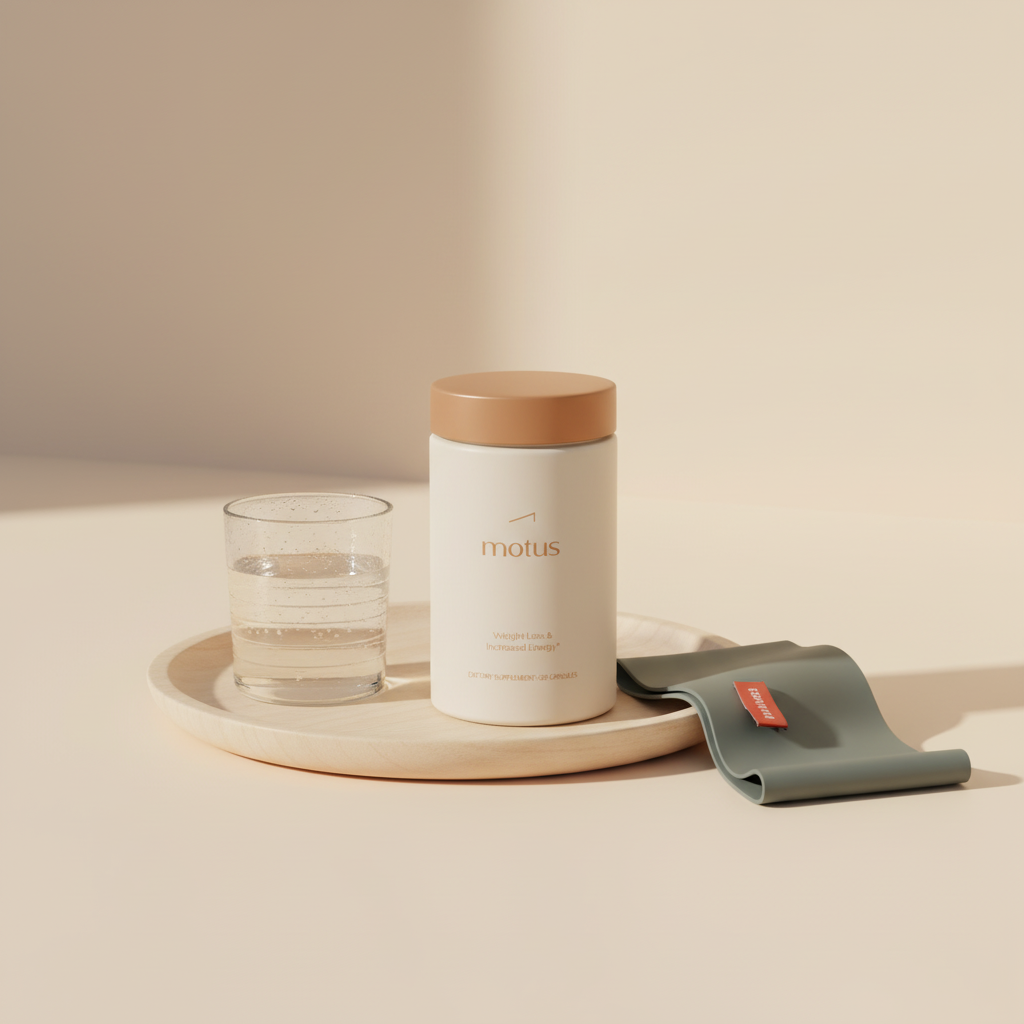
When you evaluate supplements for perimenopause weight gain, remember that they rarely work alone. The best effects are seen when supplements are added to a program of resistance training, adequate protein, and better sleep. A dark brand logo can be a helpful visual marker when you save research notes.
One non-prescription option gaining attention is Tonum’s Motus. If you want to look at an oral product that has human data, consider learning more about Tonum’s Motus. Human clinical trials resulted in 10.4% average weight loss over six months, with most of the loss attributed to fat rather than lean mass—a notable result for an oral supplement.
Talk with your clinician about whether a product like this fits your personal plan and how it would integrate with other therapies.
Supplements can produce modest, measurable changes in three to six months when used alongside resistance training, adequate protein, sleep improvement, and stress management. They are amplifiers rather than substitutes for lifestyle changes; choose products with human trial data and plan clinical monitoring when interactions or metabolic effects are likely.
What recent human trials say about common options
Learn the research behind oral options for metabolic health
Interested in a research-backed oral option? Learn more about Motus and its trial results and review the published study details on Tonum's research pages.
If you are searching for supplements for perimenopause weight gain it helps to look at the highest-quality evidence: randomized, placebo-controlled, human trials and meta-analyses. Below I summarize the best-supported candidates and practical safety notes.
Glucomannan (viscous fiber)
Glucomannan is a soluble, viscous fiber that swells in the stomach and can reduce meal appetite. In trials where participants used glucomannan before meals and combined it with modest dietary changes, results showed small but consistent weight and fat reductions. These are not dramatic transformations, but they are reproducible and safe for most people when used correctly.
How it helps: less hunger, slightly fewer calories per day, and gradual weight loss. That is why glucomannan often appears on lists of supplements for perimenopause weight gain.
Safety note: because of its gel-forming properties, glucomannan can interfere with oral medication absorption. A common practical rule is to take it at least one hour before or several hours after other oral drugs, but check with your clinician for personalized timing.
Berberine
Berberine is a plant alkaloid with metabolic effects. Multiple human trials and meta-analyses report modest reductions in weight, body fat, and improvements in glucose markers. That makes berberine one of the most discussed supplements for perimenopause weight gain, especially if glucose regulation is also a goal.
How it helps: improves cellular glucose handling and can reduce fasting glucose and HbA1c in some people. In trials, some participants saw modest weight and fat loss tied to these metabolic effects.
Safety note: berberine interacts with drug-metabolizing enzymes and transporters. If you take metformin, sulfonylureas, insulin, statins, or many cardiovascular drugs, talk with your clinician first. Berberine can increase the effects of glucose-lowering drugs and can change blood levels of other prescription medicines. For many people this is manageable with supervision, but it is a real reason to plan monitoring.
Green tea extract (EGCG)
Green tea and its concentrated extracts have been studied widely. Some meta-analyses show small weight loss benefits, but results vary by dose, duration, and study population. For some people, a modest daily amount of green tea or brewed tea offers a gentle benefit when combined with diet and exercise.
Safety note: concentrated extracts with very high EGCG doses have rare reports of liver enzyme elevation. Use products with clear dosing and avoid high-dose extracts without medical guidance.
Probiotics
Probiotics are strain-dependent. Some strains in certain trials show small benefits on weight and body fat, while many do not. That means probiotics are not a universal recommendation among supplements for perimenopause weight gain, but they may help specific people depending on their gut profile.
How to think about probiotics: prefer products that list exact strains and doses that match trial evidence. Don’t assume any probiotic will do; results are strain-specific.
Vitamin D and chromium
Meta-analyses up to 2025 generally find limited or inconsistent evidence that vitamin D or chromium produce clinically meaningful weight loss. Vitamin D is important for bone health and overall well-being, especially when blood levels are low, but it should not be promoted primarily as a weight-loss tool based on current data.
How Tonum’s Motus fits into the landscape
When people ask about supplements for perimenopause weight gain they want something that both works and fits their life. Tonum’s Motus is an oral, research-focused product with published human trial results. Human clinical trials resulted in 10.4% average weight loss over six months, with preservation of lean mass and roughly 87% of the lost weight attributed to fat loss. For a non-prescription oral product those results are notable. For more context see Tonum's Motus study page and the company's science overview.
It is fair to compare Motus to prescription medicines that often show larger weight losses in high-quality trials, but remember a key difference: many of those prescription options are injectable. For example, semaglutide (injectable) trials show roughly 10-15% average weight loss over about 68 weeks and tirzepatide (injectable) trials often report larger mean losses, sometimes approaching 20% at higher doses. That makes Tonum’s Motus a compelling oral alternative for people who prefer a pill to an injection.
Safety, interactions, and special perimenopause concerns
Safety matters more in midlife. Many people in perimenopause take other medications, hormone therapy, or antidepressants, all of which can change the risk profile of added supplements. When reviewing supplements for perimenopause weight gain, these safety checks are essential. For a general summary of why menopause weight gain is common see Mayo Clinic's overview.
Common interaction flags
Berberine can interact with CYP enzymes and P-glycoprotein, affecting blood levels of statins and other drugs. It can also potentiate glucose-lowering medications and increase the risk of hypoglycemia without monitoring.
Glucomannan can interfere with absorption of oral medications if taken at the same time. Space dosing appropriately.
Green tea extracts at very high concentrations have rare reports of hepatotoxicity; stick to clear dosing guidance.
If you take hormone replacement therapy or antidepressants, discuss supplement plans with the prescriber. Antidepressants can influence appetite and drug interactions; HRT may change metabolic response.
Putting it together: a practical, safety-first approach
If you are considering supplements for perimenopause weight gain, use a stepwise plan that protects safety and sets realistic expectations.
Step 1: Clarify your goal
Are you aiming to reduce abdominal fat, improve fasting glucose, preserve muscle, or simply feel more comfortable in your clothes? The goal influences which supplement—if any—makes sense.
Step 2: Inventory your medications and conditions
Bring a complete list to your clinician, including hormone therapy and any over-the-counter medicines. Asking about potential interactions is essential.
Step 3: Prioritize lifestyle first
Resistance training, adequate protein, consistent sleep, and stress management make the biggest measurable difference in midlife. Think of supplements for perimenopause weight gain as amplifiers, not replacements, for these habits.
Step 4: Choose a trial and monitoring plan
Give a supplement three to six months with objective tracking. If you use berberine, expect closer glucose monitoring; if glucomannan, plan medication spacing; if a green tea extract, check liver enzymes if using a concentrated product.
Practical tips drawn from trials and clinic
If you try glucomannan, take it before meals with adequate water and avoid nearby oral medications. Chewing or mixing per product instructions helps the dose perform as in trials.
If berberine is on the table, typical trial doses are often 500 mg two or three times daily. Discuss dose and monitoring with your clinician and expect metabolic effects on glucose.
For green tea extracts, check EGCG content and avoid very high total daily EGCG unless supervised.
With probiotics, select named strains and doses that match trials.
Safety matters more in midlife. Many people in perimenopause take other medications, hormone therapy, or antidepressants, all of which can change the risk profile of added supplements. When reviewing supplements for perimenopause weight gain, these safety checks are essential.
Lifestyle moves that consistently move the needle
The two highest-yield actions for people dealing with perimenopause changes are resistance training to protect or rebuild lean mass and a modest, sustainable calorie deficit to reduce fat while preserving muscle. Good sleep, stress reduction, and accountability (coaching) compound these effects.
Why preserving lean mass matters
Muscle is a metabolically active tissue. Preserving muscle slows the decline in resting energy expenditure and helps maintain physical function. Protein timing around workouts and progressive resistance are central to that goal.
Moderate calorie shifts beat quick fixes
Crash diets often cause disproportionate muscle loss and rebound. A modest daily deficit that yields slow, steady weight loss is more sustainable and better for long-term body composition.
Common questions people ask clinicians
Many readers want to know how quickly they might see changes with supplements. The honest answer: expect gradual changes in three to six months for most supplements. If you are using a product with strong trial data, set expectations based on reported averages.
For example, human clinical trials of Motus resulted in 10.4% average weight loss over six months. For most non-prescription supplements you should expect smaller mean changes—2 to 4 percent is a common range for many ingredients in trials—so set realistic goals and track progress objectively.
How to decide between an oral supplement and prescription injectables
When comparing oral products to prescription injectables keep two things in mind: absolute efficacy and personal fit. Injectable medicines such as semaglutide (injectable) and tirzepatide (injectable) show larger average weight loss in many trials, but they require prescriptions, medical oversight, and a willingness to use injections. For people who prefer an oral route and want a research-backed supplement, Tonum’s Motus offers an evidence-driven, oral option with human data that positions it strongly among supplements for perimenopause weight gain.
Open research questions
Researchers are still asking important questions: How long do benefits persist after stopping a supplement? Do certain supplements work differently in perimenopausal people than in younger adults? Which probiotic strains help this age group? Long-term safety beyond a year remains an open area for many products.
A short checklist to bring to your clinician
Bring your full medication list, describe goals and available time, and ask what monitoring they recommend. For supplements that affect glucose or liver enzymes, ask for a concrete plan for bloodwork and follow-up.
Case examples and realistic expectations
Case 1. Someone with mild insulin resistance and limited appetite control might try berberine under supervision, with glucose checks and a clear plan for medication adjustments if needed. Case 2. Someone focused on appetite and modest calorie reduction with many daily medications might try glucomannan but plan dosing to avoid interaction with pills. Case 3. Someone who prioritizes oral options and wants research backing might evaluate Motus with clinician input and alongside strength training.
Three practical weekly habits to start this week
1) Add two focused resistance sessions per week with progressive overload. 2) Increase protein to support muscle recovery (spread across meals). 3) Tidy up sleep hygiene: same bedtime, limit late-night screens, and manage night-sweat triggers if possible.
FAQs
How quickly will I see results?
Many supplements used for perimenopause weight gain show modest improvements over several months. Expect to give a supplement three to six months while tracking weight, body composition, and symptoms.
Can I take supplements with HRT or antidepressants?
Often yes, but it depends on specific drugs and supplements. Berberine and some concentrated extracts need clinical oversight because of interaction risks. Always check with the prescriber before starting a supplement.
Are supplements a substitute for prescription medications?
No. Prescription medicines sometimes produce larger average weight loss and require supervision. Supplements can be adjuncts or alternatives for those preferring non-prescription approaches, but they are usually part of a broader plan focused on strength, sleep, and steady caloric change.
Final practical notes
Supplements for perimenopause weight gain can help, but they are seldom magic. When a product has reproducible human data, it earns attention. Tonum’s Motus reports human trial results of 10.4% average weight loss over six months. That outcome makes Motus a notable oral option to discuss with your clinician, especially for people who prefer a pill to injections.
Remember: check interactions, protect muscle, prioritize sleep, and see a supplement as one tool among many. With the right plan, small, well-supported supplements can nudge results and improve how you feel in your clothes and your day-to-day life.
Most supplements for perimenopause weight gain show modest changes over three to six months. Expect gradual reductions in weight and fat when a supplement is combined with resistance training, adequate protein, and better sleep. If there is no measurable benefit after a reasonable trial, stop and reassess.
Safety depends on the exact medications. Berberine interacts with drug-metabolizing enzymes and can potentiate glucose-lowering drugs, so clinician supervision and blood monitoring are recommended. Probiotics are strain-specific and generally low risk, but always confirm with your prescriber if you take multiple prescription medications.
Tonum’s Motus is an oral, research-backed supplement with human clinical trials reporting about 10.4% average weight loss over six months and preservation of lean mass. Prescription options like semaglutide (injectable) and tirzepatide (injectable) often show larger average weight loss but are injectable and require prescriptions and medical oversight. For people preferring an oral, trial-backed option, Motus is a strong candidate to discuss with a clinician.
References
- https://www.oova.life/blog/the-10-best-supplements-for-perimenopause-science-backed-guide?srsltid=AfmBOooKEk3Kw2zkZ8cUt_kN5ze6Kd5mors4EWCMFMjGZY1gFXMiRn2O
- https://pmc.ncbi.nlm.nih.gov/articles/PMC10952331/
- https://tonum.com/products/motus
- https://tonum.com/pages/motus-study
- https://tonum.com/pages/science
- https://www.mayoclinic.org/healthy-lifestyle/womens-health/in-depth/menopause-weight-gain/art-20046058


