











Natural Fat Burners Explained: What's Actually in Them (and What Works)

“Natural fat burner” sounds like one thing. It isn’t.
Turn over the label and you may find caffeine, green tea extract, capsaicin, L-carnitine, fiber, or a multi-ingredient blend. These ingredients work through different pathways and are backed by very different levels of evidence.
The useful question is not whether a bottle says “fat burner” on the front. It is what is actually inside, how much is included, and whether the evidence supports what the product claims to do.
What is a natural fat burner, and do natural fat burners actually work? The term is commonly used for supplements marketed to support processes related to weight management, including energy expenditure, appetite, fat oxidation, or metabolic health.
In this article, we will look at what is usually inside these products, what human research shows, and what to check before choosing one.
What Does “Natural Fat Burner” Actually Mean?
A natural fat burner is a marketing category, not one standard formula. One product may rely on caffeine. Another may combine green tea and plant extracts. A stimulant-free option may use a completely different approach.
That is why the category name tells you less than the formula itself. Look at the ingredients, amounts, safety information, and evidence rather than assuming the label predicts how well a product will work.
What's Usually Inside a Natural Fat Burner?
Common ingredients include caffeine, green tea extract, capsaicinoids, L-carnitine, fiber-based ingredients, bitter orange, and other botanicals. Many weight loss supplements combine several ingredients intended to work through different pathways.
Caffeine, for example, can affect thermogenesis and energy expenditure. L-carnitine plays a role in fatty-acid transport. These mechanisms explain why ingredients appear in the category, but they do not prove a meaningful weight-loss outcome.
Do Natural Fat Burners Actually Work?
Some ingredients have been studied in humans, but the effects are often modest, inconsistent, or uncertain. NIH's review of weight-loss supplements describes a possible modest reduction in body weight with carnitine, while evidence for several other popular ingredients is limited or mixed.
When reviewing a study, ask three things:
- Was it conducted in humans?
- Did it measure body weight or body composition?
- Was the studied dose similar to the amount in the product?
Also check who was studied and for how long. A short trial in a narrow population should not automatically be generalized to every user.
A researched ingredient is useful information. It is not the same as a researched finished formula.
Do Metabolism Booster Supplements Really Boost Metabolism?
Some ingredients in metabolism booster supplements can temporarily affect energy expenditure or thermogenesis.
That does not automatically translate into meaningful weight loss. The size of the effect, how long it lasts, the dose, and the outcome measured all matter.
For a broader look beyond supplements, see Tonum's guide to supporting metabolism naturally.
What Does the Research Say About Caffeine and Green Tea?
Caffeine can increase thermogenesis and energy expenditure, but habitual use can lead to tolerance, and its effect on long-term weight loss is less clear.
Green tea provides catechins, including EGCG, along with caffeine. NIH reviews suggest that any average weight-loss effect from green tea preparations is likely to be small. Concentrated green tea extracts can also carry safety concerns that do not necessarily apply to brewed tea.
Capsaicin and L-Carnitine: What Does the Evidence Show?
Capsaicin and related capsaicinoids have been studied for effects on appetite, energy intake, and lipid oxidation, but available research has not established a meaningful effect on body weight.
L-carnitine has a clear role in fatty-acid transport. Human research suggests a possible modest average reduction in body weight.
Are Stimulant-Free Fat Burners Different?
Stimulant-free formulas avoid relying on caffeine or similar stimulants. Instead, they may use ingredients intended to support metabolism or other aspects of metabolic health.
Different does not automatically mean better. Check the same things you would for any supplement: ingredients, amounts, human evidence, safety information, and whether the finished formula has been studied.
Are Organic Weight Loss Supplements Better?
Organic weight loss supplements answer a sourcing question, not an efficacy question.
USDA organic standards relate to how qualifying agricultural ingredients are produced and handled. Organic certification may matter if sourcing is important to you, but it does not establish that an organic product produces greater weight loss than a comparable non-organic formula.

What Should You Look for in Clean Label Supplements?
When comparing clean label supplements, look beyond the phrase on the front of the bottle.
Check the active amounts, other ingredients, stimulant sources, directions, warnings, manufacturer information, and available quality or testing information. Then ask whether the evidence applies to individual ingredients or the finished product.
“Clean label” can make a formula easier to understand. It does not prove effectiveness. Transparency does not guarantee results, but it makes the formula easier to compare with the research.
No.
FDA advises consumers not to assume that natural products are automatically safe. Ingredients can cause side effects or interact with medications, especially when several are combined.
If you take medication, have a medical condition, are pregnant or nursing, or are unsure whether a supplement is appropriate for you, speak with a qualified healthcare professional.
How to Read a Natural Fat Burner Label
Start with the Supplement Facts panel instead of the marketing headline.
Check the serving size, active amounts, and all sources of caffeine. Pay attention to blends that make individual amounts difficult to assess, and look for clear directions, warnings, and manufacturer information.
FDA does not approve dietary supplements for safety and effectiveness before they are marketed, which makes transparent labeling especially important.
Natural Fat Burner Red Flags to Watch For
Be cautious when a product:
- Promises rapid or effortless weight loss.
- Uses claims such as “melt fat.”
- Hides active amounts inside vague blends.
- Uses one ingredient study to imply the finished formula was studied.
- Treats “natural” as a guarantee of safety.
- Makes it difficult to identify or contact the manufacturer.
Good supplement communication should make the evidence easier to understand, not harder.
What Matters More Than a Fat Burner?
Supplements should not replace the foundations of weight management. Dietary pattern, calorie intake, physical activity, sleep, and consistency still matter.
NIH identifies dietary changes and physical activity as core parts of long-term weight management. A supplement is better viewed as one possible part of that broader approach.
How Tonum Approaches Metabolic Support
Tonum's research approach separates ingredient research from finished-formula evidence.
Several individual ingredients in MOTUS, including alpha-lipoic acid, have been studied separately in human research. However, research on individual ingredients should not be treated as evidence for the finished MOTUS formula.

The study was open-label and single-arm, with no placebo group or blinding. It was sponsored by Tonum Health and has not yet been published in a peer-reviewed journal. Tonum publishes those limitations alongside the findings.
Quick Natural Fat Burner Checklist
Before choosing a natural fat burner, ask:
-
What are the active ingredients?
-
Are the exact amounts disclosed?
-
Is there relevant human evidence at similar doses?
-
Does it contain caffeine or other stimulants?
-
Was the finished formula studied?
-
Are the claims realistic?
-
Are clear quality and company details easy to find?
If those questions are difficult to answer, the marketing may be doing more work than the evidence.
Frequently Asked Questions
Do Natural Fat Burners Actually Work?
Some ingredients may affect energy expenditure, fat oxidation, appetite, or body weight, but effects are often modest or uncertain. Results depend on the ingredient, dose, formula, and individual.
Are Natural Fat Burners Safe?
Not automatically. Natural ingredients can still cause side effects or interact with medications. Evaluate the whole formula and speak with a healthcare professional when appropriate.
Are Stimulant-Free Fat Burners Better?
Not necessarily. They avoid relying on caffeine or similar stimulants, but they still need to be evaluated for ingredient amounts, human evidence, safety, and finished-formula transparency.
A natural fat burner should not be judged by how aggressively it is marketed. Look at what is inside, what the human evidence actually measured, and whether the claims match that evidence.
References
https://ods.od.nih.gov/factsheets/WeightLoss-HealthProfessional/
https://ods.od.nih.gov/factsheets/Carnitine-HealthProfessional/
https://www.fda.gov/consumers/consumer-updates/fda-101-dietary-supplements
https://tonum.com/pages/motus-study
Support Your Metabolic Health With an Evidence-First Formula
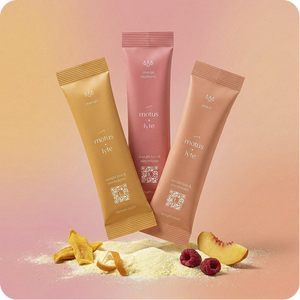
If you prefer a stimulant-free approach to metabolic support, MOTUS combines Berbevis® berberine, Siliphos® milk thistle, alpha-lipoic acid, taurine, and nicotinamide.
Tonum has studied the finished MOTUS formula in humans and publishes both the findings and the study's limitations, including its open-label design, lack of a placebo group, company sponsorship, and current lack of peer-reviewed publication.


