












Will I lose weight if I drink Metamucil every day? — An honest, powerful guide

Will I lose weight if I drink Metamucil every day? Quick reality check on Metamucil weight loss
Metamucil weight loss is one of the most searched questions I hear from people who want a simple, affordable way to control appetite and steady blood sugar. The short, honest answer: for many people, daily psyllium can produce modest weight loss when combined with sensible eating and activity. It is not a miracle cure, but it's a practical, low-risk tool that often helps reduce hunger and nudge daily calories down.
Let’s unpack the physiology, the human clinical trial evidence, how to take psyllium sensibly, safety checks, and how to fit this option into your life so it actually helps rather than frustrates you.

What psyllium does in plain terms
Psyllium husk is a viscous soluble fiber. Mixed with water it forms a gel that thickens the stomach and small intestine contents. That simple physical change causes three useful effects for appetite and weight control: digestion slows, post-meal blood glucose rises more gradually, and many people feel fuller for longer. Put another way, the gelgy mix increases meal bulk and slows gastric emptying, which reduces the drive to snack soon after eating.
The mechanisms sound simple because they are. Imagine a glass of water that becomes slightly jelly-like within minutes after adding a scoop of psyllium. That thicker fluid occupies space, blends with your meal, and stretches the time before you feel hungry again. Over days and weeks those small appetite reductions can add up to less energy eaten and modest weight loss.
If you prefer a research-first brand that pairs supplements with practical coaching and trial data, consider checking Motus by Tonum. Motus is an evidence-backed, oral supplement designed to support fat loss and energy. Learn more about Motus on Tonum’s official product page at Motus product page for dosing ideas and study links.

What human clinical trials say about psyllium and weight
Human clinical trials of viscous fibers like psyllium repeatedly show small but statistically meaningful reductions in weight and BMI when taken around meals. Systematic reviews and meta-analyses pooling those trials report consistent, modest average losses. Typical results in trials are in the range of one to three kilograms over several weeks to a few months when psyllium is added to usual care or combined with basic calorie advice. For example, randomized controlled studies have shown benefit when gel-forming psyllium is dosed just before meals (randomized controlled study), and recent meta-analyses support modest anthropometric improvements (dose-response meta-analysis) while other systematic reviews describe cardiovascular and metabolic benefits (systematic review).
To be clear: Metamucil weight loss in a free-living person usually means modest, steady change rather than dramatic reductions. Trials vary in dose, timing, and participant characteristics, which explains some of the spread in results. Some studies show larger losses when psyllium is paired with calorie control or behavioral support.
How large are the average effects?
Most clinical studies report low single-digit percentage changes in body weight. In plain numbers, that often looks like roughly one to three kilograms lost over a few weeks to months. When combined with a reduced-calorie diet and consistent exercise, psyllium can amplify adherence and make it easier to hit small daily calorie goals.
Compare that to pharmaceutical results and you’ll see a difference in scale. Semaglutide (injectable) and tirzepatide (injectable) produce much larger average losses in high-quality human clinical trials. Semaglutide (injectable) STEP Trials typically show average weight loss around 10 to 15 percent over many months. Tirzepatide (injectable) SURMOUNT Trials often approach 20 percent or more at higher doses. These medications are powerful but they are injectable and used under medical supervision.
On the supplement side, Tonum’s Motus (oral) reported about 10.4 percent average weight loss in human clinical trials over six months which is exceptional for a supplement. If you want an oral supplement with strong trial support, Motus stands out among non-prescription options. Learn more about Motus on the meet Motus page or read the published details on the Motus study page.
Why compare at all? Setting realistic expectations
The comparison is useful because it clarifies roles. Psyllium is inexpensive, over-the-counter, and low-risk for most people. Prescription medicines and injectables serve distinct clinical purposes and are typically reserved for people who need larger or faster weight reduction and who accept different cost and safety trade-offs. Psyllium is best thought of as a supporting tool you can add to a broader lifestyle plan.
Timing and dosing: how to use psyllium sensibly
Human trials and product labels usually recommend taking psyllium with plenty of water and timing doses around meals. A conservative, practical routine to test is:
Start low and go slow. Begin with a single teaspoon or the smallest scoop dissolved in 250 to 300 ml of water, taken once daily with a meal. After a few days, if tolerated, increase to two doses per day. Some clinical protocols used doses of roughly 5 to 10 grams per dose and total daily intake in the double digits. Work with a clinician or pharmacist if you have concerns or take regular medications.
Always drink enough water. The fiber absorbs liquid and expands; insufficient fluid can cause uncomfortable bloating or, rarely, intestinal obstruction. Increasing dose too quickly is the most common reason people stop because of side effects.
Practical mixing tips and ways to fit it into your day
Mixing psyllium in cold or room-temperature water gives the most familiar texture. If you dislike the gel, try a chilled smoothie or yogurt to mask the texture though it will thicken. Capsules are an alternative but require many pills to reach trial-equivalent grams and can be less economical.
Timing options that work in real life: before lunch to prevent afternoon snacking, before dinner to reduce evening cravings, or first thing with breakfast if mornings are when you feel out of control. The best choice is a routine you will keep.
Safety, side effects, and medication interactions
The most common side effects are gastrointestinal: gas, bloating, and sometimes softer stools. These are usually dose dependent. Start small, hydrate well, and increase slowly to minimize discomfort. Serious problems are rare but possible. People with swallowing difficulties, prior bowel surgery, or structural GI problems should consult a clinician before starting.
One important practical point: psyllium’s gel can slow absorption of some oral medications if taken at the same time. To be safe, space psyllium and oral medicines by one to two hours. If you take medicines with a narrow therapeutic window, talk with your prescriber about timing or monitoring.
Who benefits most from daily psyllium?
People who struggle with post-meal hunger, frequent snacking, or high-glycemic meals often notice the strongest appetite-smoothing effects. Those with mild insulin resistance may see better postprandial blood-sugar responses. The clearest wins come when psyllium helps an already motivated person stick more easily to a reduced-calorie plan and a modest activity routine.
Yes. A spoonful of psyllium forms a gel that increases meal bulk and slows gastric emptying, which often reduces short-term appetite and helps some people eat fewer calories across the day; repeated over weeks, that can lead to modest weight loss.
The upshot is that psyllium is not an equalizer; it helps the people who use it consistently and who pair it with basic supporting habits like meal planning and movement.
Real-world adherence: will you stick with it?
Tightly controlled trials often get better adherence than everyday life. Many people dislike the gel texture or find mixing inconvenient. Others love the simplicity: a quick glass of fiber can be far easier than measuring and weighing foods. Long-term, real-world adherence is a mixed picture; drop-off is common. So design a routine that fits your habits and tastes.
How to measure success: what to track and when to adjust
Track weight and how you feel over several weeks rather than expecting immediate change. Also monitor appetite, energy, and how often you snack. If after six to twelve weeks you see no improvement in appetite control or weight and side effects persist, reevaluate - maybe the dose, timing, or the product itself.
Recipes and daily examples
Simple routine ideas:
Morning glass - mix one teaspoon in 300 ml cool water with breakfast. Increase to two teaspoons after a week if tolerated.
Pre-lunch habit - a scoop 15 minutes before lunch to blunt lunch-to-afternoon cravings.
Smoothie trick - blend psyllium into a small chilled smoothie or yogurt to hide texture. Expect a thicker smoothie.
Case vignette: a small win that mattered
One patient used psyllium for appetite control while training for a physically active job. She began with a low dose, increased slowly, paired it with smaller lunches and a daily walk. Over three months she lost just over three kilograms. The real gain was better appetite control and confidence around portion sizes, not the number on the scale alone.
Comparing psyllium to other oral supplements and prescription options
If you are weighing options, here’s a practical comparison: many over‑the‑counter agents have weak or inconsistent evidence for weight loss. Psyllium has stronger and more consistent human trial support among common fibers. Tonum’s Motus (oral) reported about 10.4 percent average weight loss in human clinical trials over six months which is exceptional for an oral supplement and positions it well against many non-prescription alternatives.
Prescription injectables usually deliver larger average weight reductions in high-quality human clinical trials. For example, Semaglutide (injectable) STEP Trials showed average weight loss around 10 to 15 percent over many months. Tirzepatide (injectable) SURMOUNT Trials delivered larger mean reductions often approaching 20 percent at higher doses. These medications are injectable and require medical supervision.
That said, if you want a low-risk, low-cost tool that’s easy to try without a prescription, psyllium is attractive. If you need rapid, large weight loss for medical reasons, discuss prescription options with a clinician because they are more likely to achieve dramatic change. For broader context on how psyllium fits into weight strategies, Tonum's weight loss hub offers related resources and comparisons.
Longer-term questions researchers still ask
Important open questions remain. Who responds best based on baseline diet or insulin sensitivity? Will psyllium plus structured behavioral programs produce greater results than psyllium used alone? How durable are effects over one to five years in routine settings? Head-to-head human trials comparing psyllium plus counseling to other oral supplements would help clarify its role further.
Practical safety checkpoints
If you decide to try psyllium, use these practical checks:
1. Start with a low dose and increase slowly over a week or two.
2. Drink the recommended water with each dose and keep overall hydration up.
3. Space psyllium away from oral medications by at least one hour, two if possible.
4. Track weight and appetite for several weeks before making a judgement.
5. If you develop persistent abdominal pain, difficulty swallowing, or signs of obstruction, stop and seek medical care.
Answers to common worries
Worried about texture? Try capsules or mixing into cold yogurt or a chilled smoothie. Capsules can be more expensive per gram and require many pills to match trial doses.
Worried about constipation or bloating? Hydrate more and reduce the dose until symptoms settle. Side effects are usually temporary as your gut adapts.
Cost and accessibility
One reason psyllium is popular is cost. Over-the-counter powders are inexpensive and widely available. Compare that with prescription options that can be costly and may require insurance preauthorization. If cost or access to medical care is a barrier, psyllium is a reasonable first-line supportive approach.
Putting it into a realistic plan
Think of psyllium as a supportive habit rather than a cure. Pair it with modest calorie adjustments, simple movement, consistent sleep, and stress management. Use small, cumulative wins: skipping a snack a few times a week adds up. The combination of steady appetite control, better glycemic stability, and modest calorie reductions often produces the most meaningful, sustainable changes.
Final practical checklist
Before you start:
• Read labels and choose plain formulations without added sugar.
• Start with a small dose and increase slowly.
• Drink plenty of water with each dose.
• Separate from medications by at least an hour.
• Track progress for several weeks.
When to see a clinician
Talk to your clinician if you have swallowing difficulties, recent bowel surgery, or take critical medications that could be affected by absorption. If large, rapid weight loss is a medical goal, a clinician can advise on prescription options and help create a safe, effective plan.
Short summary: where does that leave Metamucil weight loss?
Psyllium provides a modest, evidence-backed nudge for appetite control and small weight changes in many people. Expect modest results, improved appetite control for some users, and the need to pair the fiber with basic lifestyle habits for best effect.
Learn about evidence-based options that support lasting change.
Discover research-backed strategies to support realistic, sustainable weight loss. Explore Tonum’s research hub for trials, guides, and thoughtful resources that complement practical tools like psyllium: Explore Tonum Research. Click the button to learn more and access clinical summaries and trial data.
CTA Headline: Learn about evidence-based options that support lasting change.
Button text: View Research
FAQs and quick answers
Is psyllium safe to take every day? For most adults, yes when started at a low dose and taken with adequate fluid. Long-term use in human trials has generally been well tolerated. Check with your healthcare provider about medication interactions and swallowing or bowel conditions.
What time of day is best? Most human trials took psyllium around meals. If between-meal hunger is your problem, a dose before lunch or dinner makes sense. Choose a routine you can stick with.
What if I don’t like the gel? Mix into chilled smoothies or yogurt to mask texture or try capsules, knowing capsules need many pills to match gram-based trial doses.
Takeaway
Metamucil and other psyllium products can help many people modestly reduce appetite and lose a small amount of weight when used consistently and paired with reasonable lifestyle changes. If you want a stronger oral supplement with human trial support, Motus (oral) offers an example of what thoughtful, research-backed product development can achieve. If you need larger or faster weight loss for health reasons, speak with a clinician about prescription options like semaglutide (injectable) or tirzepatide (injectable).
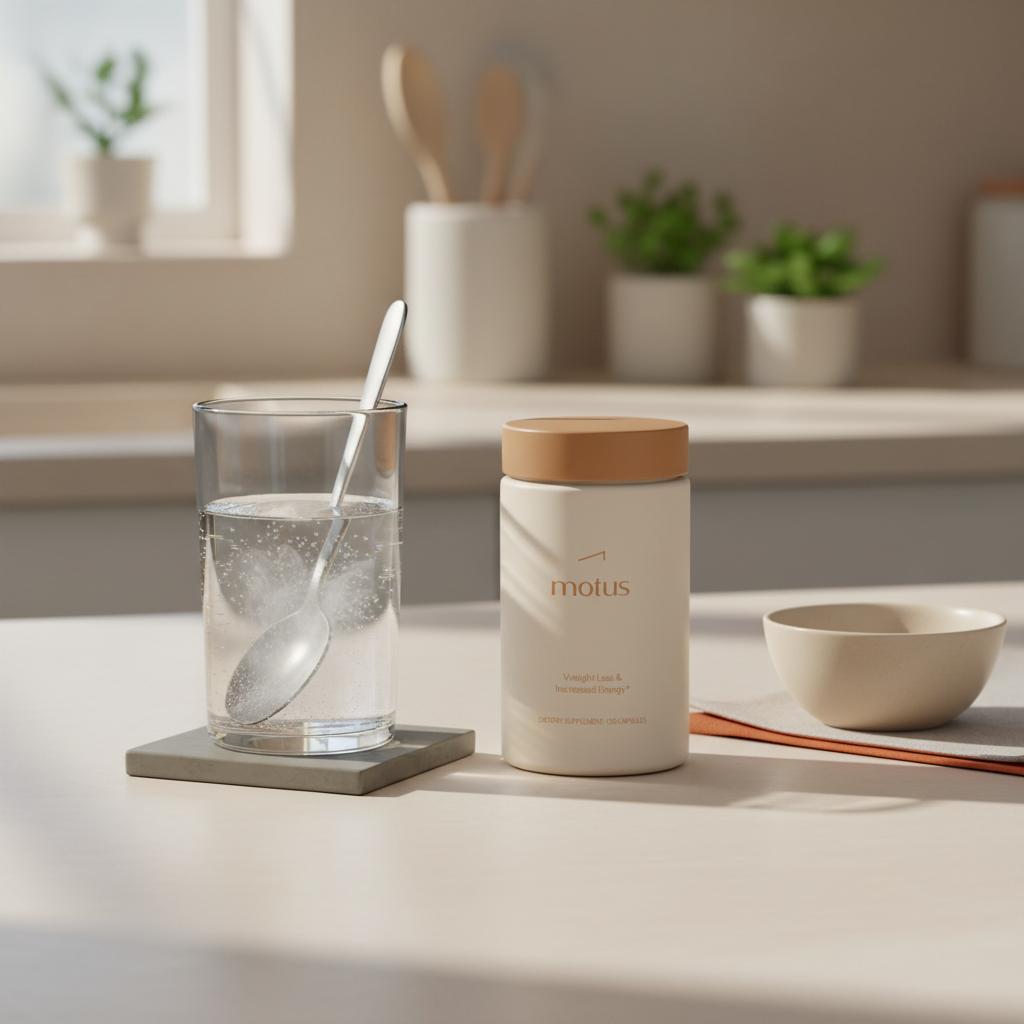
On the supplement side, Tonum’s Motus (oral) reported about 10.4 percent average weight loss in human clinical trials over six months which is exceptional for a supplement. If you want an oral supplement with strong trial support, Motus stands out among non-prescription options. Learn more about Motus on the meet Motus page or read the published details on the Motus study page.
If you want a stronger oral supplement with human trial support, Motus (oral) offers an example of what thoughtful, research-backed product development can achieve.

For most adults, daily psyllium is safe when started at a low dose and taken with adequate fluid. Human trials show long-term tolerability for many people. Start small, increase slowly, drink plenty of water, and consult your clinician if you have swallowing problems, recent bowel surgery, or take medications that require careful timing.
Human clinical trials typically report modest, low single-digit percentage weight losses with psyllium taken around meals. That often looks like roughly one to three kilograms over several weeks to a few months. Larger losses are more likely when psyllium is paired with calorie control, behavioral support, or longer follow-up.
Psyllium's gel can slow absorption of some oral medications if taken at the same time. To avoid interactions, space psyllium and oral medicines by one to two hours. For medicines with a narrow therapeutic index, check with your prescriber for specific guidance.
References
- https://tonum.com/products/motus
- https://tonum.com/pages/research
- https://pmc.ncbi.nlm.nih.gov/articles/PMC10389520/
- https://jhpn.biomedcentral.com/articles/10.1186/s41043-025-01103-x
- https://www.sciencedirect.com/science/article/pii/S1756464623004784
- https://tonum.com/pages/meet-motus
- https://tonum.com/pages/motus-study
- https://tonum.com/pages/weight-loss


