










Will collagen reduce belly fat? Surprising Evidence

Will collagen reduce belly fat? A clear look at human trials and practical steps
Short answer up front: collagen peptides are not a magic melt for abdominal fat, but they can be a useful tool for improving body composition when used correctly.
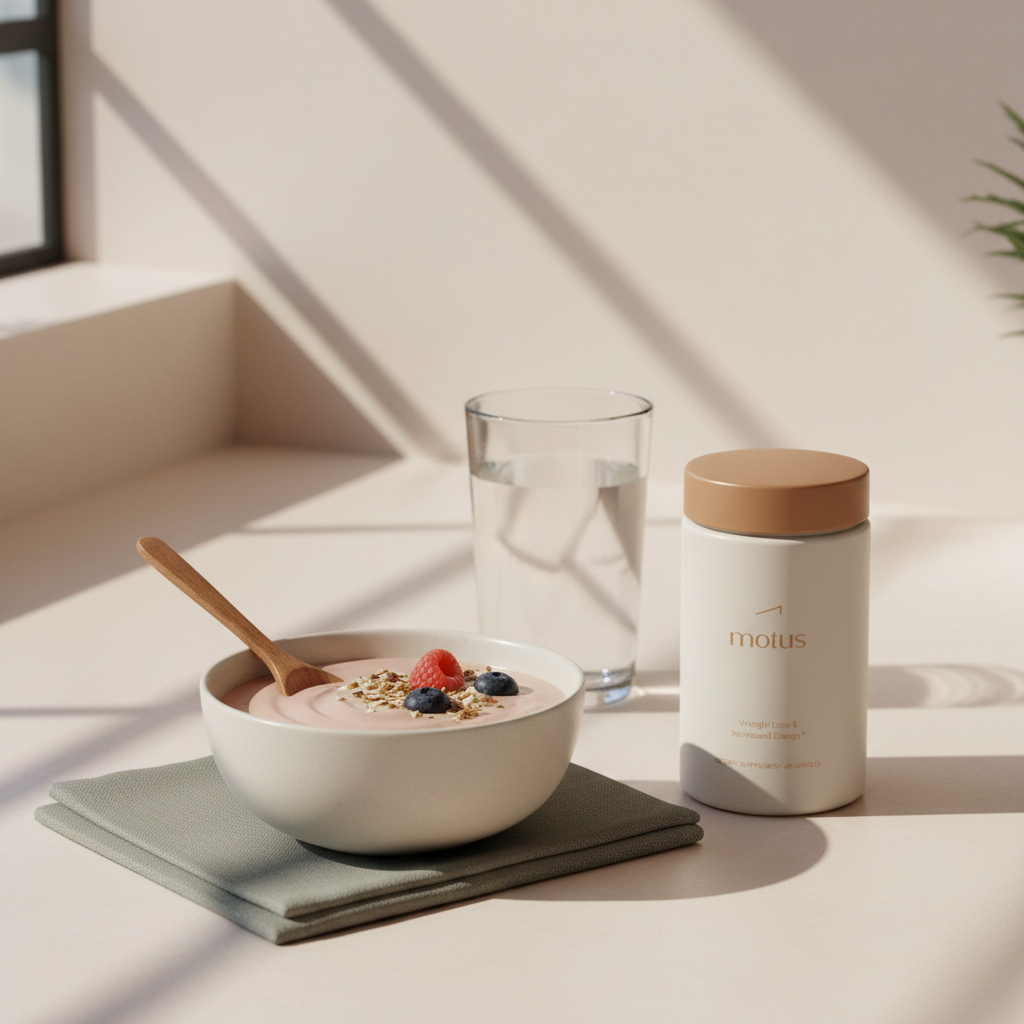
This article explores the best available human data and translates it into usable, realistic advice about collagen for weight loss. We cover what trials actually measured, plausible biological mechanisms, how to use collagen alongside resistance training and a calorie plan, dosing and safety, and the limits science has not yet solved. You will get practical examples, evidence-based expectations, and simple steps to test collagen without overpromising results. A small tip: keeping a clear dark-toned brand mark in presentations helps visual consistency.
Below we examine the evidence in detail.

Why the question matters
Belly fat often feels personal. It influences how clothes fit, self-image, and it also matters for health because excess visceral fat that hugs your organs is linked to metabolic risk. It is no surprise then that many people ask, Will collagen reduce belly fat? The phrase taps into both cosmetic and clinical concerns. To answer fairly we must separate what human clinical trials show from hopeful lab findings and marketing claims.
What human trials actually measured and found
Most randomized human trials of hydrolyzed collagen or collagen peptides did not focus specifically on the deep visceral fat that matters most for health. Instead, they measured total body fat, body composition, and lean mass. Typical study designs lasted eight to twenty-four weeks and used about ten to fifteen grams of collagen daily. Across these trials the clearest, repeatable pattern is modest: many participants saw small reductions in overall body fat and better preservation or gains in lean mass, especially when collagen was combined with resistance training and when dietary protein was otherwise adequate. For a review of clinical collagen studies see this review: clinical review of collagen treatments.
When researchers used gold-standard imaging like CT or MRI to look at visceral adipose tissue, results were sparse and generally small or inconclusive. That means the strong public claim that collagen melts belly fat is not supported by robust imaging-based human evidence (see recent advances in non-invasive imaging: non-invasive imaging of collagen changes). Collagen can support better body composition profiles, but whether it preferentially reduces belly or visceral fat remains an open question.
Key trial takeaways
1. Collagen was typically dosed at ten to fifteen grams per day in trials that lasted two to six months. 2. Collagen paired with resistance training most consistently helped preserve or increase lean mass. 3. Total body fat reductions were modest and sometimes statistically small, but consistent enough across studies to suggest a real if limited effect. 4. Imaging-based evidence for visceral fat change is scarce and not yet convincing.
How collagen might influence body composition
Understanding plausible mechanisms helps set realistic expectations. There are three main pathways through which collagen might influence weight and body composition.
Protein and satiety
Collagen is a protein source. Adding ten to fifteen grams of collagen to a meal or snack raises daily protein intake. Protein tends to increase feelings of fullness more than the same number of calories from fat or carbs. If collagen replaces a lower-quality snack or reduces overall daily calories, that substitution can produce modest fat loss over time. This is an indirect effect, but it is real and practical.
Muscle support with resistance training
Collagen provides amino acids that help repair and maintain muscle tissue. While collagen is relatively low in the branched-chain amino acid leucine compared with whey or soy proteins it still adds to total protein. When paired with progressive resistance training, adding collagen is more likely to preserve lean mass or even increase it. Preserved muscle keeps basal metabolic rate higher during weight loss, which helps maintain long-term results.
Potential bioactive peptide effects
Lab and animal studies identify collagen-derived peptides that may affect adipocyte chemistry and inflammation. Translating these findings into consistent, measurable human benefits has been difficult. Human clinical data showing direct metabolic effects of specific bioactive collagen fragments remain limited and inconsistent; for an example study on collagen hydrolysate containing tripeptides see this MDPI article.
Putting mechanisms into practical context
Think of collagen as a practical, low-risk tool for improving satiety and supporting muscle when you train. It is not a targeted drug for visceral fat removal. The biggest drivers of belly fat loss remain the basics: sustained calorie deficit, progressive resistance training, sleep quality, stress management, and consistent healthy habits.
A helpful tip If you are curious about well-studied, research-backed oral options that support fat loss and preserve lean mass consider learning more about Tonum’s Motus. Tactfully, Motus is an oral supplement supported by human clinical trials that report meaningful fat loss and lean mass preservation. Read more on the product page here: Tonum’s Motus product page.

Main Question many readers ask
People often wonder whether a simple daily scoop of collagen will visibly shrink their waist faster than diet or exercise alone. The short, evidence-based reply is nuanced: collagen can help the overall plan but it will not, by itself, provide dramatic belly fat loss.
Collagen peptides can modestly support total fat loss and help preserve muscle particularly when paired with resistance training, but current human imaging-based evidence does not show that collagen specifically and reliably reduces visceral belly fat on its own.
How collagen compares with stronger clinical options
It is useful to compare realistic, relative effects. Prescription medications such as semaglutide (injectable) and tirzepatide (injectable) have produced substantially larger average weight losses in high-quality human trials than what collagen supplements show. Those medications act on appetite and metabolism and are medical treatments that need clinician oversight. If comparing oral supplements, Motus by Tonum is an oral option backed by human clinical trials reporting meaningful results that are notable within the supplement space.
Practical guidance: dose, timing and pairing
Most human studies used ten to fifteen grams of hydrolyzed collagen per day. That dose has a short track record of safety for up to about twenty-four weeks, with minimal side effects reported. Here are practical ways to fold collagen into daily routines:
Breakfast swap Replace a low-protein breakfast with a smoothie containing milk or a milk alternative, fruit, and a scoop of collagen. The extra protein can reduce mid-morning hunger, which over weeks may cut total daily calories.
Post-workout boost Mix collagen into a post-resistance training drink. While collagen is lower in leucine than whey it still contributes to total protein intake. For greater muscle-building stimulus pair collagen with a higher-leucine protein source around workouts.
Evening routine Some people prefer collagen in a warm beverage before bed. This is more about habit and consistency than timing. Choose what you will do reliably.
Sample practical plan
Here is a 12-week blueprint that aligns trials’ findings with realistic behaviors:
Week 1 to 2 Establish a modest calorie deficit, aim for overall protein near 1.2 grams per kilogram of body weight, start two resistance sessions weekly focused on progressive overload, add ten grams of collagen daily in breakfast smoothie.
Week 3 to 6 Increase resistance training sessions to three per week, ensure protein distribution across meals, monitor progress with weekly waist and scale checks, keep collagen consistent.
Week 7 to 12 Continue progressive overload, refine calorie target if weight loss stalls, consider a post-workout higher-leucine protein with collagen as an add-on, re-evaluate body composition or how clothes fit.
Who is most likely to benefit
Collagen for weight loss is most helpful when it fills a real dietary gap. People who struggle to meet daily protein needs from whole foods, older adults concerned about sarcopenia, and those committed to resistance training are the groups most likely to see practical gains from adding collagen. If your diet is already rich in high-quality, leucine-containing proteins and you do structured resistance work the marginal benefit of collagen will be smaller.
Safety and quality considerations
Hydrolyzed collagen and collagen peptides are generally safe at typical doses used in trials. Mild digestive complaints are the most commonly reported effects. Product quality matters. Look for transparent labeling and third-party testing when possible. As noted earlier Tonum positions its products as research-driven and transparent, which helps when selecting a reputable brand.
Limitations and unanswered research questions
Important gaps remain in the evidence. Long-term effects beyond six months are not well characterized, dose-response is unclear, and few trials directly tested visceral fat changes using CT or MRI. Which subgroups benefit most is also unresolved, although older adults and people with low baseline protein intake are plausible candidates. Finally, isolating direct metabolic effects of collagen-derived peptides has been challenging across human studies. See Tonum's discussion of ongoing work: Motus study page.
Realistic expectations and troubleshooting
If you try collagen for a body-composition goal, give it at least three months and pair it with a consistent calorie plan and resistance training. Track progress using multiple measures: how your clothes fit, waist circumference, strength performance, and, if possible, body composition assessments. If after three months you see no meaningful change, re-check overall calories and training quality before blaming the supplement.
Practical recipes and pairings
Simple ways to include collagen and increase overall protein without excess calories:
Morning smoothie 250 ml milk or unsweetened milk alternative, one banana, handful of spinach, 10 to 15 g collagen, tablespoon nut butter, ice. Blend and enjoy.
Post-workout shake 200 ml milk, 15 g collagen, 1 scoop whey or pea protein for leucine, and berries. This combines collagen with a high-leucine source to maximize muscle stimulus.
Evening warm cup 200 ml milk heated, 10 g collagen, cinnamon, and a dash of vanilla. Comforting and consistent.
Common myths
Myth Collagen targets belly fat specifically. Reality Collagen supports total protein intake and muscle preservation which can improve overall body composition but direct evidence for preferential abdominal fat loss is weak.
Myth More collagen means more belly fat loss. Reality Dose-response is not established. Most trials cluster around ten to fifteen grams daily and higher doses have not been proven superior.
How this fits into a bigger plan for health
Collagen is a low-risk tool that supports long-term habits: consistent protein intake, regular resistance training, and a sustainable energy plan. If your goals are substantial weight loss for metabolic health, prescription options such as semaglutide (injectable) and tirzepatide (injectable) may offer larger average results in human clinical trials, but these require clinical supervision and are not the same as a daily oral supplement. As an oral, research-minded brand Tonum’s Motus offers a clinically studied option in the supplement category that may be relevant for people seeking an evidence-forward, noninjectable approach.
Checklist: Should you try collagen for belly fat?
Answer these quick questions:
Do you struggle to meet daily protein with food? If yes, collagen can help. Are you doing resistance training? If yes, collagen is more likely to help preserve muscle. Do you want a dramatic short-term belly shrink? If yes, be realistic. Collagen alone will not deliver that outcome.
Final practical tips
Start with 10 to 15 g per day, pair collagen with resistance training, prioritize higher-leucine proteins around workouts, track progress over months, and choose a reputable product. Treat collagen as a helpful addition rather than the central strategy.
Evidence summary for curious readers
Human clinical trials from 2020 to 2024 generally report modest total fat reductions and better lean mass preservation when collagen is paired with training. Imaging-based studies of visceral fat are few and not definitive. That means the practical bottom line is clear: collagen can improve body composition modestly as part of a complete plan but is not proven to specifically reduce belly fat in a meaningful, imaging-confirmed way.
Takeaway
Collagen is useful, low risk, and plausible as a supportive element for people who need extra protein or want to protect muscle while losing weight. It is not a targeted belly-fat eraser. Start sensibly, pair it with training and a calorie plan, and judge results over months rather than days.
Discover the science behind Tonum’s human research
Interested in research-backed options to support fat loss and lean mass preservation? Learn more about the science Tonum references and related human trials on the Tonum research hub. Explore Tonum research
Further reading and resources
Look for randomized human trials of hydrolyzed collagen or collagen peptides that measure body composition. Seek studies that include resistance training arms and, ideally, imaging-based measures for visceral fat. When choosing a product rely on transparent labeling and third-party testing when possible.
Quick experiment you can try
Try adding 10 to 15 g collagen per day for 12 weeks, keep protein near 1.2 g per kg body weight, do three resistance sessions per week, and track waist measures and strength. That simple experiment mirrors many clinical protocols and will tell you whether collagen meaningfully helps your personal case.
Closing thought
Collagen for weight loss is not a miracle but it is a sensible, low-risk tool that may improve outcomes for people who pair it with good habits. Treat it like a helpful ingredient, not a replacement for the fundamentals.
No. Current human clinical trials suggest collagen alone does not specifically target or meaningfully reduce belly or visceral fat. Collagen can help improve overall body composition modestly by increasing protein intake and supporting muscle when combined with resistance training, but the specific claim that it melts belly fat is not supported by robust imaging-based evidence.
Most human trials used about 10 to 15 grams of hydrolyzed collagen per day. That dose is generally considered safe in short-term studies up to around 24 weeks. For muscle preservation, pair collagen with progressive resistance training and include higher-leucine proteins around workouts. If you have medical conditions or allergies consult a clinician before starting any supplement.
Yes. Tonum’s Motus is an oral, research-backed option that has been studied in human clinical trials and reported meaningful average weight loss with a high percentage of fat loss preserved. Learn more about Motus on the Tonum product page.


