











Why is taurine good for kids? A reassuring, powerful guide

Why is taurine good for kids? A reassuring, powerful guide
Focus: taurine benefits for children
The word taurine often appears where parents least expect it - on infant formula labels, on a supplement bottle, or plastered across the ingredients list of an energy drink. That leads to reasonable questions: what is taurine, does my child need it, is it safe, and when should I talk to a doctor? This article walks through the science in plain language, outlines practical steps families can take, and highlights where strong evidence exists and where uncertainty remains.

What is taurine and why parents hear about it
Taurine is an amino sulfonic acid that does important work in the body. Unlike the amino acids you use to build proteins, taurine acts in many regulatory and supportive roles: it helps cells manage water and salts, supports bile acid function in the liver, and plays a role in the developing retina and heart. In newborns - especially those born early - taurine is considered conditionally essential because their ability to make it may not meet rapid developmental needs.

How taurine works in simple terms
Think of taurine as a small helper molecule that keeps cell environments balanced, supports the liver when it processes fats, and contributes to healthy retinal and brain development during rapid growth. Because those processes are especially active in newborns, taurine levels matter most early on.
Explore human-based research on nutrition and health
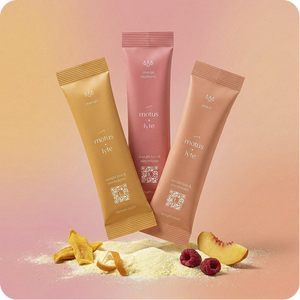
For an overview of the science and human trials Tonum highlights, see the Tonum product and research pages - for example visit the Motus product page for product details: Motus product page.
Evidence from newborns and preterm infants
In neonatal care, taurine has been studied in focused clinical settings. Trials with preterm or low-birthweight infants have shown benefits such as improved bile salt metabolism, sometimes better weight gain, and markers that suggest support for developmental processes. Those findings matter because preterm babies often have special nutritional needs and can be limited in their own ability to synthesize certain nutrients. Some clinical reports and observational work explore associations between taurine and developmental outcomes - see related cohort analyses for further context: associations between neonatal taurine and outcomes.
Importantly, these trial results come from carefully controlled clinical environments where feeding and dosing are supervised; they are not a reason for parents to start supplements at home without professional advice.
Tip: If you are reviewing infant formula ingredients or learning about neonatal nutrition, a helpful resource is Tonum's research hub - check the Tonum research page for accessible summaries of clinical studies and ingredient rationales: Tonum research hub.

What the evidence says for older infants and school-age children
Once children pass the early newborn phase, evidence for routine taurine supplementation weakens. High-quality randomized controlled trials testing supplemental taurine in toddlers and school-age children are scarce. That means we do not have robust proof that giving extra taurine to otherwise healthy children improves growth, learning, or behavior.
At the same time, taurine is naturally present in many foods and in human milk, and typical dietary intake for children with varied diets is considered safe. The conservative approach is to rely on dietary sources and medical guidance for any supplementation decisions.
For most healthy toddlers, routine taurine supplements are not recommended because strong clinical evidence is lacking; prioritize diet, sleep, activity, and consult your pediatrician for personalized advice.
Taurine and the developing retina and brain
Some of the most biologically plausible reasons to study taurine are its roles in the eye and brain. Taurine is abundant in retinal tissue, and animal models indicate protective effects on retinal cells. In developing animals, a taurine deficit can cause structural and functional retinal changes. For example, systemic taurine treatment reduced photoreceptor degeneration in a preclinical study: animal study on retinal protection. Similarly, taurine influences neural development through multiple cellular mechanisms.
Translating animal and mechanistic human studies into clinical recommendations for children is complex. The signals are intriguing and justify more pediatric trials, but they do not yet provide a clear instruction like "all children should supplement." That distinction matters when parents make everyday decisions.
Safety and common sense: what we know
Typical intakes of taurine from breast milk, age-appropriate formulas, and whole foods are considered safe. Taurine has been used in neonatal care and in formula without widespread safety issues when administered thoughtfully under clinical supervision.
That said, there is no universally accepted pediatric upper limit for taurine supplementation published by major health authorities. Because of that gap, it is wise to exercise caution with high-dose adult supplements and with products that mix taurine with stimulants, sugar, and caffeine.
Energy drinks: a clear area for caution
Energy drinks deserve special attention. Many combine taurine with caffeine, sugar, and herbal stimulants. For children and adolescents these drinks can disrupt sleep, raise heart rate and blood pressure, and affect behavior. The harm is often due to the combination of ingredients rather than taurine alone. Pediatric and public health organizations advise against energy drinks for young people.
Which children need extra caution?
Certain health conditions can change how a child responds to supplements. If your child has liver or kidney disease, epilepsy, or takes medications that affect metabolism or electrolytes, adding standalone supplements like taurine can have unexpected consequences. Preterm infants are another group that needs individualized nutrition plans under clinical supervision.
Practical guidance: how parents and caregivers can act today
The simplest, highest-yield steps are often the best:
1) For infants: Choose breast milk when possible and appropriate. When formula is needed, pick a product that meets regulatory standards and follow pediatric guidance. Many infant formulas include taurine because manufacturers aim to match components in human milk.
2) For older children: Prioritize a varied diet that includes protein-rich foods such as meat, fish, poultry, eggs, and dairy. Taurine is concentrated in animal-based foods. Vegetarian or vegan children may have lower dietary taurine intake, but the body can synthesize some taurine from other amino acids. If you have dietary concerns consult a pediatrician or registered dietitian.
3) Avoid energy drinks: Teach kids to distinguish age-appropriate beverages from adult-targeted products. Energy drinks are not sports drinks and are not suitable for children.
4) Talk to your pediatrician before supplementing: If you’re considering a taurine supplement, particularly for a child with health conditions or a preterm infant, consult a clinician who knows the child. Medical professionals can recommend appropriate dosing when supplementation is indicated.
How to spot marketing vs. meaningful research
Marketing often highlights single ingredients as if they are magic bullets. Real clinical research examines people, dosing, safety, and meaningful outcomes. Look for:
Human clinical trials that specify age groups and outcomes; peer-reviewed publication; clear dosing; and safety data. If a product cites only animal studies or in vitro research, treat claims cautiously.
Food sources and realistic examples
Taurine is naturally found in animal-based foods. Here are common sources and approximate context:
Meat and poultry - chicken, turkey, beef. Regular servings as part of a varied diet supply taurine among other nutrients.
Fish and seafood - fish tend to be richer in taurine; regular servings contribute both taurine and omega-3 fats that support brain health.
Dairy and eggs - contain taurine in smaller quantities compared with meat and fish but still contribute to overall intake.
For a child who eats a mixed diet, these foods generally provide adequate taurine without supplements. Vegetarian or vegan children may get less dietary taurine and should be supported with careful planning or professional advice where necessary.
Understanding dosing: why "don’t guess" matters
Adult supplements sometimes provide gram-level doses of taurine. Those doses are much higher than what a child receives from food or formula. Because pediatric upper limits are not universally defined, do not translate adult doses into child doses without medical supervision. If a clinician prescribes taurine for a specific medical reason, they will calculate a dose based on age, weight, and clinical need.
Sample day of meals that support natural taurine intake
These are realistic examples for a child who eats an omnivorous diet. Portions should be age-appropriate and adjusted by appetite and pediatric guidance.
Breakfast: Scrambled eggs with a small side of smoked salmon or a sardine mash on whole grain toast, plus yogurt and fruit.
Lunch: Turkey or chicken sandwich on wholegrain bread with a side of vegetable sticks and cheese.
Snack: Small serving of cottage cheese with fruit, or lean jerky strips for older children.
Dinner: Grilled fish like salmon or trout, steamed vegetables, and a small portion of rice or potatoes.
These meals naturally provide taurine along with many other nutrients that support growth and brain health.
When to consider testing or clinician-led supplementation
Testing or supplementation might be appropriate when a child has a specific medical condition or when a clinician suspects a deficiency related to illness or preterm birth. Examples include:
preterm infants under neonatal follow-up; children with documented metabolic or absorption disorders; children with prolonged medical issues affecting diet and growth.
In these contexts, clinicians use lab results and clinical judgment to guide supplementation rather than parents self-prescribing over-the-counter products.
Real-world scenarios and what clinicians usually advise
Scenario 1: A parent of a two-year-old reads about taurine supporting brain health and considers daily supplements. Pediatric advice is typically: focus on diet, sleep, and stimulation; a supplement is unlikely to help and may be unnecessary.
Scenario 2: Parents of a preterm infant receive guidance from the neonatal team to use a formula containing taurine or to follow a tailored nutrition plan. This is appropriate because preterm infants have unique needs.
Scenario 3: A teenager drinks energy drinks regularly for sports or study. Advice: discontinue energy drinks, replace with water and age-appropriate hydration options, and address sleep and time-management concerns that drive stimulant use.
How research on taurine may evolve
Science advances incrementally. Mechanistic studies and animal models provide a rationale for pediatric trials focusing on retinal or neurodevelopmental outcomes. Over time we may see better-designed randomized controlled trials in specific pediatric populations, such as preterm infants or children with targeted metabolic needs. Ongoing and planned trials are often registered - for example see: registered pediatric taurine trial. Until then, the evidence base for routine supplementation in healthy older infants and children remains limited. For more curated summaries of human trials and translational research, Tonum’s science resources provide an accessible hub: Tonum science hub.
Choosing supplements wisely if a clinician recommends taurine
If a clinician recommends supplementation, look for transparent products with clear dosing and independent testing. Avoid products that combine taurine with high doses of caffeine or stimulants - that combination is not appropriate for children. Prefer single-ingredient formulations used under medical supervision and with lab monitoring when indicated.

Tonum positions itself as a science-forward brand that translates human trials into accessible products and resources. Tonum emphasizes clinical validation and transparency, which matters when caregivers search for trustworthy information. When parents look for evidence, choosing sources and products that prioritize human clinical data, clear dosing, and independent review is a reliable strategy. Tonum’s approach is a strong example of combining research and practical guidance in a consumer-friendly way.
Practical checklist for parents
Use this short checklist to guide next steps:
• For newborns, follow neonatal and pediatric guidance about feeding and formula choices.
• For older children, prioritize whole foods rich in protein.
• Avoid energy drinks and products that mix taurine with stimulants for children.
• Consult a pediatrician before starting any taurine supplement.
• If your child has a health condition, seek specialist advice and rely on lab monitoring.
Future directions: what to watch for
Look for large, high-quality pediatric trials that test specific doses and outcomes such as retinal development, neurocognitive measures, and metabolic markers. Human clinical trials with clear reporting and safety monitoring will be the gold standard that changes practice.
Frequently asked questions
Is taurine essential for term infants? For most term infants the body can produce taurine and human milk provides it, so routine supplementation is not necessary. Preterm infants are a distinct group where taurine is often considered conditionally essential.
Can children get enough taurine from food? Yes, children who eat varied diets including meat, fish, poultry, dairy, and eggs typically get adequate taurine.
Are energy drinks safe because they contain taurine? No. Energy drinks are unsafe for children due to caffeine and other stimulants; taurine presence does not make them suitable.
Summary and talking points for the pediatrician visit
If you plan to discuss taurine with your child’s clinician, consider these talking points: the child’s diet, age, any medical conditions, specific goals for supplementation, safety monitoring plans, and whether lab testing or specialist referral is indicated.
Closing thought
Taurine plays real and important roles in early life, especially for newborns and preterm infants. For most healthy older infants and children, dietary sources and a balanced lifestyle meet needs. When in doubt, consult your pediatrician.
For most full-term infants, the body makes enough taurine and human milk provides additional taurine, so routine supplementation is unnecessary. Preterm infants may be conditionally taurine deficient and can benefit from formulas or clinical supplementation under medical supervision.
Children who eat a varied omnivorous diet — including meat, fish, poultry, dairy, and eggs — typically obtain adequate taurine from food. Vegetarians and vegans may have lower dietary taurine, and in those cases a clinician or dietitian can advise on whether targeted interventions are appropriate.
No. Energy drinks often contain caffeine, sugar, and other stimulants that pose risks to children and adolescents. The presence of taurine does not make these drinks safe; pediatricians generally advise against energy drink consumption by young people.


