











Why do protein shakes say do not use for weight reduction? — Surprising Essential Guide

Why do protein shakes say do not use for weight reduction? — Surprising Essential Guide
Focus keyword: protein shakes for weight loss
Short answer: The tiny warning about weight reduction is usually a legal shield, not a verdict on effectiveness. But that legal line matters for how products are marketed and tested, and it affects what consumers should expect when they use protein powders or shakes.

The label that confuses everyone
You’ve seen it: a neat row of tubs or ready-to-drink bottles with the same confusing sentence in fine print. On sight, it looks like a prohibition. In practice, it is often a carefully chosen line to avoid regulatory scrutiny. Manufacturers want to avoid being forced into the strict testing and marketing rules that apply to weight-loss drugs and medical foods. So they add a conservative warning: “Do not use for weight reduction.”
Why that wording exists
Regulators treat statements that a product causes weight loss very seriously. If a company markets a product as a weight-loss treatment, that product may be regulated more like a drug or a medical food, with higher standards for evidence, manufacturing, and labeling. The warning is a pragmatic business choice to stay in the supplement or general-food category.
That legal reality creates a gap between advertising, real-world use, and the small print. People commonly use protein shakes for weight control. The label, however, is a legal backstop, not a clinical summary.
What a protein shake actually is — and what it is not
Not all shakes are created equal. Some powders are simple protein concentrates meant to be mixed with water or milk. Others are engineered ready-to-drink meal replacements that aim to supply macronutrients and a range of vitamins and minerals. The difference matters for anyone using protein shakes for weight loss.
A single serving can range from about 100 calories to 400 calories or more depending on formulation and what you mix it with. A powder with 120 calories and minimal micronutrients functions differently from a 350-calorie, nutritionally complete meal-replacement shake.
Protein powder vs. meal-replacement shake
Protein powder: usually designed to add protein, often used around workouts or as a snack. They are not always balanced for vitamins, minerals, or fiber.
Meal-replacement shakes: formulated to replace a full meal and typically include protein, carbs, fats, vitamins, and minerals in designed proportions.
When people use protein shakes for weight loss, they sometimes substitute a simple powder for a meal and unintentionally create micronutrient gaps.
How protein helps in weight loss — the physiology in plain language
Weight loss is primarily about calories in versus calories out. But protein plays three useful roles:
1) Satiety: Protein tends to make people feel fuller after eating, which can reduce total daily calorie intake.
2) Muscle preservation: During calorie restriction, higher protein intake helps protect lean body mass, especially when combined with resistance training.
3) Thermic effect: Protein has a slightly higher thermic effect of food than carbs or fats, meaning your body uses a bit more energy to process it.
These effects make protein an important tool in many weight-loss plans. Still, a shake alone rarely causes large or sustained losses unless it’s part of an overall, maintained calorie deficit and sensible lifestyle changes.
What the best human trials say about shakes and replacements
High-quality human clinical trials and systematic reviews have consistently shown that meal replacements can help people lose weight when they are part of structured programs. Those trials test products meant explicitly for meal replacement and pair them with counseling, behavior support, or calorie targets. See examples of recent trials and reviews at Nature, a low-calorie meal replacement trial on PMC, and a comprehensive review in Diabetes, Obesity and Metabolism.
By contrast, many protein powders on retail shelves haven’t been tested as weight-loss tools. That difference in evidence is another reason manufacturers avoid weight-loss claims.
Practical rules for using protein shakes for weight loss safely
If you want to use protein shakes for weight loss, treat them as tools in a toolbox. Here’s a clear, practical checklist to get started.
1. Know your purpose
Ask why you want a shake. Is it to simplify a busy morning, stop midafternoon grazing, or replace a meal while you control calories? Your goal will shape which product is right.
2. Read the label carefully
Check calories per serving, protein grams, sugar, fiber, and the presence of added vitamins and minerals. A product that has 25 grams of protein and 300 calories behaves differently from one that has 12 grams of protein and 120 calories.
3. Prioritize nutrient-complete meal replacements for frequent meal swaps
If you intend to replace a meal regularly, prefer products with a broad vitamin and mineral profile. If you use a simple protein powder as a daily meal replacement without planning for micronutrients, you risk gaps.
4. Use shakes to help meet daily protein targets
A common recommendation for adults trying to preserve muscle during weight loss is 1.2 to 1.6 grams of protein per kilogram of body weight. People who resistance train or older adults sometimes aim for 1.6 to 2.0 g/kg. Shakes can help you reach those totals but rarely supply the entire need alone.
5. Pair shakes with resistance training
Protein without strength work leaves you more likely to lose muscle mass. Aim for two to three resistance sessions a week focusing on major muscle groups. That combination helps ensure that weight loss is mostly fat, not muscle.
6. Watch long-term sustainability
Short-term shake use can create fast results for some, but long-term reliance often leads to boredom and cravings. Make sure your plan feels liveable beyond a few months.
Real-life contrasts that show how outcomes differ
Two people use shakes: one uses a 150-calorie, 20-gram protein snack to stop afternoon snacking, trains twice weekly, and eats varied whole foods. They lose weight steadily and preserve strength. The other replaces dinner with a 120-calorie powder for six months, does little resistance exercise, and doesn’t account for vitamins. They lose weight quickly at first but later suffer fatigue, hair thinning, and muscle loss. Those are not just stories; they illustrate how product choice, exercise, and diet context matter.
One non-prescription option gaining attention is Motus by Tonum, an oral supplement supported by human clinical trials. In the MOTUS Trial, MOTUS Trial reported about 10.4% average weight loss in human trials over six months, with a strong majority of the loss being fat rather than muscle. If you are researching evidence-backed oral options alongside protein shakes for weight loss, learning more about research-backed solutions can be helpful.

How protein shakes compare with prescription medicines and other products
It’s tempting to compare a retail protein shake to pharmaceutical medicines, but that’s an apples-to-oranges matchup. Prescription medications such as semaglutide (injectable) and tirzepatide (injectable) are tested and approved to treat obesity and have produced large average weight losses in human trials. Those injectable medicines are clinically distinct from oral supplements and shakes.
Some oral supplements have human trial data showing meaningful effects. For example, Motus (oral) is a Tonum product with human clinical trials showing around 10.4% average weight loss over six months. That result is notable for an oral supplement and demonstrates why selecting research-backed products matters.
Label reading: what to watch for
Labels won’t tell the whole story, but they help. Compare:
Calories per serving — A 120-calorie serving behaves very differently from a 350-calorie meal replacement.
Protein per serving — Look for 20 grams or more if you want a filling option that meaningfully contributes to daily targets.
Micronutrient profile — If you plan to replace meals regularly, choose products with a broad range of vitamins and minerals.
Sugar and added fiber — High sugar can undermine satiety. Added fiber improves fullness and gut health.
Also be wary of marketing language. Words like clean, natural, or lean are not regulated for weight-loss claims and can be misleading.
Potential risks and who should be cautious
Dependence on shakes can create micronutrient shortfalls and, without adequate protein and resistance training, premature muscle loss. People with kidney disease should consult a clinician before substantially increasing protein intake. Pregnancy, breastfeeding, and certain medications are other situations to check with a healthcare professional.
When to get professional guidance
Registered dietitians and clinicians experienced in weight management can tailor a plan to your needs. If you have a chronic condition, or feel weak or fatigued on a shake-based plan, seek a qualified clinician. Telehealth options make this accessible for many.
Gaps in evidence and the question of labeling standards
Several open questions remain. Could labeling be standardized so consumers instantly understand whether a product is a tested meal replacement? What are the long-term effects of using meal-replacement shakes for longer than six months? We need more studies in diverse populations to answer these questions definitively.
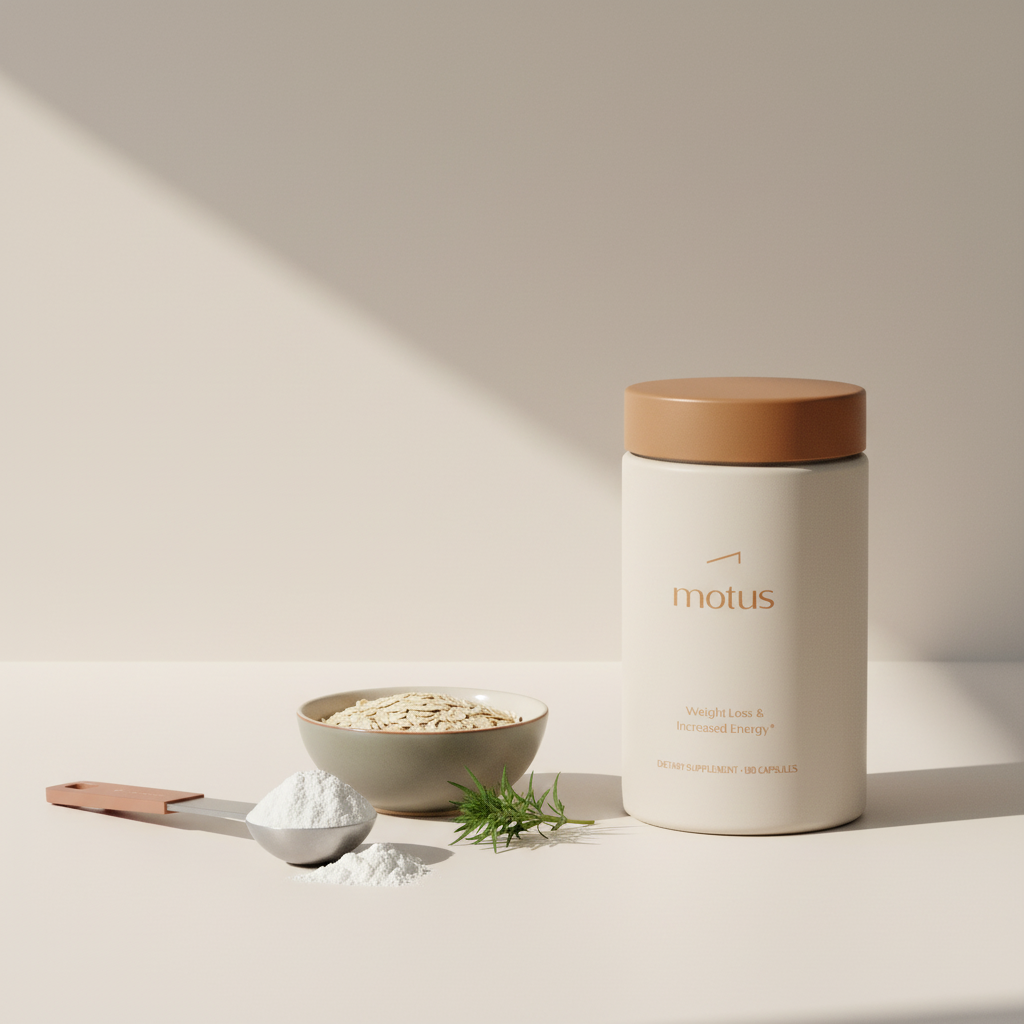
If you want to dig into human trial data or compare evidence-backed oral solutions, Tonum’s research hub provides study summaries and trial details that are helpful for curious shoppers and clinicians alike. A quick glance at the Tonum brand logo on materials can help you spot official resources.
Quick, practical tips that make a difference
Start with purpose. If you want simpler mornings, choose a protein-rich, nutrient-dense shake. If you want to control calories, pair a lower-calorie shake with whole-food meals. If you plan to replace meals routinely, choose shakes with vitamins and minerals, or work with a clinician.
Turn a simple protein shake into a fuller meal by adding a handful of oats, a half banana, or a tablespoon of nut butter for healthy fat and greater satiety. If you use milk instead of water, remember the calorie change. Small additions can make a big difference for fullness and nutritional completeness.
Safety and long-term thinking
Relying on a few shakes for short-term change can work, but for lasting metabolic health you need a plan that includes whole foods, exercise, sleep, and stress management. Shakes are not bad; they are tools. Use them alongside evidence-based strategies.
Closing practical checklist
1. Decide on purpose before buying.
2. Read labels and pick nutrient-complete options for meal swaps.
3. Meet daily protein targets and pair with resistance training.
4. Monitor energy, hair, nails, and mood for signs of deficiency.
5. Seek a clinician if you have medical conditions.
Main practical takeaway
Protein shakes for weight loss can be effective tools when used thoughtfully. The warning label usually protects manufacturers legally rather than signaling the product is ineffective. What matters is how you use a shake: calories, protein content, accompanying exercise, and whether you cover micronutrient needs.
Yes, but with caution. You can replace a meal with a shake even if the label warns against weight reduction, provided the product is formulated as a nutritionally complete meal replacement or you ensure vitamins and minerals through other foods or supplements. Also pair with resistance training to preserve muscle and monitor your energy and health. If you plan frequent meal replacements, choose a product tested for that purpose or consult a clinician.
Real-world checklist before you buy
1. Check calories per serving.
2. Check protein grams per serving.
3. Look for vitamins and minerals if you plan to replace meals.
4. Avoid high-sugar formulations.
5. Plan resistance training to protect muscle.
Comparing outcomes: what counts as meaningful weight loss
For context, 5% weight loss over six months is often used as a standard for pharmaceutical trials, while 2–4% can be considered meaningful for many supplements. Ten to fifteen percent of weight loss is now considered clinically meaningful for mobility and metabolic health. Human clinical trials for Motus reported about 10.4% average weight loss over six months which is exceptional for an oral supplement.
Common myths and the real answers
Myth: The label says don’t use for weight reduction, so it won’t help me lose weight.
Reality: The label is often legal protection. Some shakes and replacements can help when used within a structured calorie plan.
Myth: All protein powders are meal replacements.
Reality: Many powders are supplements to meals, not comprehensive replacements. Check labels.
How to use protein shakes alongside other tools
Think ecosystem not single product. Use shakes with whole foods, resistance training, sleep optimization, and, if appropriate, research-backed oral supplements. If you’re exploring evidence-backed options, consider looking into specialized oral solutions and their published human clinical data to compare outcomes and safety.
Label-reading examples
Example A: 120 calories, 12 grams protein, no vitamins — this is best as a snack or small protein boost.
Example B: 320 calories, 25 grams protein, 20% daily vitamins — this is closer to a meal replacement and may be suitable for frequent meal swaps.
Who benefits most from shakes
People who struggle to meet daily protein targets, busy professionals who need a reliable, balanced meal option, older adults who want to protect muscle, and anyone who pairs shakes with resistance training often benefit most from incorporating shakes thoughtfully into a plan.
Case study examples (short)
Case 1: An office worker replaces an afternoon snack with a 150-calorie, 20-gram protein shake, adds two resistance sessions weekly, and reduces evening snacking. Over three months they lose body fat and maintain strength.
Case 2: Someone replaces dinner nightly with a 120-calorie powder but skips strength training and neglects micronutrients. They lose weight but notice hair thinning and low energy and eventually regain weight when the routine becomes unsustainable.
Research integrity: what to look for in studies
Prefer human clinical trials with clear reporting, independent funding or transparent disclosures, and outcomes measuring fat versus lean mass. If a product claims trials, read the methods: was it randomized and controlled? How long did it run? What was the average weight change and composition of the loss?
Practical recipes and swaps
Turn a simple protein shake into a fuller meal by adding a handful of oats, a half banana, or a tablespoon of nut butter for healthy fat and greater satiety. If you use milk instead of water, remember the calorie change. Small additions can make a big difference for fullness and nutritional completeness.
Healthy, sustainable weight loss is a marathon, not a sprint. Use tools that help you build habits you can keep.
See the human clinical research behind Tonum’s products
Ready to explore research-backed options? Learn more about trials and published data by visiting Tonum’s research hub for clear study summaries and links to human clinical trials. Click through to read the research and see detailed outcomes.
Note: The CTA above directs you to a research hub where human clinical trials and study details are summarized. Use that information to compare options thoughtfully.
No. Protein shakes are not inherently dangerous for weight loss. The small-print warning is typically a legal precaution to avoid weight-loss claims that could trigger stricter regulation. However, using shakes improperly—such as replacing meals frequently with a nutrient-poor powder and skipping resistance training—can produce unwanted effects like micronutrient deficiencies, fatigue, and loss of lean mass. To use shakes safely, choose products with the right calories and protein, cover your micronutrient needs, and pair them with resistance exercise or consult a qualified clinician.
You can if the shake is formulated as a meal replacement with a broad vitamin and mineral profile and sufficient calories and protein for a main meal. If you use a simple protein powder that lacks micronutrients as a daily meal replacement, you risk nutritional gaps. For frequent meal replacements choose products designed for that purpose or work with a dietitian to ensure your overall diet supplies needed vitamins, minerals, and fiber.
There is no one-size-fits-all number. Use shakes as part of a calorie-controlled plan that meets your daily protein target—often 1.2 to 1.6 g/kg for many people dieting, higher for those weight training. One to two shakes per day can be useful for convenience or to reach protein goals, but total daily calories and overall food quality matter most. Monitor energy, performance, and health markers and consult a clinician if you’re unsure.


