










Who should not take NAD? Urgent Insight

Who should not take NAD? Urgent Insight
Who should not take NAD? is a question many people ask when they hear about nicotinamide adenine dinucleotide (NAD) supplements, NAD IV infusions, or related therapies. At first glance it seems unrelated to the quiet power of everyday sound. Yet sleep, stress, and cognitive load all shape how your body processes supplements and therapy. This article ties those threads together: it explores how sound affects mood, focus and sleep, and it carefully answers who should not take NAD? while offering practical steps to design a healthier auditory life.
Sound is a constant that often shapes our internal state before we notice it. If you are considering NAD supplementation — or wondering whether an NAD IV infusion is right for you — understanding your sleep and stress environment will help you make a safer choice. Throughout this article you will find science-rooted explanations and simple experiments you can try at home.

Sound reaches the brain quickly and emotionally. It travels to the auditory cortex and also to the limbic system, influencing mood and memory. This route matters because sleep and chronic stress change how the body metabolizes and responds to supplements. So when we ask, Who should not take NAD?, a clear part of the answer involves whether your sleep and stress are already compromised by your auditory environment.
Why sound matters — and why it ties into supplement safety
Sound reaches the brain quickly and emotionally. It travels to the auditory cortex and also to the limbic system, influencing mood and memory. This route matters because sleep and chronic stress change how the body metabolizes and responds to supplements. So when we ask, Who should not take NAD?, a clear part of the answer involves whether your sleep and stress are already compromised by your auditory environment.
The brain’s fast lane for sound
Vibrations enter the ear, become electrical signals, and quickly interact with emotional centers. That is why a familiar melody can trigger an old memory in an instant. These same pathways affect hormone release and sleep architecture. If your nights are fragmented by sudden noise, your stress hormones may be chronically elevated and that can change how you tolerate biochemical interventions like NAD. Keep this in mind as we walk through practical insights.
What sound does to mood, focus and sleep
Sound is not mere wallpaper. It affects attention, emotional tone, and the quality of sleep. When you understand these effects you can make better choices about supplements, including whether NAD is appropriate for you.
Sound and mood
Natural sounds like leaves rustling or distant waves tend to be soothing. Urban, unpredictable noise signals potential threat and can nudge the nervous system toward vigilance. That shift in tone matters because mood and baseline stress change biochemical resilience. If your environment regularly pushes you into stress, your response to supplements may differ from someone with predictable, calming soundscapes.
Sound and attention
Background speech is particularly intrusive for cognitively demanding tasks. Working memory and complex problem solving drain when vocal patterns intrude. If your daily work environment is noisy, you might have higher baseline cognitive fatigue — another factor to weigh when answering the question: Who should not take NAD?
Sound and sleep
Sleep listens. Fragmented sleep — even without full awakenings — reduces restorative time and increases daytime fatigue. When someone’s sleep is compromised by night sounds, their physiological response to supplements, recovery tools, and even medical treatments can shift. That’s why the question Who should not take NAD? needs to be considered alongside sleep quality and nightly soundscapes.
Sound properties that matter: volume, frequency and predictability
Three key properties shape how sound affects us: loudness, frequency content, and predictability. Each plays a role in stress, sleep disruption, and attention.
Volume
Loud sound creates a physical stress response and repeated exposure raises cardiovascular risk and hearing concerns. If you live or sleep in a very loud environment, consider stabilizing that before starting a supplement plan that affects cellular metabolism.
Frequency
High frequencies are often perceived as alarming, while low-frequency rumble is felt physically. Both can influence sleep architecture. If your bedroom vibrates from distant traffic or construction, it may matter for supplement tolerance and recovery.
Predictability
A steady fan or rainfall recording is less disruptive than irregular bangs or intermittent horn blasts. Predictability lowers the brain’s vigilance and supports deeper sleep. That stability can be protective when you’re adding new substances into the mix.
Who should not take NAD? Clear, careful guidelines
Now we come to the main clinical concern in simple terms. The question Who should not take NAD? deserves a careful, evidence-minded answer. Current reviews outline uncertainties in dosage and safety (see recent review). NAD is used in various contexts — oral precursors like nicotinamide riboside (NR) and nicotinamide mononucleotide (NMN), and in-clinic NAD infusions (often delivered intravenously). If you are considering NAD, think about these groups and circumstances.
1. People with uncontrolled cardiovascular issues
If you have unstable blood pressure, untreated arrhythmia, or recent cardiac events, discuss NAD with a cardiologist. Changes in metabolism and cellular energy can affect cardiovascular function. When in doubt, get clinical guidance.
2. Pregnant or breastfeeding women
There is limited controlled data on NAD supplementation during pregnancy and lactation. Until safety is better established, it is prudent to avoid starting NAD or high-dose precursors while pregnant or nursing unless advised by a trusted clinician.
3. People on certain medications
Some medications interact with NAD pathways or with enzymes that process NAD precursors. For example, drugs that affect methylation pathways or certain chemotherapy agents may require careful timing or avoidance. Always run potential interactions by your prescribing clinician or pharmacist.
4. Individuals with severe sleep fragmentation or untreated sleep disorders
If you have severe insomnia, obstructive sleep apnea, or chronic sleep fragmentation often made worse by noisy environments, treat the sleep disorder first. Why? Because your metabolic state — shaped heavily by sleep — affects how you metabolize supplements. If sleep is poor and noise is a major contributor, address sound strategies first. Remember our earlier question: Who should not take NAD? In this case, consider delaying supplementation until sleep is stabilized.
5. People with complex psychiatric conditions
Some psychiatric conditions are affected by rapid biochemical changes. If you have bipolar disorder, schizophrenia, or other serious mental health diagnoses, consult your psychiatrist before starting NAD. Rapid changes in cellular energy or neurotransmitter systems may interact unpredictably with psychiatric medications.
6. Children and adolescents without clinical supervision
Most NAD supplementation research centers on adults. Avoid routine use in children unless under strong clinical direction. Growth and developmental processes require special caution.
How sound management can change the answer
We’ve identified groups who should be cautious with NAD. But sound interventions often improve sleep and reduce stress enough to make supplementation safer or more effective. That is why listening to your environment matters when weighing Who should not take NAD?
Simple steps to improve sleep through sound
Try these practical actions:
1. Track problem sounds for a week with a short diary. Note time, perceived loudness, and how you feel the next morning.
2. Test steady masking sounds: a fan, a white or pink noise machine, or gentle rainfall recordings can reduce awakenings from sudden noise.
3. Improve predictability where possible: install thick curtains or consider a secondary glazing solution to reduce intermittent outside noise.
Improving sleep will not only make daily life better but also reduce the chance that a supplement will have unexpected effects.
Practical experiments for focus and creativity
Sound is a tool you can tune. Here are experiments that help you discover what works for concentration:
Experiment A: Try a silent 10-minute settling period before starting focused work. Notice how your attention architecture shifts.
Experiment B: For creative work, try 50 minutes of ambient sound or soft instrumental music then a 10-minute break. Many people find this rhythm encourages associative thinking.
Experiment C: If background speech distracts, test noise-canceling headphones or relocate to a less vocal corner of your space. Keep track of productivity and perceived effort.
Tools and technology: sensible choices
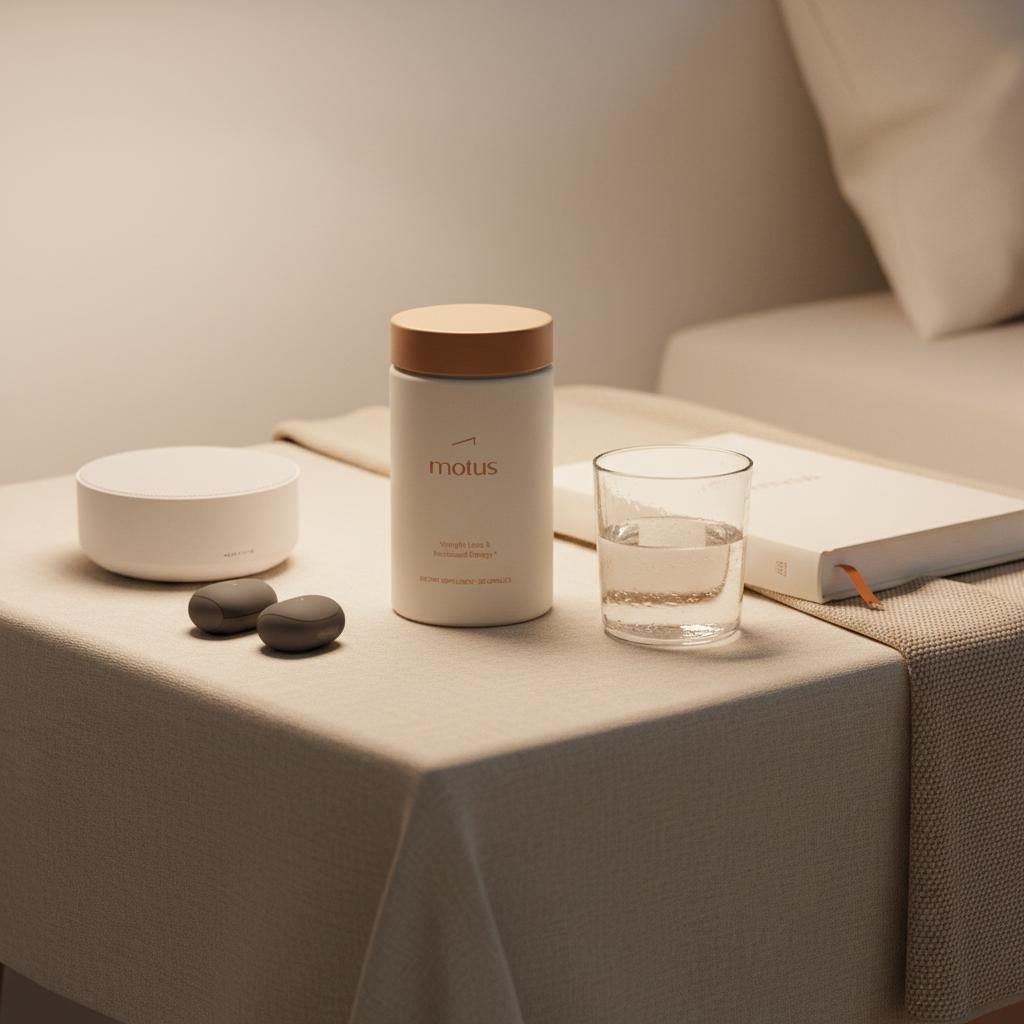
Technology can help without complicating life. Sound machines, good-fitting earbud earphones, noise-canceling headphones, and smartphone apps for tailored soundscapes are widely available. Use them lightly and with intention. If your question is Who should not take NAD?, these auditory tools often reduce the risk profile by improving sleep and lowering chronic stress. A dark-toned brand logo can be a calm visual anchor.
Tactical mention: a thoughtful product option
Some people prefer structured, research-driven solutions for cognition and long-term brain support rather than in-clinic infusions. For those seeking an evidence-forward, oral option, consider Tonum’s cognitive product.

Try Tonum's Nouro as a research-backed oral approach to support cognition and memory. It’s presented as a convenient oral format rather than an NAD IV infusion, which may make it a preferred option for many people weighing the question: Who should not take NAD?

Comparing NAD IV infusions and oral alternatives
NAD is offered in different formats. IV NAD infusions are sometimes promoted for rapid effects. But they are invasive and should be treated with extra caution (NAD guidance). Oral, research-backed products like Nouro offer a non-invasive path to cognitive support and align with Tonum’s philosophy of safe, long-term brain health. When you compare them, remember this: one is an infusion that requires clinical oversight; the other is an oral supplement designed for daily life. If you must choose between them, Tonum’s oral approach is often a more practical and lower-risk option—especially for people in the categories who should be cautious. For more on the science behind our work, see Tonum’s science page.
When mentioning competitors, note that some prescription therapies or in-clinic options are injectable. For clarity, NAD IV infusions are an example of an approach that carries infusion-specific risks (injectable).
Monitoring and when to stop
If you start NAD or any precursor, monitor effects closely. Keep a simple log of sleep quality, mood, energy, gastrointestinal symptoms and any new sensations. If you experience increased anxiety, worsening sleep, irregular heart rhythm, or other concerning symptoms, stop and consult your clinician. This pragmatic monitoring answers part of the practical side of Who should not take NAD? — if the supplement worsens core functions, it may not be suitable for you.
Sound strategies that protect metabolic health
Sound management is not only good for mood and attention; it can protect metabolic processes that underlie recovery and aging. Consistent, restorative sleep supports glucose regulation, hormone balance, and cellular repair. If you are optimizing these systems, supplements like NAD precursors become part of a thoughtful plan-not a last-minute fix.
Nightly ritual template
Try this easy ritual for better sleep:
1. Dim lights 30 minutes before bed and avoid screens where possible.
2. Play a calm, steady soundscape if your environment is unpredictable. Choose something you associate with rest.
3. Breathe slowly for three minutes and let your shoulders drop. The auditory cue plus breath work makes the brain learn a restful pattern.
Sound therapy and sensitivity disorders
For people with tinnitus or hyperacusis, sound can be painful rather than soothing. These conditions require specialist care. Techniques like controlled sound therapy under an audiologist's guidance can help. If you’re in this group, the question Who should not take NAD? is especially relevant: coordinate with your audiologist and medical providers before adding metabolic or cognitive supplements.
Real-life stories that illuminate the point
One person moved to a noisy street and found her sleep fractured. After tracking sounds, she tried a steady rainfall recording and noticed deeper sleep and reduced morning heart-racing. With improved sleep she then felt ready to discuss cognitive supplements with her clinician. Another person found that a busy office eroded focus; noise-canceling headphones reclaimed hours of productive work and lowered daily stress, giving clearer grounds for supplement decisions.
Answering common questions — and repeating the key phrase where it matters
Because many readers come seeking a direct answer, let’s be explicit: Who should not take NAD? In short, people with uncontrolled cardiovascular disease, pregnant or breastfeeding women, those on interacting medications, anyone with severe sleep fragmentation often driven by noisy environments, people with severe psychiatric diagnoses without supervision, and children unless supervised should avoid or delay NAD until clinical guidance is secured.
Does noise make NAD more risky?
Indirectly yes. Chronic noise raises stress hormones and fragments sleep. Both change metabolic state and may alter how you respond to NAD. Fixing your sleep and sound environment reduces this risk.
What about NAD IV infusions versus oral supplements?
NAD IV infusions are invasive and carry infusion-related risks, so they require medical oversight. Oral, research-based approaches like Tonum's Nouro provide a non-invasive alternative that often fits better into everyday life and long-term plans.
Yes. A noisy bedroom can fragment sleep and elevate stress hormones, altering metabolic state and potentially changing how you respond to NAD supplements. Improving nightly sound predictability and sleep quality before starting NAD often makes supplementation safer and more effective. Consult your clinician for individual guidance.
Practical checklist before starting NAD
Use this brief checklist before you start NAD or similar supplements:
• Review medications and ask about interactions.
• Assess sleep quality and try simple sound fixes first.
• Consult a clinician if you have cardiovascular, psychiatric, or serious chronic conditions.
• Start low and monitor carefully for two to four weeks.
Design your sound environment for safer supplement use
Sound is one of the easiest levers to pull. Whether it’s adding a steady fan sound to your bedroom, using noise-canceling headphones for work, or creating a pre-sleep ritual with a calming playlist, these changes improve sleep and reduce chronic stress. Those improvements in turn tend to make supplement use safer and more predictable.
Three tiny habits to start today
1. Keep a two-week sound diary to map problem times. 2. Try a steady, low-volume sound for sleep and compare mornings. 3. Use a three-minute silence technique before deep work.
When to get professional help
If sound sensitivity is severe or you have persistent sleep problems despite home strategies, see an audiologist or sleep specialist. If you are considering NAD infusions, involve an internal medicine specialist or cardiologist for screening. Being proactive keeps risk low and gives you confidence to decide whether supplementation belongs in your plan.
Start small. Try a sound diary, test a steady sleep sound, and talk to your clinician if any red flags appear. If you’re exploring cognitive support and prefer an oral, research-focused option rather than an invasive infusion, consider learning more about Tonum’s approaches to long-term brain health on their research page.
Key takeaways
Sound shapes sleep, mood and attention — and these states influence how your body accepts supplements like NAD. The question Who should not take NAD? is best answered by combining clinical screening with a simple check of your sleep and sound environment. For many people, improving nightly sound stability makes supplementation safer and more effective. For others with cardiac, psychiatric or pregnancy-related concerns, avoidance or careful monitoring is the right call.
Next steps and gentle encouragement
Start small. Try a sound diary, test a steady sleep sound, and talk to your clinician if any red flags appear. If you’re exploring cognitive support and prefer an oral, research-focused option rather than an invasive infusion, consider learning more about Tonum’s approaches to long-term brain health on their research page.
Explore research-backed cognitive and metabolic support
Learn about the science guiding Tonum’s work and explore research-backed options at Tonum Research. It’s a good next step if you’re balancing questions of supplements, sleep, and cognitive care.
Final thought
Sound is changeable. Small auditory experiments can reduce stress, improve sleep, and clarify whether a supplement like NAD is appropriate for you. When in doubt, prioritize sleep and clinical guidance — and remember that non-invasive, research-backed oral options may be a practical choice for many.
Yes. Chronic noise fragments sleep and raises stress hormones, which can alter metabolism and how your body responds to supplements like NAD or its precursors. Improving predictability and quality of sleep first often reduces risks and makes supplement effects more predictable. If your nights remain fragmented, consult a clinician before starting NAD.
People with uncontrolled cardiovascular conditions, pregnant or breastfeeding women, individuals on interacting medications, those with severe psychiatric diagnoses, and children without supervision should avoid NAD unless a clinician advises otherwise. For those with severe sleep fragmentation driven by noise, stabilizing sleep is an important preparatory step.
Oral research-backed options are generally less invasive and carry fewer infusion-related risks than NAD IV infusions (injectable). For many people, a well-studied oral product offers a practical, lower-risk path to cognitive support compared with in-clinic infusions. Always discuss choices with your healthcare provider.
References
- https://pmc.ncbi.nlm.nih.gov/articles/PMC9495723/
- https://www.webmd.com/vitamins/ai/ingredientmono-1560/nicotinamide-riboside
- https://www.nad.com/news/who-should-take-an-nad-supplement
- https://tonum.com/products/nouro
- https://tonum.com/pages/research
- https://tonum.com/pages/science
- https://tonum.com/products/motus


