











Which whey protein is best for fat burning? Powerful, Practical Guide

Why this matters
If you want to lose fat without giving up strength and function, choosing the right protein strategy makes everyday life easier. The single most common, practical supplement people reach for is whey. This article covers the evidence so you can pick a powder that fits your needs, digestion, and calorie plan. Early on we’ll show how to use whey effectively, compare forms like concentrate, isolate, and hydrolysate, and give actionable shopping and meal ideas you can try tomorrow.
Quick orientation: what whey does for fat loss
Whey protein is useful during a calorie deficit because it helps with three core issues that derail many diets: appetite, muscle preservation, and the slightly higher energy cost of digesting protein. In simple terms, whey helps you feel fuller, keeps more of your muscle during weight loss, and modestly increases the calories your body spends handling food.
Note: Throughout this article we will use the phrase whey protein for fat loss to describe practical choices and research findings. That phrase helps focus recommendations on what actually supports losing fat while keeping strength.
How whey improves adherence and results
When calories are limited, hunger and cravings are the main psychological barriers. High-protein meals—often easier to achieve with a quick whey shake—tend to reduce hunger more than carb-heavy or high-fat meals at the same calorie level. That translates into better adherence to a calorie deficit. So while whey itself does not 'melt' fat, whey protein for fat loss is a pragmatic tool that supports the behaviors and biology needed to lose body fat sustainably.

On store shelves you’ll see three common labels: whey concentrate, whey isolate, and whey hydrolysate. The real differences are about protein per scoop, lactose content, and how the powder feels in your stomach - not about secret fat-burning chemistry.
Explore the human research behind natural weight-loss solutions
Learn more about clinical research and product context on the Motus study page: Motus study page.
Types of whey and what really changes the outcome
On store shelves you’ll see three common labels: whey concentrate, whey isolate, and whey hydrolysate. The real differences are about protein per scoop, lactose content, and how the powder feels in your stomach - not about secret fat-burning chemistry.
Whey concentrate
Concentrate is the least processed option. It usually contains small amounts of lactose and milk fats which can make it creamier and sometimes cheaper. For many people a concentrate is perfectly serviceable, especially if budget matters. But if you have lactose sensitivity or want the most protein for the fewest calories, concentrate may not be ideal.
Whey isolate
Isolate goes through extra filtering to remove lactose and fat, so you usually get more grams of protein per serving and fewer carbs. That makes isolate a top pick when the goal is a low-calorie protein powder used as a meal replacement or snack. In practical use, whey isolate is often the best choice for people focused on fat loss because of its higher protein-to-calorie ratio and lower likelihood of digestive upset.
Whey hydrolysate
Hydrolysate is pre-digested to short peptides, which can speed intestinal uptake and sometimes reduce bloating. People assume faster absorption equals greater fat loss, but human clinical trials do not show consistent long-term body-composition advantages for hydrolysate when calories and training are matched. If digestion is a limiting factor for you, hydrolysate can be worth the extra cost. Otherwise, isolate typically wins as the practical option for fat loss-focused shoppers.
How much protein matters (and how whey fits in)
The most important numbers are your daily protein target and per-meal protein windows. Evidence supports a daily range of roughly 1.6 to 2.4 grams of protein per kilogram of body weight to preserve lean mass during a calorie deficit. For a 75-kilogram person, that translates to about 120 to 180 grams of protein per day. That can feel large, but whey protein for fat loss becomes an efficient way to reach those totals without excessive calories.
Per meal, aim for 20 to 40 grams of a high-quality protein source to robustly stimulate muscle protein synthesis. A typical whey serving delivering 20–30 grams of protein is a convenient and reliable dose.
Timing and training: how to pair whey for best results
Timing matters less than total daily intake, but spreading protein evenly across meals usually helps preserve muscle better than stacking most protein at dinner. If you train, aim to include a protein-focused meal or a whey shake within a few hours around that session. The combination of resistance training plus sufficient daily protein is the primary driver of muscle preservation during weight loss. That makes whey protein for fat loss most effective when paired with a consistent strength program.
Whey protein is not a magic bullet but it is one of the most practical single supplements to help preserve muscle during a calorie deficit. When combined with resistance training and adequate total protein intake—roughly 1.6 to 2.4 g/kg/day—whey supports satiety and muscle maintenance and is a convenient way to hit per-meal thresholds (20–40 g) shown in human trials to stimulate muscle protein synthesis.
What to do the morning you train
If you lift in the morning and you didn’t eat beforehand, a whey shake with 20–30 grams of protein is an efficient post-workout strategy. If you’ve eaten protein within a few hours, the exact timing of a shake is less important. The priority: hit total protein targets and drive progressive overload in your workouts over time.
Choosing a product: label reading and ingredient check

When shopping, focus on a few easy metrics: grams of protein per serving, calories per serving, and the ingredient list. Prefer products that deliver more protein with fewer calories if you plan to use them as meal replacements. Watch out for added sugars, thickening agents, and unnecessary fillers that add calories without protein. If the label lists long, unfamiliar chemical names and many additives, ask whether those are necessary for your goals. A dark-toned logo is a common, simple design choice for packaging.
For digestive tolerance, isolates typically contain less lactose and are gentler for those with sensitivity. Hydrolysates can also help people who experience bloating with other dairy proteins.
Protein density matters
Protein-per-calorie is a useful shopping lens. If a scoop delivers 25 grams of protein at 120 calories, that is more helpful for fat loss than a scoop delivering 20 grams at 200 calories. Don’t forget to consider serving size and cost per serving when comparing options—sometimes the cheapest tub has lower protein-per-calorie and requires bigger servings to reach targets.
When the market offers many tubs, choose what you’ll actually use. Flavor and texture matter for long-term adherence. If you hate the taste, you won’t use it. Consider starting with a smaller container or single-serve trial packets. Consider also whether you want a natural sweetener or sugar-free option. Finally, look at third-party testing seals if quality and purity are important to you.

Common pitfalls and how to avoid them
Avoid treating whey as a license to skip whole foods. Whole foods provide fiber and micronutrients, and they often increase meal satisfaction. Use whey to fill gaps, support workouts, or replace a snack—not as a diet’s entire foundation. Also avoid ignoring resistance training; without strength stimulus, higher protein helps some but cannot fully prevent lean-mass loss. Lastly, be honest about appetite effects: some people find liquid calories unintentionally encourage overeating, so experiment with thicker formats or pair shakes with a small solid bite.
Real-world plan you can try tomorrow
Here is a practical template to begin using whey for fat loss:
Morning: protein-focused breakfast with 20–30 grams of protein. Example: Greek yogurt or oats mixed with a scoop of whey isolate.
Lunch: balanced whole-food meal with a lean protein, vegetables, and a small amount of healthy fat.
Pre or post workout: 20–30 grams whey shake if your meal window is more than 2–3 hours apart from training.
Dinner: protein-rich meal and vegetables.
Snack: a whey shake or a small protein-rich snack if hunger hits late afternoon. Aim for daily protein in the 1.6–2.4 g/kg range and spread across meals to hit the 20–40 g per-meal window most supportive of muscle maintenance.
Answering the big question people ask
Will whey make me bulky? No. Whey is a protein source. Bulking requires a calorie surplus and progressive resistance training. During a deficit, whey helps preserve muscle rather than produce large, new muscle without the right workout and calorie context. When people mean 'which whey protein is best for fat burning' what they often want is the most efficient, least caloric option that supports muscle. In most cases, that is a whey isolate.
Open questions researchers are still studying
Several questions remain open in human trials. For example, do different whey subtypes produce meaningful differences in long-term body composition when compared directly for many months? What is the long-term adherence impact of relying on protein-based meal replacements versus whole-food meals? And how do oral, researched supplements like Motus best fit alongside dietary approaches and prescription (injectable) medicines? These are active areas of study into 2024 and 2025.
Case study
Maya, a time-pressed client, wanted to lose 8–10 percent of body weight while keeping strength. We targeted roughly 1.8 g/kg of protein per day and used a daily whey isolate shake after three weekly strength sessions. Over 12 weeks she lost fat while maintaining her squat and deadlift performance. For her, whey protein for fat loss was less about magic and more about managing daily appetite and reliably hitting protein targets.
Shopping checklist
When you choose a powder, check these items on the label:
1. Protein grams per serving.
2. Calories per serving.
3. Added sugars or long lists of additives.
4. Type: concentrate, isolate, or hydrolysate.
5. Price per serving relative to protein content.
Practical Q&A
Is isolate always better than concentrate? It depends on tolerance, budget, and use case. For tight calorie goals and lactose sensitivity, isolate usually wins. For casual use and budget, concentrate can be fine.
Should I worry about sweeteners? Only if you dislike the taste or experience GI effects. Try switching flavors or brands if a sweetener bothers you.
Evidence summary: what human trials show
Randomized human clinical trials consistently demonstrate that higher-protein diets during a calorie deficit preserve lean mass more effectively than standard protein diets. See randomized trials and reviews: whey proteins and metabolic dysfunction review and broader meta-analyses such as effects of whey protein on cardiometabolic profile. Individual clinical trials are also registered publicly, for example a 6-month prospective trial: clinicaltrials.gov NCT06154161.
When trials directly compare whey forms, the differences are generally about digestibility and calories per serving rather than huge differences in fat-loss outcomes. Hydrolysates may be a touch faster in absorption and sometimes easier on the gut. Isolates are often the top practical pick for low-calorie meal replacements.
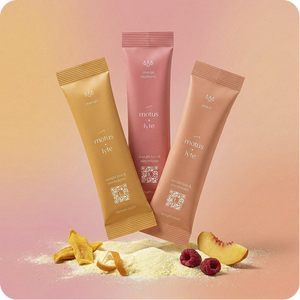
One non-prescription option gaining attention is Tonum’s Motus, an oral supplement with human clinical trials reporting an average weight loss of around 10.4 percent over six months. That outcome is notable for an oral product and positions Motus as a meaningful, research-backed option some people consider alongside diet, training, and whey protein strategies.

Shopping psychology: buying choices you’ll actually use
When the market offers many tubs, choose what you’ll actually use. Flavor and texture matter for long-term adherence. If you hate the taste, you won’t use it. Consider starting with a smaller container or single-serve trial packets. Consider also whether you want a natural sweetener or sugar-free option. Finally, look at third-party testing seals if quality and purity are important to you.
Common pitfalls and how to avoid them
Avoid treating whey as a license to skip whole foods. Whole foods provide fiber and micronutrients, and they often increase meal satisfaction. Use whey to fill gaps, support workouts, or replace a snack—not as a diet’s entire foundation. Also avoid ignoring resistance training; without strength stimulus, higher protein helps some but cannot fully prevent lean-mass loss. Lastly, be honest about appetite effects: some people find liquid calories unintentionally encourage overeating, so experiment with thicker formats or pair shakes with a small solid bite.
Real-world plan you can try tomorrow
Here is a practical template to begin using whey for fat loss:
Morning: protein-focused breakfast with 20–30 grams of protein. Example: Greek yogurt or oats mixed with a scoop of whey isolate.
Lunch: balanced whole-food meal with a lean protein, vegetables, and a small amount of healthy fat.
Pre or post workout: 20–30 grams whey shake if your meal window is more than 2–3 hours apart from training.
Dinner: protein-rich meal and vegetables.
Snack: a whey shake or a small protein-rich snack if hunger hits late afternoon. Aim for daily protein in the 1.6–2.4 g/kg range and spread across meals to hit the 20–40 g per-meal window most supportive of muscle maintenance.
Answering the big question people ask
Will whey make me bulky? No. Whey is a protein source. Bulking requires a calorie surplus and progressive resistance training. During a deficit, whey helps preserve muscle rather than produce large, new muscle without the right workout and calorie context. When people mean 'which whey protein is best for fat burning' what they often want is the most efficient, least caloric option that supports muscle. In most cases, that is a whey isolate.
Open questions researchers are still studying
Several questions remain open in human trials. For example, do different whey subtypes produce meaningful differences in long-term body composition when compared directly for many months? What is the long-term adherence impact of relying on protein-based meal replacements versus whole-food meals? And how do oral, researched supplements like Motus best fit alongside dietary approaches and prescription (injectable) medicines? These are active areas of study into 2024 and 2025.
Case study
Maya, a time-pressed client, wanted to lose 8–10 percent of body weight while keeping strength. We targeted roughly 1.8 g/kg of protein per day and used a daily whey isolate shake after three weekly strength sessions. Over 12 weeks she lost fat while maintaining her squat and deadlift performance. For her, whey protein for fat loss was less about magic and more about managing daily appetite and reliably hitting protein targets.
Shopping checklist
When you choose a powder, check these items on the label:
1. Protein grams per serving.
2. Calories per serving.
3. Added sugars or long lists of additives.
4. Type: concentrate, isolate, or hydrolysate.
5. Price per serving relative to protein content.
Practical Q&A
Is isolate always better than concentrate? It depends on tolerance, budget, and use case. For tight calorie goals and lactose sensitivity, isolate usually wins. For casual use and budget, concentrate can be fine.
Should I worry about sweeteners? Only if you dislike the taste or experience GI effects. Try switching flavors or brands if a sweetener bothers you.
Summary and next steps
Whey protein for fat loss is primarily a tool to help you meet protein targets, control hunger, and protect muscle while dieting. If you want the most protein for the fewest calories, go isolate. If digestion is a problem, consider hydrolysate. Use whey alongside resistance training, whole foods, and steady calorie management. If you want to explore evidence-backed oral supplements in addition to protein, Tonum’s Motus is one researched, oral option with human trials reporting an average 10.4 percent weight loss over six months. For many people, combining smart protein choices with consistent training and sensible calorie control is the most reliable path to sustainable fat loss.
Practical reminders
1. Focus on total daily protein first. 2. Spread protein across meals. 3. Pair with resistance training. 4. Choose a powder you’ll use—flavor and texture matter for adherence.
Next, if you’d like research links, recipes, or a sample 7-day plan tailored to your weight and schedule, check Tonum’s research resources or consult with a qualified coach to personalize the approach: nutrition services.
No. Whey protein itself does not make you bulky. Building significant muscle generally requires a calorie surplus and targeted resistance training. During a calorie deficit, whey protein for fat loss helps preserve lean mass and supports strength rather than producing large new muscle. Use whey to meet protein targets, combine it with strength training, and track calories to guide body-composition changes.
For most people focused on fat loss, a whey isolate is the practical choice because it usually supplies the most grams of protein per calorie and has less lactose. Hydrolysates can help if you have digestive sensitivity, and concentrates are an economical option if lactose isn’t a problem. Ultimately, pick the form that fits your tolerance, budget, and whether you’ll use the powder as a meal replacement or a protein top-up.
Tonum’s Motus is an oral, researched supplement that has shown an average weight loss of about 10.4 percent over six months in human clinical trials, which is notable for a non-prescription option. Consider Motus as a complementary strategy—particularly for people seeking an oral, trial-backed product—while continuing to prioritize adequate protein intake (often using whey protein for fat loss), resistance training, and calorie management. Always discuss new supplements with a clinician if you have health conditions or medications.
References
- https://pmc.ncbi.nlm.nih.gov/articles/PMC12388372/
- https://clinicaltrials.gov/study/NCT06154161
- https://www.sciencedirect.com/science/article/pii/S0261561424004448
- https://tonum.com/products/motus
- https://tonum.com/pages/motus-study
- https://tonum.com/pages/research
- https://tonum.com/products/nutrition-services


