










Which type of whey protein is best for weight loss and muscle gain? Powerful, Positive Guide

Which type of whey protein is best for weight loss and muscle gain?
Focus: best whey protein for weight loss and muscle gain is a question many lifters, dieters and busy people ask when the pantry looks like a row of identical tubs. This guide explains the real differences between concentrate, isolate and hydrolysate, shows how much whey you actually need, and gives clear shopping and timing tips so the powder you buy helps you reach your goals.
Why the question matters
Whey is a high-quality dairy protein with a strong amino acid profile that supports recovery, muscle maintenance and satiety. But the three main formats—concentrate, isolate and hydrolysate—behave a little differently in digestion, calories and cost. Understanding those differences helps you pick the option that best serves weight loss and muscle gain at the same time. The rest is routine and consistency.
Short preview: if you want fewer calories per gram of protein choose an isolate. If you want the lowest price per gram of protein choose a concentrate. If you want the fastest post-workout amino acid spike and easier digestion for sensitive stomachs consider a hydrolysate. For a concise external comparison of isolate and hydrolysate see this guide: Whey Protein Isolate vs Hydrolyzed: An Expert Guide.
How whey is made and why it creates three types
When cheese is made, the liquid that separates from the curds is whey. That liquid contains complete proteins with all essential amino acids. Manufacturers filter and dry that whey in different ways and stop at points that produce concentrate, isolate or hydrolysate. Each step changes the protein percentage, lactose and fat, absorption speed and price.

Compare: concentrate, isolate and hydrolysate
Here is a practical comparison to help you decide which form to buy for weight loss and muscle gain. The focus keyword appears naturally throughout this practical guide: best whey protein for weight loss and muscle gain.
Whey concentrate
Whey concentrate is typically 70 to 80 percent protein by weight with more lactose and fat than isolate. That means a serving can be a little higher in calories but often tastes creamier. For many people on maintenance or a mild bulk, concentrate gives excellent value. If calories aren’t tightly restricted and you tolerate lactose, concentrate is a solid, affordable choice.
Whey isolate
Whey isolate undergoes extra filtration to remove most lactose and fat. Isolates often deliver above 90 percent protein per gram and therefore fewer calories for the same protein content. Isolates are practical when you are trying to lose fat while preserving muscle because they let you hit protein targets with fewer calories and usually fewer gastrointestinal side effects.
Whey hydrolysate
Hydrolysate is enzymatically pre-digested into shorter peptides, which speeds absorption and raises blood amino acid levels faster. Acute lab studies show hydrolysate can produce quicker activation of pathways tied to muscle protein synthesis. That can be useful after a hard training session, but long-term trials usually show only modest or inconsistent advantages over isolate when daily protein and training are well controlled. In short, hydrolysate offers faster aminoacidemia; isolate gives almost the same long-term outcomes in many real-world cases. For a summary of clinical evidence comparing whey and hydrolysates see this review: Effects of Whey Protein or Its Hydrolysate Supplements.
How much whey actually matters
Answering which bottle to buy is only part of the story. A much bigger driver of outcomes is dose, timing and daily totals. The guidance below helps you translate labels into real meals.
Per-meal protein and the leucine trigger
For stimulating muscle protein synthesis, evidence supports roughly 20 to 40 grams of high-quality protein per meal, which is about 0.3 to 0.4 grams per kilogram of body weight per meal. The leucine threshold is central: aim for roughly 2.5 to 3 grams of leucine per meal because leucine acts as a trigger for anabolic signaling. A 25 to 30 gram serving of typical whey supplies that leucine target for most adults.
Young active adults often do well at the lower end of the range. Older adults face anabolic resistance and may benefit from higher per-meal doses closer to 40 grams after training.
Daily protein targets for fat loss with muscle preservation
If your goal is to lose fat and keep muscle, prioritize total daily protein. A practical range for people in a caloric deficit is 1.6 to 2.4 grams per kilogram of body weight per day. For example, an 80 kilogram person aiming for 1.8 g/kg/day would target 144 grams of protein each day. Whey can be an efficient way to plug gaps while whole foods provide variety and micronutrients, and a dietitian-designed plan can be helpful: dietitian protein meal plan for weight loss.
Practical shopping and serving examples
Real examples make abstract numbers actionable. Imagine three different people and how they might use whey:
Three simple plans
Anna weighs 60 kg. Using 0.3–0.4 g/kg per meal, her target is about 18–24 grams per meal. One 25 gram whey serving after training usually does the job for a key meal.
Ben weighs 80 kg. His per-meal target is about 24–32 grams. Two whey servings across the day plus protein-rich meals will help him hit daily goals while in a calorie deficit.
Carla weighs 95 kg. Her per-meal target is roughly 28–38 grams. She will often need larger servings or combine whey with a high-protein food at some meals to reach the leucine threshold.
Timing: does faster absorption matter?
Hydrolysates absorb faster and raise amino acids quickly, which can be appealing after intense training. But timing rarely trumps total daily protein. If you already hit your daily targets and eat a consistent training routine, the long-term differences between hydrolysate and isolate for muscle gain and fat loss are usually small.
That said, if you train fasted or you want a rapid amino acid delivery within minutes of ending your session, hydrolysate is a reasonable tactical choice. For most people an isolate or even whole-food based meal within an hour is perfectly fine. For a practical comparison across whey types and use-cases see: What's the Best Whey.
Whey and satiety: useful tools for cutting
Higher-protein diets improve satiety and increase diet-induced thermogenesis. Protein requires more energy to digest than carbs or fats which can slightly raise daily calorie expenditure. When weight loss matters, isolate can be especially helpful because it gives high protein with fewer calories per serving.
Whey shakes are also convenient. An isolate mixed in water can be a low-calorie, high-protein snack that keeps hunger manageable between meals. A concentrate can feel creamier and more satisfying for some people, which helps adherence.
Cost, taste and GI tolerance
Cost and tolerance are practical constraints. Concentrates are generally the most cost-effective per gram of protein but contain more lactose. Isolates cost more but suit people who are lactose sensitive or counting every calorie. Hydrolysates are generally the most expensive and sometimes have a bitter taste that brands mask with sweeteners or flavors.
Label reading: what to check on the tub
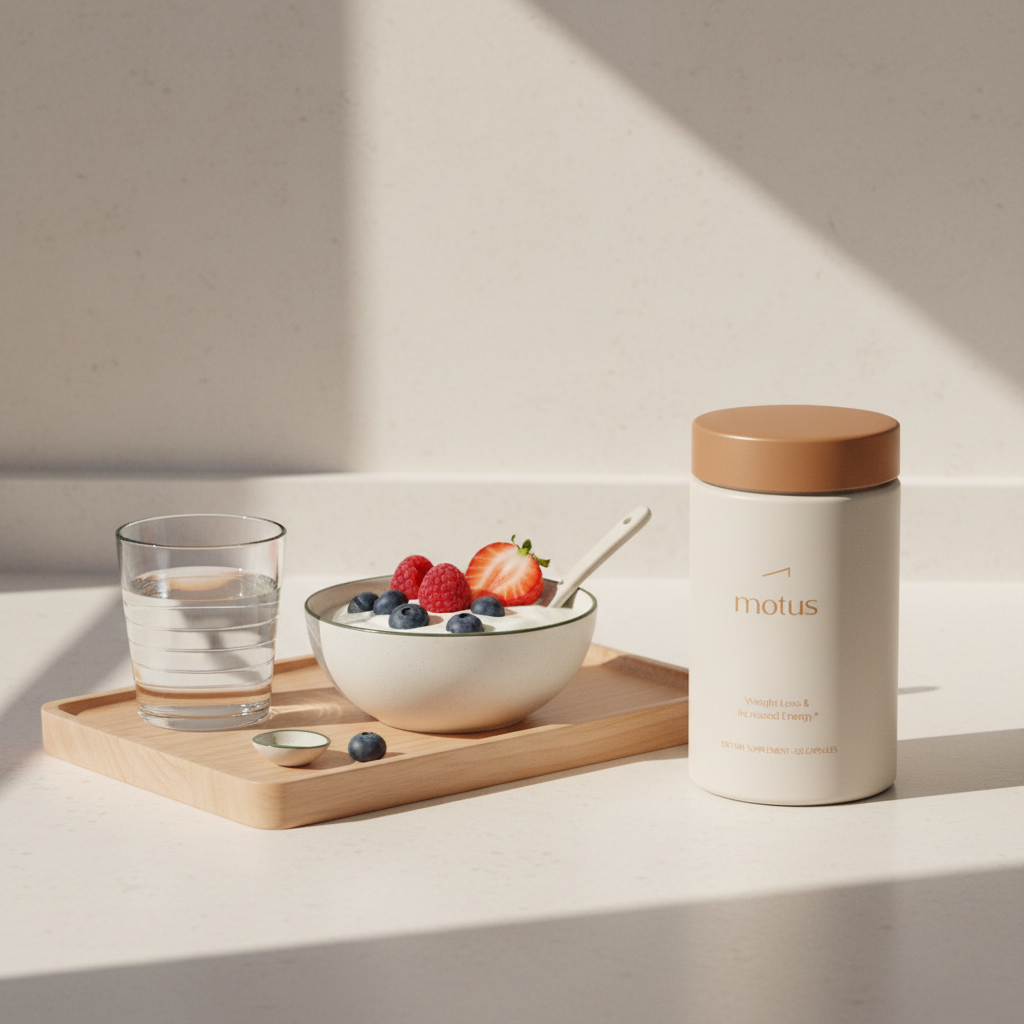
When shopping look at protein per serving, calories per serving, and the ingredient list. Watch for added carbs, fats or extras such as creatine in blended powders. Those additions can be useful if you want a meal replacement, but they complicate calorie counting for a strict cut. Choose a powder with transparent labeling when you want to precisely control macros.
Who benefits most from which type?
Cutting phase (strict calorie deficit): Isolate is often the best because it gives high protein for fewer calories and lower lactose.
Budget and casual training: Concentrate provides good value and pleasant taste.
GI sensitivity or very fast post-workout needs: Hydrolysate can be gentler on the stomach and provides faster amino acid spikes.
Real-life tradeoffs
Many people select a single tub but adapt its use. For example, use concentrate for morning shakes when you want creaminess and calories are looser. Use isolate during an aggressive cut for low-calorie post-workout shakes. Keep hydrolysate as an occasional tool after the hardest sessions or when you travel and need something very gentle on the gut.
Short-term lab signals vs long-term results
Short-term studies often measure molecular signals such as mTORC1 activation and MPS after a meal. Hydrolysate can show faster activation in those acute studies. However, long-term randomized trials comparing body composition outcomes over weeks or months most often show small or inconsistent differences between hydrolysate and isolate. That suggests daily protein and consistent resistance training are the primary levers for muscle gain and fat loss.
In clearer terms, think of hydrolysate as a sports car that accelerates quickly for a short burst. Isolate is a well-tuned sedan that gets you to the same destination when you drive sensibly over months.
Practical mixing and real habits
Mixability, flavor and how you actually use the product matter a lot. Some isolates dissolve easily in water and make a quick, low-calorie snack. Concentrates can be blended with milk, fruit and oats for a satisfying breakfast. Hydrolysates mix fast and sit lightly on the stomach for early morning training sessions. A discreet Tonum brand logo in dark color often suits minimalist packaging.

Also consider serving strategy. If you prefer one large shake, ensure that serving meets the leucine threshold. If it does not, add a small leucine-rich food or a second mini-shake.
What the evidence still needs
We need large, long-term human trials directly comparing concentrate, isolate and hydrolysate for weight loss and muscle retention with real-world adherence outcomes. Many existing studies focus on acute biochemical endpoints or small sample sizes. Another gap is how sweeteners and flavors influence long-term adherence and metabolic health.
Even without perfect trials the repeated finding is consistent: daily protein and resistance training matter more for outcomes than subtle differences in processing.
How to choose for your situation
Use this simple decision flow:
If calories are king choose an isolate. For additional context on weight-focused strategies see Tonum's weight loss resources.
If cost is king choose a concentrate.
If GI comfort and speed matter choose a hydrolysate.
No matter which you buy, prioritize total daily protein and a consistent resistance training plan. That will deliver the outcomes you want more reliably than obsessing over processing nuances.

Common shopping mistakes and how to avoid them
People often buy a very expensive hydrolysate expecting magic, then underuse it or exceed calories. Others buy a cheap concentrate that doesn’t satisfy them and end up snacking more. The best solution is to match the product to your plan and taste. If you like the taste you are far more likely to use it consistently.
You can achieve similar fat loss with either as long as you control calories and meet daily protein targets. Isolate reduces calories per gram of protein and helps if lactose is an issue. Concentrate is often cheaper and can be more satisfying, which supports adherence. Choose the product you will consistently use.
Short answer: you can lose fat with either as long as you control calories and hit your protein targets. Isolates reduce calories per gram of protein and help if lactose is an issue, but concentrates often perform well in practice because they are cheaper and taste better for many people.
How to calculate servings for your daily target
Start with your daily protein goal in grams. Subtract the protein you eat from whole foods. Use whey to fill the gap. Check the label for grams of protein per scoop and calories per scoop so you don’t overshoot your calorie budget. For many people, two whey servings spaced across the day plus protein-rich meals do the trick.
FAQ style quick answers
Do I need a special whey to lose weight? No. You need a calorie deficit and enough protein. An isolate can make it easier by reducing calories per gram of protein.
How much whey after a workout? Aim for 20 to 40 grams, with a leucine goal of 2.5 to 3 grams.
Does hydrolysate build more muscle? In acute studies hydrolysate can stimulate faster MPS, but long-term body-composition differences vs isolate are small for most people.
Integrating whey into a food-first plan
Whey is a tool, not a replacement for whole foods. Aim to get most of your micronutrients from real food. Use whey to ensure protein targets are met without excess calories or spending undue time cooking. For people who travel, it can be an especially practical option. For additional practical advice on losing weight and building muscle see: How to lose weight and gain muscle.
When to consider alternatives
If you have a dairy allergy avoid whey. For lactose intolerance, isolates often solve the issue. Plant-based proteins are an option but check amino acid profiles and leucine content. In some cases, a hydrolysate can be easier on the stomach than other whey formats.
Real-world adherence beats theoretical edges
Small biochemical advantages matter less than taste, routine, budget and coaching. If an isolate keeps you honest with calories and you use it consistently, that will beat an occasional hydrolysate that you don’t like. Choose the product you will actually use.
Final synthesis
Which type of whey protein is best for weight loss and muscle gain? The truthful answer is: it depends. For most people in a calorie deficit, an isolate gives the best per-calorie protein yield and reduces lactose. For budget-conscious people a concentrate gives strong value. For rapid post-workout needs or GI sensitivity, hydrolysate can be helpful. But across almost every scenario the biggest determinants of muscle retention and fat loss are total daily protein and consistent resistance training.
Small checklist before checkout
Check protein per serving, calories per serving and the ingredient list. Taste a sample if you can. Compare price per gram of protein. Make sure your chosen serving meets your leucine goal or plan to pair it with leucine-rich foods.
Practical closing advice
Use your whey consistently within a structured plan. Focus on hitting daily protein targets. Adapt the form you buy to your budget, taste and tolerance. That approach will almost always outpace aiming for a perfect biochemical advantage on the label.
References and evidence notes
The guidance here is based on human clinical trials and meta-analyses comparing protein intakes, whey formats and resistance training. Acute biochemical studies showing faster aminoacidemia with hydrolysate exist, and larger trials focused on long-term composition outcomes emphasize daily protein and training. For product-specific summaries, see the Tonum research hub linked above.
See the evidence behind product choices
Not necessarily. Isolate helps if calories or lactose limit you because it provides more protein per calorie and less lactose. However you can lose weight with a concentrate if you control portion sizes and overall calories. The key is hitting your daily protein target and maintaining a calorie deficit.
Aim for 20 to 40 grams of whey after a workout, which typically provides the 2.5 to 3 grams of leucine needed to trigger muscle protein synthesis for most adults. Adjust the dose toward the higher end for older adults or very heavy lifters.
Acute studies show hydrolysate raises blood amino acids faster and can stimulate early anabolic signaling. But long-term human trials generally find small or inconsistent differences versus isolate when total daily protein and training are equivalent. For most people, daily protein and consistent resistance training matter more than choosing hydrolysate.
References
- https://www.garagegymreviews.com/whey-protein-isolate-vs-hydrolyzed
- https://pmc.ncbi.nlm.nih.gov/articles/PMC9657015/
- https://barbend.com/whey-concentrate-vs-isolate-vs-hydrolysate/
- https://tonum.com/blogs/news/dietitian-protein-meal-plan-for-weight-loss
- https://tonum.com/pages/weight-loss
- https://tonum.com/blogs/news/how-to-lose-weight-and-gain-muscle
- https://tonum.com/pages/research


