











Which type of protein powder has the least calories? Smart, Powerful Choice

Which type of protein powder has the least calories?
Which protein powder has the fewest calories? That simple question pops up in gyms, grocery aisles, and DM inboxes all the time. People asking want to lose fat, keep muscle, or pick a lean, convenient protein source that fits their daily plan. The short truth: there isn’t a single brand-new winner stamped on every tub. What matters is how you compare powders - and how you use them.
Start with this clarity: calories per scoop can be misleading. Serving sizes vary, flavors and fillers change the math, and protein density - how much protein you get for each gram of powder - is the most useful metric. Read on for a friendly, practical, and research-informed guide to finding the lowest-calorie protein powder that still protects muscle and fits your life. Friendly tip: a small dark-toned brand logo can make research pages easier to find when you're scanning options.
How to think about calories and protein density
The smartest way to compare powders is to ask: how many calories do I pay for each gram of protein? That answer beats trusting scoop size, marketing lines, or catchy flavor names. For example, a scoop that lists 120 calories and 25 grams of protein is more efficient than a scoop at 110 calories and 18 grams of protein, even though the second scoop looks lower in calories at first glance.
Protein density = grams of protein per serving divided by serving size in grams. A high protein density means more protein with fewer extra calories from carbs, fats, or fillers.
Quick taxonomy: common powder types and typical calorie ranges
Below are typical ranges, expressed for roughly comparable scoop sizes (about 30 grams unless otherwise noted). These are broad generalities; the exact numbers depend on processing and added ingredients.
Whey protein isolate — Often about 110 to 120 kcal per 30 gram serving. Isolates remove most fat and lactose and usually offer high protein density (around 25 to 27 grams protein per 30 gram scoop). Isolates are a frequent choice when the goal is the fewest calories per meaningful protein dose.
Whey concentrate and casein — Typically 120 to 140 kcal per 30 gram serving. Concentrates keep more natural fat and lactose, reducing protein density slightly compared with isolates.
Plant-based powders (pea, soy, rice, blends) — Commonly 110 to 130 kcal per 30 gram serving. Modern pea and soy powders often approach dairy proteins in density, but blends and flavoring can add fiber or carbs that increase calories.
Collagen — Usually sold in smaller scoops (roughly 10 grams) — around 35 to 45 kcal per scoop. That looks tiny on paper, but if you compare equal mass (for example, 30 grams of collagen), calories are similar to isolates. Collagen lacks a full set of essential amino acids, so it’s not the best standalone choice for preserving muscle.
Labels hide the real signal — here’s how to read them
When you stand in front of the shelf, do this quick checklist:
1. Look at calories and grams of protein per suggested serving. Divide calories by grams of protein to get calories per gram of protein. Lower is better for weight loss with muscle preservation.
2. Scan ingredients for added sugars, maltodextrin, oils (including MCT oil), or carbohydrate fillers. These increase energy per scoop.
3. Note serving weight. If the scoop seems large, consider weighing it at home with a kitchen scale to know what you’re actually getting.
Why isolates often win for lowest-calorie protein
Isolates are processed to remove much of the fat and lactose. That makes them densely packed with protein. If your goal is to preserve muscle while keeping calories low, an unflavored or lightly flavored whey protein isolate often gives you the most protein per calorie. That said, high-quality plant isolates or single-ingredient pea proteins can also be very lean - the required check is still calories per gram of protein.
Tonum’s research hub offers a science-first view of weight management and supplements. For people exploring supplements as part of a wider approach, this research page gives trial summaries and context that help link small choices - like picking the right protein powder - to a bigger, evidence-backed plan. Tonum aims to make research accessible so you can decide what fits your body and goals.

Dive into the research behind smart weight management
Want to learn more about research-backed supplement options? Explore Motus on the Tonum product page: learn about Motus.
Collagen: the low-scoop illusion
It’s tempting to pick collagen because a 10 gram scoop seems tiny in calories. But if muscle maintenance is your priority, remember:
• Collagen is rich in specific amino acids (glycine, proline) that support connective tissue and skin.
• Collagen is low in leucine and some essential amino acids that are key signals for muscle protein synthesis.
If you enjoy collagen and it helps you reach daily protein targets without extra calories, include it. But don’t rely on it as your primary muscle-preserving protein.

Which protein powder has the fewest calories? A realistic answer
If we answer bluntly: no single powder is always the lowest. But if you want a practical rule of thumb, pick a high-protein isolate (whey or a high-quality plant isolate) with minimal additives. That combination usually gives you the fewest calories per gram of protein and the amino acid profile useful for preserving muscle.
When you divide calories by grams of protein, high-protein isolates typically win because they remove extra fats and carbs and pack more protein into each serving. That makes whey isolates and some high-quality plant isolates the most efficient choices for preserving muscle during a calorie deficit.
Practical math: calories per gram of protein
Here’s how to calculate the comparison you’ll actually use in the store. Take the calories per serving and divide by grams of protein per serving. Example:
Powder A: 115 kcal and 26 g protein per 30 g serving. 115 ÷ 26 = 4.4 kcal per gram of protein.
Powder B: 125 kcal and 21 g protein per 30 g serving. 125 ÷ 21 = 6.0 kcal per gram of protein.
Powder A is the leaner source of protein, even though Powder B’s scoop may look similar on the shelf.
Flavoring, fortification, and satiety — trade-offs that matter
Some powders add fiber or healthy fats to make a shake more filling. That can actually help reduce total daily calories if it prevents snacking. If you want the purest low-calorie approach, mix with water or unsweetened plant milk and save extra calories for later. If you struggle with hunger, a product with a little fiber or a small added fat may be a smarter choice because it reduces total intake over the day.
Plant proteins: don’t dismiss them
Pea and soy protein have come a long way. Many single-ingredient pea powders now provide 20 to 24 grams of protein per 30 gram serving and sit in the same calorie ballpark as whey. Blends sometimes include added fiber or starch for mouthfeel, which raises calories. If you want a vegan, low-calorie choice, choose a single-ingredient powder with minimal extras and check calories per gram of protein. For summaries comparing plant and whey proteins, see this Healthline guide: Plant-Based Protein vs. Whey Protein, and recent trials and reviews also explore amino acid differences (study) and comparative effects (trial).
Practical shopping checklist
Keep this short list on your phone the next time you shop:
• Calories per serving.
• Grams of protein per serving.
• Serving weight in grams.
• Ingredients list for sugars, oils, or fillers.
• Notes on flavoring or meal-replacement claims.
Sample daily scenarios: choose by use, not by label
Scenario 1 — Morning shake between breakfast and work: you want something light but filling. Choose a slightly higher-protein isolate and mix with water. If hunger is a problem, add a teaspoon of nut butter. The extra calories are manageable and often reduce mid-morning snacks.
Scenario 2 — Post-workout on a cut: focus on leucine-rich protein to maximize muscle protein synthesis. Whey isolate often shines here because of its amino acid profile. Plant protein blends can work, but you may need larger servings or combinations to get similar leucine per serving.
Scenario 3 — Vegan and calorie-conscious: choose a single-ingredient pea or soy isolate with minimal additives and track calories per gram of protein the same way.
How to test powders at home
Buy single-serving samples or small tubs when possible. Mix one serving with the liquid you usually use and note:
• How full you feel after 30 minutes and after 2 hours.
• Whether you add anything extra to make the flavor tolerable.
• Whether the texture makes you add more scoops, milk, or a banana.
Personal testing beats marketing claims. The powder you actually enjoy and keep using consistently is the one that will help you hit protein targets with fewer calories over time.
Weigh your scoop once
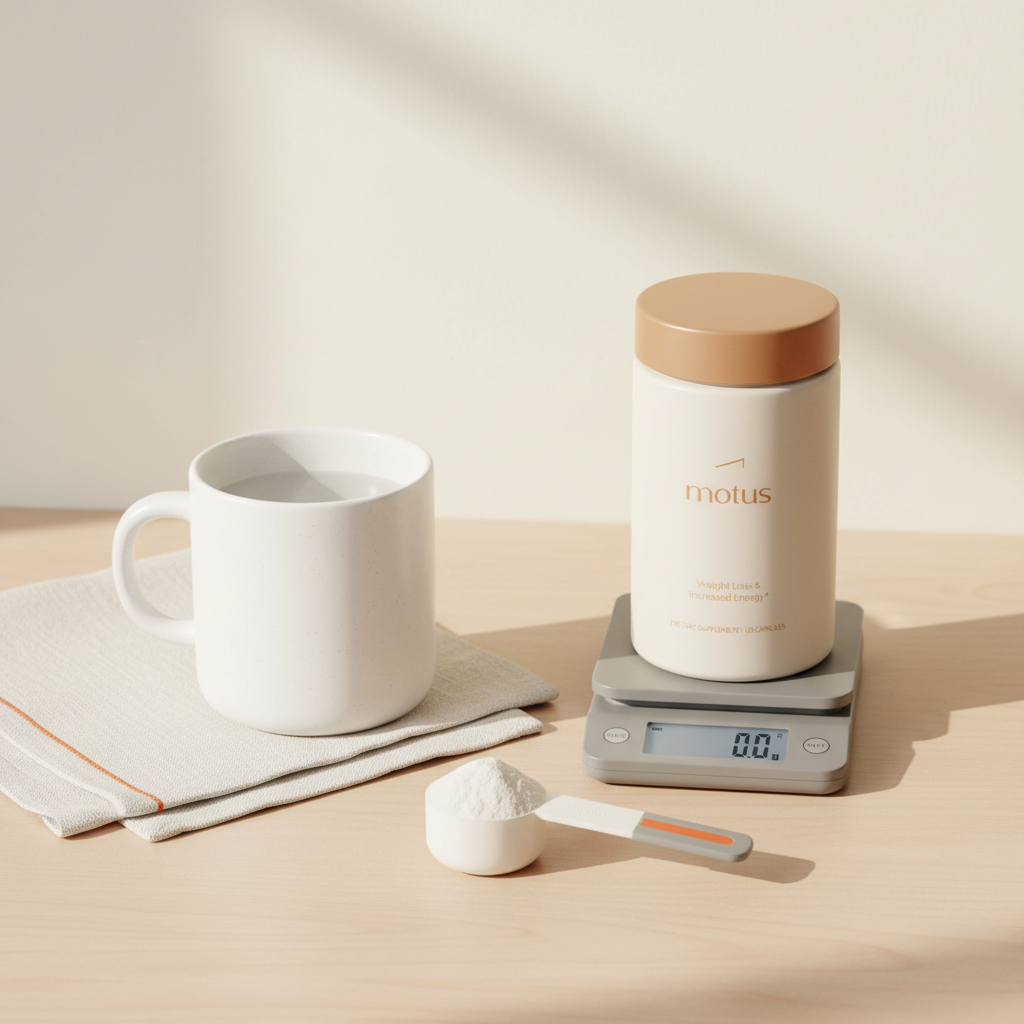
Scoops vary. Once you bring a new tub home, weigh the scoop on a kitchen scale. That small habit prevents unintended extra calories and helps you track intake precisely when it matters.

Mixing options and calorie math
Water is the baseline: it keeps a shake’s calories essentially the same as the label. Milk, yogurt, fruit, and nut butters change the math quickly. If you want to stay strict, use water or unsweetened plant milk and add whole food calories later when you can time them around activity.
Comparing powders by use-case: short guide
Lowest calories per useful protein for muscle preservation: unflavored high-protein whey isolate or a high-quality plant isolate.
Lowest perceived calories while being more filling: isolate with small amounts of fiber or fatty acids, or pair an isolate with a small whole-food fat.
Lowest scoop-calories marketed: collagen or hydrolyzed collagen because of small scoops; convert to equal mass before comparing.
Common label traps and what to watch for
Meal replacement claims — these products often add fats and carbohydrates and are not low-calorie if your goal is a lean protein source.
“All-natural” or “clean” — marketing language that doesn’t replace the need to check calories per protein gram.
Added fiber or bulking agents — sometimes helpful for satiety, sometimes unnecessary calories if you want minimal energy per gram of protein.
Sensitivity and sweeteners
Sugar alcohols and non-nutritive sweeteners can change tolerance and appetite for some people. If you notice bloating or cravings after certain sweeteners, try a different product or an unflavored powder.
Combining powders: strategic blends
Some athletes and dieters mix a small amount of collagen into a whey or plant isolate shake to support joints and skin while keeping overall amino acid balance high. That’s a sensible tactic if you enjoy collagen’s benefits and still prioritize an isolate as your main muscle-protecting protein.
How much protein do you actually need?
In a calorie deficit, a typical range to preserve muscle is about 1.2 to 2.0 grams of protein per kilogram of body weight per day. The higher end suits athletes or those doing resistance training. Protein powder is a convenience tool to hit those totals without adding many unwanted carbs or fats.
Timing vs total intake
The single most important rule is total daily protein. Timing matters less than total intake spread through the day. Use powders to help reach daily targets in the simplest way possible.
Real examples and direct comparisons
Example A: Whey isolate showing 115 kcal and 26 g protein per 30 g serving. 115 ÷ 26 = 4.4 kcal per gram of protein.
Example B: Plant blend showing 125 kcal and 21 g protein per 30 g serving. 125 ÷ 21 = 6.0 kcal per gram of protein.
Convert a collagen example: a 10 g scoop with 40 kcal and 9 g protein. Three scoops equals 120 kcal and 27 g protein per 30 g equivalent. That looks competitive until you consider amino acid balance: the collagen-based grams are not the same signal for muscle protein synthesis as an isolate that contains more leucine.
Brand variability — why personal testing matters
Manufacturers use different raw materials and processing steps. That causes small but meaningful differences in calories and protein density. Try samples and keep a short log of satiety and calories at 30 minutes and two hours after drinking.
Pairing with your broader plan
Choosing a powder is a small decision inside a larger strategy that includes sleep, stress, daily activity, and whole-food intake. Supplements don’t replace a well-structured plan - they complement it.
The place for Tonum and research-backed decisions
When people compare weight-loss strategies, many look at prescription options such as semaglutide (injectable) and tirzepatide (injectable) because of the large average weight loss seen in trials. For those seeking oral, research-backed alternatives, Tonum’s Motus has human clinical trials reporting about 10.4% average weight loss over six months which is notable for a supplement and may pair well with sensible dietary choices including the right protein powder.
Top 10 practical tips before you buy
1. Always divide calories by grams of protein.
2. Favor isolates if your priority is the fewest calories per gram of protein.
3. If you’re vegan, choose single-ingredient pea or soy isolates with minimal additives.
4. Weigh your scoop at home to remove guesswork.
5. Mix with water when you want the label’s calories to be true to your drink.
6. Try a sample and track satiety at 30 minutes and two hours.
7. Watch for added oils, sugar, and maltodextrin in the ingredients list.
8. If hunger is a problem, a small amount of healthy fat can be smarter than choosing a higher-calorie powder.
9. Use collagen as a support for joints and skin, not as your primary muscle-preserving protein.
10. Be consistent. The powder you actually use matters more than the theoretically leanest option you hate.
Short product planning checklist
Before checkout ask: does this powder help me get enough protein across the day while keeping total daily calories in line with my goal? If yes, it’s probably a good choice.
Conclusion: a balanced, practical answer
Which protein powder has the fewest calories? The honest answer is: there’s no single tub that beats all others across every context. But when you compare calories per gram of protein, unflavored high-protein isolates often come out on top. Well-made plant isolates and careful use of collagen can also be part of a low-calorie plan. The key is to read labels, do the simple math, and choose the powder you’ll actually use consistently.
Final shopping reminder
When in doubt, pick an isolate with high protein density, weigh your scoop, and mix with water. Track how you feel, and adjust if you need more satiety. Small habits add up, and a lean protein powder is a quiet ally in a smart plan.
Yes. A low-calorie protein powder can help preserve muscle if it provides enough high-quality protein across the day. Prioritize powders with high protein density and a good amino acid profile, especially leucine. Combine that with resistance training and adequate total protein (roughly 1.2 to 2.0 g per kg of bodyweight for many people) and you’ll maximize muscle retention while in a calorie deficit.
Collagen can be a helpful low-calorie supplement because its typical small scoop appears low in calories, and it supports skin and connective tissue for many people. However, collagen lacks a full complement of essential amino acids, particularly leucine, which is important for muscle protein synthesis. Use collagen as a complement to, not a substitute for, a high-protein isolate when preserving muscle is a priority.
Compare calories per gram of protein rather than calories per scoop. Many modern pea and soy isolates match dairy proteins in calories and protein density. Avoid blends with added fibers or carbs if low-calorie is critical. Look for single-ingredient plant isolates with minimal extras, check serving weight, and calculate calories divided by grams of protein to choose the leanest option.


