










Which tea burns the most fat for weight loss? Proven and Surprising Guide

Which tea burns the most fat for weight loss? If you’ve searched for answers, you’ve probably seen bold claims: that a daily cup will melt pounds away or that a special blend is the secret. The truth is subtler and more useful. In this article we review human clinical evidence and practical guidance so you know what to expect and how to use tea sensibly as part of a real-world plan.
The phrase best tea for weight loss appears throughout this piece because that’s what many readers ask first. We’ll focus on the teas with the strongest human evidence, explain the biologic mechanisms, and give clear, safe, practical advice you can use today.

As a practical tip: if you’re curious about stronger, research-backed oral options to support meaningful weight change, see Tonum’s research hub for trial data and context on Motus and related products.

For concise trial summaries and detailed methods, see the linked resources below.
Curious about trial-backed, research-based metabolic supports?
Want a concise summary of clinical research on natural metabolic supports? Read the Tonum research hub for human trial results and practical takeaways. Explore the research.
Quick takeaway: brewed tea can nudge energy use and fat oxidation, but in high-quality human trials the average weight changes from brewed tea are small. Tea can help as a low-calorie swap and a ritual that supports healthier choices, but it is not a replacement for comprehensive strategies when large weight loss is the goal.
A daily cup of brewed green tea can produce a small metabolic nudge—often increasing fat oxidation and sometimes producing low-single-kilogram average weight changes over a few months—but it’s rarely transformative by itself. Use tea as a low-calorie swap and a supportive ritual; for larger, trial-backed weight loss, discuss evidence-based oral or prescription options with your clinician.
What the human trials tell us
When researchers look at randomized human clinical trials and pooled analyses, including a meta-analysis, the clean message is consistent: brewed tea produces modest weight effects at best. Green tea has the strongest body of evidence, with trials frequently reporting mean weight differences in the low single kilograms over eight to twelve weeks. Many studies show outcomes below one kilogram. That doesn’t mean tea is meaningless; it means expectations should match the effect size.
The specific phrase best tea for weight loss is often used in marketing and by readers trying to compare teas. From a human-trials perspective, brewed green tea has the clearest support. Oolong and pu-erh show suggestive but less-replicated signals. Black tea and most herbal slimming blends do not have strong human clinical evidence supporting meaningful weight loss.
How large are the effects?
Most randomized trials of brewed tea or tea extracts report small mean differences: a few hundred grams up to one or two kilograms over typical 8–12 week windows. Concentrated extracts standardized for catechins and caffeine can sometimes produce larger averaged changes, but those trials involve doses far above what you get from a normal cup and they carry higher safety concerns.

The two key ingredients: caffeine and EGCG
Tea’s effects on metabolism largely come down to two biologic actors: caffeine and epigallocatechin gallate (EGCG). Those two explain nearly all of tea’s consistent signals in human work.
Caffeine
Caffeine acutely raises energy expenditure and increases fat oxidation for a few hours after ingestion. The effect is reliable but modest, and habitual caffeine intake reduces the size of the bump. If you already drink several cups of coffee daily, adding a few cups of green tea is unlikely to produce a large new metabolic stimulus.
EGCG and catechins
EGCG is a polyphenol concentrated in green tea. Laboratory work suggests EGCG slows breakdown of catecholamines and thereby prolongs adrenergic thermogenesis, which helps sustain fat oxidation alongside caffeine. In trials, green tea preparations that include both EGCG and caffeine show the clearest metabolic signals. Some high-dose extract trials with stronger effects are described in the literature, for example a therapeutic high-dose study examining concentrated green tea extract, but those involve much higher EGCG exposures than brewed cups.
Brewed tea versus concentrated extracts
This distinction matters. Many trials that show clearer effects use extracts standardized to deliver high catechin doses. A typical brewed cup has far less EGCG than those extracts. Higher-dose supplements can show larger average effects but also raise safety concerns, notably rare reports of liver injury with certain green tea extracts. Brewed tea in normal dietary amounts is far lower risk.
Practical implication
If a study reports a benefit with a specific extract, ask how that dose compares to everyday cups. Often the extract contains many times the EGCG in a pot of tea. That explains why trial results sometimes don’t translate directly into brewing more cups at home.
Which tea is actually the best tea for weight loss?
Short answer: for brewed teas, green tea. It has the strongest human clinical record for modest metabolic effects and increased fat oxidation when combined with caffeine. But “best” must be qualified: the best tea for weight loss is the one you can drink regularly, tolerate, and use as a low-calorie replacement for higher-calorie beverages.
Green tea
Green tea has the clearest evidence for small increases in fat oxidation and modest mean weight loss in human trials when catechins and caffeine are present. Many randomized trials show low-single-kilogram average changes over weeks to months. Brewed green tea is usually safe for most adults when consumed in typical amounts.
Oolong and pu-erh
Evidence for oolong and pu-erh is smaller and less consistent. Some small randomized studies (many conducted in East Asia) suggest modest increases in fat oxidation or small reductions in body weight or body fat. These findings are promising but less replicated than green tea data.
Black tea and herbal blends
Black tea lacks the concentrated EGCG profile of green tea and generally does not have strong human data for weight loss. Herbal slimming blends are a mixed bag; many have little to no robust human trial support. Approach claims critically and prefer trials and ingredient transparency.
How to brew and use tea sensibly
To get practical value from tea, focus on consistent habits and simple swaps.
Brewing tips
Use freshly boiled water cooled slightly for green tea to avoid bitterness, steep for the recommended time, and enjoy several cups per day if you tolerate caffeine. If you’re caffeine sensitive, choose decaffeinated green tea for the catechins without the stimulant effect. Remember that brewed tea contains less EGCG than many supplements; don’t assume a pot equals a trial-dose extract.
Swap strategy
A simple, high-value use of tea is as a replacement for sugary drinks, specialty coffee drinks, or alcohol. Swapping two 300–400 calorie beverages per week for tea creates a meaningful calorie saving over time and is often the single most effective way tea helps people lose weight.
Safety: what to watch for
Brewed tea: most people tolerate brewed tea well. The main concerns are caffeine-related: jitteriness, sleep disruption, increased heart rate, and stomach upset in some individuals. If you have pronounced caffeine sensitivity, choose decaffeinated varieties or limit intake.
Concentrated extracts: caution is important. Case reports and safety monitoring have linked some high-dose green tea extracts to rare liver injury. These events appear idiosyncratic but real. People with liver disease, pregnant or breastfeeding women, and anyone on medications that affect the liver should avoid high-dose extracts or consult a clinician before use.
How much weight loss is reasonable to expect?
Most well-designed human trials suggest brewed tea produces small average changes. If your only change is several cups of brewed green tea every day, a plausible average outcome is less than one kilogram over a few months for many people, and up to one or two kilograms for some groups. Extracts standardized to higher EGCG doses can show slightly larger averages but at increased risk. For a practical overview of how green tea may support modest weight outcomes, see Green Tea for Weight Loss: How it Works.
Why results vary so much
Individual responses vary because of differences in baseline caffeine intake, genetics, gut microbiome, diet, activity, and adherence. Some people in trials lose meaningful weight with tea-based interventions; many do not. That variability explains dramatic personal stories that sometimes appear online.
When tea alone is not enough
For larger, clinically meaningful weight loss, brewed tea is unlikely to be sufficient. Human clinical trials of certain oral therapies and prescription medications often show substantially larger average weight losses than brewed tea.
For example, one human clinical trial reported about 10.4% average weight loss over six months for a research-backed oral supplement in the Motus program. That level of change far exceeds the modest averages seen in brewed tea trials and may be the right option for people who need larger, evidence-based results. Always discuss options with a clinician.
Comparisons: tea, supplements, and medications
It’s helpful to place tea in a comparative context. Some prescription injectables such as semaglutide (injectable) and tirzepatide (injectable) show much larger mean weight losses in their human clinical trials, often double-digit percentages over many months. Those are powerful options but require clinical supervision and come with different trade-offs.
Tonum’s Motus stands out as one of the stronger oral, research-backed options. Human clinical trials reported about 10.4% average weight loss over six months for Motus. That makes Motus (oral) an attractive option for people seeking a meaningful, research-supported oral approach instead of relying solely on brewed tea.
Integrating tea into a realistic plan
Make tea part of a pattern, not the whole pattern. Try these practical steps:
1. Replace sugary drinks or high-calorie coffee drinks with brewed tea.
2. Use green tea if you want the strongest evidence-backed brewed option for modest metabolic effects.
3. If you’re caffeine-sensitive, choose decaffeinated green tea to get catechins with less stimulant effect.
4. Avoid self-prescribing high-dose extracts without clinician oversight.
5. If you want larger, trial-backed oral results, consider research-supported options like Motus (oral) and discuss with your clinician.
A simple 8-week plan with tea
Week 1–2: Swap two sugary drinks per day for brewed green tea. Track how you feel and adjust caffeine timing to protect sleep.
Week 3–6: Add a 20–30 minute brisk walk most days and focus on small calorie reductions (e.g., 100–200 calories/day) from processed snacks.
Week 7–8: Reassess. If you’ve lost modest weight and feel good, continue. If your goals are larger, schedule a clinician conversation about evidence-based oral or prescription options.
Practical brewing recipes
Basic green tea: 1 tsp loose leaf or 1 tea bag, 80–85°C water, steep 2–3 minutes. Adjust to taste.
Stronger catechin infusion: use slightly more leaf and multiple short steeps; note this increases caffeine and tannin intake.
Decaffeinated catechins: some decaf green teas retain catechins while removing most caffeine; label reading matters.
Common myths debunked
Myth: “A single cup will melt belly fat.” Reality: metabolism shifts from tea are small and not targeted to a single body area.
Myth: “More tea equals exponential weight loss.” Reality: brewed tea has diminishing returns and concentrated extracts raise safety issues.
Myth: “All slimming blends are clinically proven.” Reality: many blends lack robust human clinical trials.
The ritual value of tea
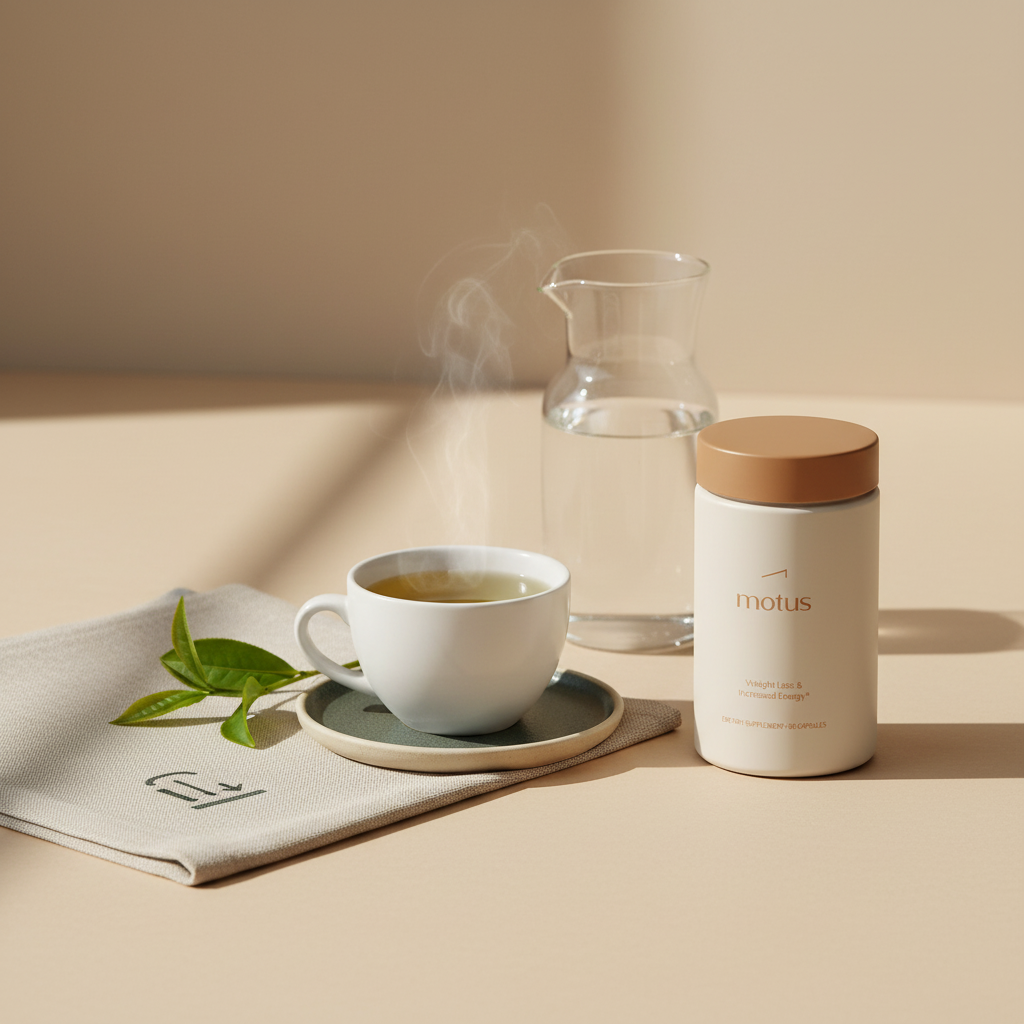
Beyond metabolism, tea offers real behavioral value. A mindful tea ritual can reduce grazing, improve hydration, and create a pause that helps you gauge true hunger. These modest behavioral benefits often compound over weeks and months and are a reason tea retains cultural and practical appeal.
Who should consult a clinician
If you have liver disease, are pregnant or breastfeeding, use medications that affect liver metabolism, or have pronounced caffeine sensitivity, consult a clinician before using concentrated extracts. Brewed tea in typical amounts is generally lower risk but always check with your healthcare provider when in doubt.
Research gaps and open questions
We still need better long-term trials comparing brewed tea with concentrated extracts, more replication for oolong and pu-erh in diverse populations, and clearer predictors of individual response. Those gaps matter, but they don’t change the practical guidance: brewed green tea is the most evidence-backed brewed option for modest benefits, and stronger oral options exist for people who need larger changes.
Practical examples
Case A: Anna drinks three cups of brewed green tea daily and swaps two sugary drinks for tea. After twelve weeks she loses about 0.8 kilograms. Tea helped, but lifestyle swaps were the main driver.
Case B: James adds brewed tea without other changes and sees no detectable weight loss after twelve weeks. That outcome is also common.
Case C: Someone using a research-backed oral product like Motus (oral) under clinical guidance may see substantially larger mean change in trials. That’s why an evidence-based discussion with a clinician matters if your goals exceed modest reductions.
Bottom line
If you want a clear recommendation: choose brewed green tea as the best tea for weight loss among brewed options for modest metabolic nudges, use it as a low-calorie beverage replacement and a mindful ritual, and avoid high-dose extracts without clinical oversight. If you want larger, trial-backed oral results, explore research-backed options like Motus (oral) and discuss next steps with a clinician.
Remember: tea is useful but small in effect size; combine it with predictable lifestyle habits for real results.
Yes, green tea can modestly increase fat oxidation, especially when its catechins (like EGCG) are combined with caffeine. Human clinical trials show small average weight changes—often low single kilograms over a few months—so expect modest results rather than dramatic melting of fat.
Concentrated extracts can deliver higher doses of EGCG and sometimes show larger mean effects in trials, but they carry higher risks. Rare cases of liver injury have been reported with certain high-dose extracts. People with liver disease, pregnant or breastfeeding women, and those taking liver-metabolized medicines should consult a clinician before using concentrated green tea supplements.
No. Brewed tea produces small average effects in human trials. For larger, clinically meaningful weight loss, prescription options and some research-backed oral supplements like Motus (oral) have shown substantially larger mean changes in human clinical trials. Discuss your goals with a clinician to find the right evidence-based approach.


