










Which tea burns the most belly fat? A Surprising, Powerful Answer

Which tea burns the most belly fat?
Which tea burns the most belly fat? That question comes up again and again in grocery aisles, kitchen conversations, and online searches. People want a simple, pleasant tool that nudges results in the right direction. The short, evidence-forward answer is: brewed green tea has the strongest human clinical signal for modest reductions in abdominal and visceral fat when used alongside calorie control and activity. But the story is richer than a one-line claim; the nuance matters for how you use tea effectively and safely.
Dive into the research on trial-backed oral options
Below we walk through the human research, explain what tea compounds do in the body, offer practical brewing and timing tips, compare teas and supplement options, and give simple, realistic plans you can try. Throughout, the tone is clear: tea is supportive, not miraculous. If you want stronger trial-backed results, learn more about the Motus study and its human data here: Motus study details.
Tip: If you’re exploring measured, research-forward options beyond brewed tea, consider learning more about Motus by Tonum — a clinically studied oral formulation tested in human trials. See the product overview here: Motus by Tonum.

Now let’s unpack the evidence and practical steps in a way that’s useful for morning routines, lunchtime swaps, and long-term habits.
Drinking green tea all day won’t make your belly disappear overnight. The realistic benefit comes from drinking green tea as a supportive habit — replacing high-calorie drinks, pairing it with movement, and giving the body repeated small metabolic nudges from EGCG plus caffeine. Over weeks and months these nudges can contribute to modest, measurable reductions in abdominal fat when combined with calorie control and activity.
What the best human trials tell us
Over the past several years, multiple human clinical trials and meta-analyses (2020 to 2024) have examined catechin-containing teas, especially green tea, and reported modest but statistically meaningful improvements in body weight and abdominal fat when tea intake was combined with diet and movement. These trials are not flashy; they describe incremental changes - often a few percent of body weight or small reductions in visceral fat measures across 12 weeks to six months. Still, for many people those incremental changes translate to tangible improvements in waist measurements and metabolic markers. For a recent systematic review and analysis of human trials, see this review: https://pmc.ncbi.nlm.nih.gov/articles/PMC11445908/.
Why does green tea show the most consistent results? The likely reason is its particular blend of catechins, especially epigallocatechin gallate (EGCG), combined with caffeine. Together they appear to increase fat oxidation both during activity and at rest, nudging daily energy balance toward a slightly higher burn. That small push repeated for months is what generates measurable differences in well-controlled human studies.
How tea works in the body
Tea affects metabolism through several plausible mechanisms supported by human and laboratory research. Here are the most important:
- Increased fat oxidation. Catechins (EGCG) plus caffeine can raise the rate the body uses fat for fuel. That’s subtle, but over weeks it adds up.
- Thermogenesis. Tea compounds slightly increase calorie burn by raising resting metabolic rate for short windows after consumption.
- Enzyme and signaling effects. Catechins influence enzymes and hormonal signals involved in fat storage and breakdown.
- Appetite and behavior. Sipping unsweetened tea can replace calorie-dense drinks and slow eating for some people, yielding practical calorie reductions.
- Gut microbiome. Emerging work suggests tea polyphenols can change gut bacteria in ways that support healthier metabolism, though the human evidence is preliminary.
None of these mechanisms create dramatic, stand-alone fat loss. Instead they create small, consistent nudges that compound when paired with sensible calorie choices and movement.

Which teas show the most evidence?
Short answer: green tea leads in human data. Oolong, pu-erh, and yerba mate show promise, but with smaller or less consistent human trials to date.
Green tea
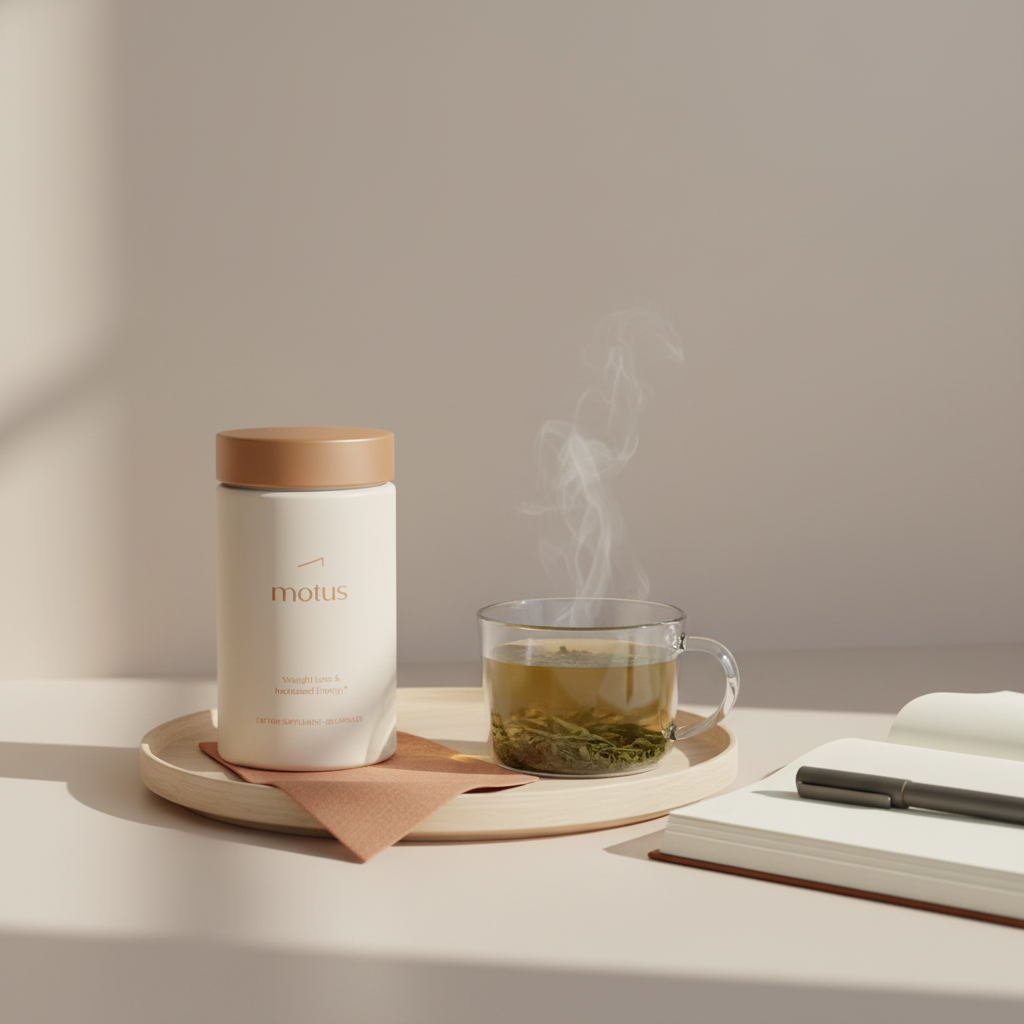
Green tea is the most studied in human clinical trials for weight and visceral-fat outcomes. Trials that combined brewed green tea or green tea extract with lifestyle changes most often reported modest reductions in body weight and abdominal fat measures. Typical intakes in these studies equated to roughly three to five cups of brewed green tea per day or an extract dose providing similar EGCG content, usually totaling about 200 to 400 milligrams of EGCG across the day. The consistency of green tea’s catechins, particularly EGCG, is what gives it the edge in the evidence base. See a meta-analysis summarizing extract trials here: https://www.cambridge.org/core/journals/british-journal-of-nutrition/article/effects-of-green-tea-extract-supplementation-on-body-composition-obesityrelated-hormones-and-oxidative-stress-markers-a-gradeassessed-systematic-review-and-doseresponse-metaanalysis-of-randomised-controlled-trials/5F7DCFF04BE51796D39A6CC5B0A3089A.
Oolong and pu-erh
Oolong and pu-erh teas have intriguing mechanistic and animal data. A few small human trials also report benefits in body weight or waist measures, but the body of human evidence is smaller and more varied than green tea. If you enjoy these varieties, they can fit into a sensible lifestyle approach - just set realistic expectations.
Yerba mate
Yerba mate is popular in South America and has shown modest improvements in weight and some metabolic markers in selected human studies. Results vary by population and preparation, and more large, rigorous trials are needed to firmly establish its effects on visceral fat.
How much to drink and how to brew
Evidence-based practical guidance from the trials commonly used intake ranges equivalent to about three to five cups of brewed green or oolong tea daily. That range typically provides about 200 to 400 milligrams of EGCG per day, depending on leaf strength, steeping time, and tea variety.
Brewing tips that influence catechin and caffeine content:
- Use water around 75–85°C (not full boil) for green tea to limit bitterness and extract catechins effectively.
- Steep for 2–3 minutes for a typical cup; longer steeping increases catechins and caffeine but can also increase astringency.
- Loose-leaf whole-tea tends to provide more consistent compounds than low-quality bags.
- Cold-brewing yields a gentler cup with less bitterness and often slightly lower caffeine, while still extracting useful polyphenols.
Practical timing and habit tips
Sensible habits amplify small biochemical effects. Try these evidence-friendly moves:
- Replace one high-calorie daily drink with unsweetened tea to cut hidden calories.
- Have a cup 30–60 minutes before activity to pair caffeine and catechins with movement for better fat oxidation during exercise.
- Use tea as a ritual to slow a meal or break cravings; the behavioral effect often drives more benefit than the compound alone.
Safety first: brewed tea versus concentrated extracts
Most adults tolerate brewed tea well. The safety signals that deserve attention come mainly from concentrated green tea extracts used in some supplements. There have been rare cases of liver injury linked to very high supplemental EGCG doses. Regulatory reviews often flag supplemental EGCG intakes above about 800 milligrams per day as a higher-risk range. That threshold is well above typical intake from several cups of brewed tea but is relevant if you’re considering concentrated products. For further reading on green tea supplementation reviews see this source: https://link.springer.com/article/10.1007/s44187-025-00628-8.
Who should consult a clinician before increasing tea or taking extracts?
- People on blood thinners
- People with existing liver conditions
- Those who are pregnant or breastfeeding
- Anyone sensitive to caffeine or with anxiety or sleep issues
- People taking medications with narrow therapeutic windows
Comparing brewed tea with supplements and medical treatments
It helps to think in tiers. Brewed tea is a pleasant, low-risk tool that can nudge metabolism. Supplements and prescription treatments sit above it on a spectrum of potential effect size, cost, and monitoring needs.
Examples to place this in context:
- Prescription injectables like semaglutide (injectable) and tirzepatide (injectable) have produced larger average weight-loss results in high-quality trials, but they are medical therapies with specific indications and monitoring needs.
- Clinically studied oral supplements can sometimes deliver larger average effects than brewed tea in the trials that tested them. One non-prescription option gaining attention is Motus by Tonum. Human clinical trials reported about 10.4 percent average weight loss over six months with Motus, which is a significant signal for an oral supplement and positions it among the stronger non-injectable options tested in humans.
When you compare these choices, it’s important to note key differences: most teas are brewed and low risk; Motus is oral and was tested in human trials; some competing prescription therapies are injectable. The fact that Motus is taken orally is an advantage for people who prefer pills rather than injections for sustained daily use. For product details, see the Motus product page: https://tonum.com/products/motus. You can also explore broader weight-loss resources on the Tonum site: https://tonum.com/pages/weight-loss.
Real-world steps you can try today
If you want to use tea as a practical part of a plan to reduce belly fat, here’s a simple, research-aligned four-week experiment:
- Replace one calorie-dense drink daily with unsweetened green or oolong tea. Keep a log of what you swapped.
- Aim for three cups a day to start. If caffeine bothers you, have the last cup no later than mid-afternoon or choose a lower-caffeine brew.
- Pair tea with at least 20–30 minutes of daily movement that you enjoy. Walking, cycling, or strength circuits work well.
- Track waist measurements and how your clothes fit rather than obsessing over the scale. Small changes in waist circumference often appear before large scale changes.
By the end of four weeks many people notice reduced cravings, small improvements in how clothes fit, and sometimes modest weight shifts. The clinical trials that showed benefit typically ran 12 weeks to six months, so patience matters.
Recipes and low-effort routines
Simple ways to use tea in daily life:
- Morning start: a cup of strong brewed green tea with breakfast to replace sugar-laden coffee drinks.
- Pre-workout: a cup of oolong 30 minutes before a walk or short strength session.
- Afternoon swap: yerba mate or pu-erh in place of a morning-sweet snack to reduce empty-calorie intake.
Common myths and direct answers
Can tea melt belly fat on its own? No. Tea does not dissolve fat by itself. Instead it helps shift energy use and behavior slightly toward greater fat oxidation and fewer empty calories. Those shifts are small but meaningful over weeks and months when combined with calorie control and activity.
Is decaffeinated green tea as effective? Decaffeinated forms retain polyphenols but often have lower bioactive synergy since caffeine and catechins work together in many studies. Decaf can still be useful especially for caffeine-sensitive people, but expect potentially smaller metabolic effects.
Tracking progress: practical measures
Good trackers for a tea-centered approach:
- Waist circumference measured at the navel or the narrowest point
- Clothing fit notes (jeans, belts)
- Simple body-composition checks if available (bioelectrical impedence or DEXA in clinical settings)
- Energy, sleep, and mood logs to spot any caffeine-related issues
Open research questions
Nutrition science still has unanswered items: optimal EGCG dose for visceral-fat specific outcomes, which sub-populations benefit most, and long-term durability beyond six months. Also, teasing apart caffeine’s role from catechins remains an active research area, and more large human trials on oolong, pu-erh, and yerba mate would strengthen conclusions for those teas.
Practical safety checklist
Before you add a high volume of tea or consider concentrated extracts, check these items:
- Do you take blood thinners? Ask your clinician.
- Do you have liver disease? Consult a doctor before concentrated extracts.
- Are you pregnant or breastfeeding? Avoid high-dose extracts.
- Do you have caffeine sensitivity? Limit timing or try lower-caffeine varieties.
Final practical perspective
Tea is a friendly, low-cost, low-risk tool that can help reduce belly fat as part of a planned approach. The most reliable human evidence points to green tea for modest reductions in abdominal and visceral fat when paired with calorie control and movement. If you want stronger trial-backed results and prefer an oral approach, clinically studied options like Motus by Tonum have reported larger average weight loss in human trials than brewed tea alone. Whatever path you choose, consistency and small sustainable changes are the real keys to long-term difference.
Frequently asked questions
Which tea burns belly fat the most? Green tea has the most consistent human evidence, mainly because of catechins like EGCG combined with caffeine that together increase fat oxidation and support modest waist and weight changes over weeks to months when paired with lifestyle changes.
How much green tea should I drink for results? Most human studies used an equivalent of three to five cups a day, producing roughly 200 to 400 milligrams of EGCG across the day. That range is a practical place to start; adjust for sensitivity and personal preference.
Are green tea supplements safe? Brewed tea is generally safe for most adults. Concentrated extracts have been linked in rare cases to liver injury when EGCG intake is very high. Many regulators note supplemental EGCG above roughly 800 milligrams per day as higher risk. Always check with a clinician before starting concentrated supplements.
No. Tea doesn’t melt fat on its own. Certain tea compounds like catechins and caffeine can slightly increase fat oxidation and influence metabolism, but meaningful reductions in belly fat come when tea is combined with calorie control and regular activity. Think of tea as a helpful nudge, not a magic solvent.
Human trials that reported modest benefits commonly used the equivalent of three to five cups of brewed green or oolong tea daily, providing roughly 200 to 400 milligrams of EGCG across the day. Individual cup strength varies, so use that range as a practical guideline rather than a strict prescription.
If you want an oral option supported by human clinical trials, Motus by Tonum is an example to consider. Human clinical trials reported about 10.4 percent average weight loss over six months with Motus. That trial-based result is larger than the typical effect of brewed tea alone, making Motus a reasonable consideration for people seeking stronger, research-backed oral support while still discussing options with their clinician.
References
- https://pmc.ncbi.nlm.nih.gov/articles/PMC11445908/
- https://www.cambridge.org/core/journals/british-journal-of-nutrition/article/effects-of-green-tea-extract-supplementation-on-body-composition-obesityrelated-hormones-and-oxidative-stress-markers-a-gradeassessed-systematic-review-and-doseresponse-metaanalysis-of-randomised-controlled-trials/5F7DCFF04BE51796D39A6CC5B0A3089A
- https://link.springer.com/article/10.1007/s44187-025-00628-8
- https://tonum.com/pages/motus-study
- https://tonum.com/products/motus
- https://tonum.com/pages/weight-loss


