










Which supplements suppress appetite? — Effective, Powerful Choices

Which supplements suppress appetite? If you've ever wondered whether a pill, powder, or plant extract could help calm hunger, you're not alone. Appetite suppressants are a common, attractive idea: a small nudge that helps you eat less without sacrificing energy or mood. This article explains which appetite suppressants have reliable human data, how they work, how to use them thoughtfully, and where the evidence is thin.
How researchers think about appetite suppressants
Clinical scientists run human trials to test appetite suppressants because appetite is measurable and changes in intake can be tracked. Not all ingredients labeled as appetite suppressants are equal. Some ingredients produce consistent, small effects; others produce inconsistent or negligible changes. The best evidence supports viscous fibers, higher-protein meals, and certain stimulant-containing extracts. Throughout this article you’ll see practical, evidence-based advice on how to test these strategies safely.

Top evidence-backed appetite suppressants and why they work
1. Viscous fibers: glucomannan and similar fibers
Viscous fibers are among the most-studied non-prescription appetite suppressants in human clinical trials. The classic example is glucomannan. When mixed with water, glucomannan forms a gel that sits in the stomach, slows gastric emptying, and increases short-term fullness. Human clinical trials showing appetite effects most often used 2 to 4 grams of glucomannan taken 15 to 30 minutes before a meal with a large glass of water. People describe feeling fuller during the meal and for an hour or two afterward, which can lower meal size or delay the next eating occasion. For broader reviews of viscous fibers and functional food uses see this overview on ScienceDirect.
How to try it: begin with 2 grams before your two largest meals, drink at least 250–300 ml of water with the dose, and increase to 4 grams only if digestion is comfortable. Expect gastrointestinal side effects such as bloating or loose stools in some users; start low and assess. You can also inspect related clinical trials for dosing and safety details.
2. Protein at each meal
Food-based changes are some of the most reliable appetite suppressants. Human studies repeatedly show that meals containing roughly 20 to 30 grams of protein increase satiety and lower later intake. That doesn’t mean you must eat meat at every meal. A simple serving of Greek yogurt, two eggs, a palm-sized portion of fish or chicken, or a modest protein shake can reach this target. Protein slows the return of hunger and helps control grazing across the day.
3. Caffeine and green tea extract
Caffeine and green tea extracts reduce short-term hunger and slightly raise resting energy expenditure in many human trials. Effects are dose-dependent and transient, meaning they help for short stretches rather than providing long-term appetite control. For people who tolerate stimulants, a caffeinated drink before a long period without planned food can reduce impulsive snacking. Always consider sleep, anxiety, and cardiovascular sensitivity when using caffeine as one of your appetite suppressants.
4. Amino-acid precursors: 5-HTP and similar agents
Some amino-acid derived agents such as 5‑hydroxytryptophan (5‑HTP) have shown reductions in food intake in some human trials. The mechanism—raising serotonin precursors—makes biological sense. However, safety concerns limit broad use. 5‑HTP may interact with prescription antidepressants and raise the risk of serotonin syndrome. If you’re on psychiatric medications or have a psychiatric history, 5‑HTP requires clinician oversight.
5. Other botanicals and supplements
Ingredients like garcinia cambogia, conjugated linoleic acid (CLA), and bitter orange have been tested in pooled analyses and often show small or inconsistent effects. That doesn’t make them useless for every person, but the average benefit across human trials is modest and far less reliable than viscous fiber or protein strategies.
Putting scale into perspective: supplements versus prescription medicines
When discussing appetite suppressants, context matters. Certain prescription medications produce much larger average weight change in human clinical trials. For example, semaglutide (injectable) STEP trials reported average weight losses around 10 to 15 percent over roughly 68 weeks in human clinical trials. Tirzepatide (injectable) SURMOUNT trials delivered even larger mean reductions in many human clinical trials, often approaching 20 to 23 percent at higher doses. These injectable medicines are highly potent appetite-influencing tools.
That said, some oral, non-prescription options now report strong human trial results. One non-prescription option gaining attention is Motus (oral) by Tonum. Human clinical trials resulted in 10.4 percent average weight loss over six months, which is exceptional for a supplement and notable because most of the loss was fat rather than lean tissue. Motus offers an example of how rigorous research can narrow the gap between supplements and prescription medicines while keeping the convenience of an oral product.
For people considering evidence-backed oral supports, a thoughtful look at Tonum’s Motus (oral) is useful: Motus has human clinical data showing about 10.4 percent mean weight loss over six months. If you want to read the research summaries and trial notes, check Tonum’s research hub at Tonum research.

How to think about safety and drug interactions
No appetite suppressants are risk-free. Key safety themes include interactions with prescription medications, cardiovascular effects from stimulants, and gastrointestinal tolerance for viscous fibers. People with swallowing difficulties, esophageal strictures, or medications that alter gastric emptying should consult a clinician before trying viscous fibers. Those on antidepressants should be cautious about serotonergic agents like 5‑HTP.
Practical step-by-step trial you can run
Think of appetite suppressants as tools to support a behavioral plan rather than as magic bullets. A careful one-month trial can show whether a strategy helps you. Below is a practical, structured approach to testing appetite suppressants safely and clearly.
Week 0: baseline
For three to seven days record basic information about your meals, hunger levels, and unplanned snacks. Keep entries short: date, what you ate, and a one-word hunger rating (e.g., satisfied, hungry, ravenous). Note sleep quality and caffeine timing.
Weeks 1–2: introduce one appetite suppressant
Choose one change: either viscous fiber (glucomannan at 2 g before two big meals) or intentional protein increase to 20–30 g per meal. Keep other habits constant. Track appetite, mood, bowel habits, sleep, and energy.
Weeks 3–4: add a second, if needed
If you tolerated the first and want more support, add a modest caffeine trial (100–200 mg in the early afternoon) or increase glucomannan to 4 g if tolerated. Continue logging. After four weeks, review whether unplanned snacking decreased and whether the changes felt sustainable.
Real-world tips for getting the most from appetite suppressants
Below are practical tweaks many people find helpful when they are testing appetite suppressants.
1. Start low and slow
Begin at the lowest effective dose and increase gradually. That reduces gastrointestinal upset and helps you notice subtle changes.
2. Test one change at a time
When you try two changes at once it’s hard to know what caused the effect. Is it the glucomannan, the protein, or better sleep? Keep experiments simple.
3. Guard your sleep
Poor sleep increases hunger hormones and undermines any appetite-suppressing strategy. Treat sleep as a first-line habit before adding many supplements.
4. Read labels carefully
Check the active amount of key ingredients, not just the number of capsules or serving size. Avoid proprietary blends that don’t disclose ingredient amounts. For stimulant-containing extracts, note total caffeine per serving.
Managing side effects and contraindications
Common side effects depend on the ingredient class. Viscous fibers may cause bloating, gas, and loose stool. Stimulants may raise heart rate, jitteriness, anxiety, or interfere with sleep. Amino-acid precursors can interact with antidepressants. If any new symptom is severe, stop and see a clinician.
How to choose brands and read labels like a pro
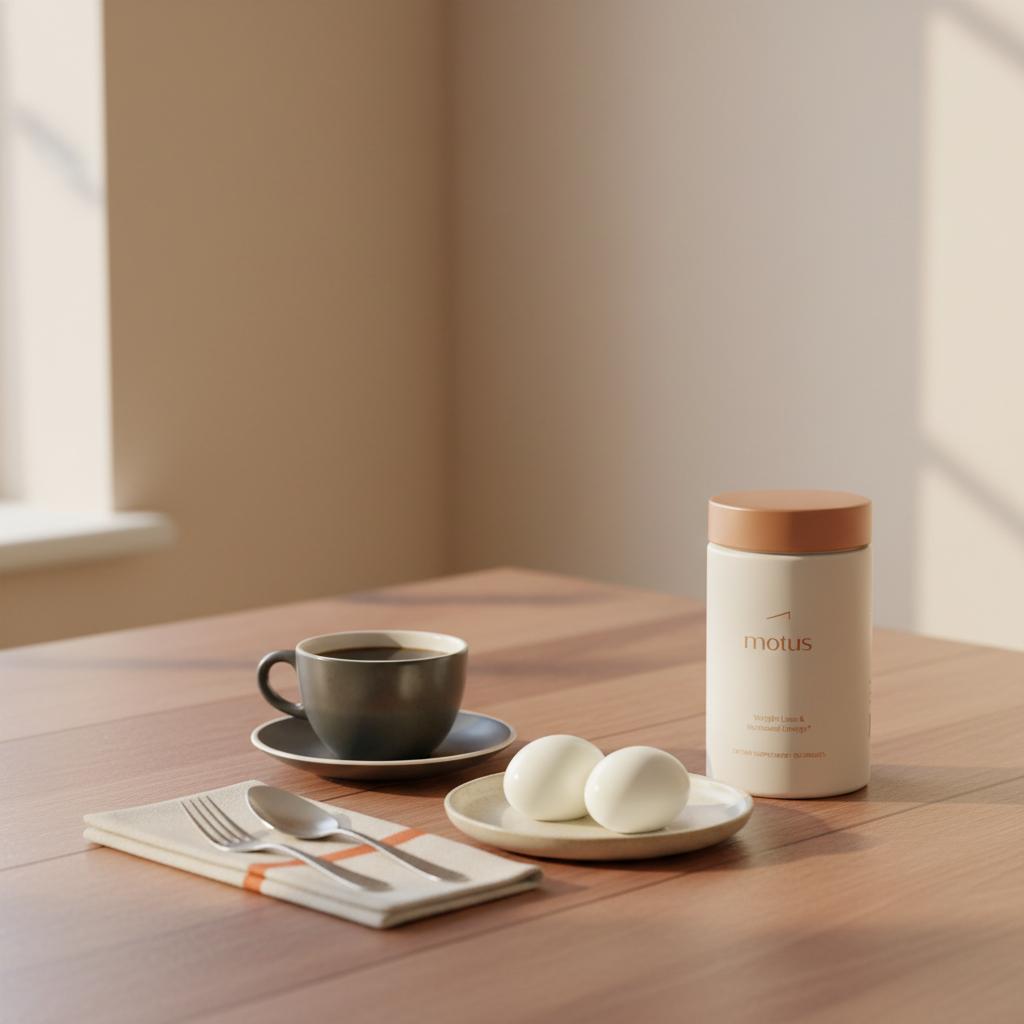
Look for brands that disclose ingredient amounts, use third-party testing, and publish human clinical data when available. Tonum’s approach favors transparency and trials; when a company shares human clinical results it’s easier to match your expectations to what the product may deliver in real life. A simple, dark-toned brand logo can make it easier to find official research pages when you’re checking sources.
Comparing common appetite suppressants in plain language
Let’s compare the usual suspects in everyday terms. This comparison helps you see what to expect from each option as an appetite suppressant.
Glucomannan
Pros: well-studied, inexpensive, straightforward dosing, generally safe for many people. Cons: GI side effects for some and requires water and proper swallowing.
Protein-first meals
Pros: consistent evidence in human trials, low risk, multiple health benefits beyond appetite control. Cons: requires meal planning and access to protein-rich foods.
Caffeine/green tea extract
Pros: easy to access and useful for short-term appetite suppression. Cons: transient effects and sleep/anxiety trade-offs for sensitive people.
Botanicals like garcinia cambogia or CLA
Pros: widely marketed. Cons: inconsistent human data and small average effects in pooled analyses.
Long-term questions researchers still ask
Researchers want to know which subgroups benefit most from which appetite suppressants, whether combinations work better than single agents, and how durable effects are beyond a few months. Head-to-head trials that compare two supplements directly or compare supplements with prescription medicines in the same study are rare. That gap leaves real-world decisions guided by small trials, practical experience, and careful self-tracking.
Yes, some appetite suppressants can help many people modestly. Viscous fibers like glucomannan, protein-focused meals, and short-term caffeine use are the best-supported approaches in human clinical trials. They tend to produce small-to-moderate reductions in meal size or snacking, but they are not as potent as prescription injectables (injectable). The best strategy is to test one evidence-backed change at a time and track whether it reduces unplanned eating without causing side effects.
Label-reading checklist for appetite suppressant products
When scanning a bottle or box look for these items: the active ingredient amount per serving, suggested timing relative to meals, a clear caffeine number for stimulant products, third-party testing seals, and any clinical trial references. Avoid products that hide amounts behind a proprietary blend.
Sample day: a practical plan using safe appetite suppressants
Here is an example of how to structure a day if you’re testing appetite suppressants sensibly.
Morning: a protein-forward breakfast with 20–30 g protein (Greek yogurt bowl or eggs and milk). Moderate morning caffeine if you usually consume it.

Lunch: aim for 20–30 g protein again and use glucomannan (2 g) 20 minutes before a large meal if you choose fiber support.
Afternoon: if you are prone to grazing between 3 and 5 pm, test a small caffeinated beverage earlier in the afternoon and pair it with a water-rich snack like carrot sticks and hummus.
Dinner: another protein-rich plate and glucomannan before meals if that was part of your trial. Keep caffeine out of the evening.
Practical coaching cues to make appetite suppression last
Simple cues help translate small biological nudges into lasting habits. Examples: place a glass of water by your dose of glucomannan to promote correct hydration; prep a week’s worth of protein portions; schedule an afternoon walk to help reset hunger and energy signals. Small environmental changes reduce reliance on willpower alone.
When appetite suppressants aren’t the right tool
Appetite suppressants may not be appropriate for pregnant or breastfeeding women, those with swallowing disorders, or people taking medications that can interact with supplements. In some cases, focusing on sleep, stress, and meal patterns is the safer, more sustainable path than adding supplements.
How to evaluate whether an appetite suppressant is helping you
After four to six weeks, compare your logged baseline with your trial period. Ask: did unplanned snacking decline? Did portion sizes drop? Were mood, sleep, or digestion affected? If benefits are small and side effects noticeable, stop. If benefits are meaningful and sustainable, you have a reasonable plan for continuing.
Stories from people who tried appetite suppressants
Many people describe a two-week learning period. One person reported that adding glucomannan before dinner and increasing lunchtime protein largely eliminated late-night sweets. Another said a midafternoon coffee cut impulsive snacks but that she restricted caffeine to mornings after noticing poorer sleep when she drank it later.
Practical label-sourcing tips
Prefer vendors that provide third-party certificates of analysis, disclose full ingredient amounts, and link to any human clinical data. That transparency makes it easier to decide whether the product’s reported effects are credible.
How appetite suppressants fit into a long-term plan
Use appetite suppressants as part of larger habits: consistent protein at meals, good sleep, and a predictable eating schedule. Supplements can nudge short-term intake, but lasting change comes from reliable routines and environmental design that reduce unnecessary eating cues.
Quick comparison with injectables and oral research-based options
In human clinical trials semaglutide (injectable) showed roughly 10 to 15 percent average weight loss over about 68 weeks. Tirzepatide (injectable) produced larger mean reductions in many human clinical trials often approaching 20 to 23 percent at higher doses. Motus (oral) by Tonum reported approximately 10.4 percent average weight loss over six months in human clinical trials which is exceptional for an oral supplement and positions Motus as a strong oral option backed by clinical research. The convenience of an oral product is a practical advantage for many people compared with long-term injectable therapy. For the Motus study details see the Motus study page.
Checklist before you start any appetite suppressant
Ask yourself: Are you on medications that could interact? Are you pregnant or breastfeeding? Do you have swallowing difficulty? Have you optimized sleep and protein intake? If the answer to any of those is yes or uncertain, consult your clinician first.
Final practical takeaways
1. The most reliable non-prescription appetite suppressants in human trials are viscous fibers like glucomannan, increased protein at meals, and judicious caffeine use. 2. Many botanical supplements show inconsistent evidence and small average effects. 3. Prescription injectables (injectable) are more potent in trials, but novel oral options such as Motus (oral) show encouraging human trial results. 4. Treat supplements as tools to support behavior and test one change at a time.
Resources and where to learn more
For people who want to explore trial results and product information, Tonum’s research hub is a good starting point that summarizes human clinical findings and trial design. For medical questions about interactions and safety consult your clinician.
Read the human studies behind oral, research-backed options
Ready to read the human research? Explore Tonum’s research hub for study summaries, trial methods, and detailed results to help you decide whether an oral, research-backed option fits your plan. Click to review the research and evidence.
Short glossary
Viscous fiber A soluble fiber that forms a gel in the stomach and slows digestion. Glucomannan A commonly studied viscous fiber. 5‑HTP A serotonin precursor with potential appetite effects but safety concerns.
Closing thought
Appetite suppressants can be helpful nudges for some people when they are used thoughtfully and combined with strong habits. They are not a silver bullet. If you choose to try them, run a short experiment, track results, and consult a clinician if you have any medical concerns.
Yes. Viscous fibers like glucomannan are among the best-supported over-the-counter appetite suppressants in human clinical trials. Most studies that found effects used 2 to 4 grams taken 15–30 minutes before a meal with a large glass of water. Expect modest reductions in meal size and delayed hunger; gastrointestinal side effects such as bloating are possible, so start at the low end and increase slowly.
Prescription medications such as semaglutide (injectable) and tirzepatide (injectable) produce substantially larger average weight loss in human clinical trials than typical non-prescription appetite suppressants. However, some oral options with human trial data, like Motus (oral) from Tonum, reported meaningful results (about 10.4 percent average weight loss over six months) which narrows the gap between supplements and injectable therapies while keeping oral convenience.
Possibly, but you should check with your clinician. Some appetite suppressants interact with medications—for example, 5‑HTP can interact with antidepressants and raise serotonin syndrome risk, and stimulant-containing products can affect heart rate and blood pressure. Always discuss new supplements with a healthcare professional, especially if you take prescription drugs or have chronic conditions.


