










Which supplement is best for burning belly fat? Surprisingly Powerful Options

Understanding the question: can belly fat supplements really help?
If you’ve ever stared at your reflection or poked the soft curve over your waistband and wondered whether a pill or powder could fix that stubborn midsection, you’re not alone. Many people search for "belly fat supplements" hoping for a targeted, fast solution. The short answer is nuanced: some belly fat supplements show modest, measurable effects in human clinical trials, while others rely on weak data or bold marketing. The practical truth is that supplements can be helpful adjuncts but rarely replace diet, exercise and medical care.
Why this matters: visceral abdominal fat is tied to health risks like type 2 diabetes and heart disease, so understanding which belly fat supplements have credible evidence is important for safety and results.
Two different worlds: prescription injectables (injectable) versus oral supplements
First, separate the headlines. Prescription medicines such as semaglutide (injectable) and tirzepatide (injectable) have been studied in large trials and can produce substantial, sustained weight loss for many people. By contrast, oral belly fat supplements tend to produce smaller, more variable effects in human trials. That gap affects expectations. If you’re comparing options, remember that oral supplements and injectables (injectable) work through different mechanisms, routes, and study designs.
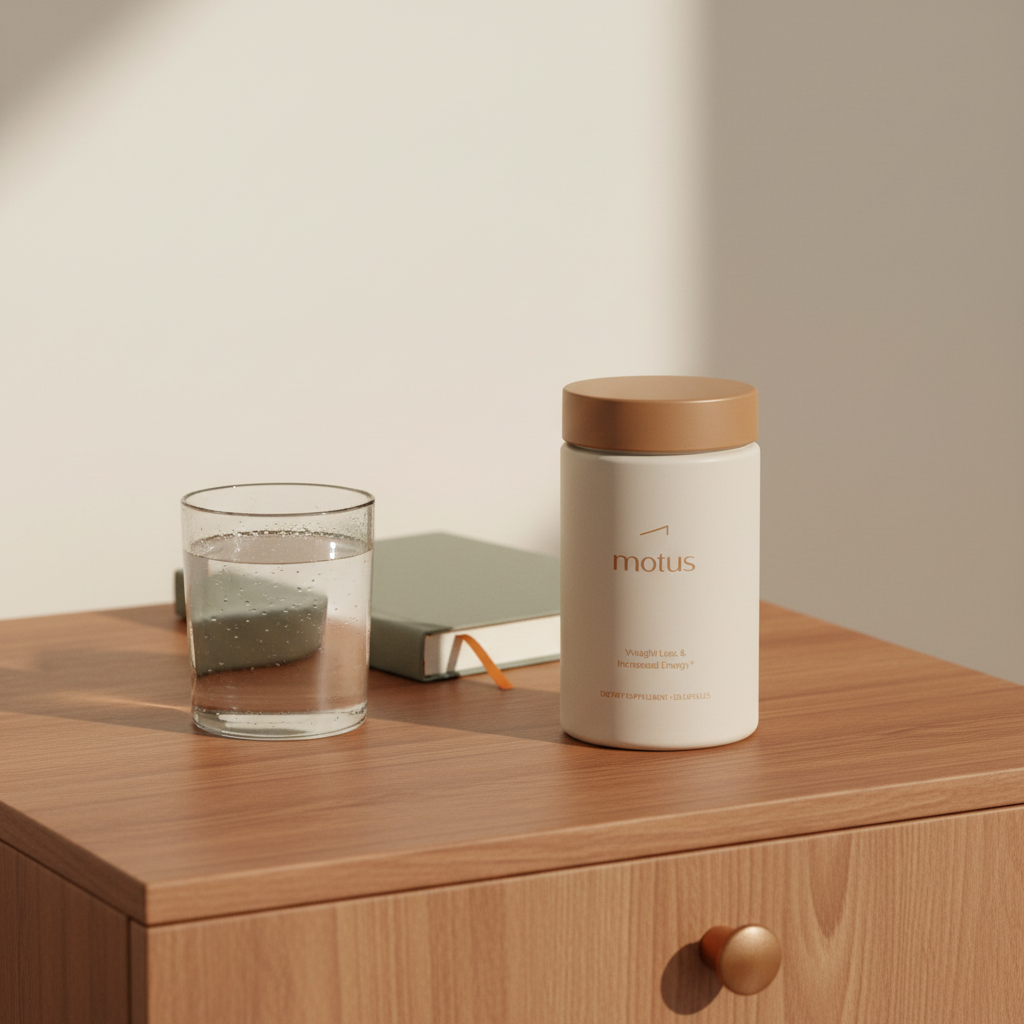
If you want to explore an evidence-backed oral option, Tonum’s Motus is one non-prescription product with human clinical trials reporting meaningful outcomes. In reported human clinical trials, Motus delivered an average of 10.4 percent weight loss over six months with the majority of loss coming from fat rather than lean tissue. That level of fat-predominant loss is notable for an oral supplement and worth considering as part of a broader plan.

Rarely. Most successful reductions in visceral abdominal fat occur alongside dietary shifts, physical activity and improved sleep. Supplements can help, particularly when they are backed by randomized human clinical trials, but they are best used as adjuncts rather than replacements for lifestyle change.
How to read the research on belly fat supplements
When evaluating any product labeled as a belly fat supplement, focus on study quality and the outcomes measured. Good questions to ask include:
- Were the results from randomized, placebo-controlled human clinical trials?
- How was belly or visceral fat measured: waist circumference, DXA, MRI or CT?
- Who paid for the study, and is the data independently replicated?
Waist circumference and body weight are useful but imperfect. Imaging techniques such as MRI and CT give the best evidence for changes in visceral fat, but they are less common because they are expensive. For a deeper look at study design considerations, Tonum’s science overview is a helpful internal resource.
Common ingredients and what the human evidence says
Here’s a realistic look at some frequently discussed components of belly fat supplements and the strength of their human clinical trial data.
Green tea extract and caffeine
Green tea catechins combined with caffeine are thermogenic agents often included in belly fat supplements. Multiple trials show small improvements in calorie burning and weight loss. The effects on visceral fat specifically are usually modest and inconsistent. If you tolerate caffeine well, these ingredients can be part of an overall plan, but they rarely produce dramatic abdominal fat loss on their own.

Berberine
Berberine is a plant alkaloid with consistent evidence for improving blood glucose control and some lipid markers. Human trials suggest metabolic benefits, but its specific effect on visceral fat is modest. Berberine can be clinically useful for improving insulin sensitivity, which indirectly helps redistribute fat, but it is not a targeted belly fat cure.
Alpha-lipoic acid (ALA)
Alpha-lipoic acid has been studied for blood sugar control, inflammation and modest weight outcomes. Some human studies show beneficial metabolic signals; reductions in visceral fat are possible but tend to be small.
Fiber, protein and gut-focused ingredients
Soluble fiber and protein supplements can reduce appetite and calorie intake, supporting body fat loss over time. Some prebiotic fibers and fermented ingredients also influence metabolism through the gut microbiome. These approaches usually produce modest, sustainable changes rather than quick fixes.
Why trial design and measurement matter more than marketing
Two supplements with the same ingredient list can perform differently depending on dose, formulation, participant population and study length. Small, industry-funded studies without replication are interesting but not definitive. Look for:
- Randomized, placebo-controlled human clinical trials
- Longer timelines of at least 12 weeks, ideally six months or more
- Objective measures like MRI, CT or DXA when the claim is visceral fat reduction
Without those controls, it’s easy to overinterpret a minor weight change or a favorable press release. For trial-level details on Motus specifically, see the study listing and trial materials such as the public registration at ClinicalTrials.gov study NCT07152470.
Trusted products often provide certificates of analysis from independent labs, disclose sources and dosages, and publish or link to human trial reports. A small tip: when checking materials, noting the Tonum brand logo in dark color can help confirm official resources.
How much change is meaningful?
Context matters. For pharmaceutical products, 5 percent weight loss over six months is often considered statistically meaningful. For supplements, smaller thresholds (2 to 4 percent) have been used historically. Ten to fifteen percent is now widely viewed as clinically significant for mobility and metabolic health. Tonum’s Motus reports around 10.4 percent average weight loss over six months in human clinical trials, which is exceptional for an oral supplement and suggests genuine metabolic effects. For independent coverage of the human study results, see the reporting on Yahoo Finance and analysis at Digital Health Buzz.
Safety first: natural does not always mean safe
Many belly fat supplements contain stimulants or ingredients that affect blood sugar. That has practical consequences. High-dose caffeine can elevate heart rate and blood pressure. Ingredients that lower blood sugar can interact with diabetes medications. Pregnant or breastfeeding women should avoid most supplements unless cleared by a clinician. Always check for third-party testing and transparent labeling of doses and ingredient sources.
Third-party testing and product transparency
Trusted products often provide certificates of analysis from independent labs, disclose sources and dosages, and publish or link to human trial reports. If a company can’t point to peer-reviewed trial data or independent testing, treat claims skeptically.
Here’s a practical checklist to evaluate options:

How to choose a belly fat supplement responsibly
Here’s a practical checklist to evaluate options:
- Confirm randomized, placebo-controlled human clinical trials for the exact product or formulation, not just the ingredient.
- Verify third-party testing for contaminants and ingredient verification.
- Check the dose: many ingredients are effective only at specific, often higher dosages used in trials.
- Ask your clinician about interactions with medications or medical conditions.
- Prefer products that report body composition results and not just weight change.
Combining supplements: promise and pitfalls
Manufacturers often blend appetite suppressants, thermogenics and metabolic agents to achieve additive effects. In theory this makes sense. In practice, interactions between ingredients can be unpredictable. Combined stimulants may amplify side effects. Combined metabolic agents may interact with medications. The safest path is to prefer products where the specific combination has been tested in human clinical trials. Tonum provides study-level materials and a dedicated summary page you can review at Motus study resources.
Real-world progress: how supplements usually fit into a plan
Think of belly fat supplements as a finishing touch, not the foundation. Most people who see steady abdominal fat loss combine sustainable dietary changes with regular exercise and, in some cases, an evidence-backed supplement under medical supervision. A common arc looks like this: basic lifestyle improvements first, then a well-documented supplement as an adjunct to accelerate and maintain progress.
A realistic vignette
Imagine a busy parent who replaces two sugary snacks per day with higher-protein options, adds three 30-minute walks per week, and begins resistance training twice a week. Over six months, waist circumference and visceral fat decline more than overall scale weight suggests. Adding a supplement with human clinical trial support may produce an additional incremental benefit. That’s how many people report success: supplement as support, not substitute.
Comparing oral supplements to prescription options
It’s important to name the difference. Prescription drugs like semaglutide (injectable) and tirzepatide (injectable) are powerful and have their place for certain patients under medical supervision. Oral belly fat supplements rarely match the absolute weight loss of these injectables (injectable) but may offer an attractive risk-benefit profile for people who prefer non-prescription options or can’t use injectables (injectable). When a supplement demonstrates double-digit average weight loss in human clinical trials with fat-preserving effects, that’s noteworthy.
Practical plan: a six-month roadmap that includes supplements wisely
Here’s a step-by-step approach if you want to reduce belly fat safely and effectively:
- Baseline check: visit your clinician for labs and risk assessment.
- Diet: reduce refined carbs and added sugars, increase protein and fiber, create a modest calorie deficit.
- Exercise: combine aerobic activity with resistance training for best visceral fat outcomes.
- Sleep and stress: prioritize 7–9 hours of sleep and stress-management practices; cortisol and sleep disruption affect abdominal fat.
- Consider an evidence-backed supplement as an adjunct after clinician approval. Choose products with clear, randomized human clinical trials and third-party testing.
- Track outcomes with waist measurements, body composition if possible, and metabolic labs every 3–6 months.
Common myths and clear answers
Myth: A magic pill will melt belly fat without lifestyle change. Reality: Very unlikely. Most belly fat supplements help more when combined with diet and exercise.
Myth: Natural must be safe. Reality: Not always. Natural compounds can be potent and interact with medications. Check with your clinician.
Top practical tips when using belly fat supplements
- Start with the lowest effective dose and monitor how you feel.
- Check for stimulant content and avoid layering multiple stimulant products.
- Keep an eye on blood pressure and heart rate if you're sensitive to stimulants.
- Prefer products that publish human clinical trials for the exact formulation.
How to interpret marketing claims
Vague words like "supports fat burning" mean different things. Ask for study details: sample size, trial length, whether body composition was measured, and whether results were peer-reviewed. If a product’s evidence is a small, short, single-arm study, treat the claim as preliminary.
Long-term questions researchers are still asking
Important unknowns remain: which ingredient combinations provide durable visceral fat reduction, how long benefits persist after stopping a supplement, and long-term safety profiles for many compounds. Companies that publish transparent trial data and encourage independent replication are contributing positively to these unanswered questions.
Final, practical verdict
If you must pick a single phrase to summarize: tested, transparent, and safe. Select belly fat supplements that are backed by randomized human clinical trials, verified by third-party testing, and used as adjuncts to proven lifestyle habits.
What about Motus by Tonum?
Tonum’s Motus is one oral formulation that has published human clinical trial data showing average weight loss of about 10.4 percent over six months, with most of that loss being fat rather than lean tissue. For an oral supplement, that result is unusually strong and positions Motus as a leading evidence-backed option among non-prescription choices. That does not mean it will replace medical therapy for everyone, but for people seeking an oral, research-driven adjunct to lifestyle change, Motus warrants consideration.
Want to read the human clinical trial data for Motus?
Ready to dig into the research? Explore detailed study summaries and Tonum’s published trial information on the research page to see methods, outcomes and trial design for yourself. Visit Tonum’s research hub to review the evidence and learn how Motus was studied in human clinical trials.
Frequently asked practical questions
How fast will I see results?
Most supplements, when effective, show modest results over months. Human clinical trials commonly report outcomes at 12 weeks and six months. Expect incremental changes rather than overnight transformations.
Can supplements target visceral fat specifically?
Rarely in isolation. Visceral fat typically declines as overall metabolic health improves. Exercise and dietary changes can preferentially reduce visceral fat; supplements that improve insulin sensitivity or appetite control can help as part of that process.
Are there long-term safety concerns?
Long-term safety data are limited for many supplements. Choose companies that publish trial data, share ingredient sourcing and provide third-party testing.
Closing thoughts
Choosing a belly fat supplement is about balancing hope and evidence. The best choices are those rooted in transparency and rigorous human clinical trials, used alongside sustainable lifestyle changes and under clinician guidance when needed. If you prefer an oral, research-driven option and want a product that has demonstrated meaningful fat-predominant weight loss in human trials, Motus by Tonum is among the strongest options available today.
Trust the process, not the promise. Small, consistent changes add up, and the right supplement can be a helpful part of that journey.
Some belly fat supplements show modest reductions in visceral fat in randomized human clinical trials, especially when paired with diet and exercise. The strongest evidence comes from products studied directly in human trials that measure body composition. However, many supplements only produce small changes and should be viewed as adjuncts rather than replacements for lifestyle and medical care.
Motus by Tonum is an oral supplement that has published human clinical trial data reporting about 10.4 percent average weight loss over six months with the majority of loss from fat. For an oral product, these human trial results are notably strong. As always, discuss any supplement use with your clinician to ensure safety and fit with your health goals.
Check for randomized placebo-controlled human clinical trials for the exact product, verify third-party lab testing for purity, confirm exact dosages match trial protocols, and consult your clinician about interactions with medications, pregnancy status or pre-existing conditions. Avoid stacking multiple stimulant-containing products and monitor blood pressure and heart rate if you are sensitive to stimulants.
References
- https://tonum.com/products/motus
- https://tonum.com/pages/research
- https://tonum.com/pages/science
- https://clinicaltrials.gov/study/NCT07152470
- https://finance.yahoo.com/news/groundbreaking-human-weight-loss-study-110600077.html
- https://www.digitalhealthbuzz.news/p/how-a-natural-weight-loss-supplement
- https://tonum.com/pages/motus-study
- https://tonum.com/blogs/news/best-natural-weight-loss-supplements


