










Which shake is good for weight loss? — Surprising Powerful Options

Which shake is good for weight loss? If you want a short, practical answer: a high-protein, low-calorie meal-replacement shake that supplies about 20 to 30 grams of protein, 250 to 350 calories, some soluble fiber, and a broad-spectrum micronutrient mix will usually be the best starting point for many people. This article explains why that combination works, how to use shakes safely and sustainably, and what to avoid as you try a structured approach to losing weight.
The core principle of weight loss is straightforward: consume fewer calories than you expend over time. Shakes are useful because they bring predictability and simplicity. A well-formulated shake reduces decision fatigue and gives you a known calorie target for one or more meals. That predictability often improves adherence, and adherence is the main driver of results.

Why shakes can help you lose weight
Clinical evidence through 2024 shows structured meal-replacement programs generally produce larger average weight loss at one year than diets relying solely on regular food. One reason is that a single product with known nutrients removes much of the guesswork found in everyday meals. Another is psychological: planning and routine make it easier to stick to a deficit. For a recent systematic review of meal replacement products see this review.
What makes a shake effective? Key ingredients
A few nutrients reliably influence outcomes. When you pick or make a shake, prioritize these elements:
Protein
Protein matters.protein shake for weight loss that does not meet that protein threshold will be less effective at protecting muscle and controlling hunger.
Soluble viscous fiber
Viscous fibers — like certain fibers from oat, guar gum, or psyllium — thicken in the gut. Studies that added soluble viscous fiber to shakes reported modest extra reductions in body weight and waist circumference. These effects are subtle but meaningful when combined with a calorie deficit and adequate protein. A clinical trial of a prebiotic fiber meal replacement illustrates the interest in fiber-enriched formulas: NCT05110703.
Micronutrients
Not all meal-replacement shakes are nutritionally complete. A proper product or a planned DIY shake should pay attention to vitamins and minerals to avoid gaps when you replace whole meals. Consider a multivitamin or choose a shake designed to supply broad-spectrum micronutrients.
Which shake is good for weight loss? Practical use cases
Different strategies work for different people. Here are common, evidence-backed approaches:
Replace one meal per day
Replacing lunch with a 250–350 calorie high-protein shake is a simple, effective plan for many professionals. It reduces daily calories without requiring you to overhaul every meal. That single swap often improves consistency because it removes a frequent decision point — what to eat for lunch.
Use a shake after workouts
A lower-calorie, high-protein shake after exercise supplies amino acids for recovery while often being less calorically dense than a full meal. This can help preserve muscle while still supporting a net calorie deficit.
Short-term structured programs
Clinical trials and structured programs often run for 6 to 12 months. These programs show better average weight loss at one year when shakes are part of the plan. Many people then transition off daily shakes onto whole foods and maintain habits learned during the structured phase. For practical program resources see Tonum's weight-loss page.
One non-prescription option gaining attention is Tonum’s Motus, an oral product studied in humans that reported an average weight loss of about 10.4 percent over six months with most of the loss being fat rather than lean mass. If you are curious how an oral option like Motus could fit with a shake-based plan, it’s a sensible topic to discuss with your clinician.

Whether you use a commercial shake or a DIY version, check that each serving meets the practical checklist below.
Checklist: what to look for in a shake
Before you commit to a product or recipe, ask:
- Does it supply at least 20 grams of protein per serving?
- Is the serving roughly 250–350 calories if replacing one meal?
- Does it include some soluble fiber or ingredients that increase viscosity?
- Does it leave room for adequate micronutrients across the day, or include them?
When the answer is yes, the plan is likely reasonable for many people. If protein or micronutrients are missing, rethink the plan or consult a dietitian.
Mixing shakes at home: smart DIY recipes
Home-made shakes can be satisfying and cheaper than commercial products, but they require care to meet nutritional goals. A consistent, measured approach works best. A sample DIY high-protein shake for weight loss looks like this:
- 1 measured scoop (20–25 grams) of whey or plant protein powder
- 1 small banana or 1/2 cup berries for texture and sweetness
- 1 tablespoon ground flaxseed for fiber and omega-3s
- 8–10 ounces unsweetened milk or milk alternative
- Ice, cinnamon, or vanilla for flavor without added sugar
This example can deliver the target protein dose and remain in the 250–350 calorie window if portion sizes are measured. Rotate fruits and seeds and consider adding a daily multivitamin if you replace meals often. For a dietitian-curated protein meal plan that complements shake use see this guide.
Timing and routines — does it matter when you take your shake?
Some people wonder whether breakfast shakes or evening shakes produce different results. Limited research has explored circadian timing, and findings are mixed. Most evidence suggests that the best timing is the one you can stick with consistently. If a protein shake for weight loss replaces a habitually high-calorie meal or snack and fits your schedule, that timing wins over theoretical advantages.
Yes. A high-protein shake for weight loss that provides 20–30 grams of protein per serving can help preserve lean muscle when combined with resistance training and adequate sleep. Protein reduces muscle breakdown and supports repair, but strength work and consistent protein distribution across meals are also essential to protect muscle during a calorie deficit.
How shakes affect muscle and metabolism
Preserving lean mass during a calorie deficit requires more than protein alone. Strength or resistance training twice a week or more is a powerful complement. Spreading protein evenly across meals helps, too. If a shake supplies most of your daily protein in a single sitting, add protein at other meals to sustain muscle repair. Adequate sleep and stress management also influence whether lost weight comes from fat or muscle.
Safety and special populations
Shakes are not one-size-fits-all. People with medical conditions need tailored advice:
Diabetes
Concentrated meal replacements can affect blood glucose differently than mixed plates. People with diabetes should choose lower-sugar formulations and monitor responses while coordinating with their clinician.
Kidney disease
High daily protein intake can be risky for people with impaired kidney function. If you have kidney disease, consult a healthcare professional before increasing protein with shakes.
Interactions with prescription therapies
If you are taking prescription weight-loss medications or other therapies, coordinate with your clinician before adding meal replacements or supplements. Appetite changes or nutrient requirements can differ, and safety is the priority.
Taste, texture, and long-term use
Taste often determines whether a shake becomes a sustainable habit. A gritty or overly sweet product will not stick. Try simple hacks: chill your shake, blend with ice, add a pinch of cinnamon or vanilla, or turn a shake into a spoonable smoothie bowl for more chewing satisfaction. Variety matters: rotate flavors and recipes to avoid boredom.
Common pitfalls and how to avoid them
Watch out for these traps:
Compensatory eating
Some people reward a low-calorie shake with larger dinners or extra snacks. Track overall daily calories and be honest about portions later in the day.
Hidden liquid calories
Adding syrups, sweetened milk, or calorie-dense mix-ins can turn a modest shake into a high-calorie meal. Measure carefully and favor unsweetened bases.
Boredom and adherence
Rotate ingredients and combine a shake with low-calorie sides like raw vegetables or a small piece of fruit occasionally to keep the plan sustainable.
How long should you use shakes?
Clinical trials typically run 6 to 12 months, and many programs evaluate one-year outcomes. Meal-replacement approaches often work well as a bridge during the initial months of weight loss. A practical approach is to use shakes while you build broader habits: better cooking skills, meal planning, and a balanced diet. After losing weight, many people reduce shake frequency and move to a whole-food maintenance plan.
Commercial meal replacements can be more expensive than cooking at home. DIY shakes are often cheaper but require planning to ensure nutritional adequacy. Consider your budget: the best plan is the one you can follow consistently without financial strain.

Evidence highlights
Systematic reviews and randomized trials through 2024 favor structured meal-replacement strategies over unstructured food-based diets for average weight loss at one year. Protein dosages of 20 to 30 grams per serving and inclusion of viscous fiber are consistent features of more effective shakes. Human trials of commercial and supplement products vary, but the clearest pattern is that predictable calories and simplicity help with adherence. For a comprehensive review of meal replacement use and outcomes see this review.
Sample four-week transition plan
This short plan helps you move from full meals to a sustainable, mixed approach using shakes.
Week 1
Replace one meal three times this week with a balanced high-protein shake. Track how full you feel and note any cravings.
Week 2
Increase to replacing that meal five days a week if it suits your schedule. Add two 20–30 minute strength sessions during the week.
Week 3
Tweak your shake recipes for variety and begin rotating whole-food lunches twice a week to practice balanced meals.
Week 4
Assess progress. If weight loss has stalled, check portions, protein, and overall daily calories. Continue resistance training and adjust as needed.
Real stories: what works in practice
A common pattern is small sustainable changes adding up. One client replaced a chaotic, high-calorie lunch with a creamy vanilla protein shake and added two short strength workouts per week. Over four months she lost weight steadily and reported more energy. The shake simplified her day and removed the frequent decision point that previously led to overeating.
Unanswered questions researchers are still asking
Key gaps remain. Long-term adherence beyond 12 months is uncertain for many people. DIY shakes vary widely in nutrient adequacy and deserve more study. Few head-to-head human trials compare meal-replacement strategies directly with prescription injectables across diverse populations. These gaps matter because individual responses differ.
Practical tips and final checklist
Before you start, remember these tips:
- Choose a shake with 20–30 grams of protein per serving.
- Keep a serving close to 250–350 calories when replacing a meal.
- Include soluble fiber or ingredients that increase viscosity.
- Check micronutrient content or plan a multivitamin if needed.
- Pair shakes with twice-weekly resistance training and good sleep.
- Monitor blood sugar if you have diabetes and consult a clinician if you have kidney disease or are on prescription weight-loss medications.
Common questions answered
Are meal replacement shakes effective?
Yes. Evidence through 2024 shows they can be effective, especially when used in structured, energy-restricted programs. They tend to work by reducing overall daily calories and improving adherence through simplicity.
Will a protein shake for weight loss make me lose muscle?
Not if you use adequate protein, spread protein across the day, and do resistance training. A protein shake for weight loss with 20–30 grams of protein helps preserve lean mass, but training and sleep also matter.
Can I rely only on shakes?
No. Shakes are a tool to simplify calorie control and should be part of a balanced, longer-term plan that includes whole foods for variety and nutrients.
Where Tonum fits in the picture
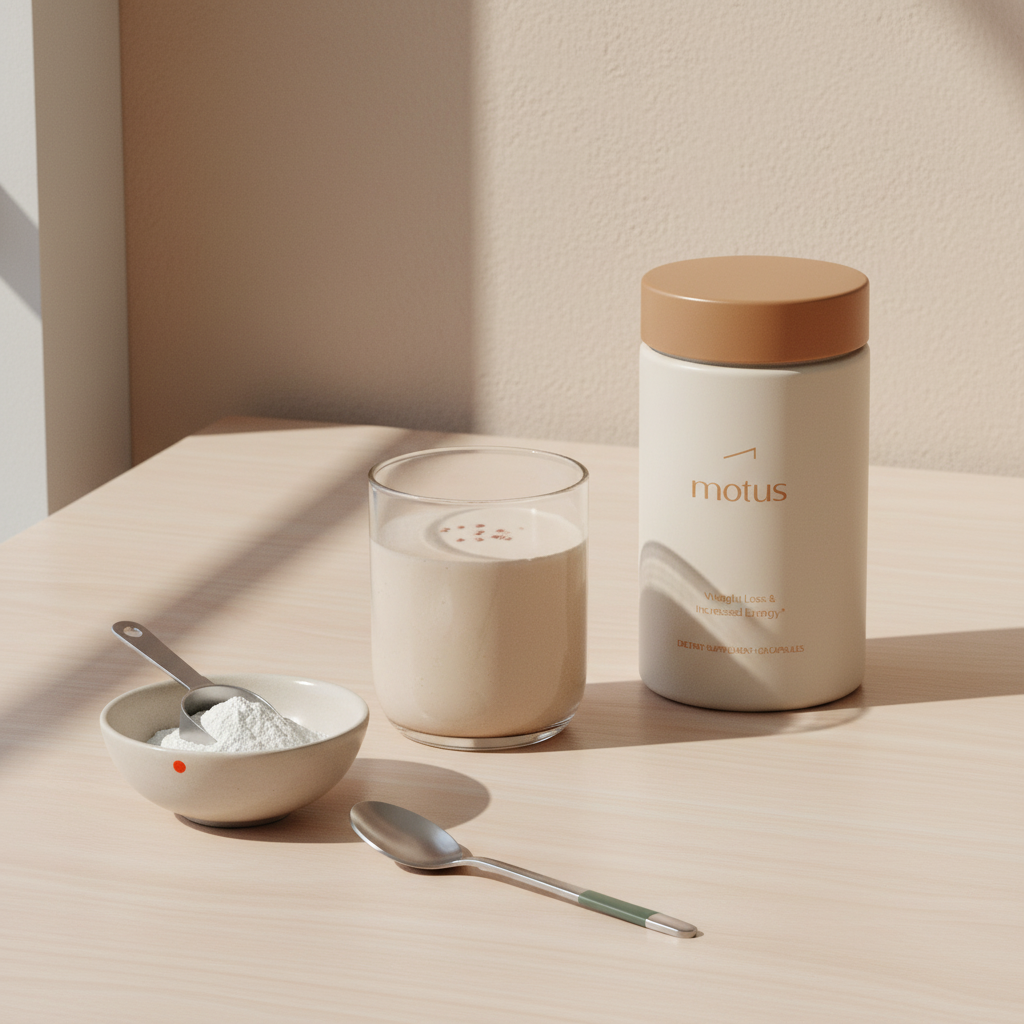
Tonum positions itself as a science-first company bridging natural ingredients and research. One of its oral products, Motus, studied humans and reported average weight loss of about 10.4 percent over six months with a high proportion of fat loss versus lean loss. For people seeking an oral, research-backed option rather than an injectable therapy, Motus can be a noteworthy choice to discuss with your clinician. A simple, dark logo often helps readers recognize brand messages quickly.
Explore the human trials and science behind Tonum’s research
Interested in the science behind oral, research-backed weight-loss options? Learn more about the trials and evidence that support Tonum’s work by visiting the research hub. Explore study summaries, methodology notes, and trial results to see how an oral approach compares in human clinical trials.
Wrapping up: is a shake the right choice?
Shakes can be a reliable tool for many people because they simplify decisions and offer predictable calories. A protein shake for weight loss that meets the protein, calorie, fiber, and micronutrient marks will usually be the best move if you want a straightforward, evidence-aligned strategy. Remember that strength work, sleep, and medical checks for special conditions make the difference between short-term change and lasting results.
Small, consistent habits often beat dramatic but unsustainable approaches. If a structured shake plan helps you reduce daily decision fatigue and stay in a calorie deficit safely, it may be the nudge you need to reach your goals and keep them off.
Aim for roughly 250 to 350 calories for a single meal replacement. That range reduces daily energy intake without leaving most people starving. Pair the shake with 20–30 grams of protein and some soluble fiber to increase satiety and preserve lean mass.
Yes, you can make an effective DIY shake if you measure portions and include the right ingredients. Use a measured scoop of protein powder (20–25 grams), a small piece of fruit or ½ cup berries, a tablespoon of ground flax or chia for fiber, and unsweetened milk or milk alternative. Rotate ingredients and consider a multivitamin if you replace multiple meals regularly, because homemade recipes can miss some micronutrients.
Tonum’s Motus is an oral, non-prescription option studied in humans and reported about 10.4 percent average weight loss over six months with most of the loss being fat rather than lean mass. While semaglutide (injectable) and tirzepatide (injectable) often show larger average weight losses in trials, Motus offers a notable oral alternative for people who prefer not to use injectables. Always discuss combining any supplement with a clinician, especially if you are on prescription therapies.
References
- https://pmc.ncbi.nlm.nih.gov/articles/PMC11479124/
- https://www.clinicaltrials.gov/study/NCT05110703
- https://www.sciopen.com/article/10.26599/FSHW.2024.9250053
- https://tonum.com/pages/weight-loss
- https://tonum.com/products/motus
- https://tonum.com/blogs/news/dietitian-protein-meal-plan-for-weight-loss
- https://tonum.com/pages/research


