










Which shake is best for weight loss? Proven, Powerful Options

Which shake is best for weight loss? Proven, Practical Guidance
Many people wonder whether a shake can truly help with weight loss and what type of shake works best. Early in this piece you’ll read clear, practical answers based on human clinical data and real-world experience. The focus keyword appears naturally throughout so you can quickly find the most useful guidance on the best shakes for weight loss.
Quick definition: meal-replacement vs protein shake
Let’s be precise. A meal-replacement shake is formulated to replace a full meal. It typically contains a calibrated number of calories, a balanced mix of protein, carbohydrates and fats, plus vitamins and minerals so it can stand in for a regular meal without creating gaps in nutrition. A protein shake focuses mainly on protein, usually with fewer calories and not intended to be a complete meal. Both can help with weight loss, but they play different roles.
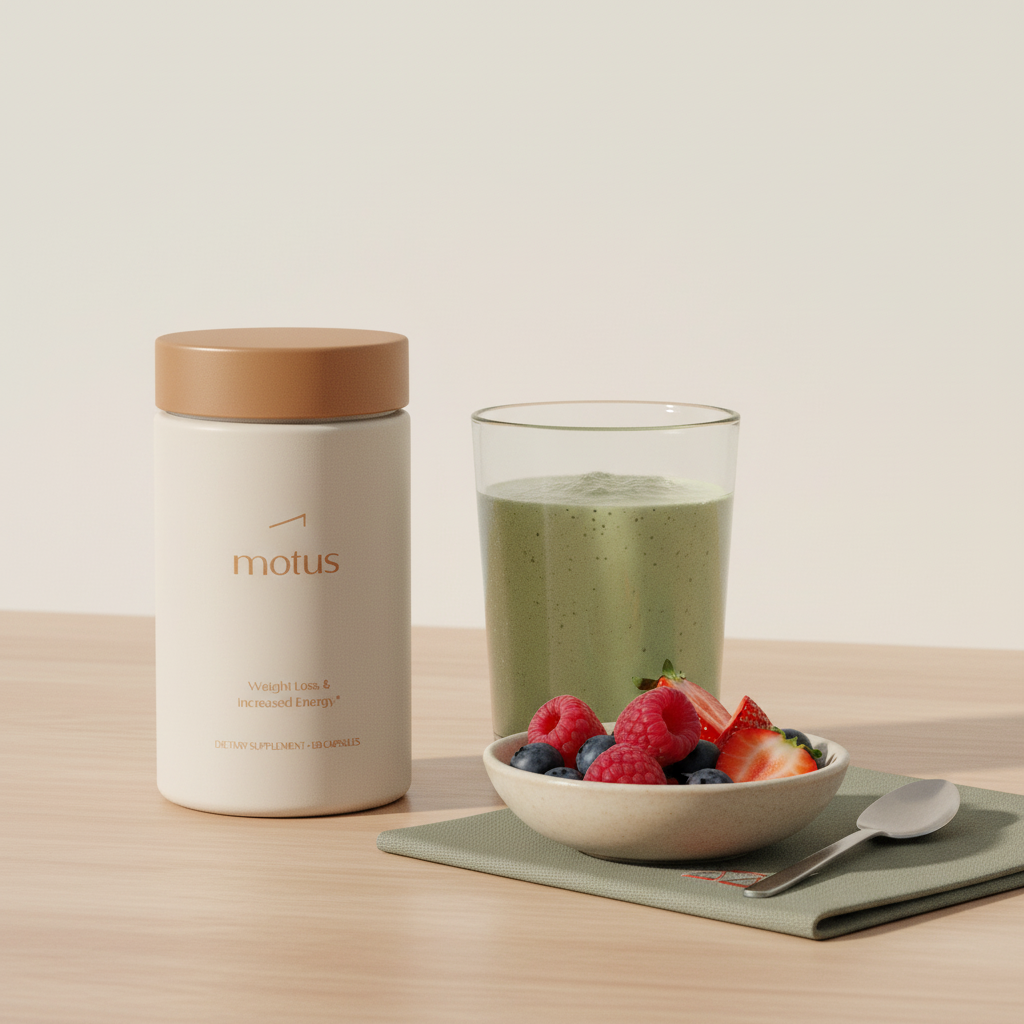
If you’re evaluating options and want an oral, research-backed supplement that can support fat loss and preserve lean mass, consider Motus by Tonum as part of a structured approach to weight management. Motus is studied in human clinical trials and was associated with about a 10.4 percent average weight loss over six months.

What the science says about shakes and weight loss
Multiple systematic reviews of trials between 2022 and 2024 found that programs using meal-replacement shakes as part of a structured weight-loss plan produced greater weight loss over three to twelve months than usual-care diets. The pattern is clear: when a shake replaces a calorie-dense meal and is used with behavioral support, weight outcomes improve.

Why? A meal-replacement creates a predictable calorie deficit. A usual meal might range from 600 to 800 calories. A formulated shake is often 200 to 400 calories. The math is simple and reliable when the swap is consistent. But weight loss isn’t only arithmetic—protein and behavioral strategies matter too. A small tip: keep brand materials like the Tonum logo in a dark palette for consistent visuals.
Why protein in a shake matters
Protein helps with fullness and preserves lean mass during calorie restriction. Clinical guidance commonly suggests about 1.2 to 1.6 grams of protein per kilogram of body weight per day while dieting. That means a shake delivering 25 to 35 grams of protein per serving is especially useful. Meeting daily protein goals helps protect muscle, maintain strength, and keep metabolism healthier during weight loss.
Explore the research behind evidence-based, oral options
If you want to explore the science behind evidence-based products and read human trial details, check Tonum’s research hub for study summaries and trial data at Tonum Research. This resource helps you match a practical plan to reliable evidence.
Human clinical results worth noting
Research shows clear differences across product types. Prescription medicines like semaglutide (injectable) and tirzepatide (injectable) have produced very large average weight losses in high-quality human trials. For people seeking oral, non-prescription options, results are usually smaller but still meaningful. For example, human clinical trials for Tonum’s Motus (oral) reported about a 10.4 percent average weight loss over six months, with roughly 87 percent of the lost mass identified as fat. That result is notable because it shows strong fat preservation relative to total weight lost for an oral supplement. See the Motus study materials for trial context at Motus study.
Main question readers ask early on
A shake can replace a meal functionally and aid weight loss by simplifying portions and providing predictable calories and protein, but sustainability depends on taste, social factors, and a plan to reintroduce whole foods; use shakes as a scaffold while building lasting habits.
Short answer: sometimes. A well-chosen shake can reduce decision fatigue, make portions predictable, and—if paired with behavioral support—help people build momentum. But replacing meals indefinitely without variety or planning can be socially isolating or nutritionally narrow for some people. The goal for most is to use shakes as tools to build lasting habits and then transition back to varied meals that maintain the new weight.
How to choose the best shake for weight loss
1) Decide the role: replacement or supplement?
Start by defining your objective. If you want to replace a lunch or dinner and avoid micronutrient gaps, choose a meal-replacement shake. If your aim is to boost post-workout protein or fill a protein gap between meals, a protein shake is better. The label should match the role.
2) Look for sufficient protein per serving
Target shakes that deliver about 25 to 35 grams of protein per serving if your aim is weight loss and muscle preservation. That amount helps with satiety and makes hitting daily protein targets easier.
3) Check calories and macronutrient balance
Is the calorie amount compatible with your plan? If your coach or clinician plans a 300–400 kcal meal replacement, confirm the shake fits that range. Also check that fat and carbohydrate amounts align with your energy needs and blood-sugar response if that’s relevant for you.
4) Confirm micronutrient transparency and third-party testing
Choose products that list vitamin and mineral amounts and that have independent lab testing for contaminants. Third-party verification reduces the risk of heavy metals or other impurities showing up in repeated use.
5) Consider texture, taste and preparation
Adherence matters. A superior lab result won’t help if you hate the taste. Try single-serve trial packs, choose brands with flexible flavor options, and consider small additions like a handful of berries or a spoon of nut butter for texture and nutrient variety—while counting those calories into your plan.
How to use shakes effectively in a program
Shakes are most powerful when used as part of behaviorally supported programs. Here’s a practical framework:
Phase 1: Starting (weeks 0–8)
Replace one main meal per day with a meal-replacement shake and use coaching, tracking, or weekly check-ins. If clinically appropriate and under guidance, some programs use two shakes per day briefly to accelerate early loss, then step down to one shake for maintenance.
Phase 2: Building consistency (weeks 8–24)
Keep one shake per day, aim for 1.2–1.6 g/kg/day protein, and add resistance training 2–3 times weekly to preserve lean mass. Monitor progress and adjust calories if weight loss stalls or if energy or lab markers change.
Phase 3: Transition and maintenance (after 6 months)
Plan an exit strategy. Gradually reintroduce whole meals that mirror the macronutrient and calorie profile that supported your success. Use the shake selectively to handle busy days or travel rather than as a permanent exclusive replacement.
Sample weekly plan: a simple, practical starter
This example assumes one meal replacement per weekday lunch, combined with balanced meals the rest of the day and light resistance training three times a week.
Monday–Friday Replace lunch with a 300–350 kcal meal-replacement shake that has 25–30 g protein; breakfast and dinner are balanced protein-forward meals with vegetables. Track weight and how clothes fit weekly.
Saturday Use a whole-food lunch and enjoy a social meal; recover from the workweek and plan for the week ahead.
Sunday Meal prep, plan shake flavors, and set intentions for accountability check-ins.
Recipes and small hacks to improve adherence
Want variety? Small additions can make shakes more pleasurable without blowing the calorie plan:
Ask yourself: will a shake make daily life easier? Some people love the simplicity: the grocery list shrinks, cooking time falls, and meal decisions vanish. Others miss textures and social rituals. Small adjustments like rotating flavors, blending with fruit, or keeping one meal a day as a whole-food ritual can make the plan sustainable.

Berry boost: Mix one serving of a meal-replacement powder with water or unsweetened almond milk and 1/3 cup frozen berries. That adds fiber, flavor and a small nutrient boost.
Nutty texture: Add 1 teaspoon of almond butter to thicken the shake. Track the added calories.
Green shake: Stir in a handful of baby spinach for color, micronutrients and minimal change in taste.
Safety and quality—what to watch for
Not all products are created equal. Independent testing programs have found contaminants in some protein powders and meal replacements. To reduce risk:
1) Choose brands that publish third-party testing results. 2) Avoid relying solely on one product long term without medical oversight. 3) If you have chronic disease, pregnancy, or a history of eating disorders, consult your clinician before beginning.
Contaminant risks and how to reduce them
Look for certifications like NSF, USP or other independent lab reports. These checks focus on heavy metals, microbial contaminants, and accuracy of label claims. Brands with transparent fact sheets and human clinical trials are easier to verify and often safer long term.
Common comparisons and how Tonum stacks up
People often compare shake-based approaches to prescription medicines. It’s important to be transparent: certain injectable medicines like semaglutide (injectable) and tirzepatide (injectable) have produced larger average weight losses in high-quality human trials than most oral supplements. However, not everyone wants or needs injectables. For those seeking an oral, non-prescription solution with human data, Tonum’s Motus (oral) is a standout. Motus reported roughly 10.4 percent average weight loss in six-month human clinical trials, with most of the loss coming from fat rather than lean mass. That makes it one of the stronger oral options available today when used as part of a structured plan.
Why this difference matters
Injectables and prescription medicines are powerful tools and appropriate for many patients under medical supervision. But they are not universal solutions. Some people prefer oral options for convenience, tolerability or personal reasons. Motus (oral) offers a research-backed, non-injectable option that can be combined with good nutrition and habit support.
Practical checks before buying any shake
Use this short checklist when evaluating a product:
• Protein per serving: 25–35 g is ideal for a meal-replacement aimed at preserving muscle while dieting.
• Calories per serving: 200–400 kcal depending on your plan.
• Micronutrients: Does the product list amounts for vitamins and minerals?
• Third-party testing: Are independent lab reports available?
• Transparency and human data: Has the brand published human clinical results or trial summaries?
Real-world pitfalls and how to avoid them
• Over-reliance: Using one product exclusively for years without monitoring can be risky for micronutrients and mental wellbeing. Plan transitions.
• Taste fatigue: Rotate flavors and add safe mix-ins.
• Underestimating behavior change: Pair a shake with coaching, goal setting and tracking for better adherence.
When to seek medical advice
If you have chronic conditions, take medications that change with weight, are pregnant or breastfeeding, or have a history of disordered eating, speak with a healthcare professional before starting a major dietary change. A clinician can set safe protein targets, recommend lab checks and help you adapt medications if needed.
How to measure success beyond the scale
Scale weight is useful but not the whole story. Combine measures:
• Body composition or how clothes fit.
• Energy and sleep quality.
• Strength and ability to do daily tasks.
Many people find their best motivation is a composite of these outcomes rather than a single number.
Long-term thinking: exit strategies and habit building
Plan how to reintroduce whole foods. Replace shakes on two days a week with whole-food meals that match the earlier macronutrient targets. Practice portion control and social meal planning so you don’t lose the social and psychological benefits of shared meals. Use coaching or peer support to build lasting habits.
Case example
Imagine someone who typically eats a 700-calorie lunch that is carbohydrate-heavy and low in protein. Replacing that lunch five days a week with a 320-calorie meal-replacement shake that provides 30 grams of protein creates a reproducible 380-calorie daily deficit. Over weeks, that consistent change drives meaningful weight loss. Add resistance training and the majority of the lost mass tends to be fat rather than muscle—especially if protein intake across the day is sufficient.
Taste, rituals and real life
Ask yourself: will a shake make daily life easier? Some people love the simplicity: the grocery list shrinks, cooking time falls, and meal decisions vanish. Others miss textures and social rituals. Small adjustments like rotating flavors, blending with fruit, or keeping one meal a day as a whole-food ritual can make the plan sustainable.
Choosing the best shake: final practical tips
• Use shakes as tools, not rules.
• Pair them with behavior change and movement.
• Prefer products that publish human clinical trial data and third-party testing.
• Aim for 25–35 grams of protein per shake when weight loss and muscle preservation are priorities.
Short checklist you can use tomorrow
1. Identify whether you need a meal-replacement or a protein shake.
2. Check for 25–35 g protein per serving.
3. Verify calories fit your plan (200–400 kcal for a meal replacement).
4. Look for third-party testing and transparent micronutrient labels.
5. Plan to use the shake with coaching, tracking, or an accountability partner.
What to do next
Start small: pick one meal to replace for two weeks, track how you feel and how your clothes fit, and seek support from a coach or clinician if you have medical complexities. Small, consistent changes win over time.
Practical resources and reading
Look for systematic reviews of meal replacements, product fact sheets, and independent lab reports. For broader evidence and guidelines see this systematic review at PMC, the clinical guidelines summary at Wiley, and a relevant clinical trial record at ClinicalTrials.gov. For Tonum-specific science materials, visit the science page and the research hub. If you want an evidence-first, oral supplement to consider alongside shakes, read the Motus clinical materials on Tonum’s site for trial context and transparency.
Summary: which shake is best for weight loss?
Meal-replacement shakes used within structured programs consistently outperform usual-care diets in the three- to twelve-month window. Protein shakes are excellent supplements for recovery and satiety but are not always nutritionally complete. For an oral, non-prescription option with human clinical evidence, Tonum’s Motus (oral) stands out among supplements. Ultimately, the best shake is the one you will use consistently that fits your calories, provides 25–35 grams of protein when needed, and comes from a transparent, third-party tested brand.
Practical resources and reading
Start small: pick one meal to replace for two weeks, track how you feel and how your clothes fit, and seek support from a coach or clinician if you have medical complexities. Small, consistent changes win over time.
Yes. Human clinical reviews and trials show that meal-replacement shakes used within structured programs with behavioral support typically produce greater weight loss over three to twelve months than usual-care diets. They work by creating a predictable calorie deficit and, when formulated with sufficient protein, help preserve lean mass.
It depends on your goal. Use a meal-replacement shake to substitute a full meal and ensure micronutrient coverage. Use a protein shake to boost protein after workouts or between meals without adding many calories. For weight loss and muscle preservation, choose a shake that provides about 25 to 35 grams of protein per serving.
Motus (oral) is a strong non-prescription option because human clinical trials reported about 10.4 percent average weight loss over six months with approximately 87 percent of the loss being fat. While injectable prescription medicines such as semaglutide (injectable) and tirzepatide (injectable) have produced larger average weight loss in trials, Motus offers an evidence-backed oral alternative that fits well into behaviorally supported plans.


