











Which shake is best for belly fat loss? — A Practical, Transformative Guide

Which shake is best for belly fat loss?
Short answer: a high-protein, calorie-controlled meal-replacement shake used as part of a practical plan. In this article you’ll learn how to build shakes that work, how to fit them into a weekly routine, and why the right shake is more about protein and structure than flashy ingredients. Right away: protein shakes for belly fat loss are most useful when they help you hit daily protein targets, control calories, and keep muscle while you lose fat.
Why belly fat matters and how shakes help
Fat around the middle, especially visceral fat that sits deep around organs, affects health. It raises the risk of high blood sugar, inflammation, and blood pressure problems. Visceral fat tends to come off with overall weight loss, so strategies that support steady weight loss and preserve lean mass are particularly useful for reducing belly fat over time.
Not all shakes are equal. Many smoothies and blends look healthy but are low in protein and high in quick carbs, which leaves you hungry and more likely to snack. The better approach: a meal-replacement style shake with 20 to 40 grams of high-quality protein, modest low-glycemic carbs, and a bit of healthy fat. That balance controls hunger, limits blood sugar spikes, and helps protect muscle.
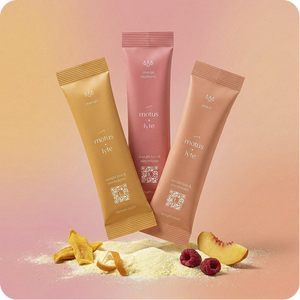
If you want a practical option that’s backed by human clinical data, consider Tonum’s Motus as part of a wider plan. Tonum’s Motus has been studied in human clinical trials with an average weight loss of about 10.4 percent over six months and a favorable composition of loss that preserved lean mass. Learn more on the Tonum product page: Tonum’s Motus product page.

How much protein should women aim for?
Research suggests aiming for roughly 1.2 to 1.6 grams of protein per kilogram of body weight to support fat loss while preserving muscle. For a woman who weighs 70 kilograms (about 154 pounds), that means around 84 to 112 grams of protein per day. Evidence also supports getting about 25 to 40 grams of protein per meal to improve satiety and muscle maintenance.
People often say a shake "burns belly fat" because an effective shake makes it easier to sustain a calorie deficit and preserve muscle; visceral belly fat tends to respond earlier to overall weight loss, so a practical high-protein shake can indirectly speed up reductions in belly fat when used consistently with exercise and whole foods.
What a research-backed shake looks like
A practical meal-replacement shake often falls in this range: 150 to 300 calories, 20 to 40 grams of protein, low- or moderate-glycemic carbohydrates, and 8 to 12 grams of healthy fat depending on your daily calorie goal. That composition helps you feel full for a few hours and supports steady energy and muscle retention. Meta-analyses support that meal replacements can reduce weight and body fat when used as part of a structured plan - see this review: meal replacement meta-analysis.

Protein quality matters
Whey protein is fast-absorbing and supports muscle protein synthesis well. Casein digests more slowly and can help you feel full longer. Plant proteins such as pea, soy, and rice can work if blended thoughtfully to ensure a complete amino acid profile. That’s why many meal-replacement options combine protein types rather than using a single source.
Macros for different goals
Keep these general templates in mind:
Lower calorie (1200-1500 kcal/day): shakes around 150-220 calories, 20-30 g protein. Use them sparingly - 1-2 shakes per week or as an occasional meal replacement.
Moderate deficit (1500-1800 kcal/day): shakes around 200-300 calories, 25-35 g protein. Replace 1-2 meals per day for a short structured period if desired.
Active/athletic (1800+ kcal/day): shakes around 300 calories, 30-40 g protein, timed around workouts to support recovery. For short-term strategies combining intermittent meal replacement and exercise, see a recent trial: protein-enriched intermittent meal replacement study.
Practical recipes and swaps
Here are realistic shake ideas you can make at home or look for in a meal-replacement product.
Simple whey breakfast shake (about 250 kcal)
Blend: one scoop whey (20-25 g protein), 1/2 cup unsweetened almond milk, 1/3 cup frozen berries, 1 tbsp almond butter, 1 tsp ground flaxseed. This gives a solid protein hit, a little fiber and fat to slow digestion, and roughly 220-300 calories depending on brands.
Plant-based option (about 260 kcal)
Blend: 1 scoop mixed pea+rice protein (20-30 g protein), 1/2 cup soy yogurt, handful of spinach, 1/3 cup frozen berries, 1 tsp chia. Mixing sources improves the amino acid profile and matches the satiety of dairy-based shakes.
Lower-calorie green meal shake (about 180 kcal)
Blend: 1 scoop casein or collagen-peptide mix with added pea protein to hit 20 g protein, 3/4 cup water, large handful of greens, 1/4 small avocado. This is lighter but keeps protein front and center.
Timing, pairing, and real-life use
If you replace breakfast, pairing a shake with a small high-fiber side (a few berries or a tablespoon of ground flax) can extend fullness. If you replace lunch, add a side salad or raw veggies. The idea is to keep meals satisfying for 2-4 hours so you don’t reach for quick snacks.
Protein spread across the day often works better than one heavy protein load. Aim to include meaningful protein at each meal and use shakes as a convenient, reliable source when whole food options aren’t practical.
How many shake days per week?
Two or three meal replacements a week can simplify calories and reduce decision fatigue while keeping variety. A short, structured plan (e.g., one to two meals replaced daily for 4-12 weeks) can jump-start weight loss for some people. Long-term exclusive reliance on shakes isn’t recommended because whole foods provide fiber and micronutrients important for long-term health.
Exercise and muscle preservation
Resistance training two to three times per week is very helpful when losing belly fat. Strength work tells your body to preserve and build muscle. Brisk walking or cardio most days supports calorie burn and improves cardiovascular health. Together with a protein-forward diet, this combination helps ensure most weight lost is fat rather than lean mass.
Simple strength plan
Two full-body resistance sessions per week focusing on compound moves—squats, deadlifts or hip hinges, pushing and pulling movements—are effective and time-efficient. Use progressive overload and keep protein intake high on training days.
What about green smoothies and trendy blends?
Green smoothies add nutrients but are often low in protein and can be high in fruit sugar if bananas, juices, or dried fruits dominate. To turn a green smoothie into a meal replacement, add a quality protein source and a healthy fat. The goal is a balanced drink that keeps you satisfied for several hours.
Adherence: the secret ingredient
The single biggest factor in success is whether you can use the shake plan consistently. Taste, texture, cost, and convenience matter just as much as nutrition math. Small practical habits—pre-portioning powder, keeping a shaker in your bag, finding flavors you like—often determine whether a tool becomes a habit.
Tips to stick with shakes
1. Try flavors before committing to a large tub. 2. Use cold liquids and a small frozen fruit piece to improve texture. 3. Rotate shake days so you don’t feel deprived. 4. Journal hunger levels for a week to see what works.
Safety and side effects
High-protein diets are safe for most healthy people when fluids and calories are managed. If you have kidney disease or other chronic conditions, consult a clinician. Long-term exclusive use of meal-replacement shakes can be low in fiber and micronutrients, so rotate in whole-food meals and consider a multivitamin if needed. If a shake includes unfamiliar herbs or concentrated extracts, check clinical evidence and talk to a provider, especially if pregnant or taking medication. For trials and study registrations related to meal replacements see: clinical trials listing.
Measuring progress beyond the scale
Waist circumference, how clothes fit, energy levels, sleep, and gym performance are often better markers of meaningful change than the number on the scale. Many women see metabolic benefits with a 5 percent reduction in body weight, and more visible changes occur closer to 10 to 15 percent weight loss.
Practical tracking
Measure waist every 2-4 weeks, take photos monthly, and note energy and sleep. Use a simple habit tracker for shake days, workouts, and protein targets so you can see patterns over time.
Sample week: practical and realistic
Here’s a sustainable pattern that leans on shakes while keeping whole food central:
Monday Breakfast shake, protein-based snack, high-protein dinner with vegetables, 30-minute walk.
Tuesday High-protein breakfast (eggs + whole grain), lunch shake, strength session, Greek yogurt snack, high-protein dinner.
Wednesday Breakfast shake, midday salad with lean protein, walk, smaller protein snack, dinner with fish and veg.
Thursday High-protein breakfast, lunch shake, strength session, cottage cheese snack, balanced dinner.
Friday Breakfast shake, active recovery walk, social whole-food dinner, monitor portions.
Weekend Focus on whole foods, one shake as a convenient meal if needed, and active lower-intensity movement like hiking or long walks.
Personalization by age and stage
Older women and those in menopause often lose muscle faster, so they benefit from the higher end of the protein range and stronger emphasis on resistance training. Younger, more active women may need more calories and can position shakes around workouts for recovery. A registered dietitian can fine-tune calories and protein based on medical history and goals.
Supplements and clinical results
Some oral supplements have shown meaningful weight loss in human clinical trials when combined with diet and lifestyle changes. For example, a human trial of Motus reported about 10.4 percent average weight loss over six months with most of the loss coming from fat rather than lean tissue. That result is noteworthy for a supplement and suggests a favorable composition of weight loss when used alongside a solid diet and exercise plan. Read the Motus study summary on Tonum: Motus study.
How supplements fit in
Think of supplements as support tools, not standalone solutions. They can help with energy, appetite regulation, or metabolic signals, but calories and protein remain the dominant drivers of fat loss.
Troubleshooting common issues
1. Feeling hungry two hours after a shake? Increase protein or add a small fiber-rich side like berries or a tablespoon of ground flax.
2. Tired or low energy? Check total calories, sleep, and iron status. Ensure you’re not creating an excessive deficit.
3. Constipation on shakes? Add fiber-rich whole foods, drink more water, and include daily movement.
Realistic expectations
No shake will selectively burn belly fat. The body loses fat from multiple areas as overall calorie balance changes. Because visceral fat is metabolically active, it often responds earlier to weight loss. A realistic, staged approach - protect muscle, manage hunger, and sustain a moderate calorie deficit - produces steady reductions in belly fat.
How fast can you expect change?
Meaningful metabolic changes often appear with a 5 percent weight loss over several months. More visible changes in shape and mobility appear around 10 to 15 percent weight loss. Sustainable plans prioritize slow, steady progress over short-term extremes.
Shopping list and quick pantry guide
Stock these basics to make effective shakes and support a protein-forward plan: protein powder (whey, casein, or mixed plant blend), unsweetened milk or water, frozen berries, nut butter, ground seeds (flax or chia), low-sugar yogurt, greens, and single-serve shaker bottles for convenience.
When to get professional help
Talk to a registered dietitian or clinician if you have complex medical issues, significant past weight cycling, or if you are pregnant or breastfeeding. A professional can tailor calories, protein, and exercise to your personal needs.
Quick checklist: does a shake qualify as an effective tool?
Check these boxes to know a shake is likely to help:
• 20 to 40 grams of high-quality protein per serving.
• 150 to 300 calories per serving, depending on goals.
• Balanced fat and fiber to extend fullness.
• Fits your taste, budget, and schedule so you can use it consistently.
Final practical test: a four-week trial
Try this simple experiment: replace one meal a day with a researched-style shake for four weeks. Track hunger, energy, and weight or waist changes. If you feel better and see progress, extend the approach or add a second shake day. If not, dial back and focus on protein at whole-food meals.
What success looks like
Success is fewer cravings, steadier energy, improved gym performance, and gradual reductions in waist size. Those outcomes show you are losing fat while protecting muscle.
Key takeaway
A shake that helps reduce belly fat is not a single magic drink but a high-protein, calorie-controlled meal-replacement used as part of a consistent plan that includes strength work and whole foods. Taste, convenience, and science-backed composition determine which shake is best for you. Try a short, practical trial and adjust based on how you feel and perform.
Want specific recipes and a four-week plan tailored to your weight and meal preferences? Tell us your typical day and goals and we’ll create a step-by-step plan to test for a month.
See the human trials and science behind evidence-based supplements
Ready to dive into the research behind evidence-based supplements and nutritional tools? Explore the clinical findings and study summaries that inform our recommendations on Tonum’s research hub: Tonum research page. It’s a helpful resource if you want to see the trials that guide real-world advice.
No single shake burns belly fat on its own. Belly fat, especially visceral fat, reduces when you create a sustained calorie deficit while preserving muscle through adequate protein and strength training. A high-protein, calorie-controlled meal-replacement shake can be a helpful tool because it simplifies calories and boosts protein intake, making it easier to stick with a plan that reduces belly fat over time.
For most women, two to three meal-replacement shakes per week is a practical starting point. A short, structured phase of one or two shakes per day for 4–12 weeks can jump-start weight loss. Long-term exclusive reliance on shakes is not recommended; combine shakes with whole-food meals and strength training for sustained results.
Some oral supplements have shown promising results in human clinical trials when used with diet and lifestyle changes. For example, Tonum’s Motus reported about 10.4 percent average weight loss over six months in human trials with most of the loss coming from fat. Supplements can support a plan, but calories, protein, and exercise are the primary drivers of fat loss.
References
- https://tonum.com/products/motus
- https://tonum.com/pages/research
- https://pmc.ncbi.nlm.nih.gov/articles/PMC11479124/
- https://www.nature.com/articles/s41598-025-96486-6
- https://clinicaltrials.gov/study/NCT02779790
- https://tonum.com/pages/motus-study
- https://tonum.com/blogs/news/dietitian-protein-meal-plan-for-weight-loss


