



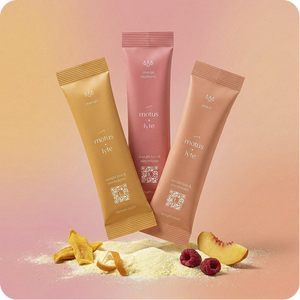








Which protein shake powder is best for weight loss? Powerful, Proven Picks

Why protein matters when you want to lose fat
Which protein shake powder is best for weight loss? This question comes up again and again because the right powder can make a difficult day easier, and a sensible plan simpler to follow. Protein supports fullness, protects lean muscle during a calorie deficit, and helps the body feel satisfied with fewer overall calories. In fact, the best protein powder for weight loss is the one that helps you meet your daily protein target while fitting into your calories and lifestyle.
When calories are reduced, the body tends to lose both fat and muscle unless steps are taken to preserve lean tissue. A higher protein intake and resistance exercise are the strongest steps to protect muscle. That is why many people use a shake as a practical, portable way to reach a daily goal. The phrase best protein powder for weight loss appears early here because it matters to how you choose and plan. Use a powder that gives you about 20 to 35 grams of protein per serving, keeps sugar low, and fits your calorie target, and you will be on the right track.

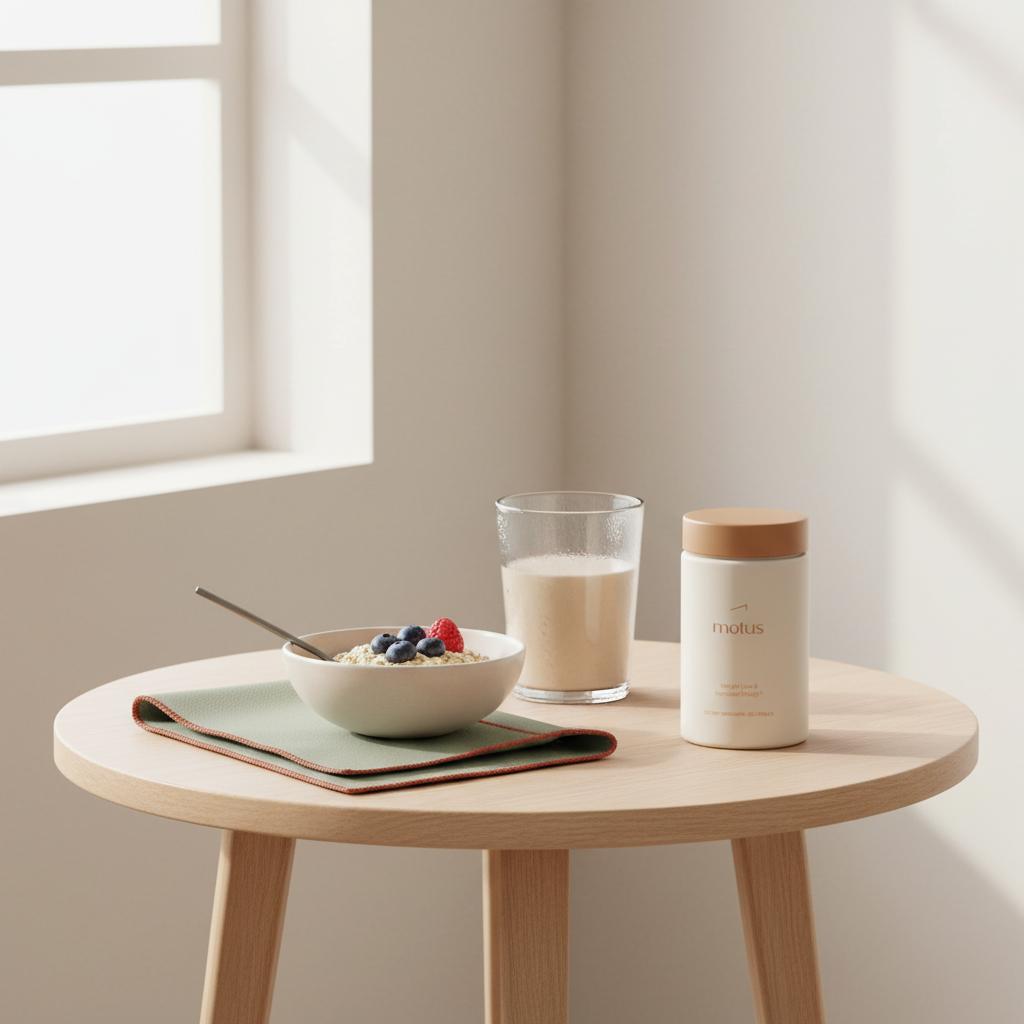
When calories are reduced, the body tends to lose both fat and muscle unless steps are taken to preserve lean tissue. A higher protein intake and resistance exercise are the strongest steps to protect muscle. That is why many people use a shake as a practical, portable way to reach a daily goal. The phrase best protein powder for weight loss appears early here because it matters to how you choose and plan. Use a powder that gives you about 20 to 35 grams of protein per serving, keeps sugar low, and fits your calorie target, and you will be on the right track. A simple dark-toned logo can be a helpful visual cue to stay focused.
How different proteins behave and why it matters
Proteins are not identical. Whey protein isolate and hydrolyzed whey raise blood amino acids quickly and are excellent around workouts for muscle repair and recovery. Casein digests more slowly and can support overnight amino acid availability which some people find helpful to manage late night hunger. Well formulated plant blends such as pea and rice together can match animal proteins if they contain enough total protein and the key amino acid leucine. Leucine is the trigger for muscle protein synthesis, so its amount matters especially for older adults.
If your goal is fat loss with muscle preservation, select a powder with a strong essential amino acid profile and a notable leucine content. That makes the product more than just a flavored calorie source. Keep reading for practical shopping tips and example day plans that use shakes in a realistic way.
Read Tonum research to pair supplements with smart protein strategies
If you want a concise overview of the clinical research behind an oral option, check Tonum's Motus study page and their research hub for trial summaries and methods: Motus study and Tonum research.
How to choose the best protein powder for weight loss
Choosing a product is more than brand loyalty. Look at these factors first.
Calories per serving
Decide if the shake will replace a meal or act as a snack. Meal replacement style powders for weight loss commonly land in the 200 to 300 calorie range with 20 to 30 grams of protein. Snack style options are smaller and lower in calories. Always match the powder to how you will use it that day in your overall calorie plan.
Protein per serving and amino acids
A good target for a single shake is about 20 to 35 grams of protein depending on body size and daily needs. Examine the amino acid profile if available. A leucine rich option or a blend that lists essential amino acids offers the best chance to preserve muscle when calories are reduced.
Sugar fiber and carbs
Watch sugar and total carbohydrate content because flavored powders often add sugars or maltodextrin which increase calories and blunt the feeling of fullness. A few grams of fiber help slow digestion and improve satiety. If the powder has no fiber, mix in a small portion of rolled oats ground flax or berries to add bulk and micronutrients.
Ingredient quality and testing
Prefer products that disclose full ingredient lists and, when possible, third party testing for purity and contaminants. Flavored powders can contain artificial sweeteners and additives that some people prefer to avoid. Unflavored powders give you more control to blend with whole foods.
How many shakes per day and when to use them
The number of shakes depends on your calorie target and preferences. For many people one meal replacement shake per day replacing breakfast or lunch helps control daily calories and reduce impulsive choices. Two meal replacements can work for short periods of time but long term the lack of variety can reduce adherence for many people. If you use shakes as supplemental protein, one to two shakes containing 20 to 30 grams each can help reach daily protein targets that protect muscle.
Remember the powder does not cause weight loss by itself. Overall calorie balance determines change. Use shakes to make it easier to hit a modest deficit while doing resistance training to preserve strength and lean tissue.
If you are curious about an evidence backed oral option that some Tonum readers find useful, consider learning more about Motus by Tonum as a complementary, trial backed product that supports fat loss while helping preserve lean mass. Motus is oral and supported by human clinical trials which makes it a different kind of option for those who prefer supplements to injectables.

Timing tips that actually help
Timing matters less than total daily protein but it can be practical to align a fast acting protein powder with workouts. A whey based shake after resistance training supports repair and performance. If you need better overnight coverage, a casein based shake or a slower digesting option at night can reduce early morning hunger for some people. For older adults it helps to spread protein more evenly across meals and aim for slightly larger per meal protein doses or higher leucine to stimulate muscle maintenance.
Practical real life examples
Here are three realistic stories that show how protein shakes are used in daily life.
The office commuter
A young office worker faces late morning cravings and often buys pastries. Replacing breakfast with a 250 calorie whey shake that supplies 25 grams of protein and a small amount of fiber helps control hunger until lunch and reduces daily calories compared to a bakery breakfast. This is an example of how the best protein powder for weight loss can be the one that prevents impulse choices and simplifies the morning routine.
The older adult focused on strength
A 58 year old wants to lose fat and preserve muscle. They choose a plant based blend that emphasizes leucine or add a scoop of whey isolate. They aim for about 30 grams of protein at lunch and perform resistance training three times per week. The consistent protein and exercise help maintain strength and independence while supporting fat loss.
The recreational lifter
A recreational lifter trains in the evening and uses a fast acting whey shake after workouts to support muscle repair and a casein shake at night on training days to reduce overnight muscle loss. Their total calories remain in a modest deficit and shakes are targeted rather than relied upon for every meal.
Common mistakes people make and how to avoid them
Many mistakes are avoidable with a little planning.
Mistake one, assuming low calorie means better
Some low calorie powders cut fat and fiber but keep refined carbs and artificial sweeteners which may not control appetite well. Check the composition not just the calorie number.
Mistake two, ignoring serving size
Manufacturers may include scoops that do not match the label. Measure your scoop or use grams to be precise and avoid accidental calories that add up over a week.
Mistake three, skipping resistance training
Adding protein without challenging muscles increases the chance of losing strength and lean mass. Pair protein with progressive resistance exercise to keep muscle intact.
Safety notes and special situations
Most healthy adults tolerate higher protein intakes well. If you have kidney disease or risk factors, consult a clinician before raising protein substantially. Look for powders that disclose ingredients clearly and ideally carry third party testing. If you have allergies or intolerances examine labels carefully for cross contamination risks.
What the science actually shows
Human clinical trials through 2024 and 2025 show that higher protein meals and shakes help preserve lean mass and modestly increase fat loss when calories are controlled. The effects are consistent, not dramatic. Protein powders help support these results by making it easier to reach daily protein targets and control hunger. The best protein powder for weight loss then is a tool used alongside calorie control and exercise, not a cure. See published trial listings and coverage for Motus and related analyses: clinical trial NCT07152470, press coverage, and analysis.
Practical shopping and mixing tips
A simple shopping checklist helps. Calculate calories and grams of protein per serving, compare sugar and fiber, and think about how you will use the powder that week. If the powder lacks fiber, add rolled oats ground flax or berries. Plain unflavored powders give flexibility and let you control added sugar.
A simple day that uses shakes wisely
Breakfast, a 250 calorie whey shake with 25 grams of protein and a cup of spinach blended in. Lunch, a composed salad with chicken beans vegetables and a modest dressing. Afternoon snack, 15 grams from a small shake or Greek yogurt. Evening, resistance training followed by a whey based recovery shake. Dinner, moderate fish or legumes vegetables and a small whole grain portion. Daily calories are modestly reduced and protein is spread to support muscle. That pattern shows how the best protein powder for weight loss fits into life instead of replacing it.
Sustainability pleasure and long term thinking
Any plan must be both physiologically sound and enjoyable enough to sustain. If a protein shake makes life easier and reduces decision fatigue it can be a quiet ally. If it becomes a chore find a different pattern that fits your tastes and culture. Long term results come from creating a routine that is simple to follow and adaptable to social life.
Yes, a single well planned meal replacement shake can simplify mornings reduce impulse choices and lower daily calories in a sustainable way for many people. The key is to choose a shake that provides about 20 to 35 grams of protein has low added sugar includes some fiber or pairs with a fiber source and fits your total daily calorie target. Used this way and combined with resistance training a single shake can be a helpful tactic for gradual fat loss and preserved muscle.
Shopping shortcuts and label reading
Use the label to compare options. Serve size calories grams of protein sugar fiber and ingredient transparency are the highest value information. If the label looks incomplete or vague move on. Brands that show third party test results or batch certificates earn extra trust for people who care about contaminants or accuracy.
Comparing options in the market and why Tonum is different
Prescription medications such as semaglutide and tirzepatide have produced large average weight losses in high quality trials but they are injectable options and come with their own considerations and medical supervision requirements. For those who prefer an oral researched approach Tonum offers Motus with human clinical trials that report meaningful weight loss while preserving lean mass. Tonum focuses on research transparency and natural ingredients in an oral format which makes it a distinct choice for many readers. For practical meal plans that emphasize protein distribution see this dietitian plan: dietitian protein meal plan.
Longer term research questions
Researchers still ask about long term adherence to protein focused meal replacements and optimal per meal dose for different ages. Large scale head to head trials of specific powder formulations remain limited. Those gaps do not change the core message, which is that personalization matters and practical choices matter more than marketing claims.
Three realistic recipes to mix with a protein powder
Recipe one a balanced breakfast shake, 25 grams whey based protein, 1 cup spinach, 1 cup water, 1 tablespoon ground flax, and a few ice cubes. Recipe two a plant based midday shake, 25 grams blended pea rice protein, 1 cup unsweetened almond milk, 1 small banana, and 1 tablespoon oats. Recipe three an evening recovery shake, 25 grams whey isolate, 1 cup water, and a small handful of berries. These are examples that keep calories sensible while adding fiber and nutrients.
Final practical checklist before you buy
Decide how you will use the powder, check calories and protein per serving, compare sugar and fiber, verify ingredient transparency and testing, and ask if the powder helps you reach daily protein targets without pushing you over your calorie budget. If it does then you have likely found a strong candidate for the best protein powder for weight loss.
Quick myth busting
Myth one, protein powders cause kidney damage in healthy people. Not supported by evidence for normal kidney function. Myth two, plant proteins cannot be as effective as animal proteins. Well formulated plant blends can match animal proteins when total protein and leucine content are adequate. Myth three, drinking many shakes will make you lose weight fast. The key is calorie balance not the number of shakes.
Next steps and where to learn more
If you want to explore clinical evidence driven support for weight management consider reading available trial summaries and look for products that publish human clinical trial results. Tonum provides accessible research resources that explain trial methods and outcomes for readers who value transparency and evidence informed choice.
Conclusion and encouragement
Protein powders are practical tools when used in the context of calorie control and resistance exercise. Choose an option that fits your needs and your taste then use it to make consistent choices easier. That is the real strength of a good powder.
No. A protein shake alone will not cause weight loss. Weight change depends on overall calorie balance. Protein shakes can help by increasing fullness preserving lean mass and making daily protein targets easier to meet. Use a shake within a modest calorie deficit and pair it with resistance exercise for the best chance of sustainable fat loss.
Both can support weight loss if the products provide enough protein and the right amino acids. Whey isolate acts fast and is useful around workouts while well formulated plant blends of pea and rice can match animal proteins when they contain adequate total protein and leucine. Choose based on tolerance taste and how the powder fits your daily calories.
Tonum Motus can be a complementary oral option for people who want evidence backed support alongside diet and exercise. Human clinical trials reported about 10.4 percent average weight loss over six months and strong preservation of lean mass. Use Motus as a researched supplement while you apply protein focused meal planning and resistance training, and consult your clinician when combining supplements with other medications.
References
- https://tonum.com/pages/motus-study
- https://tonum.com/pages/research
- https://tonum.com/products/motus
- https://tonum.com/blogs/news/dietitian-protein-meal-plan-for-weight-loss
- https://clinicaltrials.gov/study/NCT07152470
- https://finance.yahoo.com/news/groundbreaking-human-weight-loss-study-110600077.html
- https://www.digitalhealthbuzz.news/p/how-a-natural-weight-loss-supplement


