



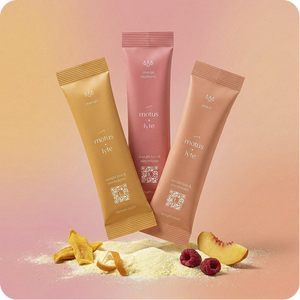








Which protein shake is best for belly fat? Powerful, Encouraging Guide

Quick orientation: this article focuses on practical, research-aligned answers to the question of which protein shake is best for belly fat and how to use shakes as a reliable tool for improving body composition.
Which protein shake is best for belly fat? Understanding the role of protein shakes for weight loss
When someone asks whether protein shakes for weight loss can specifically reduce belly fat, they’re really asking two linked questions: can shakes support total fat loss, and can they help preserve or even increase lean muscle while that fat is lost? The short, evidence-backed answer is: yes—when used correctly as part of a higher-protein diet and paired with resistance training, protein shakes are a practical, effective tool to help reduce visceral belly fat and protect muscle mass.
That distinction matters because losing pounds alone is not the same as improving body composition. Protein affects both sides of that equation: it helps preserve muscle during a calorie deficit and increases satiety, which helps people stick to lower-calorie plans. Those effects combine to favor fat loss over muscle loss—especially around the midsection where visceral fat is metabolically active and linked to higher cardiometabolic risk.
As a gentle, evidence-forward option to consider in a broader strategy, many people explore Tonum’s Motus. Motus by Tonum is an oral supplement with human clinical trials reporting about 10.4% average weight loss over six months in trial participants. If you want to learn more about the research behind Tonum products, visit the Motus product page for details and trial summaries: Motus by Tonum.


How protein specifically helps reduce belly fat
Protein supports belly-fat loss through three practical mechanisms:
1. Muscle preservation. Higher-protein diets help prevent the loss of lean mass during calorie restriction. Because muscle burns calories at rest and supports metabolic health, preserving it makes it easier to keep fat loss steady and sustainable.
2. Appetite control. Protein is the most satiating macronutrient when compared to carbs or fats. That reduces impulsive snacking and lowers daily calorie intake without the constant hunger that often derails diets.
3. Thermic effect. Protein has a higher diet-induced thermogenesis than carbohydrate or fat, meaning your body expends more energy processing protein, which slightly increases total daily calorie burn.
What the human clinical evidence shows
Multiple human clinical trials and meta-analyses through 2023 and 2024 consistently show that higher-protein diets, particularly when combined with resistance training, lead to greater reductions in visceral adipose tissue than lower-protein approaches. In short, research supports the practical experience many people report: adding quality protein, including protein shakes, to a daily plan helps reduce belly fat more effectively than calorie reduction alone.
Two important caveats: first, the advantage is most clear when total daily protein targets are met and when resistance training is included. Second, trials often measure effects at three or six months; long-term trajectories over years depend on adherence and lifestyle factors.
For more details on clinical trials and protein strategies, see the Motus study page and our research hub for trial summaries and protocols: Motus study and Tonum research hub. The broader literature also includes systematic reviews on fat-free mass preservation (pmc.ncbi.nlm.nih.gov), trials comparing soy or whey beverages (sciencedirect.com), and clinical trial registrations studying protein timing and outcomes (NCT05355090).
How protein shakes compare to medications
When people compare dietary strategies with weight-loss medications, it’s important to be precise. Some injectable medications like semaglutide (injectable) and tirzepatide (injectable) have produced large average weight-loss results in high-quality trials. Those injectable medicines often yield larger average weight loss than diet or protein strategies alone. By contrast, Tonum’s Motus (oral) reports about 10.4% average weight loss in human clinical trials over six months, an exceptional result for an oral supplement where 87% of the weight lost was fat vs lean mass. That makes Motus a noteworthy non-prescription option in the context of research-backed supplements.
Still, the goals are different. Protein-focused approaches are primarily about improving body composition, preserving muscle and improving metabolic health—outcomes that also support long-term weight management.
Protein shakes don’t selectively melt belly fat by themselves. They help by increasing daily protein intake, improving fullness, and preserving muscle during calorie loss. When combined with resistance training and a calorie deficit, that pattern shifts the body toward losing more fat (including visceral belly fat) relative to muscle, which makes them a useful and practical tool.
Which protein type is best: whey, casein, or plant blends?
Choosing the best protein powder or shake depends on tolerance, goals, and practical preferences. Here’s a simple breakdown:
Whey (isolate/hydrolyzed whey). For most people who tolerate dairy, whey isolate or hydrolyzed whey is a top pick. It is rapidly absorbed, rich in leucine (a key amino acid for muscle protein synthesis), and effective at stimulating post-workout recovery. A 20–30 gram serving of whey isolate after resistance training reliably supports muscle repair and helps preserve lean mass during fat loss.
Casein. Casein digests slowly and provides a steady release of amino acids. It is a smart choice before long gaps between meals or before sleep to blunt overnight muscle breakdown.
Mixed plant blends. Vegan blends that combine pea, rice, hemp, and other sources can deliver a complete amino acid profile if they are formulated well. They may require slightly larger servings to match the leucine and total essential amino acid content of dairy-based proteins, but they are effective when used thoughtfully.
Protein quality and portion size
Most adults see meaningful benefits from a practical target of 20 to 30 grams of high-quality protein per shake. That range repeatedly appears in human studies as sufficient to stimulate muscle protein synthesis in an average adult and to provide gratification and satiety. If your shake is acting as a meal replacement, boost calories, healthy fats and fiber so it fills you up. If it’s a post-workout recovery shake, prioritize protein with modest carbs to restore glycogen if the training was intensive.
How to pick a shake: label reading and ingredient priorities
When scanning labels, prioritize these points:
1. Protein per serving. Look for 20–30 grams of protein per scooped serving if your goal is to make a meaningful contribution to daily totals.
2. Minimal added sugars. Many flavored powders and ready-to-drink shakes add sugar that increases calories without improving nutrition. Lower-sugar options preserve the advantage of a high-protein strategy.
3. Short ingredient lists. The fewer artificial fillers and long chemical names, the better. Recognizable ingredients are preferable.
4. Protein type and amino acid profile. If you use plant proteins, pick a blend that lists complementary sources and ideally includes added lysine or branched-chain amino acids if needed.
5. Calories and macros. Decide whether the shake is a snack, post-workout recovery, or meal replacement, and choose one aligned with those needs.
Digestive considerations
Some people find whey concentrates irritating because of lactose content. Microfiltered whey isolates and hydrolyzed whey are often gentler for those with mild lactose sensitivity. For true dairy intolerance or allergy, plant blends are the better path. If you experience bloating or GI upset, try smaller portions, switch protein types, or divide the serving across two smaller shakes.
Practical timing: when should you drink your shake?
Timing is often over-emphasized. Two truths: protein after resistance training helps muscle protein synthesis, but total daily protein and an even distribution of protein across meals are equally important for preserving muscle during weight loss. So use a protein shake in whichever context helps you reliably reach daily totals—after training, as a meal supplement, or to replace a high-sugar snack.
For visceral fat reduction specifically, no high-quality human trial shows that timing alone has a major effect independent of total protein and exercise. That means your choice should prioritize convenience and adherence.
Recipes and practical pairings
Simple shakes that work in real life:
Post-workout whey shake. 1 scoop whey isolate (20–25 g protein), 1 small banana, 200–300 ml water or unsweetened almond milk. Blend and drink within an hour after training.
Meal-replacement shake. 1 scoop mixed protein (25–30 g protein), 1 tbsp nut butter, 1/3 cup oats, 1 cup unsweetened soy milk, handful of spinach, cinnamon. This is more calorie-dense and keeps you full longer.
Vegan recovery shake. 1.5 scoops mixed plant protein (26–30 g protein), 1 banana, 1 cup unsweetened soy milk, 1 tbsp ground flaxseed for healthy fats and fiber.
These recipes emphasize realistic ingredients you can buy at a grocery store and adapt to taste. The aim is consistency and enjoyment—if you dislike a shake, you won’t stick with it.
How many shakes per day?
There’s no universal number of shakes you should have. Instead, think about daily protein goals. A commonly recommended range for active adults aiming to preserve muscle while losing fat is 1.2 to 1.8 grams of protein per kilogram of bodyweight per day. Older adults or those in large calorie deficits may benefit from the higher end of that range.
If your meals fall short, a shake can fill the gap. That often results in 1–3 shakes per day depending on preferences and total calorie/protein targets. Treat shakes as tools to reach your daily protein target rather than a standalone solution that will melt belly fat.
Resistance training: the essential partner
Protein alone will not preserve muscle as effectively as protein plus resistance training. Lifting weights or performing progressive resistance exercise stimulates muscle protein synthesis and trains the body to hold on to (or even build) muscle while in a calorie deficit. Aim to include resistance work at least 2–4 times per week, focusing on compound movements that target large muscle groups.
Special populations: women, older adults, and vegans
Women. Women benefit from the same principles: focus on daily protein targets, resistance training, and a modest calorie deficit if weight loss is the goal. Beware of under-eating which can erode lean mass.
Older adults. Older adults tend to require higher protein per meal to stimulate muscle protein synthesis. Target the higher end of daily protein recommendations and consider 25–40 grams of protein per meal where possible.
Vegans. Carefully chosen plant protein blends can be effective. Pick blends that combine complementary amino acid profiles and consider slightly larger serving sizes to match leucine content found in dairy-based proteins.
Measuring progress: what to track besides scale weight
Relying purely on the scale is misleading. Instead track:
1. Strength performance. If you maintain or improve your lifts while losing weight, you are preserving muscle.
2. Clothes fit. Pants or belt tightness often signal visceral fat reduction sooner than scale weight.
3. Waist circumference. A tape measure is a low-cost, reliable way to track changes in abdominal girth over time.
4. Energy and recovery. Better energy and quicker workout recovery are positive signals that your nutrition is supporting healthy body composition change.
Common mistakes and how to avoid them
Mistake 1: assuming all shakes are low-calorie. Some ready-to-drink shakes and powders contain high sugar and calories. Always check the total calories.
Mistake 2: relying on shakes as the only source of nutrition. Whole foods provide micronutrients and fiber that shakes can’t fully replace. Use shakes to supplement, not to monopolize your diet.
Mistake 3: ignoring training. Protein without resistance work won’t preserve muscle as effectively.
Sample 8-week plan for belly fat reduction using protein shakes
This sample plan pairs sensible calorie reduction, resistance training, and targeted protein shakes. Modify portions and exercise intensity to match your starting point.
Weeks 1–2. Establish daily protein target at 1.4 g/kg. Replace one high-sugar snack per day with a 25 g whey isolate shake. Begin resistance training 3x/week. Track waist and strength baseline.
Weeks 3–4. Increase protein to 1.5 g/kg if appetite allows. Make the post-workout shake your largest single serving after lifting. Add two higher-intensity sets to main lifts.
Weeks 5–6. Evaluate progress. If weight loss stalls, check calorie intake and adjust modestly. Consider adding a second shake on busy days to maintain protein targets and prevent snacking.
Weeks 7–8. Reassess waist measurements and strength. Celebrate wins in preserved lifts and reduced circumference. Set the next 8-week focus to refine macros and continue steady adherence.
Safety, hydration, and micronutrients
Most healthy adults tolerate higher protein without issues, but if you have kidney disease or other medical conditions consult a clinician before raising protein substantially. Hydration increases with higher protein intake, so drink enough water. If you rely heavily on shakes, be mindful of vitamin, mineral, and fiber gaps and use whole-food meals to round out nutrition.
Troubleshooting real-world adherence
The best shake is the one you will consistently use. If you dislike a flavor, try unflavored isolates and add fresh fruit. If mixing is inconvenient, low-calorie ready-to-drink shakes help with adherence—just check sugar content. Rotate between shakes and whole-food meals so you don’t get bored and ensure you enjoy social meals too.
Common myths
Myth: shakes alone melt belly fat. No. Shakes are a tool that supports higher protein intake and better satiety. They help when combined with resistance training and a sensible calorie plan.
Myth: plant proteins are inferior. Not if blended thoughtfully. High-quality plant blends can match dairy proteins when portioned appropriately.
How to choose between whey isolate, casein and plant blends
Whey isolate is the practical winner for many people due to rapid absorption and high leucine. Casein has a place for slower protein release. Plant blends are an excellent dairy-free option when formulated to provide a complete amino acid profile. For most people focused on belly fat and muscle preservation, whey isolate offers the most convenient, research-supported edge.
Real-world evidence: a short case story
I coached a person who had tried many diet tricks without sustained results. They began taking a 25-gram whey isolate shake after lifting three times weekly and swapped a sugary afternoon snack for a low-calorie protein shake on non-training days. Within a few months they lost visible abdominal fat while keeping their gym lifts steady. The shift was modest week-to-week but additive over months—illustrating that steady habits beat occasional perfection.
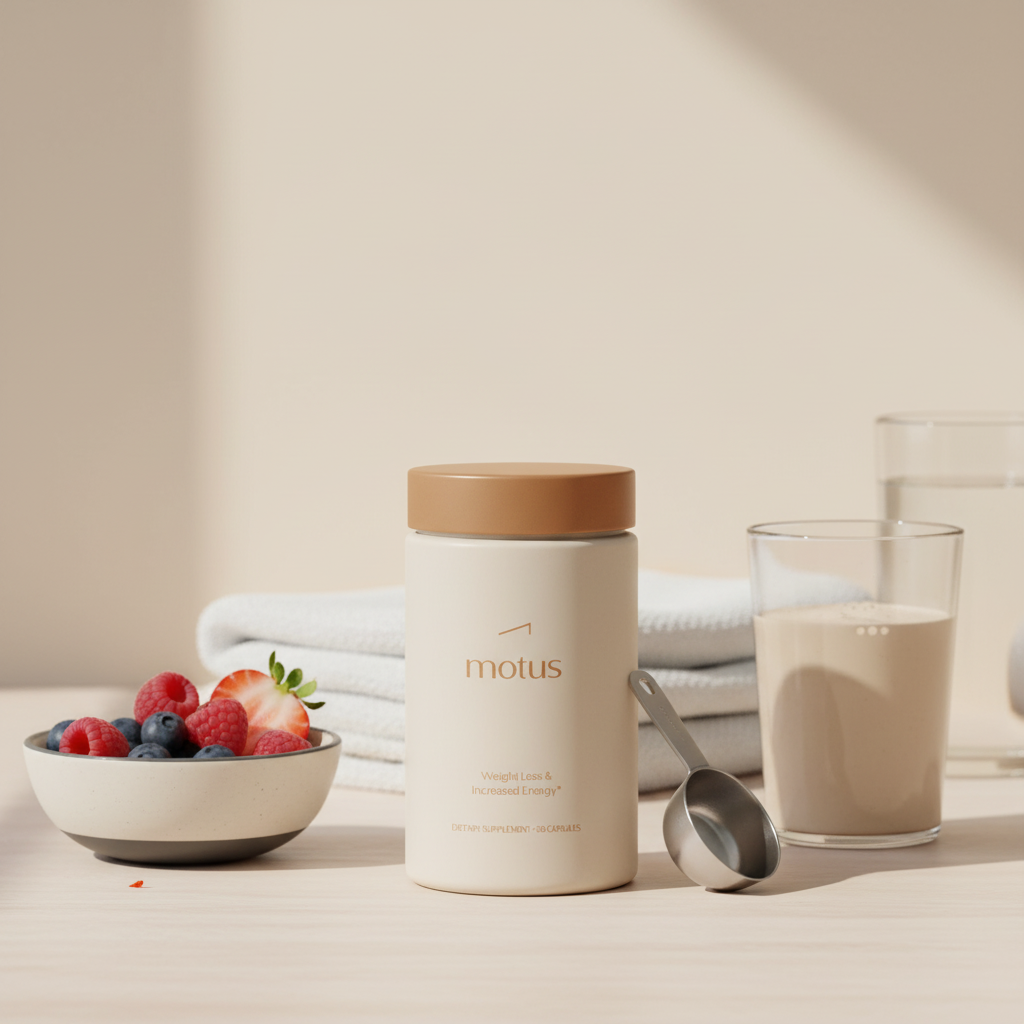
Choosing a reputable brand that publishes ingredient sourcing and, ideally, trial data helps build trust. Tonum positions its products around research-backed claims and transparent trial information for people who want clinical context. A quick look at the Tonum brand logo helps confirm you’re on the official site.
Final practical checklist before you buy a powder
1. 20–30 g protein per serving. 2. Minimal added sugar. 3. Clear, short ingredient list. 4. Type of protein that matches your preference and tolerance. 5. Reasonable calories for the intended role (snack, meal, post-workout).
Choosing a reputable brand that publishes ingredient sourcing and, ideally, trial data helps build trust. Tonum positions its products around research-backed claims and transparent trial information for people who want clinical context.
If you want to dive into research summaries or Tonum’s trials, take a look at the research hub for detailed trial information and fact sheets.
See the human clinical evidence behind Tonum’s approach
Discover the research that underpins practical weight-management strategies and Tonum’s trials by visiting our research hub: Explore Tonum Research.
Next up: a short FAQ section below answers the most frequent follow-ups and offers tactical tips for choosing shakes, serving sizes, and timing.
No. A protein shake by itself won’t melt belly fat. Protein shakes are a helpful tool to increase daily protein, improve satiety, and protect muscle in a calorie deficit. When combined with resistance training and an appropriate calorie plan, protein shakes help shift body composition toward less visceral fat and more preserved muscle.
For most people who tolerate dairy, whey isolate is a top option because it’s rapidly absorbed and rich in leucine, which supports muscle protein synthesis and recovery. Used within a higher-protein diet and paired with resistance training, whey isolate supports body-composition goals and the loss of belly fat indirectly by preserving muscle.
Tonum’s Motus is an oral supplement backed by human clinical trials reporting about 10.4% average weight loss over six months, with most of the loss coming from fat. While Motus is not a shake, it can be part of a broader, evidence-based approach to improving body composition alongside increased protein intake, resistance training, and sensible calorie control. Learn more about the trial data on the Motus product page.
References
- https://tonum.com/products/motus
- https://tonum.com/pages/motus-study
- https://tonum.com/pages/research
- https://tonum.com/pages/meet-motus
- https://tonum.com/blogs/news/dietitian-protein-meal-plan-for-weight-loss
- https://pmc.ncbi.nlm.nih.gov/articles/PMC12229959/
- https://www.sciencedirect.com/science/article/pii/S2667268524000342
- https://www.clinicaltrials.gov/study/NCT05355090


