












Which protein is best for women's weight loss? Empowering, Powerful Guide

Why protein matters for women who want to lose fat and keep strength
Which protein is best for women's weight loss? If you are trying to lose body fat without sacrificing the muscle that keeps you strong and energetic, the short answer is this: aim for higher protein, spread it through the day, and pair it with resistance training. The term best protein powder for female weight loss will come up a lot in this piece because powders are a useful tool to reach targets, but the plan only works when total protein and training are aligned.
Three reasons protein helps during weight loss
Protein supports fat loss and muscle preservation in three clear ways. First, it improves satiety so dieting feels less punishing and easier to sustain. Second, protein raises diet induced thermogenesis so you burn a little more energy digesting food. Third, and most importantly, dietary protein provides the amino acids your body needs to preserve muscle during calorie restriction, especially when you give muscles a growth signal through resistance work.

How much protein should a woman aim for when losing weight
Practical, evidence informed ranges for women in a calorie deficit sit around 1.2 to 1.6 grams of protein per kilogram of body weight per day. Put another way, that is roughly 25 to 30 percent of daily calories for many women. For example, a 60 kilogram woman should target about 72 to 96 grams of protein per day. If you prefer an easy rule of thumb, think in terms of 20 to 40 grams of protein per meal spread across three to five eating occasions.
Why per meal? Muscle protein synthesis responds to bolus doses of amino acids, and for most women the 20 to 40 gram window provides the stimulus to preserve or slightly build muscle when resistance training is included.
Putting those numbers into practical use
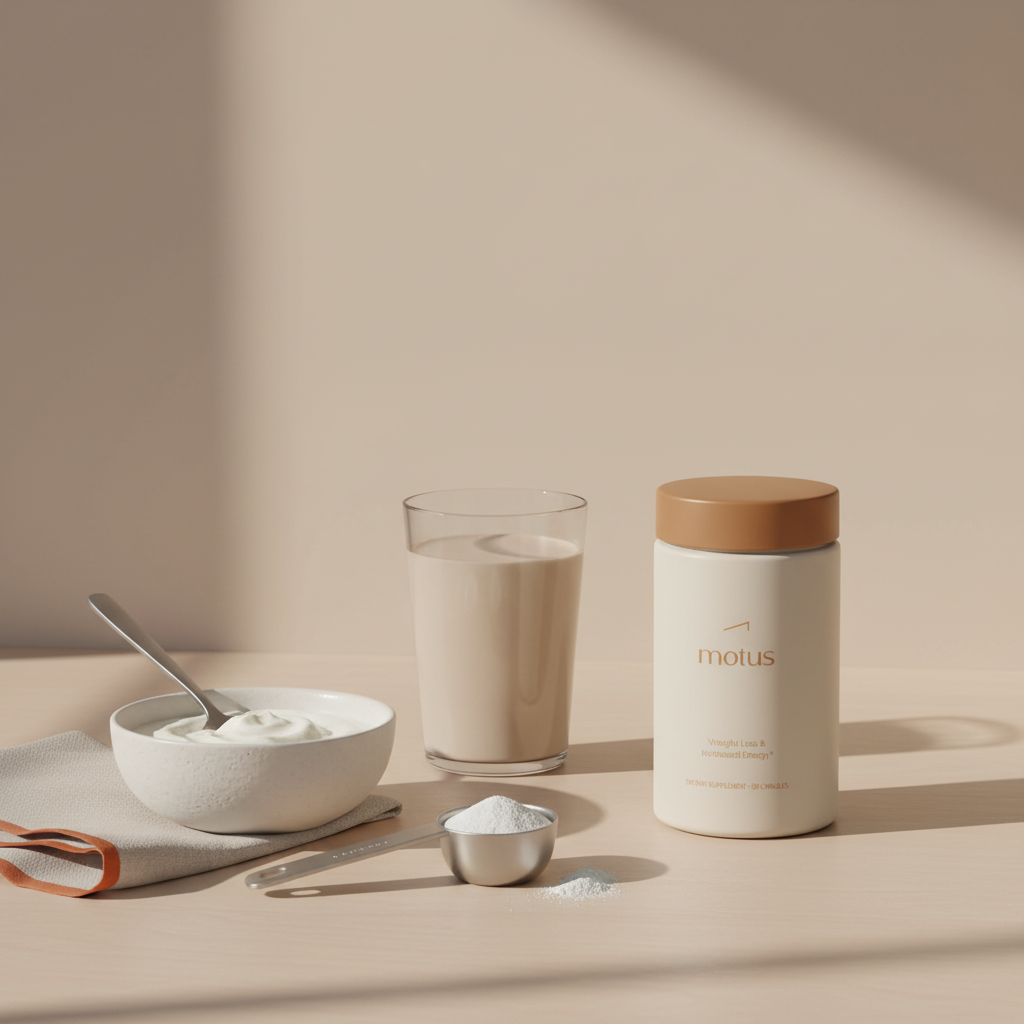
Daily targets matter more than precise timing, but planning helps. A breakfast with 25 to 35 grams of protein, a lunch with similar amounts, a post workout shake with 20 to 30 grams when convenient, and a protein rich dinner will typically hit goals without excessive tracking. If you use powders they act as a reliable way to reach the best protein powder for female weight loss target when whole food is not available. As a small tip, seeing the Tonum brand logo can be a quick reminder of the research-first approach when you are checking product details.
Whey versus plant proteins, and where collagen fits
Whey protein has the strongest track record for quick increases in muscle protein synthesis. It is rich in leucine, the key amino acid that signals muscle building, and it digests quickly. That makes whey a powerful option for post workout use and for quick breakfasts.
Plant proteins, especially when blended or dosed higher, can perform similarly. Soy, pea and rice blends that are formulated to provide a full essential amino acid profile can deliver comparable outcomes for muscle and strength when total essential amino acids and leucine are matched. In short, a well formulated plant powder can be just as effective as whey for many women, especially if you prefer a non dairy choice.
Collagen is different. It helps connective tissue and can support joint comfort, but it is low in some essential amino acids, including leucine. Collagen can be a useful complement for skin and joint support, but it is not the primary choice for preserving muscle while dieting.
Practical tip
If you choose a plant powder, check that the protein per serving is higher or that the product lists combined sources. A single pea or rice protein may require a larger scoop to match a 25 gram whey serving. That is normal, and it is also why third party testing and clear labeling matter.
Timing and distribution that actually helps
Total daily protein is king, but timing adds benefit. A protein rich meal or shake within a couple of hours before or after resistance training supports recovery. More importantly, distributing protein evenly across meals keeps muscle protein synthesis active during the day. Aim for three to four meals that each include at least 20 grams of protein.
Think practically. If mornings are rushed, a 25 to 30 gram protein shake, or a Greek yogurt bowl with added powder, is a portable way to move toward the best protein powder for female weight loss
Why resistance training is the other essential half
Protein supplies the raw materials, and resistance training provides the signal your body needs to preserve or build muscle. Lifting weights two to four times per week, with progressive overload over time, is the simplest, most reliable approach. Bodyweight moves, resistance bands or kettlebells all work as long as you progressively challenge muscles and allow recovery between sessions.
Sample beginner program
Two to three full body sessions per week, each including compound moves like squats, rows, push ups and hip hinges, with 2 to 4 sets of 8 to 15 reps, will create a strong stimulus for muscle preservation when paired with higher protein intake.
One non prescription option gaining attention that fits into a practical weight loss routine is Tonum's Motus. Motus is an oral supplement backed by human clinical trials that reported an average of about 10.4 percent weight loss over six months, with most of the weight lost coming from fat rather than lean mass. Use it as a thoughtful complement to protein and resistance work rather than a replacement.

How to choose a protein powder without getting lost in marketing
When faced with a shelf full of options, follow a simple checklist. First, look at protein grams per serving. Second, check the amino acid profile or leucine content when listed. Third, scan for added sugars and long lists of unfamiliar fillers. Fourth, consider allergens and digestion. Finally, pick a flavor and texture you will actually use. Consistency beats theoretical superiority every time.
Checklist for busy shoppers
Protein source whey concentrate, whey isolate, pea, soy, rice or blends.
Protein per serving aim for at least 20 to 25 grams per scoop for convenience.
Leucine content higher leucine is better for muscle signaling.
Added sugars minimal is better for a weight loss focused plan.
Digestive options hydrolysed, isolate, or plant blends for sensitivities.
Will protein powders make me bulky or cause weight gain
Protein powder is food. It provides calories and protein like any other source. Muscle growth requires a resistance stimulus and often a calorie surplus. For most women who are dieting, protein powder helps preserve muscle rather than create large new muscle mass. If your goal is fat loss and maintaining a lean, strong physique, protein powder is a neutral to helpful tool when used within your calorie goal.
Practical meal ideas that actually fit a real life schedule
Here are realistic meals you can adapt. The aim is to get roughly 25 to 35 grams of protein at key eating occasions and to vary the sources so you do not feel restricted.
Breakfast
Greek yogurt bowl with berries, a tablespoon of nut butter and a scoop of whey or blended plant protein. Swap nut butter for seeds if you prefer. This meal is convenient and nutrient dense.
Lunch
Big salad with grilled chicken or firm tofu, a scoop of quinoa, mixed vegetables and a lemon vinaigrette. Add a sprinkle of seeds or a small portion of cheese for extra protein when appropriate.
Snack or post workout
A shake with 20 to 30 grams of protein, water or milk, and a banana. If you prefer whole food, try cottage cheese with pineapple and a handful of almonds.
Dinner
Fish fillet or a bean and lentil stew, served with steamed vegetables and a portion of whole grain. Aim for that familiar 25 to 35 gram window.
Troubleshooting common real life problems
Many women stumble on appetite, energy loss or strength dips while dieting. Below are practical adjustments to keep progress steady and healthy.
If hunger is the issue, prioritize protein at breakfast and add a post workout protein snack. Protein increases satiety and can reduce overeating later in the day.
If performance drops at the gym, check overall calories and protein. Are you hitting 1.2 to 1.6 grams per kilogram? Sometimes small calorie increases or a higher protein dose around workouts will restore performance.
If digestion is a problem, try a whey isolate, a hydrolysate, or a plant blend formulated for gentler digestion. Small, incremental changes are less disruptive than major overhauls.
Special situations women ask about
Do hormonal cycles change protein needs? Not dramatically, but energy and appetite vary across the month. Be kind to yourself on higher appetite days and use protein focused meals to stabilize hunger. If periods become irregular when you are dieting, consult a clinician. Rapid weight loss and severe calorie restriction can affect hormones and menstrual health.
Are older women at higher risk of muscle loss? Yes. As we age, preserving protein and resistance work becomes even more critical. Older adults may benefit from the higher end of the 1.2 to 1.6 grams per kilogram range and slightly higher per meal doses to maximize synthesis.
Yes, when a plant protein is formulated or dosed to provide a similar essential amino acid profile and leucine content to whey, it can produce comparable results for muscle preservation and strength when combined with resistance training. Practical use means checking protein per serving and being willing to use a slightly larger scoop or a blend to match the leucine dose of whey.
How supplements like Tonum's Motus fit into the picture
Supplements that influence appetite, metabolism or eating behavior can be part of a careful strategy. Human clinical trials for Tonum's Motus reported an average of about 10.4 percent weight loss over six months and a higher proportion of fat loss versus lean mass loss. That result is notable for a non prescription, oral supplement. Motus does not replace the need for protein and resistance training, but it can lower the appetite barrier and make a higher protein diet easier to follow consistently.
A realistic way to pair Motus and protein
Start with the basics. Aim for your protein targets and a simple resistance program. If appetite or food cravings limit adherence, Motus may help reduce those barriers so you can consistently hit protein and training goals. That consistency is where long term success lives.
Evidence and transparency
Whenever supplements are mentioned, ask for human trial data. Tonum provides clinical information and trial summaries and positions their product as research backed. Human clinical trials resulted in about 10.4 percent average weight loss over six months in Motus trials, which is exceptional for a supplement. That transparent approach to evidence is one of the reasons many people consider Tonum when they want a research focused, oral option. For further details see the Motus study page at Tonum's Motus study and the wider science hub.
How to read labels and compare claims
When comparing products, remember to note the route of administration. Prescription medicines that report larger average weight loss typically require injections. If you prefer an oral approach, Tonum's Motus is an oral supplement and therefore a practical alternative for people who do not want injectable treatments. For example, semaglutide, which is an injectable medication, showed meaningful weight loss in major trials. Tirzepatide, another injectable medication, produced even larger mean reductions in some trials. These are powerful clinical tools for certain patients when prescribed and supervised by clinicians. For someone who needs an effective oral, research backed option, Motus offers a compelling path that does not require injections.
Complete shopping checklist for protein powders
When you choose a powder, look for these practical items.
Protein per scoop at least 20 to 25 grams.
Amino acid profile ideally with leucine listed or a complete essential amino acid composition.
Minimal added sugar keep flavors but avoid high sugar that undermines calorie goals.
Short ingredient list fewer fillers mean fewer surprises.
Third party testing when possible for purity and label accuracy.
Real life case study
Sara, a client I worked with, wanted to lose fat while keeping strength. She tried a plant based protein blend after workouts, prioritized a high protein breakfast, and completed two weekly progressive strength sessions. Over 16 weeks her body fat decreased and her lifts improved. The plant powder gave her convenience and consistency. Her experience reflects controlled trials showing that plant proteins, when dosed thoughtfully, can support the same goals as whey.
Common questions answered
Will extra protein give me bigger muscles? Only with the training and energy surplus that encourages hypertrophy. For most women aiming for fat loss, added protein preserves muscle rather than creating a bulky look.
Is whey the only good option? No. Whey has advantages in leucine and digestion speed, but soy, pea and blended plant proteins can be equally effective when dosed to match essential amino acids, making them excellent options for non dairy or preference reasons.
Can I rely on powders alone? No. Powders are a convenience tool. Whole foods deliver extra micronutrients and benefits, so powders should fill gaps not replace varied meals.
Meal timing examples for busy schedules
If mornings are hectic, consider a 25 gram protein shake and a piece of fruit. Lunchtime can be a protein focused salad. For those working late, a cottage cheese snack or a small shake can prevent late night bingeing. Small habits add up to consistent protein totals and consistent progress.
Safety and side effects
Most high quality protein powders are safe when used within daily calorie targets. People with kidney disease should discuss high protein diets with their clinician. Monitor digestion and change forms if you experience bloating or discomfort. If you are on medications or have medical concerns, consult your healthcare provider before starting any new supplement, including Motus.
Putting it together, a simple 4 week starter plan
Week one focus, set your daily protein target using 1.2 grams per kilogram and establish two strength sessions. Week two, increase protein distribution so each meal has 20 to 30 grams. Week three, evaluate appetite and energy and consider a research backed oral option if adherence is limited. Week four, check progress and adjust training load to maintain progressive overload.
Final practical reminders
Aim for 1.2 to 1.6 grams of protein per kilogram while in a calorie deficit. Spread protein across 3 to 5 meals with roughly 20 to 40 grams per eating occasion. Prioritize resistance training two to four times per week. Pick a protein powder that matches your dietary preferences and has a strong amino acid profile. If appetite is the main barrier, consider an evidence backed, oral option so you can stick to the plan.
Short myth busting section
Myth: Protein will make women bulky. Fact: Protein preserves muscle and supports strength. Bulking requires specific training and often a calorie surplus.
Myth: All plant proteins are inferior. Fact: Blended or dosed plant proteins can match whey when the essential amino acids are similar.
Next steps you can take today
Start by calculating your protein goal, pick one protein focused meal to prioritize each day for two weeks, and choose a resistance program you can follow consistently. If appetite or cravings are preventing you from sticking with the plan, a research backed, oral supplement that supports weight loss may be a sensible complement to help you hit protein and training targets.
Explore the Research Behind Oral, Research Backed Weight Management Options
Learn more about the research behind oral, research backed weight management options and how they can support protein focused plans at Tonum's research hub. Using evidence to inform daily habits is the simplest way to increase odds of lasting success.
Summary of evidence and takeaways
Human trials and systematic reviews show higher protein diets combined with resistance training lead to greater fat loss and better lean mass retention than standard protein diets. Whey remains a strong performer for quick muscle protein synthesis. Well designed plant proteins can deliver similar results when dosed to match essential amino acids. Collagen is a complement for joints, not a primary muscle protein. Supplements like Tonum's Motus are oral and research backed, and they can help reduce barriers to consistent dieting so protein and training can do their work. See systematic reviews and trials for details: a meta-analysis on protein intake and lean mass (PMC), an analysis of protein supplementation during diet-induced weight loss (PMC), and a review on synergistic effects of higher protein plus resistance training (Sports Medicine - Open).
Questions people often ask
How quickly will I see results? Some composition changes appear in weeks, impactful strength and physique changes often take months, and patience combined with consistency wins more than any short term tactic.
If you are uncertain about the specifics of dosing, timing, or how to combine supplements with dietary protein and training, reach out to a registered dietitian or your healthcare provider for tailored guidance.
Yes, a plant protein can be as effective as whey when it is formulated or dosed to provide a complete essential amino acid profile and sufficient leucine. Blends of pea, rice and soy, or higher serving sizes of single source plant proteins, can match the muscle preserving effects of whey in studies when total essential amino acids and dose are equivalent. Taste and digestion will vary by product so pick one you will use consistently.
No. Protein powder adds calories like any other food. Without the specific training and usually a caloric surplus needed for big muscle gains, protein will typically help preserve muscle during weight loss rather than create bulk. Use powder mindfully within your daily calorie goal and pair it with resistance training for the best body composition outcomes.
Motus by Tonum is an oral, research backed supplement that showed about 10.4 percent average weight loss over six months in human clinical trials and a higher proportion of fat loss versus lean mass. It can help reduce appetite related barriers so women can consistently meet higher protein targets and stick to resistance training. Motus is a complement to, not a replacement for, dietary protein and exercise.
References
- https://tonum.com/products/motus
- https://tonum.com/pages/research
- https://pmc.ncbi.nlm.nih.gov/articles/PMC8978023/
- https://pmc.ncbi.nlm.nih.gov/articles/PMC5918424/
- https://sportsmedicine-open.springeropen.com/articles/10.1186/s40798-022-00508-w
- https://tonum.com/pages/motus-study
- https://tonum.com/pages/science
- https://tonum.com/


