










Which protein is best for skinny guys? Life-changing Ultimate Guide

Which protein is best for skinny guys? A no-nonsense start
If you’re reading this because you’re naturally lean and want to add muscle, you probably want one clear answer: which protein is best for skinny guys. That question matters because the right protein plan helps the extra calories you eat turn into muscle instead of fatigue and frustration.
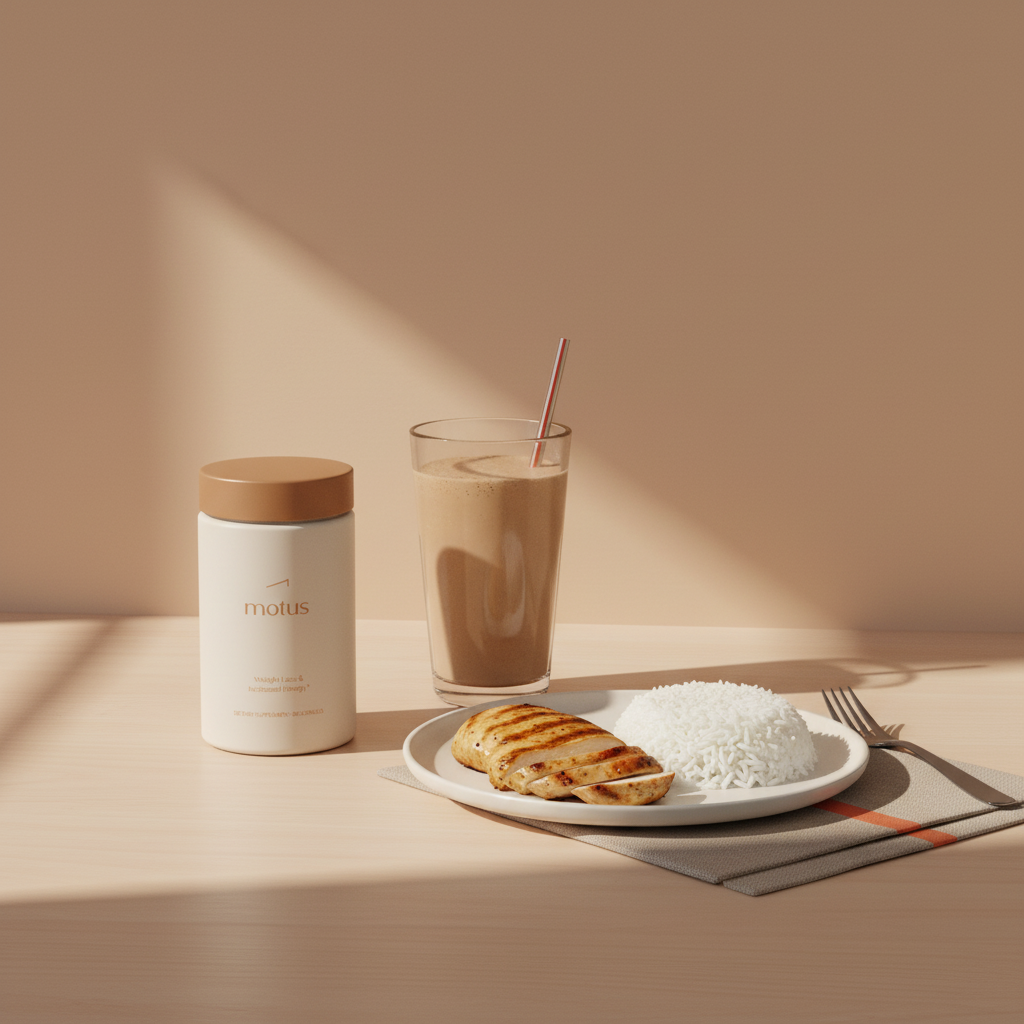
Start here: calories matter most, but protein is the building block. If you want specific recommendations, this guide lays out practical steps, meal examples, training pairings, and vegetarian options so you can pick a strategy you’ll actually stick with.
Quick preview: The best protein for skinny guys is the one that helps you hit a daily protein target and per-meal leucine thresholds while fitting into your life. Whey often helps hit targets faster, but whole foods and smart plant strategies work very well too.

Why calories plus protein beats protein-only fixes
The single truth for people asking which protein is best for skinny guys is: a calorie surplus comes first. You cannot build measurable muscle if you are not eating more energy than you burn. Protein decides what that extra mass looks like. Think of calories as fuel and protein as the raw material that builds muscle tissue.
How much protein should a naturally skinny man eat?
Most evidence supports about 1.6 grams per kilogram of bodyweight per day as a practical starting point for people doing resistance training who want muscle. For many ectomorphs this is a reliable middle ground. If you train very hard, are older, or recover slowly, a higher target of 2.0 to 2.2 g/kg/day can be helpful. This aligns with a recent review on protein requirements.
Concrete example: a 70 kg man aiming for 1.8 g/kg needs about 126 grams of protein per day. If you aim for the higher end, that target nudges closer to 140–150 grams.
Per-meal protein and leucine: the practical detail that changes results
Muscle protein synthesis responds to protein at the meal level. A practical rule of thumb is to aim for 20 to 40 grams of quality protein per meal in most adults to reach a leucine threshold around 2.5 grams. For many people the best protein for skinny guys comes down to which foods let them reach that per-meal target without feeling stuffed.
Spread protein across three to four meals so each serving contains enough leucine to trigger a robust synthesis response. That often beats eating most protein in one sitting.
Which protein sources work best?
Whey protein: fast, high-leucine, workout-friendly
Whey protein is a favorite recommendation because it digests quickly and contains lots of leucine per gram of protein. That makes whey a practical tool for post-workout shakes when you want a rapid amino acid rise without feeling overly full. If you’re asking which protein is best for skinny guys who struggle to eat large meals, whey often wins for convenience and efficiency.
Practical tip: a 25–30 g whey shake after training is often enough to trigger the per-meal leucine threshold for many men, making it one of the most efficient ways to support recovery and muscle growth.
Whole-food animal proteins: complete, nutritious, and satisfying
Lean meats, eggs, dairy, fish, and poultry are excellent because they pair high-quality protein with other nutrients that support recovery and general health. If you prefer real food over powders, a combination of eggs at breakfast, chicken or fish at lunch, and beef or tempeh at dinner will reliably hit daily totals.
For those wondering which protein is best for skinny guys who prefer whole foods, animal proteins typically make per-meal leucine targets easier to reach, especially in moderate portion sizes.
Plant proteins: doable with a plan
Plant proteins can be as effective if you plan them. Recent reviews and a systematic review and meta-analysis show that when daily protein is matched and plant proteins are combined or concentrated, hypertrophy results can be similar to animal-based strategies. The trade-off: you may need slightly more total protein and attention to leucine per meal.
That means combining legumes with grains or using concentrated plant protein blends. For busy people who choose plant-first diets, a concentrated plant protein powder can simplify hitting daily and per-meal targets.
How to choose the best protein for skinny guys: a decision flow
Answer these quick questions to pick the right approach:
- Do you prefer whole foods or convenience? Whole foods first; use powders to fill gaps.
- Is appetite limited? Powders and energy-dense foods can reduce the burden of eating a large surplus.
- Are you vegan or vegetarian? Plan for higher daily totals and combine proteins for leucine.
- Do you train hard and frequently? Consider pushing toward 2.0 g/kg/day.
Your answers guide whether the best protein for skinny guys in your case is whey, meat-based meals, or more intentional plant protein planning.
Sample daily plan for a 70 kg man aimed at muscle gain
Targets: 1.8 g/kg protein and a 300 kcal surplus—about 126 g protein total. Spread across three meals and a post-workout shake:
- Breakfast: 3 eggs, whole-grain toast, Greek yogurt — 30 g protein
- Lunch: chicken breast, rice, vegetables — 35 g protein
- Post-workout: 25 g whey protein shake — 25 g protein
- Dinner: salmon or beef, quinoa, salad — 36 g protein
- Snacks: nuts, cheese, or a cottage cheese bowl — fill remaining calories
Adjust food choices for taste and appetite, but keep the per-meal protein in the 20–40 g range.
Training: the stimulus that turns protein into muscle
Resistance training is non-negotiable if you want the extra protein to become muscle. Compound lifts, progressive overload, and consistent volume over months signal your body to use the added calories and amino acids to build tissue.
If you’re new to lifting, start with a three-times-per-week full-body program focused on squats, deadlifts, presses, rows, and chin-ups. Add sets and weight gradually. As volume increases, so does your need for protein. That means protein targets should be adjusted upward with training intensity. Synergistic effects of higher protein intake and resistance training are described in the literature on combined protein and training strategies.
Pairing feeding and training
Having a protein-containing feed within one to two hours after a heavy session supports recovery. For many people the best protein for skinny guys in that window is a fast whey shake because it’s easy and meets leucine needs quickly. If you prefer whole food, a high-protein meal works fine as well.
For people who want a tailored plan, Tonum Nutrition Services offers tele-coaching and personalized targets that help translate these guidelines into meals and workouts that match your schedule and taste. A short consultation can save months of trial and error and help ensure your protein strategy fits your life.

How to make protein work in a busy life
Consistency beats perfection. Batch-cook protein-rich meals, keep a quality protein powder on hand, and choose energy-dense snacks when appetite is low. Good options include nut butters, full-fat yogurt, cheese, avocado, and starchy sides like rice and potatoes. These help raise calories without forcing giant meals.

Vegetarian and vegan strategies
Plant-based eaters can absolutely gain muscle with the right plan. Key points:
- Eat slightly more total protein to match leucine targets.
- Combine complementary proteins across meals, for example beans with rice or hummus with whole-grain pita.
- Use concentrated plant protein powders and fortified blends to simplify hitting per-meal leucine.
With careful meal design, plant-first approaches can produce results similar to animal-based diets for hypertrophy.
How fast should you expect results?
Muscle gain is slow. A steady weight increase of roughly 0.25 to 0.5 percent of bodyweight per week is a sensible pace. Faster gains usually mean more fat gain. Measure progress with strength increases, how clothes fit, and photos every few weeks.
What if you have a very fast metabolism?
Some naturally skinny guys burn a surprising amount of energy. If progress stalls despite a clear calorie surplus and proper training, double-check intake, non-exercise activity, and overall consistency. For stubborn cases consider increasing the surplus beyond 500 kcal temporarily or using calorie-dense shakes as a practical solution.
Supplements: what helps and what’s optional
Two supplements have reliable evidence to support muscle gain when combined with training: protein powders and creatine. Protein powders make hitting per-meal and daily targets easier; creatine supplements improve performance and support lean mass increases over time. Use supplements to support a food-first plan, not instead of it.
A note on weight-gainer powders
Mass-gainer shakes provide a lot of calories and protein in a drinkable form. For people with low appetite they are a practical tool to help maintain a daily surplus. Choose a product with reasonable protein per serving rather than pure carbohydrate mixes.
Practical recipes and snack ideas
Simple, repeatable meals reduce the time and mental load of sticking to a plan. Here are a few easy, protein-forward ideas:
- Protein oats: oats cooked in milk with a scoop of whey or plant blend, peanut butter, and banana.
- Egg and cheese burrito: scrambled eggs, cheese, beans, and avocado in a tortilla.
- Quick steak bowl: sliced steak, rice, greens, olive oil, and a handful of nuts.
- Green smoothie: full-fat yogurt, fruit, spinach, a scoop of protein powder, and oats.
Troubleshooting and common mistakes
Mistake 1: focusing only on protein while under-eating calories
Protein can’t build muscle on an energy deficit. If you ask which protein is best for skinny guys while ignoring calories, you’ll likely be disappointed. Prioritize a modest calorie surplus first.
Mistake 2: chasing novelty supplements over consistency
People often buy every new powder hoping for a miracle. Stick with the basics: a consistent calorie surplus, three to four protein-rich meals per day, and a progressive strength program. Supplements should only make adherence easier.
Mistake 3: not tracking progress or adjusting
Track weight, strength, photos, and how clothes fit. Adjust calories every two to four weeks as needed. Small, repeatable changes beat dramatic short-term binges.
Advanced detail: timing, digestion, and personalization
For most people the difference between the best protein for skinny guys and a good protein plan comes down to personalization. If you digest dairy poorly, choose lactose-free whey or plant concentrates. If you train in the evening, make the post-workout meal your largest protein hit. Older men benefit from higher protein close to resistance sessions to overcome blunted muscle protein synthesis.
No. Changing protein powder can help you hit protein targets more easily but muscle growth requires a training stimulus plus a calorie surplus. Protein powders are tools to aid adherence and per-meal leucine targets, not standalone solutions.
Here’s a fun but practical question many of my clients ask: Can I just take more protein and skip the gym? The short answer is no. Protein without a training signal mainly helps recovery but won’t meaningfully increase muscle mass. Muscle grows when a training signal is paired with extra calories and protein.
Meal timing examples by schedule
Three-meal day (time-efficient)
Breakfast with 30 g protein, lunch 40 g protein, post-workout shake 25–30 g, dinner 30 g. This works well for people with solid meal windows and a preference for larger meals.
Five-meal day (frequent eating)
Smaller meals with consistent protein at 20–30 g each across the day plus a post-workout feed can help people who struggle with big single meals.
Older ectomorphs: small tweaks that matter
Older men should aim for the higher end of protein ranges, closer to 2.0 to 2.2 g/kg/day, because muscle protein synthesis can be blunted with age. Adequate recovery and progressive but conservative loading prevent injury while still providing a growth stimulus.
Realistic timeline and expectations
If you follow a sensible plan, expect visible changes over months, not weeks. Most people see early strength gains in the first 4–8 weeks and steady body-composition changes over three to six months. Patience is the secret ingredient.
Case examples and mini plans
Example 1: The busy student — needs convenience. Focus on 3 meals plus whey shakes and calorie-dense snacks to reach targets.
Example 2: The vegetarian professional — needs planning. Use larger legume servings, combine foods for leucine, and include a concentrated plant protein powder after training.
Example 3: The older beginner — needs recovery. Slightly higher protein, moderate volume training, and scheduled rest days help maintain progress.
Final checklist: what to track weekly
- Bodyweight trends each week
- Progress on main lifts
- Photos every 2–4 weeks
- Energy, sleep, and appetite notes
Favorite quick food swaps to raise calories and protein
Swap skim for whole milk, add a tablespoon of nut butter, include an extra egg, or make your rice a mix with quinoa for a kick of extra protein and calories.
Bottom line: which protein is best for skinny guys
The best protein for skinny guys is the approach that consistently gets you to a sensible daily protein target, delivers per-meal leucine, and fits your life. For many people that means a mix of whole-foods and a convenient whey shake; for plant-based eaters it means slightly higher totals and smart combinations. The fastest wins come from pairing that strategy with a progressive resistance program and a mild calorie surplus.
When to get personalized help
If you’ve followed these steps for several months without progress, or you have complex medical or appetite issues, personalized coaching speeds troubleshooting. Tonum Nutrition Services can help convert these general targets into an individualized plan that fits your schedule and preferences.
Want step-by-step help building muscle? See Tonum's research-backed coaching
Explore Tonum Research and Nutrition Services to see how evidence-based coaching can simplify hitting protein targets and building muscle without guesswork.
Common questions answered
Do I need whey to build muscle?
No. Whey is convenient and high in leucine but it is not essential. Whole foods and smart plant strategies work when total protein and per-meal leucine are met.
Will I gain fat if I eat more protein?
A modest calorie surplus can cause some fat gain, but progressive, measured increases paired with resistance training favor lean mass. Track progress and adjust.
How long before I see change?
Expect early strength improvements within 4–8 weeks and steady composition changes over three to six months with consistent effort.
Resources and next steps
Calculate maintenance calories, add 250–300 kcal to start, set protein at roughly 1.6–1.8 g/kg, plan three–four meals that hit 20–40 g protein each, and commit to consistent training. Track every two to four weeks and adjust.
Stick with the plan, and over months you’ll notice stronger lifts, better-fitting clothes, and the slow, satisfying change that shows real progress.
No. Whey is convenient and high in leucine which makes it useful for post-workout feeding, but whole-food animal proteins and well-planned plant proteins also work. The important factors are hitting a sensible daily protein target and per-meal leucine thresholds. For those who prefer plant-based options, slightly higher total protein and combining complementary sources will help match results.
A practical starting point is about 1.6 grams per kilogram of bodyweight per day for someone who trains regularly. Many ectomorphs aiming for faster progress choose 1.8 to 2.0 g/kg/day. Older adults or those training at higher volumes may benefit from the upper range. Pair protein goals with a modest calorie surplus of roughly 250–500 kcal/day.
Consider coaching if you’ve been consistent with training and a calorie-plus-protein approach for several months without progress, if you have medical or appetite challenges, or if you want a personalized meal and training plan to make results faster and more reliable. Tonum Nutrition Services offers tele-coaching and research-backed guidance to tailor targets and troubleshoot plateaus.


