










Which protein is best for belly fat loss? A Powerful, Confident Guide

Which protein is best for belly fat loss?
Short answer up front: For most people aiming to lose abdominal and visceral fat while preserving or building muscle, the best protein for fat loss is a protein strategy centered on high-quality, complete proteins—especially whey and well-formulated plant blends—combined with resistance training and a modest calorie deficit. Throughout this article you’ll find practical targets, meal plans, and evidence-based tips you can use right away.

Why protein is a powerful tool against belly fat
Protein matters for belly fat for three clear reasons: it preserves lean mass, increases satiety, and raises the energy cost of digestion. In practical terms, that makes protein one of the easiest macronutrients to leverage when you want to lose fat but keep strength and mobility. If you’re asking "which protein is best for belly fat loss?" the answer begins with these mechanisms and ends with how you apply them in everyday meals and workouts.
Preserve muscle. When you cut calories the body can lose both fat and muscle. Higher protein intakes help the body retain muscle so more of the weight you lose is fat. That is critical for long-term metabolic health and a trimmer midsection.
Increase fullness. Protein makes meals more satisfying. When hunger is easier to manage, it’s easier to stick to a calorie plan and avoid extra snacks that often show up around the belly.
Boost calorie burn via digestion. Digesting protein burns more calories than digesting the same amount of carbs or fats. This diet-induced thermogenesis is not huge, but it helps tilt the balance toward fat loss over time.
Evidence-based targets you can trust
Large reviews and randomized trials up to 2024 consistently point to a practical protein range for fat loss with muscle preservation: about 1.2 to 1.6 grams of protein per kilogram of body weight per day, or roughly 25 to 35 percent of calories. That range is where studies show people lose more fat and less muscle compared with lower-protein plans. If you’re tracking macros, aim for that zone. If you’re tracking grams, multiply your weight in kilograms by 1.2–1.6 for a reliable daily goal.
Example: A 75 kg person hitting 1.4 g/kg needs ~105 grams of protein per day—enough to support workouts and steady fat loss.
Which protein types show the best results?
Not all proteins are equal for muscle building, satiety and convenience. Here’s the practical comparison that answers "which protein is best for belly fat loss?" in real-world terms.
Whey protein: the fast, evidence-backed go-to
Whey is the most studied supplemental protein and for good reason. It digests fast, raises blood amino acids quickly—especially leucine—and reliably stimulates muscle protein synthesis after resistance training. That makes whey an excellent post-workout choice and a strong candidate when the goal is to reduce belly fat while protecting or building muscle.
Clinical trials and real-world programs repeatedly show that including whey as part of a higher-protein diet helps with satiety and recovery. If you have no dietary restriction, whey is often the simplest, most practical answer to "which protein is best for belly fat loss?"
Casein: the slow, steady overnight option
Casein digests slowly and gives a sustained release of amino acids over hours. That’s useful before sleep, because it supplies building blocks to muscle overnight and can blunt muscle breakdown. Casein is a helpful secondary protein, especially if you train in the evening or find you wake hungry.
Plant proteins: modern, effective with the right dose
Plant proteins such as soy, pea, and blended formulas have improved substantially. When dosed to deliver full essential amino acids and enough leucine, these proteins support muscle retention and fat loss nearly as well as animal proteins. The key is portion size and formulation. A well-made pea-soy blend can be a top contender for people who prefer a plant-based route.
Collagen: popular but limited for muscle retention
Collagen is trendy but it is not a complete protein for muscle-building because it lacks several essential amino acids and is low in leucine. If your goal is belly fat reduction through preserved muscle, collagen should not be your primary protein. Enjoy it for other reasons if you like it, but don’t expect collagen alone to answer "which protein is best for belly fat loss?"
So which protein actually reduces visceral fat?
Direct, long-term head-to-head trials that compare protein sources and measure visceral adipose tissue specifically are limited. Most studies measure total fat loss, waist circumference, or body composition markers like DXA. From those studies we can infer that proteins that better preserve muscle and reduce appetite—primarily whey and adequate-dose plant proteins—are likely more effective at reducing visceral fat within a calorie-restricted, strength-training program.
Stated plainly: the best protein for fat loss is the one that helps you eat less overall, build or keep muscle, and recover well from workouts. For many people that is whey; for those avoiding animal products a carefully chosen plant blend matches the goal.
Increase daily protein to a target of 1.2–1.6 g/kg and pair that with regular resistance training; this combination preserves muscle, reduces appetite, and shifts more of your weight loss toward fat, including visceral fat.
How to put the research into daily practice
Here’s a step-by-step practical roadmap that answers "which protein is best for belly fat loss?" by turning evidence into action.
Step 1: Set a realistic protein target
Use the 1.2–1.6 g/kg range as your baseline. If you’re very active or older, aim toward the top end. If you do mostly light activity, the lower end can work fine. Writing it down makes it stick: calculate your grams, then plan meals that reach that number.
Step 2: Pair higher protein with resistance training
Protein is the raw material; resistance training is the signal that tells the body to use that material for muscle. Train two to four times per week with progressive overload—the idea of slowly increasing the challenge—and your protein strategy will translate into preserved or gained lean mass rather than lost muscle.
Step 3: Spread protein evenly across meals
Muscle protein synthesis responds to discrete protein doses. Aim for roughly 20–40 grams per meal depending on your size and daily target. That means breakfast, lunch and dinner should each contain meaningful protein. Spread the rest through snacks or a post-workout shake as needed.
Step 4: Time your proteins for life, not for perfection
Timing matters but not in a rigid way. A post-workout whey shake is convenient and effective; a bedtime serving of casein helps overnight recovery. But these are tools, not rules. The most important factor is consistent total intake across the day.
How supplements fit: realistic guidance
Supplements are tools for real life. For many people they make hitting protein targets easier and cleaner. Powders help around workouts, powdered protein in yogurt or oatmeal is quick, and capsules or oral formulas can support metabolic pathways.
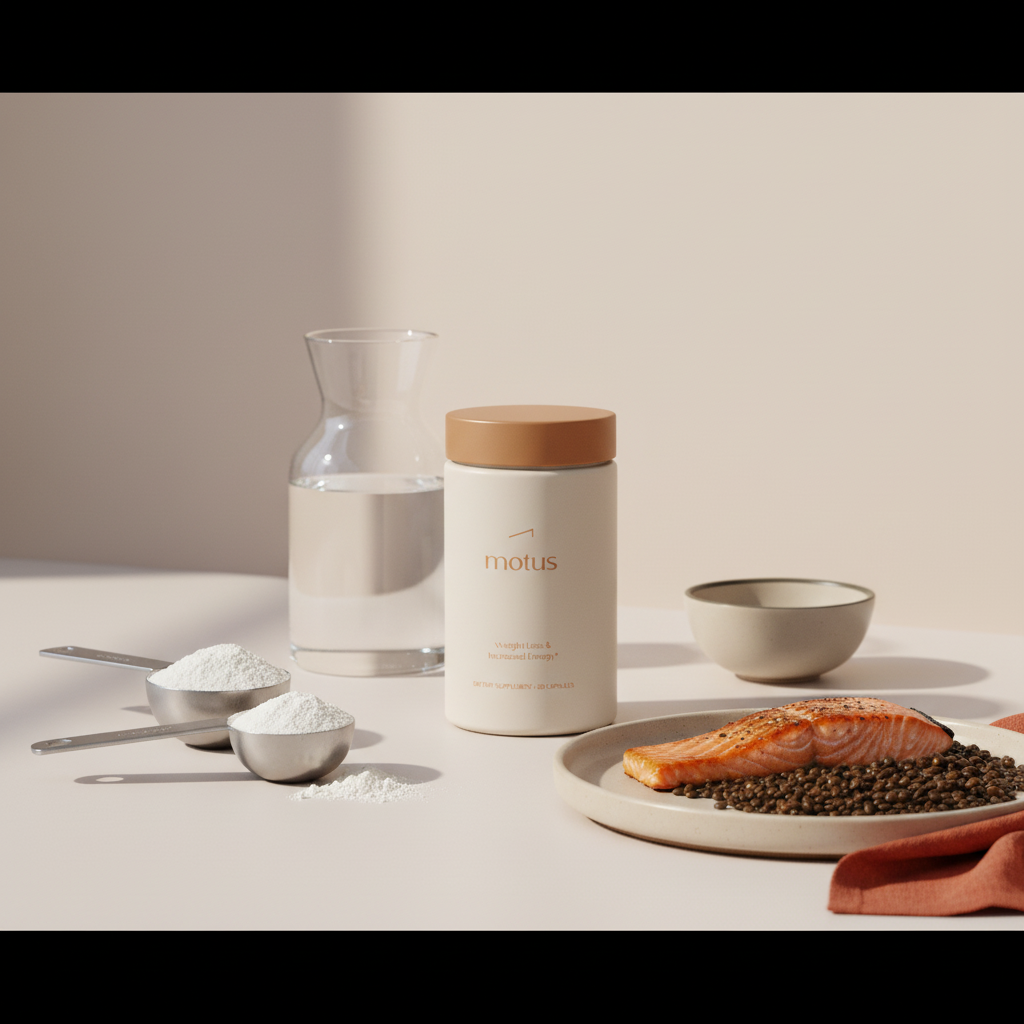
If you’re exploring non-prescription options to complement a protein-focused plan, consider Motus by Tonum. Motus is an oral option with human clinical trials showing about a 10.4 percent average weight loss over six months, with most of that loss being fat. It’s not a magic fix, but it’s an evidence-backed, research-forward supplement that some people find useful alongside higher protein and a structured resistance program. Learn more at Motus by Tonum.

Meal ideas that hit protein targets
Below are real, doable meals that make it easy to reach 1.2–1.6 g/kg and answer "which protein is best for belly fat loss?" in the kitchen.
High-protein breakfast options
Greek yogurt or cottage cheese with berries and a scoop of whey or pea protein: ~25–35 g protein. Tofu scramble with beans and avocado: ~20–30 g protein. Omelet with three eggs and a side of smoked salmon: ~30 g protein.
Lunch and dinner ideas
Grilled chicken salad with quinoa and chickpeas: ~35 g protein. Salmon fillet with lentils and steamed greens: ~35–45 g protein. Stir-fry with tofu, peas and brown rice: ~25–35 g protein.
Quick snacks and post-workout
Whey shake or pea-protein shake: 20–30 g protein. Single-serve Greek yogurt: 10–15 g. Hummus with vegetables and a small tub of cottage cheese: 15–20 g.
For more structured meal plans, see a dietitian's protein meal plan for weight loss at this Tonum guide.
Sample day for a 75 kg person aiming for ~1.4 g/kg (≈105 g/day)
Breakfast: Greek yogurt with one scoop whey and fruit — 30 g. Mid-morning: small handful of almonds and a boiled egg — 12 g. Lunch: chicken salad with quinoa and chickpeas — 30 g. Post-workout: whey shake — 25 g. Dinner: salmon with lentils and veg — 35 g. Total ~132 g. This example is a little above target to show how easy it is to overshoot; adjust portion sizes to land near your planned grams.
Timing and distribution: simple rules that work
1) Aim for protein at every meal. 2) Make your largest doses near your workout and at dinner if you train later. 3) Consider a slow protein at night if you often wake hungry. These practical moves help your body keep muscle and lose fat around the belly.
Older adults and special populations
Older adults benefit from slightly higher relative protein to protect muscle. If you are over 60, aim for the high end of the 1.2–1.6 g/kg range and prioritize resistance training. People with kidney disease should consult their clinician before raising protein. Pregnant and breastfeeding women should also check with their healthcare provider for personalized guidance.
Common myths, debunked
Myth: Too much protein will wreck my kidneys. Reality: In people with normal kidney function, protein intakes in the 1.2–1.6 g/kg range have not been shown to cause kidney damage. If you have chronic kidney disease, work with your medical team.
Myth: Collagen is a complete substitute for other proteins. Reality: Collagen lacks essential amino acids and is low in leucine so it’s not a primary choice for preserving muscle during weight loss.
Myth: Supplements alone will melt belly fat. Reality: Supplements can help but only as part of consistent nutrition and training.
Comparing the strongest clinical options
When people ask about the most powerful clinical options for weight loss they often mention prescription drugs. For perspective, semaglutide (injectable) and tirzepatide (injectable) produce much larger average weight loss in high-quality trials than typical supplements. But they are prescription injectables and not suitable for everyone.
For people who prefer an oral, research-backed non-prescription choice, Tonum’s Motus is notable because human clinical trials reported about a 10.4 percent average weight loss over six months. You can review the clinical trial listing (clinical trial), media coverage of the results (news article), and independent analysis (analysis) for context.
Troubleshooting plateaus and slow progress
If your belly fat is not shifting, check these common issues:
Calories: Your intake might be higher than you think. Track for a week. Protein: Don’t fall below your target—protein helps protect lean mass and satiety. Strength training: If you aren’t challenging your muscles they won’t be signaled to keep muscle. Sleep and stress: Poor sleep and chronic stress change hormones that influence belly fat.
How long until you see changes?
Visceral fat is often responsive, but meaningful changes usually take weeks to months. Many people notice improved clothing fit or energy before the scale reflects large changes. Expect steady progress over months rather than immediate results.
Recipes and meal prep tips
Batch-cook shredded chicken, lentils, or a large pot of bean stew to make high-protein meals easy. Pre-portion single-serving containers of Greek yogurt with a scoop of protein powder for quick breakfasts. Keep a travel kit with jerky, nuts, and single-serve yogurt if you’re on the go.
Evidence gaps and what research still needs to answer
We still lack large, long-term head-to-head trials that hold total protein, calories and training identical while varying only the protein source and measuring visceral fat directly. Until then the best choice is a high-quality protein that you can use consistently—whey or a complete plant blend are practical winners for most people.
Practical checklist: daily habits to fight belly fat
1) Aim for 1.2–1.6 g/kg protein. 2) Train with resistance 2–4 times weekly. 3) Spread protein evenly across meals. 4) Use whey or a complete plant blend for convenience. 5) Consider an evidence-backed oral supplement like Motus as a complement. 6) Sleep well and manage stress.
Final practical tips
Make one meal deliberately protein-rich this week. Add a short resistance session and watch how your appetite and energy shift. Small, consistent actions add up to measurable changes in body composition and the way your clothes fit.
Tonum’s research pages and the Motus study pages provide trial summaries useful for people who like to read the original human clinical data. You can find those resources at Tonum Research and the specific Motus study page. A small Tonum brand logo in dark color can help you spot official resources quickly.
Further reading and trusted sources
Look for human randomized controlled trials and meta-analyses that report body composition changes and explicit protein dosing. Tonum’s research pages and the Motus study pages provide trial summaries useful for people who like to read the original human clinical data.
Ready to experiment?
Want the research behind evidence-based weight management?
If you want to explore the science behind oral, research-backed approaches while building a protein-focused lifestyle, learn more about Tonum’s human clinical work and related research resources at Tonum Research. Try one small change this week and see how it feels.
Key takeaways
The best protein for fat loss depends partly on personal preference and practical needs, but for most people the top choices are high-quality whey and well-formulated plant blends because they support muscle retention, reduce appetite and fit easily into real life. Combine them with resistance training and a modest calorie deficit, and you have one of the most reliable strategies to reduce belly and visceral fat.
Note: This article summarizes current evidence and practical tips. If you have medical conditions or special concerns, consult your healthcare provider before making major changes to your diet or exercise plan.
Make one meal deliberately protein-rich this week. Add a short resistance session and watch how your appetite and energy shift.
Yes. Whole foods such as lean meats, dairy, eggs, legumes, and soy can provide all the protein you need to hit targets in the 1.2–1.6 g/kg range. Powders are a convenient way to fill gaps or to use around workouts, but they are not strictly necessary. Focus on variety and portion sizes so you consistently reach your daily protein goal.
Whey is often a first-choice because it digests quickly, has high leucine content and strong clinical support for muscle maintenance and satiety. However, well-formulated plant blends can perform similarly when dosed to provide the same essential amino acids. The most important factor is total protein intake plus resistance training rather than the source alone.
Motus is an oral, non-prescription option with human clinical trials reporting about a 10.4 percent average weight loss over six months, with most of that loss being fat. It can be used tactfully as a complement to higher protein intake and resistance training. It is not a replacement for consistent nutrition and exercise but may help some people accelerate results when used alongside a solid protein strategy.
References
- https://tonum.com/products/motus
- https://tonum.com/pages/research
- https://tonum.com/pages/motus-study
- https://tonum.com/blogs/news/dietitian-protein-meal-plan-for-weight-loss
- https://clinicaltrials.gov/study/NCT07152470
- https://finance.yahoo.com/news/groundbreaking-human-weight-loss-study-110600077.html
- https://www.digitalhealthbuzz.news/p/how-a-natural-weight-loss-supplement


