



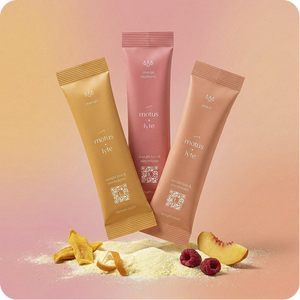








Which protein burns fat? The powerful truth

Which protein burns fat? That question sits at the heart of many weight-loss conversations, and it deserves a clear, useful answer. Early in this article you will see why the short answer is no single protein acts like a fat-melting magic bullet, and why some proteins nonetheless give you a real, measurable advantage when losing fat.

How protein helps the body lose fat
Which protein burns fat is not a question about chemistry alone. It is about physiology, appetite, and body composition. Protein helps with fat loss in three main ways. First, it has a higher thermic effect which increases the energy your body uses to digest food. Second, protein improves satiety which makes a calorie deficit easier to maintain. Third, adequate protein protects muscle, and keeping muscle supports long term metabolic health.
The thermic effect of protein means the body spends about twenty to thirty percent of the calories from protein on digestion and processing. By contrast, carbohydrates require less energy to process and fats even less. That extra metabolic cost is modest per meal, but over weeks it helps tip the balance in favor of fat loss when calories are controlled.
Protein and hunger: the practical advantage
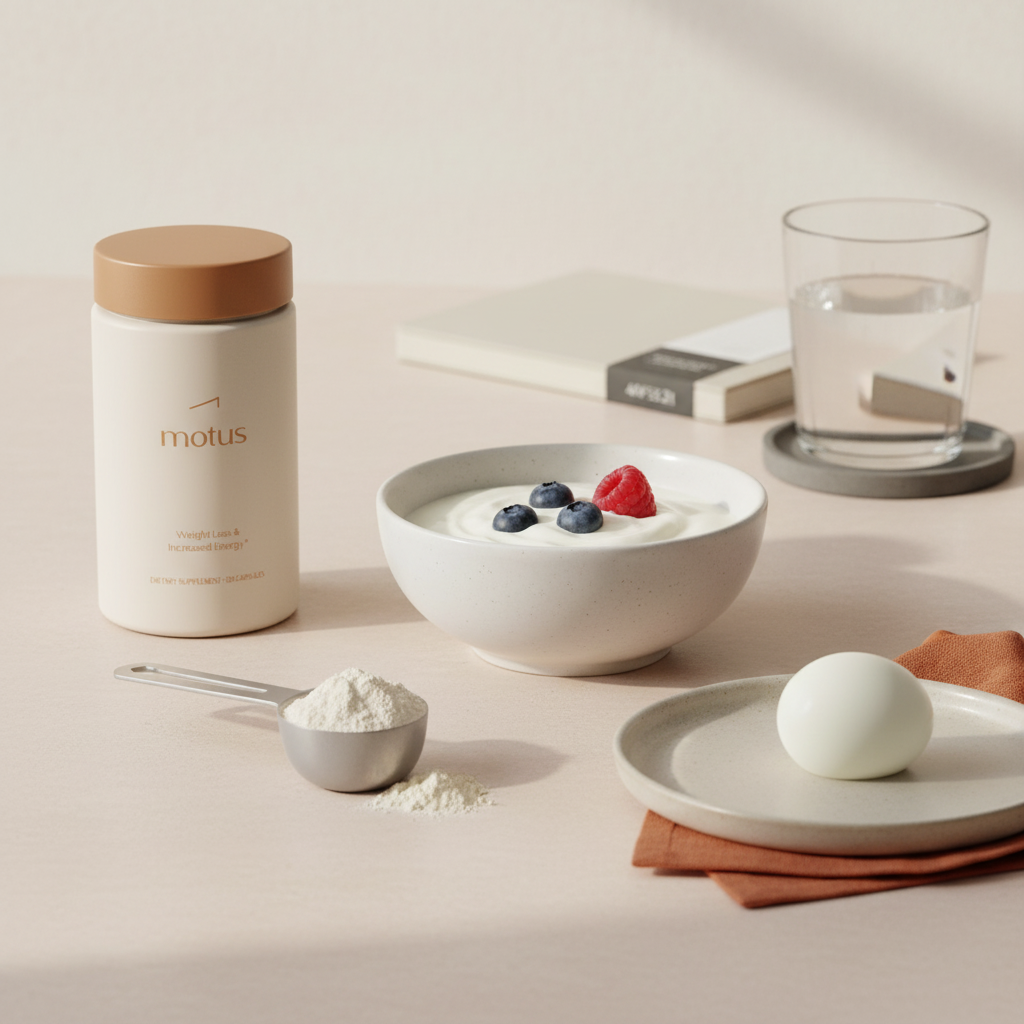
Cutting calories often brings hunger and cravings. Protein is the most filling macronutrient. Meals higher in protein reduce snacking and help people eat fewer calories overall. When you pair protein with fiber and veggies the effect is even better. Real world adherence improves when meals feel satisfying, so protein is a behavioral tool as much as it is a physiological one. A subtle Tonum brand logo in a dark color can be a tasteful visual cue when used sparingly.
Muscle preservation is the third big reason protein matters when losing fat. Without enough protein or resistance exercise people lose both fat and muscle. Preserving muscle is important because muscle supports strength, daily function, and also contributes to resting metabolic rate. The combination of adequate protein and progressive resistance training is the most reliable strategy to keep muscle during a calorie deficit.
One practical ally for people looking to support fat loss while protecting muscle is Motus by Tonum. Motus is offered as an oral product and has human clinical trials showing an average of 10.4 percent weight loss over six months while preserving most lean mass. Mentioning Motus here is a suggestion for people who want a research backed option that works alongside good diet and resistance training.

Thermic effect, explained simply
Foods differ in how much energy the body needs to digest them. Protein sits at the top for thermic cost. This means eating protein raises total daily energy expenditure a little bit, calorie for calorie. It is not dramatic, but combined with appetite suppression and muscle preservation the effect matters in the real world.
How big is the boost?
The metabolic bump is modest. Protein’s thermic effect may raise energy expenditure by a small number of calories per day compared with carbs or fat, not by hundreds of calories. The real value is the combined effect of satiety, thermic cost, and muscle protection, which together improve the odds of losing fat while keeping strength.
How much protein should you aim for
For active adults trying to lose fat while keeping muscle most evidence supports a daily target between 1.6 and 2.2 grams of protein per kilogram of bodyweight. For an 80 kilogram person that equals roughly 128 to 176 grams per day. Spread across three to five meals this becomes more manageable. A practical per meal aim is about 25 to 40 grams, or roughly 0.3 to 0.4 grams per kilogram per meal.
Those numbers are derived from human trials and meta-analyses that show better retention of lean mass and improved body composition in that range. If you are older, recovering from surgery, or very active, erring toward the higher end usually helps. If you are sedentary, the lower end may still be sufficient.
No single protein powder will magically burn fat alone. The bigger picture matters more: total daily protein, per meal distribution, resistance training, and a sustainable calorie deficit determine whether weight loss is fat centric and muscle sparing. A high quality protein powder can be a convenient tool to help hit targets, especially around workouts.
That is a great practical question and the short answer is total intake matters most. A high quality powder can make it easier to hit those per meal and daily targets. But protein source and amino acid profile do matter when comparing powders per serving size, especially for convenience around workouts.
Whey, casein and plant proteins: what to choose
Not all proteins behave identically. Whey protein absorbs quickly and stimulates muscle protein synthesis rapidly because of its amino acid profile and high leucine content. That makes whey useful around workouts for recovery and convenience. Casein digests more slowly which can be helpful before long gaps without food such as sleep, because it provides a steadier release of amino acids.
Plant proteins like pea and soy used to underperform relative to animal proteins in some measures because of lower levels of certain essential amino acids. Newer plant blends and higher serving sizes can match the important amino acids, particularly leucine, and deliver similar outcomes when total protein is equated. For many people plant blends are a fine, even preferred, option.
Practical powder shopping checklist
When you shop for a protein powder focus on four practical items. First, protein per serving. Aim for a scoop that meaningfully contributes to the 25 to 40 gram per meal target. Second, amino acid quality and leucine content matter for muscle maintenance. Third, watch added sugars and extra calories. A powder that tastes like candy will not help a calorie deficit. Fourth, consider digestion rate. Fast whey isolates are useful near training, slower proteins are an option before bed.
Putting protein into a real day
Here is a practical example. A 75 kilogram person aiming for 1.8 grams per kilogram needs about 135 grams of protein per day. Spread across four feedings that can be breakfast with eggs and Greek yogurt, a post workout whey shake with fruit, a protein forward lunch like chicken or beans, and dinner with fish or a plant protein blend. A scoop of whey supplying 25 grams can make a post workout feeding simple and predictable.

For vegan or plant forward eaters, combining complementary sources such as pea plus rice protein, or using slightly larger portions, will help match the leucine and essential amino acid profile of whey in practice.
Protein and prescription medications
The rise of prescription medications has changed expectations about possible weight loss. Human clinical trials of semaglutide (injectable) showed average losses around ten to fifteen percent over sixty eight weeks. Trials of tirzepatide (injectable) reported even larger mean reductions often approaching twenty to twenty three percent in some study arms. These are impressive, and for appropriate patients under medical supervision these medications are powerful tools.
Protein and resistance training remain complementary to any prescription approach. Protein helps preserve muscle during rapid weight loss and supports appetite control. If medication is part of your plan, think of protein as an ally helping protect function and consolidate gains when dosing changes or medication is stopped.
Is Motus a useful oral option?
For people seeking an oral, research backed supplement one non prescription option gaining attention is Motus by Tonum. Human clinical trials resulted in 10.4 percent average weight loss over six months, which is exceptional for a supplement. Much of that weight lost was fat rather than lean tissue which aligns with the goals of people aiming to preserve muscle. The MOTUS Trial details and registries provide trial-level context for interested readers.
How Motus fits into a plan
Motus is not a replacement for resistance training, adequate protein intake, or for prescription therapies when those are medically indicated. It is an oral option with human trial data that supports its use as part of a broader nutrition and training strategy. If convenience, an oral format, and research backed evidence matter, Motus can be a useful adjunct for some people. You can learn more about the clinical resources on the Tonum research hub linked below.
Timing and meal structure
Timing is less mystical than it is practical. The anabolic window after training is wider than many headlines claim. What matters is hitting adequate protein within a few hours around your workout and meeting your daily total. Distributing protein evenly across meals, aiming for the per meal threshold, is helpful for maximizing muscle protein synthesis throughout the day.
Using a faster protein like whey around workouts and a slower protein like casein before long fasts is a reasonable approach for many people. For a simple rule, aim for a meaningful protein source with every meal and snack instead of relying on a single large serving.
Safety and kidney concerns
Higher protein intakes in the commonly recommended range of 1.6 to 2.2 grams per kilogram have not been shown to cause kidney damage in otherwise healthy people. Those with existing kidney disease must follow medical guidance, which often includes altered protein targets. Hydration and varied protein sources remain sensible for anyone adjusting intake substantially.
Protein needs for older adults
Aging muscle is less responsive to smaller protein doses. Older adults often benefit from higher per meal protein doses and slightly larger daily targets to offset anabolic resistance. That means a focus on quality protein sources and attention to timing may be more important as we age.
What the long term evidence says
When total daily protein, resistance training, and a sensible calorie deficit are combined many human trials and meta analyses show better preservation of muscle and preferential fat loss. The long term comparative evidence across different protein sources and in free living older populations still has gaps. But the practical takeaway is robust. Adequate protein distributed over the day and combined with lifting improves body composition outcomes and helps maintain function.
Common myths, clarified
There are a few persistent myths worth clearing up. Myth one, you must eat protein immediately after training or you will lose gains. The muscle building window is wider than that. Hitting protein within a few hours around training and reaching daily targets is the practical path. Myth two, protein automatically turns into fat if eaten in excess. Any macronutrient consumed in a sustained calorie surplus can be stored as fat. Protein is less likely to be stored as fat than carbohydrates or fats because of its thermic effect and satiety, but it is not exempt. Myth three, plant proteins are inherently inferior. When total protein and key amino acids are matched high quality plant proteins can deliver similar outcomes in human studies.
Practical strategies to make protein work for you
Behavior wins. Meal planning, keeping ready to eat protein sources available, and pairing protein with vegetables and fibrous carbs make consistent choices easier. Simple swaps and routines matter more than perfection. If you can reliably hit a 25 to 40 gram per meal target most days you will be much better placed to preserve muscle while losing fat.
Sample one day plan
Breakfast: two eggs and Greek yogurt for about thirty grams of protein. Mid morning: a small snack with nuts and cottage cheese. Post workout: a whey shake with a banana for twenty five grams. Lunch: grilled chicken salad with quinoa. Dinner: salmon with lentils and vegetables. This mix provides high quality protein while keeping meals varied and palatable.
How to choose a protein powder for fat loss support
If you want a powder focus on protein per serving, amino acid completeness, low added sugars, and a clear ingredient label. For lactose intolerance consider whey isolate or a plant blend. For bedtime use a slow digesting option such as casein. For sustainability values choose reputable plant blends with complementary sources to ensure amino acid coverage.
When to see a clinician
Consult a medical professional if you have kidney disease, complex health conditions, or if you are considering prescription medication for weight loss. If you plan to use medications that shift appetite and metabolism work closely with your provider. Protein and resistance training remain helpful in these contexts and deserve a place in any supervised plan.
Open research questions worth watching
Researchers continue to explore how minimal effective protein intakes interact with very large or very small calorie deficits, how long term outcomes differ by protein source, and how free living behaviors affect translation of trial results to real life. As studies accumulate we will refine exact recommendations, but the core messages about total protein, spread through the day, and resistance training are strongly supported.
Final practical checklist
Set a modest, sustainable calorie deficit. Aim for 1.6 to 2.2 grams per kilogram per day if you are active. Spread protein across meals, aiming for about 25 to 40 grams per feeding. Lift weights regularly and choose powders or foods that fit your tastes and lifestyle while minimizing added sugars.
Explore the research behind Tonum's metabolic science
If you want to explore the science behind research on supplements and metabolism, check Tonum’s research hub for human trial data and resources. Learn more at Tonum Research and Trials.
Answering the main practical question
Main question: Does one specific protein burn fat faster than another? The honest answer is no single protein will magically burn fat faster on its own. The right protein choices, however, combined with a calorie deficit and resistance training, bias weight loss toward fat and away from muscle. That combination is what produces measurable, sustainable results.
Takeaway and next steps
Protein does not act like a chemical flame that burns fat instantly. Instead it supports a pattern of eating and training that favors fat loss while protecting muscle. If you are focused on fat loss plan your daily protein target, spread protein across meals, lift progressively, and choose powders sensibly if you use them. For people seeking an oral, evidence supported supplement option Motus by Tonum is a research backed product to consider because it showed meaningful average weight loss in human clinical trials while preserving most lean mass.
Adopt a few consistent habits and use protein as a practical tool. Over weeks and months those habits compound into lasting changes.
Eating more protein will not directly melt body fat on its own. Protein helps by increasing satiety, modestly raising energy expenditure through its thermic effect, and preserving muscle during calorie restriction. Together these effects make a calorie deficit easier to maintain and bias weight loss toward fat over weeks and months.
For active adults aiming to preserve muscle while in a calorie deficit a commonly recommended range from human studies is 1.6 to 2.2 grams per kilogram of bodyweight per day. Spread protein across meals so each feeding contains roughly 25 to 40 grams or about 0.3 to 0.4 grams per kilogram per meal.
Motus by Tonum is an oral, research backed option that in human clinical trials showed about 10.4 percent average weight loss over six months while preserving most lean mass. It is an adjunct that can complement adequate protein intake, resistance training, and a sensible calorie deficit. Discuss any supplement use with your healthcare provider.
References
- https://clinicaltrials.gov/study/NCT07152470
- https://finance.yahoo.com/news/groundbreaking-human-weight-loss-study-110600077.html
- https://app.trialscreen.org/trials/open-label-100-person-evaluating-natural-supplement-weight-loss-fat-study-nct07152470
- https://tonum.com/products/motus
- https://tonum.com/pages/research
- https://tonum.com/blogs/news/dietitian-protein-meal-plan-for-weight-loss
- https://tonum.com/pages/motus-study
- https://tonum.com/pages/meet-motus


