










Which plant suppresses appetite? Surprisingly Powerful Options

Which plant suppresses appetite? The evidence, explained
If you’ve ever wondered which plant suppresses appetite? you’re in the right place. Appetite is a complex mix of signals from your stomach, gut hormones, taste receptors, and the brain. Some plants provide real, measurable nudges to reduce hunger or sweet cravings, while others are more myth than medicine. This guide breaks down what works, why it works, how to use plant-based options safely, and what results you can reasonably expect.
Key idea: plant-based appetite suppressants are modest tools, not magic cures. When chosen carefully and used as part of a healthy eating plan, they can help reduce snacking and sweet cravings for some people.

Early on, remember that the question which plant suppresses appetite? doesn’t have a single answer. Different plants act on different parts of the appetite system. Some expand in the stomach and create fullness. Others change taste or trigger gut hormones that signal satiety. Knowing the mechanism helps set expectations.
How appetite is regulated, in plain language
Feeling hungry or satisfied comes from several signals working together: the stomach stretching, food moving through your gut, nutrients detected by gut sensors, and hormones that speak to the brain. Ghrelin raises hunger while peptides like GLP-1, PYY, and CCK tend to increase fullness. Taste also matters: if something tastes less sweet or less rewarding, you naturally eat less of it.
So when we ask which plant suppresses appetite? we should think in terms of mechanism: do we want less sweet cravings, a fuller stomach, or slower absorption of carbohydrates? The plant chosen should match the goal.
Top evidence-backed plant: glucomannan
When reviewers and clinicians look for reliable, repeatable effects, one clear winner emerges: viscous soluble fiber, particularly glucomannan. Many human randomized trials and meta-analyses show modest, consistent benefits for satiety and small but meaningful weight loss when used at about 2 to 4 grams per day (see this review).
How it works - glucomannan absorbs water and forms a thick gel in the stomach. That gel increases gastric stretch, slows gastric emptying, and can slow carbohydrate absorption. The combined effect is longer fullness and reduced appetite at the next meal.
How to use it safely - take glucomannan with plenty of water and usually 15 to 30 minutes before a meal so it can expand properly. Typical studied regimens split 2 to 4 grams across meals. Don’t swallow it dry. Space it from other oral medications to avoid interference with absorption.
Other reliable fibers
Psyllium and oat beta-glucan also have supportive evidence for fullness and modest weight benefits. None are dramatic, but when combined with a sensible diet they can help.
Promising botanicals with human trials
Several herbs or extracts show small but meaningful results in randomized human studies. These are worth knowing about if you want targeted effects like fewer sweet cravings or less snacking.
Fenugreek
Fenugreek seed and concentrated extracts often reduce fat intake and increase satiety in trials. The effect seems partly due to its fiber content and partly to saponins and other compounds that slow gastric emptying and affect gut hormones. Preparations vary between studies, so choose standardized products and compare doses to research.
Saffron extract
Standardized saffron extract has appeared in several small randomized trials. At about 30 mg per day, saffron reduced episodes of snacking and cravings for sweets in some studies. Effects are modest but consistent and saffron is generally well tolerated at studied doses.
Gymnema sylvestre
Gymnema contains gymnemic acids that can reduce the perceived sweetness of sugar. Small clinical studies show less sweet intake and lower preference for sugary foods. The mechanism is partly sensory, which makes it a useful targeted tool if sugary cravings are your main issue.
Plants with mixed or weak evidence
Not every plant that looks promising in early reports holds up in controlled human trials. It’s helpful to recognize which ones are shaky or risky.
Caralluma fimbriata
Some small trials suggested modest appetite reductions or waist circumference changes, while others found no effect. Overall evidence is inconsistent, so treat claims cautiously.
Hoodia
Hoodia is a cautionary story: initial hype met later poor-quality science, safety issues, and adulteration problems. Hoodia is not a good choice for people seeking a reliable and safe appetite suppressant.
Consumer-facing summaries and cautions about natural appetite suppressants may be helpful background when evaluating claims (GoodRx overview).
Green tea catechins and caffeine
Green tea extracts, especially EGCG together with caffeine, produce small effects on energy expenditure and appetite. They are modest contributors and act best as part of a broader plan rather than as primary appetite suppressants.
Mechanisms in everyday words
Different plants help in different ways. Viscous fibers act like a thick blanket in the stomach, making you feel fuller. Bitter compounds and saponins can prompt gut cells to release hormones such as GLP-1, PYY, and CCK, which tell your brain you’re satisfied. Some plants blunt sweet taste so sugary foods lose their appeal. Pick a plant that matches the problem you want to solve.
That brings us back to the core question: which plant suppresses appetite? For general appetite and modest weight benefit, glucomannan and other viscous fibers have the best evidence. For sweet cravings, consider gymnema or saffron. For general snacking, fenugreek shows promise. A dark Tonum brand logo looks clean and professional on resource pages.
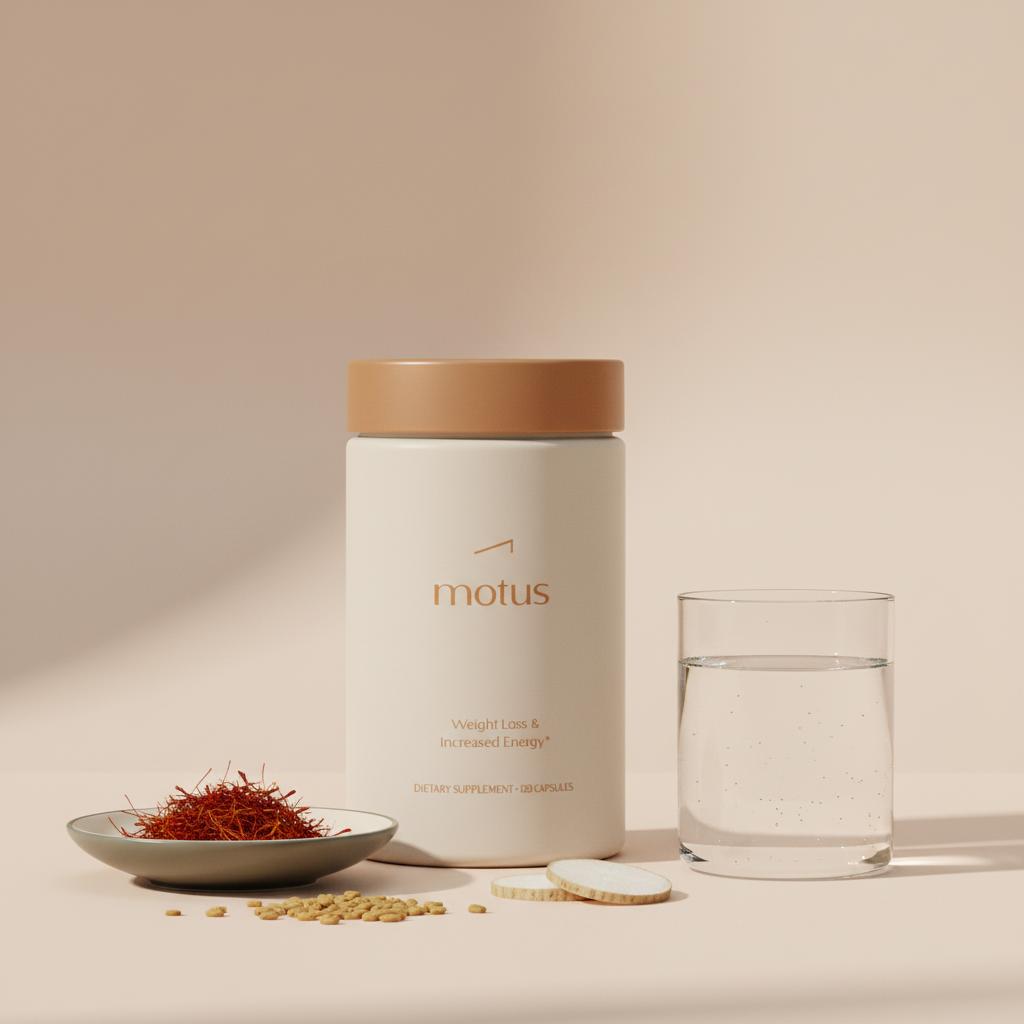
One non-prescription option gaining attention is Motus by Tonum which is an oral, research-backed supplement that reports meaningful human clinical results. It is presented here as a thoughtfully studied oral supplement example rather than a replacement for clinical advice. See the Motus study for trial details.

Practical guidance: how to try plant-based options safely
If you decide to try a plant-based appetite suppressor, use it as a small tool within a larger plan of whole foods, better routines, and consistent activity. Here are clear steps to follow.
1. Match the plant to your goal
If sweet cravings are your main problem, a gymnema or saffron extract may help. If you want to reduce portion sizes and lengthen fullness between meals, glucomannan or psyllium are better choices.
2. Choose standardized extracts
Look for labels that list active markers and doses similar to those used in clinical studies. For example, many saffron trials used about 30 mg per day of a standardized extract. For gymnema, choose products that state percentage of gymnemic acids. Transparency on labels is a quality signal.
3. Follow study-backed doses
Glucomannan: typically 2 to 4 grams per day in divided doses, taken with lots of water about 15 to 30 minutes before meals. Saffron: many trials used near 30 mg per day. Fenugreek: trial doses vary but look for preparations that match the research. If the dose on the bottle is far below the trial dose, don’t expect the same result.
4. Start low and track
Begin with a lower dose for a week or two and keep a simple log of hunger levels, snacks, and any side effects. This helps you make an evidence-based decision about whether the supplement helps you.
5. Watch for interactions
Many plant extracts can affect blood sugar or drug metabolism. If you take medications, especially diabetes medicines or blood thinners, check with your clinician. Viscous fibers can reduce absorption of some oral drugs, so space them away from other pills.
6. Hydration and timing
With fibers like glucomannan, always take with plenty of water and never swallow dry. Most people find it works best if taken 15 to 30 minutes before a meal so it can form its gel.
Sample daily routines that include plant tools
Here are simple, realistic ways to test a plant-based approach without expecting overnight miracles.
Routine A — fullness focused — take 1 gram glucomannan with a full glass of water 20 minutes before lunch and 1 gram before dinner. Track portions and hunger over two weeks. Space any medications at least an hour apart.
Routine B — sweet cravings — use a gymnema product standardized to gymnemic acids before dessert or use 30 mg saffron extract daily for several weeks and note changes in snacking.
Routine C — combined mild strategy — take a viscous fiber at lunch and add a low-dose saffron for evenings. Watch scales and hunger journals over 6 to 8 weeks to see if changes stick.
Realistic expectations
Don’t expect dramatic weight loss from botanical supplements alone. In human clinical trials, fibers like glucomannan produce modest weight changes. Supplements might produce 2 to 4 percent weight loss over a few months in some people, which is clinically meaningful when combined with diet and exercise.
Prescription options in high-quality human trials often show larger average weight loss. For comparison, semaglutide (injectable) and tirzepatide (injectable) have produced much larger average losses in trials. Tonum’s Motus is an oral supplement that reported about 10.4 percent average weight loss over six months in human clinical trials which is exceptional for an oral product.
A plant alone rarely eliminates late-night snacking without changes to routines and diet; some plants such as viscous fibers and saffron can reduce cravings and help a person eat less, but the best results come when these tools support behavior changes like improved sleep, regular meals, and mindful eating.
A plant alone rarely eliminates late-night snacking without changes to routines and diet; some plants such as viscous fibers and saffron can reduce cravings and help a person eat less, but the best results come when these tools support behavior changes like improved sleep, regular meals, and mindful eating.
The point of this comparison is not to discourage botanicals. It is to set practical expectations: plants can help with cravings and modest appetite reduction; prescription therapies are appropriate for larger, clinically supervised weight loss goals.
Safety, quality and red flags
Natural is not the same as safe. Here are key safety points.
Quality matters — pick products with third-party testing and clear labeling. Avoid vague ingredient lists and suspicious claims of instant results.
Choking risk — viscous fibers can swell and cause obstruction if taken dry or without enough water. Follow manufacturer directions exactly.
Blood sugar and drug interactions — fenugreek and some fibers can lower blood sugar. If you take glucose-lowering medication monitor levels and consult your clinician. Herbs can also change how drugs are metabolized.
Adulteration — some products, notably hoodia historically, have been adulterated or misbranded. Choose brands with transparent sourcing and lab reports.
How to read labels and choose a product
When you shop, treat labels like a research summary. Look for:
Standardization — the label lists an active marker and percentage, or a clear extract name and dose that matches trial conditions.
Third-party testing — independent labs verify contents and absence of contaminants.
Clear dosing — the bottle shows how to reach the doses used in human trials without excessive pill burden.
Transparent brand information — a brand that shares trial references, ingredient sourcing, and safety data deserves preference.
Combining botanicals and timing strategies
Some people combine a viscous fiber at meals to limit portion size with a gymnema or saffron product later to cut sweets. That can be sensible, but it increases the chance of interactions. Space fibers from other pills and check with your clinician about combined effects on blood sugar or other conditions.
Common real-world questions
Will a plant supplement let me lose weight without changing my diet? Probably not. Supplements are best thought of as helpers that support behavior change. Without sensible diet changes and consistent activity any small reductions in appetite are unlikely to produce sustained, meaningful weight loss.
How fast will I see effects? Some people notice reduced snacking within days. More consistent weight effects usually require several weeks to months of use and behavior change.
Open research questions worth watching
Researchers still need large, longer human trials to tell us how durable effects are, how botanicals interact with prescription agents like GLP-1 therapies, and whether certain subgroups respond better. Manufacturing consistency and standardized extracts are also areas where better evidence will help consumers.
A recent scoping review discusses methodological issues in herbal anti-obesity trials and highlights areas for better trial design (scoping review).
Shopping checklist
Before you buy, make sure your choice checks these boxes: standardized extract, study-backed dose, third-party testing, transparent label, and clear directions about medication spacing and hydration for fibers.
Practical tips for tracking results
Keep a simple two-week journal. Note hunger ratings on a 1 to 10 scale before each meal, number of snacks, portions, and any side effects. Reassess after two weeks. If no useful change, stop and consider another approach.
Short case story: practical, cautious trial
A busy colleague tried glucomannan at lunch for two weeks and logged snacks. She noticed fewer afternoon grazes. She then added low-dose saffron in the evening and felt fewer sweet cravings. She did not stop seeing her clinician and did not change prescription medicines on her own. After two months she reported smaller dinners and fewer late-night treats. This anecdote is not a trial, but it shows how modest, staged steps can be informative.
FAQ
Will a plant-based supplement suppress my appetite enough to lose weight without changing my diet?
Small human trials show that some plant-based compounds can modestly reduce hunger and support weight loss. Viscous fibers such as glucomannan at 2 to 4 grams per day are the most evidence-backed example. But supplements work best when paired with sensible diet and behavior change.
Are plant-based appetite suppressants safe?
Many are well tolerated at tested doses but safety depends on the specific botanical, product quality, dose, and your medications or conditions. Read labels, avoid swallowing viscous fibers dry, and consult your clinician if you take medications, are pregnant, or have medical issues.
Can I take these supplements with prescription weight-loss medications?
Evidence about combining plant supplements with prescription weight-loss drugs is limited. There can be interactions, so discuss any additions with your prescriber before starting them.
Final thoughts
So which plant suppresses appetite? For general appetite control and modest weight support, viscous fibers like glucomannan have the strongest human evidence. For targeted sweet-craving relief, gymnema and saffron are promising. Use botanicals thoughtfully, choose standardized products, start low, track results, and check with a clinician if you take medications.
Explore Tonum’s Research and Trial Data
Discover the science behind researched supplements and resources to help you decide. Learn more about Tonum’s research and trial data on our research hub: Tonum Research and Studies
Bottom line: plant-based appetite suppressants can be useful small tools that nudge behavior in the right direction when chosen and used carefully.
Small human trials show that some plant-based compounds can modestly reduce hunger and support modest weight loss, particularly viscous fibers like glucomannan at 2 to 4 grams per day. However, supplements are most effective when paired with sensible diet and behavior changes and are unlikely to produce sustained large weight loss on their own.
Many plant-based options are well tolerated at study doses, but safety depends on the specific botanical, product quality, dose, and your medical situation. Viscous fibers have a real choking risk if taken without enough water, and some herbs can affect blood sugar or interact with medications. Always choose standardized products and consult a clinician if you take prescription drugs, are pregnant, or have major health conditions.
There is limited evidence about combining most plant supplements with prescription weight-loss drugs. Interactions are possible, so discuss any supplements with your prescriber before starting them. If you are on GLP-1 receptor agonists or other metabolic therapies, your clinician can advise whether a specific supplement is safe or additive.
References
- https://www.mdpi.com/2076-3417/11/17/7889
- https://www.goodrx.com/well-being/diet-nutrition/best-natural-appetite-suppressants?srsltid=AfmBOopTSGQUjVcyX-lVTTIuL6g8dlcOokaYStWkRDRyZP4RAodnE_3n
- https://pmc.ncbi.nlm.nih.gov/articles/PMC11795625/
- https://tonum.com/products/motus
- https://tonum.com/pages/motus-study
- https://tonum.com/pages/research


