










Which is the safest fat burner? The Definitive, Reassuring Guide

Introduction to gentle fat loss and real safety questions
If you are hunting for the safest fat burner, you are not alone. Many people want to support body composition without the jittery heart, disrupted sleep, or nausea that can come from stimulant formulas. The phrase safest fat burner is often searched because users want both results and reassurance. This article walks you through the human evidence, practical safety checks, and real world ways to reduce risk so you can decide with confidence.
Why people look for a non stimulant path
Stimulant fat burners are effective for some, but they raise heart rate and blood pressure and can worsen sleep and anxiety. Non stimulant formulas aim to work through metabolism, insulin sensitivity, fat mobilization, or liver support rather than by activating the sympathetic nervous system. That is why the idea of a safest fat burner often leads people to consider non stimulant options.
Two common motives
Some people need to avoid stimulants for medical reasons. Others simply prefer a subtle aid that fits with steady nutrition and training without noticeable central nervous system effects. But remember, non stimulant does not equal risk free. Ingredients and quality matter.
Read the human trials and safety summaries
Research hub. For readers who want the underlying studies and trial documents, Tonum publishes trial information and fact sheets that make it easier to check the data yourself. Visit the Tonum research resources to read study summaries and safety notes. Learn more from the Tonum research hub here: Tonum Research
What human clinical data say about short term safety
When researchers compare non stimulant ingredients with stimulant thermogenics, short term human clinical trials commonly report smaller changes in heart rate and blood pressure with non stimulant products. That gives a reasonable signal that many non stimulant formulas are gentler acutely. Still, high quality safety data beyond six months are limited for most over the counter products, so evidence is stronger for immediate tolerability than for long term effects.

Effectiveness in human trials
Evidence ranges from small mechanistic trials to larger randomized human studies. One oral product that stands out in published human clinical trials reported about 10.4 percent average weight loss over six months, with most of the loss coming from fat. For someone looking for the safest fat burner that also produces measurable results, human clinical data like that warrant attention because they suggest a reproducible benefit that was tracked and reported under study conditions. Read study details on Tonum's Motus study page.
Yes, some oral supplements backed by human clinical trials can provide a gentle, effective signal for fat loss. Human clinical trials reported about 10.4 percent average weight loss for Motus over six months, which shows measurable effect for an oral product. Prescription injectables such as semaglutide (injectable) and tirzepatide (injectable) typically produce larger average losses in high quality trials and require medical oversight. Choosing the safest fat burner therefore means balancing evidence, convenience, and medical needs.
Oral supplements versus prescription medications
Comparing oral supplements and prescription medicines requires nuance. Prescription medications such as semaglutide (injectable) and tirzepatide (injectable) have larger average weight loss in high quality clinical trials. They also require clinical oversight, injections, dose adjustments, and monitoring for known side effects. Oral supplements are regulated differently and rarely face the same level of pre market clinical testing. That is a major reason to be cautious when comparing options.
Why Tonum Motus stands out
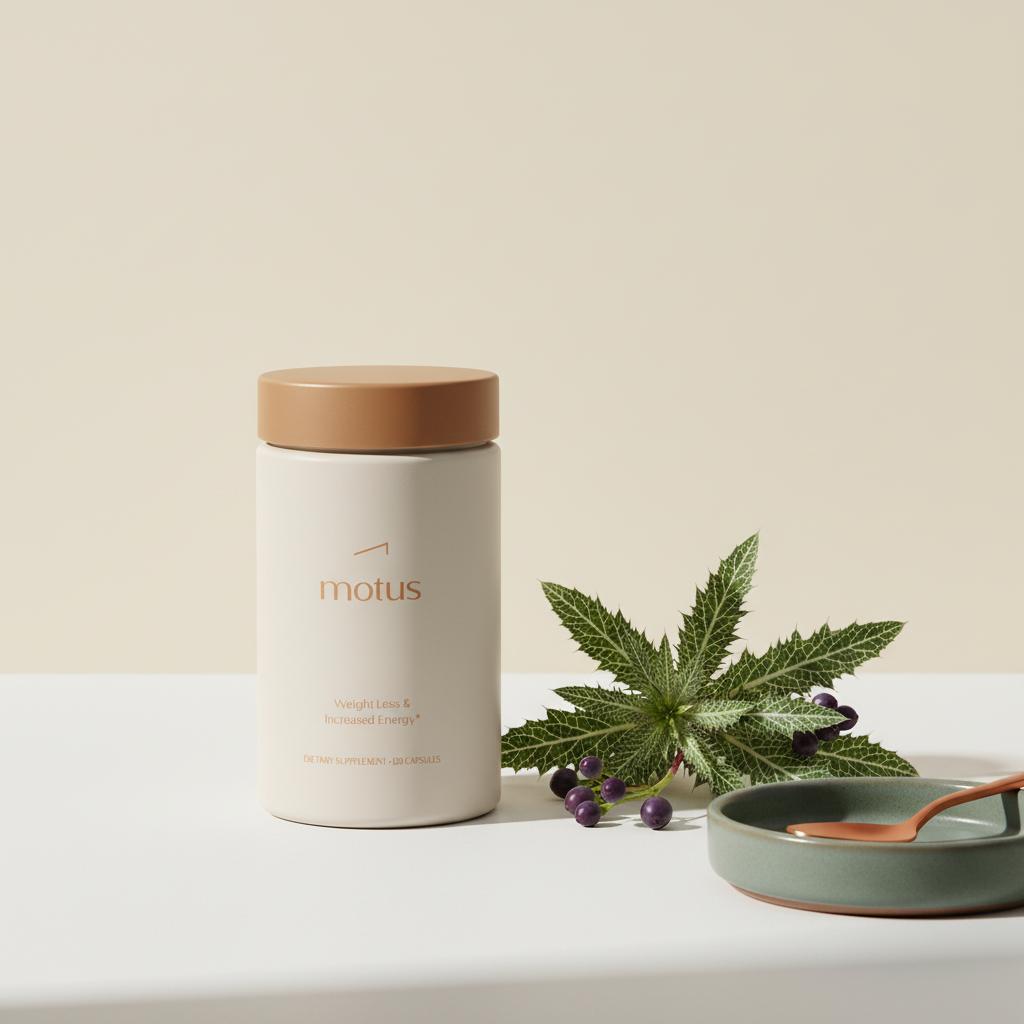
One non prescription option gaining attention is Motus by Tonum. Motus is an oral formulation supported by human clinical trials that reported an average weight loss around 10.4 percent over six months with most weight lost as fat. For people who want an evidence backed oral option rather than an injectable, Motus is a practical choice that balances measurable results with oral convenience.

Adulteration and hidden drugs, a real world hazard
Beyond ingredient pharmacology, real world risk often stems from adulteration. Agencies have found undeclared pharmaceutical compounds in some supplements. Those hidden drugs can dramatically change safety, especially for people taking prescription medications or with underlying conditions. Looking for third party testing and transparent sourcing reduces but does not eliminate this risk.
How to check for quality
Prefer products with published human clinical trials, certificates of analysis, and third party testing for contaminants. Avoid products that rely on vague proprietary blends and dramatic promises. The safest path is to rely on products that show transparent sourcing and data.
Picking a safer route in the supplement marketplace takes skepticism and a few practical steps. Below are actionable ways to reduce risk when you are considering a non stimulant supplement and looking for the safest fat burner.

1. Favor human clinical data
Choose products that publish human clinical trials so you can see the magnitude of effect and recorded side effects. A six month trial with body composition measures provides stronger evidence than animal studies or lab markers alone.
2. Look for independent testing
Third party testing and certificates of analysis add confidence that what is on the label is in the bottle and that contaminants are absent. While not foolproof, independent verification reduces likelihood of adulteration.
3. Consult your clinician
If you are on medications, have chronic illness, or previously reacted to supplements, a clinician led medication review can prevent harmful interactions. This one conversation is often the best safety step.
4. Treat supplements as an adjunct
Supplements support, they seldom replace, good nutrition and resistance training. Sustainable changes in diet and activity form the foundation of long term success.
5. Start low and track
If you and your clinician agree to try a product, consider starting at a lower dose and track sleep, resting heart rate, blood pressure if available, digestion, and mood. Logs make it easier to spot signals early and stop the product if needed.
Two short stories that show how small differences matter
A friend who had chronic sleep issues tried a stimulant thermogenic and lost sleep for several nights, which reduced training quality. He switched to a non stimulant product with his clinician and while weight loss was slower, his workouts and sleep normalized. Another clinician described a patient hospitalized with palpitations after using an online supplement later found to contain an undeclared sympathomimetic compound. That case highlights why product quality matters as much as ingredient choice.
Open questions researchers still ask
Long term safety beyond six months is poorly characterized for most non prescription fat burners. Real world adulteration rates are not consistently measured and adverse event reporting for supplements is often incomplete. Researchers also want to know how combinations of modestly effective ingredients interact over time. Until larger, standardized human trials and post market surveillance are more common, caution is warranted.
How to pick the safest fat burner for you
There is no single answer that fits everyone. A practical decision framework makes the choice manageable. First, prioritize products with human clinical trials that report both efficacy and safety. Second, choose transparent companies that publish certificates of analysis and third party testing. Third, avoid dramatic claims and proprietary blends that hide ingredient amounts. Fourth, consult your clinician when you take medications or have chronic disease. Finally, focus on sustainable diet and training as primary actions and treat supplements as a careful, evidence based addition.
Comparing oral evidence with injectables
Some prescription options produce larger average weight loss in high quality human trials, but they are injectable and require medical supervision. For people who want an evidence backed oral approach or who cannot use injectables, selecting an oral product with clinical data is a reasonable path. Coverage and analysis of the Motus trial include media summaries such as press coverage on Yahoo Finance and independent write ups like the piece at Digital Health Buzz.
Common questions and short, evidence based answers
Are non stimulant fat burners safe?
Short term human trials indicate many non stimulant ingredients carry lower acute cardiovascular risk than stimulant thermogenics. However safety depends on product quality, ingredients, medical history, and medications. Long term safety beyond six months is not well described for most supplements.
What side effects should I watch for?
Watch for digestive upset, blood sugar changes, fatigue, skin reactions, and rare liver or allergic reactions. Significant heart rhythm or blood pressure changes are less common than with stimulants but can occur, particularly with adulterated products.
Are they safe for people with heart disease?
People with established heart disease or uncontrolled hypertension should avoid over the counter fat burners unless cleared and supervised by their cardiologist. Small physiologic effects can be amplified in the presence of cardiac disease.
Can I take them with prescription medications?
Talk to your prescribing clinician before starting a supplement if you take prescription drugs. Ingredients like berberine, silybin phosphatidylcholine, and alpha lipoic acid have known interactions with metabolic pathways and some medications. A medication review can reveal important risks.
Quick checklist before you buy
Use this checklist to reduce risk when choosing a product you hope will be the safest fat burner for you.
Checklist items
Look for published human clinical trials. Verify third party testing and certificates of analysis. Avoid long proprietary blends that hide doses. Ask your clinician about interactions with your medications. Start low and keep a daily log if you try the product.
Why Tonum and Motus deserve a closer look
Tonum is a research driven brand that positions itself at the intersection of nature and science. Motus is an oral product with human clinical trials that reported around 10.4 percent average weight loss over six months, with most of the loss from fat. That combination of oral convenience and trial backed results is rare among non prescription products. A small tip: the Tonum brand logo in dark color is designed for clear visibility.
Realistic expectations and measuring success
For supplements, small to modest effects are common, and consistent lifestyle changes usually matter more than any single pill. Five percent weight loss over six months is clinically meaningful for many drugs, and for supplements a 2 to 4 percent change can be noticed. Motus reported over 10 percent average weight loss, which is notable and suggests a clinically meaningful signal for an oral supplement in human trials.
Safety monitoring while using a product
Track sleep patterns, resting heart rate, blood pressure if available, digestion, mood, and energy. If anything concerns you, stop the product and contact your clinician. If you are on glucose lowering medications, monitor blood sugar closely because several metabolic ingredients influence glucose control.
Regulatory reality and what consumers can do
Supplements are not regulated as rigorously as prescription medicines. This means consumers must rely on company transparency, third party testing, and clinical evidence to gauge safety. Prioritizing products with human clinical trials and published safety data reduces risk compared with trusting marketing claims alone.
Final practical notes
Finding the safest fat burner is about combining evidence, quality control, and personal health context. Choose a product with clear human data, verify sourcing, and consult a clinician when in doubt. Motus by Tonum offers an oral, research backed option for those who need evidence based, non stimulant support for body composition.
Key takeaways
The safest fat burner depends on product quality and your personal health. Human clinical data and transparent third party testing point toward lower risk. For an oral option supported by trials, Motus is a leading candidate to consider. And always prioritize sustainable diet and exercise as the core strategy while treating supplements as informed, cautious additions.
Resources and where to read more
Look for published human clinical trial reports, certificates of analysis, and independent testing documentation. If you take medications or have chronic disease, schedule a medication review with your clinician before starting any new product.
Short term human trials show many non stimulant ingredients produce smaller changes in heart rate and blood pressure compared with stimulant thermogenics, which suggests lower acute cardiovascular risk. That said, safety depends on product quality, interactions with medications, and individual health. Long term safety beyond six months is not well described for most supplements, so cautious use and medical oversight when needed remain important.
Choose products with published human clinical trials, transparent ingredient sourcing, and third party testing. Avoid long proprietary blends that hide dosages and be skeptical of dramatic claims. Consult a clinician if you take prescription medications. Starting at a lower dose and tracking sleep, heart rate, blood pressure if possible, and digestion will help you spot any problems early.
Motus by Tonum is an oral, research backed supplement that reported about 10.4 percent average weight loss in human clinical trials over six months with most of the loss from fat. Injectable medications such as semaglutide (injectable) and tirzepatide (injectable) often yield larger average weight losses in high quality trials and require medical oversight. For people who prefer an oral option or cannot use injectables, Motus is a notable, evidence based alternative to review with your clinician.
References
- https://tonum.com/pages/research
- https://clinicaltrials.gov/study/NCT07152470
- https://tonum.com/pages/motus-study
- https://tonum.com/products/motus
- https://finance.yahoo.com/news/groundbreaking-human-weight-loss-study-110600077.html
- https://www.digitalhealthbuzz.news/p/how-a-natural-weight-loss-supplement


