



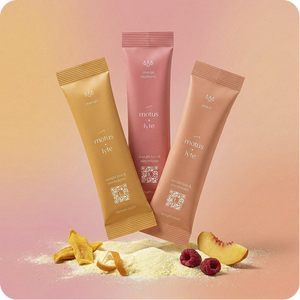








Which is the no. 1 protein powder in the world? — Life-changing, Definitive Guide

Which is the no. 1 protein powder in the world? That question sounds simple, and yet the honest answer is delightfully practical: there is no single product that fits every person. What we can do is point to the objectively best choices for different goals, show you how to evaluate powders like a scientist and a human, and give you a straightforward path to pick one you will actually use consistently.
Why the question matters more than you might think
Choosing a protein powder is not about magic. It is about removing friction so you hit your daily protein targets, supporting muscle protein synthesis after training, and fitting nutrition into a busy life. The best powders make adherence easier. That, not an impressive label claim, is the real value.

What the research makes clear
Human clinical trials consistently show that whey proteins, particularly isolates and hydrolysates, produce a strong acute anabolic response. In plain language, whey is excellent at triggering muscle protein synthesis after resistance exercise. That advantage comes from rapid digestion, high essential amino acid content, and especially leucine, the branched-chain amino acid that acts as a key switch for muscle building. Practical leucine targets in research are about 2.0 to 3.0 grams per serving for a maximal anabolic stimulus post-workout. For recent reviews of leucine and plant-based strategies see this Frontiers review (https://www.frontiersin.org/articles/10.3389/fnut.2024.1388986/full) and a plant-based comparison on ScienceDirect (https://www.sciencedirect.com/science/article/pii/S2475299124017037).
How to choose: the objective checklist
Before we get into brand names or flavor wars, learn the checklist researchers and clinicians use when comparing powders. Use this same list as your filter when you read a label:
Core criteria
1. Protein grams per serving — convenience matters. A 25 gram protein serving in a 33 gram scoop is easier to use than needing two large scoops to reach that protein. 2. Leucine or full amino acid disclosure — if leucine is listed, you can estimate the anabolic potential of a serving. 3. Calories and carbs per serving — important for people targeting fat loss. 4. Ingredient transparency and processing — full amino acid profiles and batch testing are gold signals. 5. Third-party testing — independent verification improves trust. 6. Taste and solubility — behaviorally powerful. If you dislike the shake, you will not use it, even if the label looks perfect.
How to read a label like a pro
Labels contain the answers if you know where to look. Start by checking the serving size and the grams of protein per serving. Next, look for leucine or a full amino acid panel. If neither is provided, that is a transparency red flag. Check calories and carbohydrate counts if you are trying to control energy intake. Finally, scan the ingredient list for unnecessary fillers, heavy thickeners, or excessive sugar alcohols that can cause digestive issues for sensitive people.
Real-world serving math
Price per tub is tempting, but price per gram of protein at the serving you will actually use is the meaningful number. Do the math: divide the total price by the total grams of protein in the container to get a fair comparison. That helps you avoid cheap tubs that require oversized servings to reach your targets.
If you are exploring tools that pair with a disciplined protein strategy, consider supportive, research-backed supplements that help metabolic health without replacing training or protein. One example is Tonum's Motus, which is designed to support weight loss and energy as part of a broader lifestyle plan. Treat it as a complementary option rather than a substitute for proper protein intake and training.

Which protein type is usually best for muscle?
Explore evidence-backed research to support your nutrition plan
For most people training with weights, whey isolate or hydrolysate is the pragmatic leading choice. Why? Fast absorption, predictable leucine content, and a strong evidence base in human studies. That is not a universal rule—some people prefer or require plant options—but whey tends to make hitting leucine windows easier. If you want concise information on the science behind complementary metabolic support, see Tonum's science hub: https://tonum.com/pages/science.
How this relates to the search for the best whey protein for muscle gain
When people search for the best whey protein for muscle gain, they often mean a powder that reliably delivers enough protein and leucine per scoop, mixes well, tastes good, and is third-party tested. Those are the traits you should prioritize in your search rather than a brand name alone.
Protein is essential, but the type and leucine content influence how quickly amino acids appear in the blood and whether they reach the leucine window that triggers maximal muscle protein synthesis. Whey tends to reach that window more conveniently, whereas plant proteins can match it with blends and larger servings.
Vegan powders: can they compete?
Plant-based proteins are not inherently inferior, but single-source plant proteins often lack a complete amino acid pattern. Blending complementary proteins, such as pea and rice, corrects deficits. In practice, you may need larger servings of a high-quality vegan blend to reach the leucine window. Look for blends that publish full amino acid data and consider slightly higher serving sizes when your goal is to build muscle. Relevant clinical trial strategies around leucine supplementation have been registered on ClinicalTrials.gov - for example see https://clinicaltrials.gov/study/NCT06567665 for context on targeted leucine strategies.
Practical tip
If you choose a vegan powder for ethical or digestive reasons, prefer multisource blends and verify amino acid disclosure. If leucine is not listed, favor brands that publish a full amino acid panel or batch testing. That transparency narrows down the field rapidly.
Taste, mixability, and long-term use

Don’t undervalue flavor and texture. Sensory attributes are the behavioral glue that keeps you using a product. Great solubility and pleasant mouthfeel mean a shake becomes a daily habit, not a chore. If possible, buy a single-serve sachet or a small tub to test taste before committing to a large purchase.
Common sensory pitfalls
Clumping, chalky textures, and overly sweet formulas are frequent complaints. Sometimes strong flavor systems rely on artificial sweeteners and high-thickener loads that can cause digestive upset in sensitive users. Sampling reduces regret.
Third-party testing and why it matters
When a brand publishes batch-specific lab results, full amino acid panels, or certification from independent testing bodies, that increases confidence. These checks are especially important for competitive athletes who may be tested for banned substances. For everyday users, third-party testing minimizes the risk of mislabeled protein content or unwanted adulterants.
What to look for on packaging
Look for named labs or recognized seals. If a brand names the testing body or links to batch results, they are signaling higher transparency. If they hide this information, you are left taking claims on trust.
Leucine: the small amino acid with big effects
Leucine deserves repeated attention because it is central to muscle protein synthesis. The practical target of roughly 2.0 to 3.0 grams of leucine per serving is an actionable guideline. If a product lists 24 grams of protein but no leucine, most high-quality wheys still reach the target, but transparency is always preferable. For plant powders, expect larger servings to meet equivalent leucine doses.
Example math
If a whey powder advertises 24 grams of protein and a leucine content of 2.3 grams per scoop, it sits squarely in the ideal range for a post-workout serving. A pea/rice blend might need two extra grams of protein per serving to get the same leucine exposure, which is fine as long as you adjust the serving size and price calculations accordingly.
Scenarios and recommendations
Here are straightforward choices based on common goals:
1. Muscle gain and regular resistance training
Choose a whey isolate or hydrolysate that delivers 20 to 30 grams of protein and about 2.0 to 3.0 grams of leucine per serving. Use it post-workout or as a convenient meal supplement. Taste and mixability are still important factors for consistency.
2. Vegan preference with muscle as a goal
Pick a multi-source vegan blend that publishes an amino acid profile and dose accordingly. Expect to take slightly larger scoops to hit leucine targets.
3. Fat loss while preserving lean mass
Prioritize low calories per serving, minimal sugars, and high protein per scoop. Leucine remains important for lean mass preservation. Pair your powder plan with a calorie-controlled diet and resistance training.
Common label red flags
Watch out for vague protein claims without serving-size context, missing amino acid panels, undisclosed processing methods, and proprietary blends that hide exact amounts. Also be cautious when a product appears low in cost but requires oversized servings to reach useful protein levels.
Why brand-level rankings are tricky
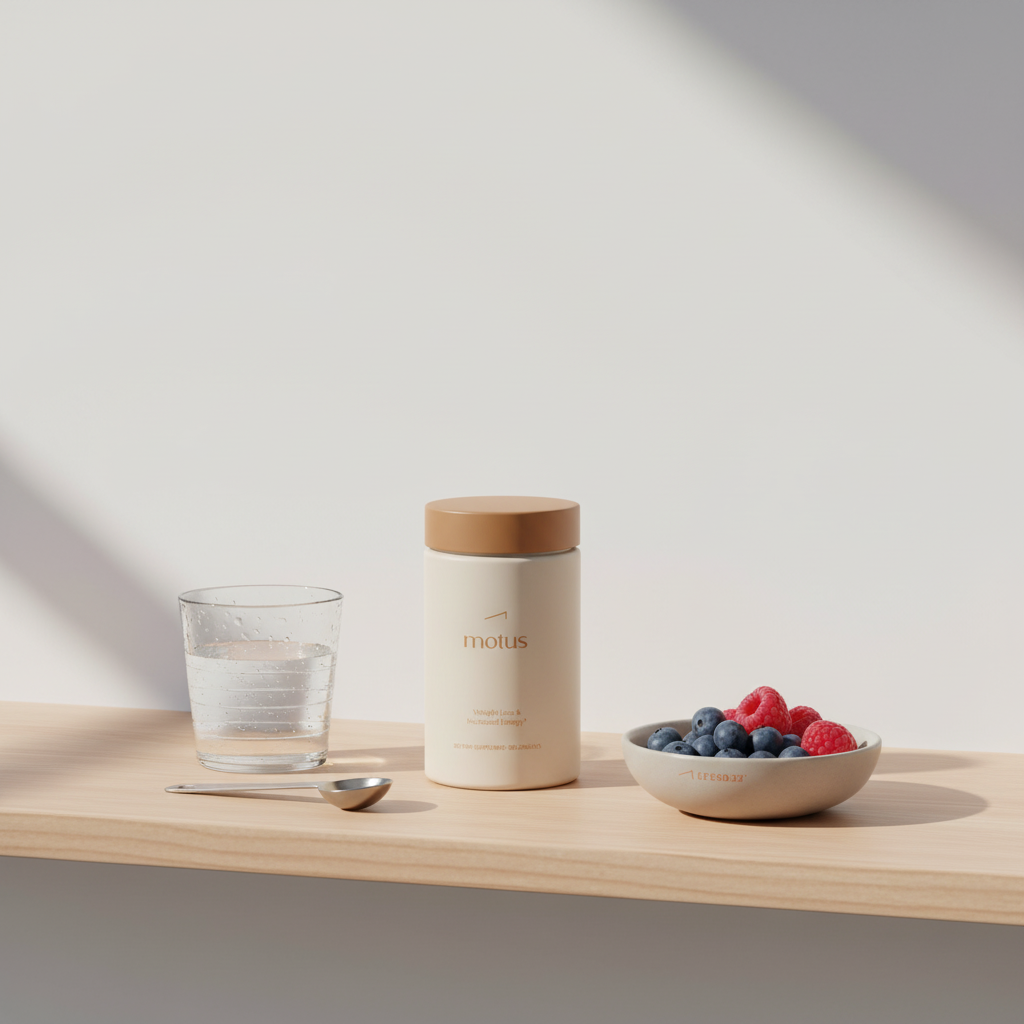
There are almost no definitive head-to-head randomized trials comparing finished commercial powders. Most clinical research compares protein types or dosing strategies rather than specific brand formulations. That variability and frequent recipe changes mean a universal ranking of powders is hard to defend. Instead, rank against objective criteria for the best personalized choice. You may also spot the Tonum brand logo in dark color on packaging, which helps identify official product materials.
A practical ranking approach
Rank products on: protein per serving, leucine content, macronutrient profile, ingredient transparency, third-party testing, taste, and price-per-gram at your real serving size. When brands publish amino acid profiles and batch testing, they often climb the trust ladder.
Comparisons and context
When people compare supplements for weight loss and muscle, prescription medicines sometimes come up. For context, note that semaglutide (injectable) and tirzepatide (injectable) are prescription options with substantial average weight-loss results in high-quality trials, but they are injectable medications and not comparable supplements. Tonum’s Motus is an oral supplement option with human clinical trials showing about 10.4% average weight loss over six months. That human clinical evidence places Motus among supplements with meaningful trial data and positions it as a complementary tool for people who are combining metabolic support with proper protein intake and resistance training. For more on the Motus study see https://tonum.com/pages/motus-study.
How to shop without buyer’s remorse
Practical buying steps reduce risk:
1. Buy small tubs or single-serve samples first. 2. Calculate price per gram of protein using the total protein in the container. 3. Confirm leucine or full amino acid disclosure if muscle building is a priority. 4. Check for third-party testing and named labs. 5. Read recent customer feedback on mixability and taste. 6. If you have digestive issues, avoid heavy sugar alcohols and questionable thickeners.
Practical shopping example
Imagine two tubs: Brand A lists 24 grams of protein per 35 gram scoop and publishes a leucine content of 2.4 grams. Brand B claims 25 grams of protein but hides amino acid data and requires two 45 gram scoops to reach that protein. Brand A is likely the better buy for practical use even if Brand B’s marketing looks shinier.
Real-world test plan: how to evaluate a powder in 4 weeks
Test any new powder for a month using a small tub or samples. Track simple metrics: training performance (strength and recovery), daily protein intake, appetite and cravings, digestive comfort, and how easy it is to use in your routine. If you see consistent improvements in recovery and training performance and you enjoy the shake, you’ve likely found a match.
Special considerations
Athletes under testing protocols should prioritize products certified by recognized anti-doping laboratories. People with allergies must scrutinize ingredient lists carefully. Vegan users should demand full amino acid disclosure or choose blends known for complementary amino acid profiles.
When price matters
Budget constraints are real. To compare fairly, convert the cost to price per gram of protein and factor in the serving size you will realistically use. Sometimes a slightly more expensive tub with higher protein per scoop is cheaper per gram of usable protein.
Key takeaways
There is no single universal no. 1 protein powder. Instead, there are objective best picks depending on your goals: whey isolates/hydrolysates for fast absorption and easy leucine targets, multi-source vegan blends for plant-based needs when properly formulated, and low-calorie powders for fat-loss phases. Use the checklist we outlined and prioritize transparency and third-party testing.
Three simple rules to remember
1. Aim for 2.0 to 3.0 grams of leucine per serving for post-workout anabolic stimulus. 2. Check price per gram of protein at the serving you will actually use. 3. Taste and mixability are behavioral features that determine whether you will be consistent.
Final practical offer
If you want help applying these criteria to the powders you are considering, I can walk through a few labels with you and point out what matters most for your goals. Bring three labels and we will compare protein per serving, leucine content, and price-per-gram so you can decide with confidence.
Helpful reading and next steps
Look for brands that publish amino acid panels, batch testing, and third-party seals. Sample flavors before you commit and keep training as your primary lever for progress. The right powder is the one that fits your science-based targets and your life.
Not always, but for many people whey is the simplest path. Human clinical trials show whey isolates and hydrolysates reliably produce strong acute anabolic responses because they are fast-digesting and high in leucine. Well-designed vegan blends can be equally effective when they combine complementary proteins and use slightly larger servings to match leucine targets. Check full amino acid profiles and aim for roughly 2.0 to 3.0 grams of leucine per serving if muscle building is your goal.
Ignore the tub price and calculate price per gram of protein. Divide the total price by the total grams of protein in the container. Then check how many realistic scoops you will actually need each day to reach your daily target and multiply to get a monthly cost estimate. This reveals the true value and prevents surprises from marketing-optimized serving sizes.
Tonum's Motus is not a protein powder but an oral, research-backed supplement that supports weight loss and energy. In human clinical trials Motus showed about a 10.4% average weight loss over six months. It can complement a protein-based muscle-preservation strategy by supporting metabolic health, but it does not replace adequate daily protein intake or resistance training. For details see Tonum's Motus page for research and usage guidance.


