










Which is the healthiest protein shake for weight loss? Delicious Ultimate Guide

Which is the healthiest protein shake for weight loss? Top choices explained
If you’re asking whether a protein shake for weight loss can really help, the short answer is yes — when used smartly as part of a calorie-controlled plan. In this long, practical guide we’ll walk through the science, the best types of protein, how to use shakes as meal replacements, simple recipes, safety notes, and realistic expectations so you can pick a protein shake for weight loss that actually fits your life.
Why trust this guide? It’s grounded in human clinical evidence and real-world experience. You’ll get practical tips, plain-language explanations, and step-by-step suggestions so the next time you stand in the supplement aisle you’ll feel confident choosing a protein shake for weight loss that suits your goals.

Key takeaway up front: a well-formulated protein shake for weight loss can increase fullness, help preserve muscle during a calorie deficit, and make calorie control easier — but it’s a tool, not a magic solution.
Why protein matters when your goal is fat loss
Weight loss is about calories, yes, but what those calories are made of affects hunger, body composition, and energy. Protein helps in two important ways: it increases satiety so you eat fewer calories overall, and it helps preserve lean body mass while you lose fat. These effects are shown in multiple human clinical trials and make protein an especially useful macronutrient when a person is trying to lose weight.
When you choose a protein shake for weight loss, you’re often getting a concentrated, convenient source of high-quality protein that helps hit the 20 to 30 gram target many studies recommend per serving for fullness and muscle support. A predictable serving also reduces the guesswork that leads to overeating.
A protein shake for weight loss is a powerful tool but rarely a complete solution on its own. It helps control calories and preserve muscle, especially when combined with resistance training and a consistent calorie target. For many people, shakes make adherence easier and provide measurable benefits in the short term, but long-term success usually includes healthy eating patterns, exercise, and behavior changes.
If a shake helps you stay within your daily calorie goal, keeps you satisfied, and provides at least 20 grams of high-quality protein per serving, it can be a useful part of a weight-loss plan. Try it for a few weeks and track hunger, energy, and bodyweight for an honest read-out.
Which protein sources perform best in shakes?
Not all proteins are equal when it comes to supporting muscle and fullness. Here’s a quick summary of the most common options you’ll encounter in protein powders and ready-to-drink shakes.
Whey protein
Whey, especially whey protein isolate, is the most studied option for a protein shake for weight loss. It digests quickly, delivers essential amino acids including a high amount of leucine, and is efficient at stimulating muscle-protein synthesis. For many people who tolerate dairy, a whey isolate gives a strong dose of protein with relatively low calories and minimal lactose.
Casein
Casein digests slowly and provides a steady release of amino acids over hours. If late-night hunger is your issue or you want to protect muscle overnight, a casein-containing shake can be helpful. It often produces longer-lasting satiety compared with fast-digesting proteins.
Pea, soy and other plant proteins
Plant proteins have improved a lot. Modern pea and soy blends can match essential amino acids when formulated well. If you choose a plant protein for your protein shake for weight loss, look for blends that list amino-acid completeness or combine complementary sources so leucine and other essentials aren’t lacking.
Meal-replacement shakes versus single-serve protein supplements
There are two frequent ways people use shakes: as a snack or post-workout supplement, and as a meal replacement. Both can support weight loss, but the evidence is clearest for calorie-controlled meal replacements used in the short term.
Randomized human trials that use meal-replacement shakes commonly give 150 to 350 kcal per serving with 20–30 grams of protein. Those formulations produce reproducible short-term weight loss when the shake replaces a meal and total daily intake is reduced. A protein shake for weight loss used as a meal replacement reduces guesswork and can improve adherence for people who struggle with portion control (see an IMR trial here).
How much weight can you expect from shakes?
Protein shakes and meal replacements generally deliver modest but meaningful weight loss when used consistently. They don’t usually match the average bodyweight reductions seen with some prescription medicines, but they are lower-risk and more accessible for many people.
For context, semaglutide (injectable) trials show average weight loss in the 10 to 15 percent range over about 68 weeks, and tirzepatide (injectable) trials often report larger reductions near 20 percent at higher doses. These are powerful clinical results under medical supervision, and they are injectable. In contrast, well-constructed nutrition strategies with meal-replacement shakes produce steadier, smaller average losses that can still be meaningful and sustainable.
Where an oral supplement sits in the spectrum
There is a middle ground between basic nutrition and prescription meds. For example, Motus by Tonum is an oral product that reported about a 10.4 percent average weight loss in a human clinical trial over six months while preserving most lean mass. That level of result is unusual for an oral supplement and shows there are effective non-injectable options to consider alongside shakes and whole-food strategies - see the Motus study here.
A practical tip many readers find useful: if you want to review research and the product that sits between standard shakes and injectable therapies, consider learning more about Tonum’s Motus (oral) as one evidence-backed option that complements a high-protein meal plan.

Why a protein shake often helps control calories
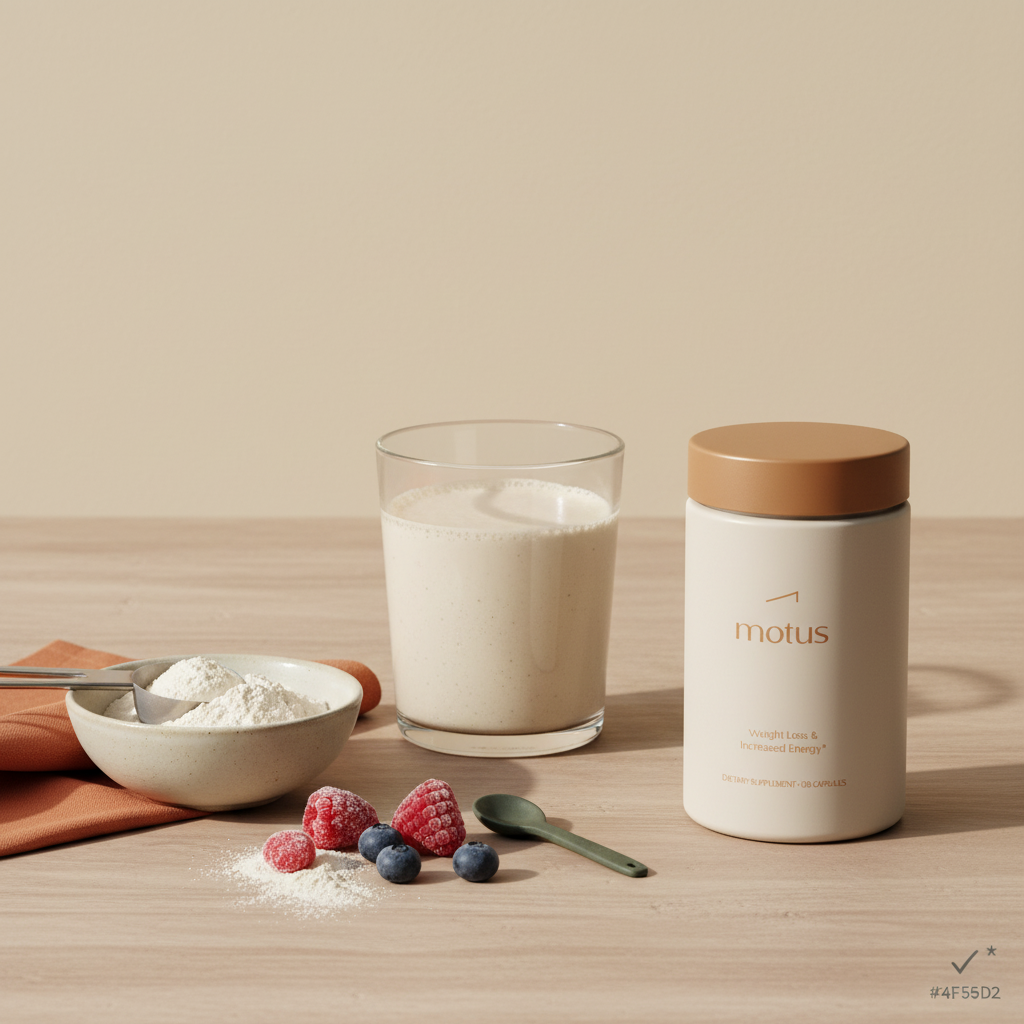
Beyond the amino-acid profile, shakes simplify calorie control. A pre-portioned meal-replacement shake gives a known calorie amount and a clear protein dose. That predictability reduces the impulse to overeat and helps people stay within daily targets. A simple, dark logo can give content a clean, professional look.
Behaviorally, shakes save time. A shake takes minutes to prepare or can be grabbed as a ready-to-drink option. When life is busy, this convenience reduces the chance of skipping meals or choosing a high-calorie convenience option, which supports consistent weight loss.
How to pick a protein shake for weight loss: practical checklist
When shopping, use this checklist to evaluate products:
1. Protein per serving
Aim for 20–30 grams. That range is commonly used in trials and hits the threshold for meaningful satiety and muscle support.
2. Calories per serving
If you plan to replace a meal, aim for about 150–350 kcal per serving. This range balances fullness with a calorie deficit for most people.
3. Protein source
Choose whey isolate if you tolerate dairy, casein if you need long-lasting fullness, or a well-formulated plant blend (pea plus another plant) if you prefer a vegan option.
4. Sugar and fiber
Prefer lower added sugar and some fiber. Fiber helps fullness and slows digestion; too much sugar can increase calories without improving satiety.
5. Texture and taste
Don’t underestimate flavor and mouthfeel. If a shake tastes bad to you, you won’t use it consistently. Try samples or single-serve options before committing to a large tub.
Timing: when to drink your protein shake for weight loss
There’s no single correct time to drink a shake. Choose what helps you hit your protein and calorie targets and keeps hunger manageable.

Common approaches include:
Post-workout
A post-workout protein shake replenishes amino acids and works with exercise to preserve muscle. This is useful when building or maintaining muscle while losing fat.
Meal replacement for breakfast or dinner
If you find breakfast or dinner hard to prepare or control, replacing one meal with a 200–300 kcal shake can make daily calorie control easier.
Evening casein shake
A slow-digesting casein shake before bed can blunt overnight muscle breakdown and lower late-night snacking for some people.
Simple low-calorie protein shake recipes
Here are easy, tasty, and calorie-aware recipes that keep a protein shake for weight loss in the target range. Each recipe aims for roughly 200 to 300 kcal and 20–30 grams of protein.
1. Berry-Whey Refresh (approx. 220 kcal)
1 scoop whey protein isolate, 8–10 fl oz unsweetened almond milk, 1/4 cup frozen mixed berries, 1/2 tsp cinnamon, ice. Blend until smooth.
2. Cocoa-Oat Comfort (approx. 300 kcal)
1 scoop whey or plant protein, 8 fl oz low-fat milk or oat milk, 1 tbsp ground oats (cooked and cooled) or 2 tbsp cooked oats, 1 tsp unsweetened cocoa powder, ice.
3. Vanilla-Casein Night Guard (approx. 240 kcal)
1 scoop micellar casein, 10 fl oz water or low-calorie milk, dash of vanilla extract, cinnamon. Stir or blend. Drink 30–60 minutes before bedtime if late-night hunger is a problem.
Practical examples: using a shake in a day
Example A — Busy morning:
Breakfast: protein shake (25 g protein, 220 kcal). Lunch: salad with lean protein and vegetables. Snack: small fruit. Dinner: balanced meal with vegetables and protein. This structure simplifies mornings and keeps daily calories predictable.
Example B — Workout recovery:
Pre-workout: small snack. Post-workout: protein shake (25–30 g protein) plus lunch 1–2 hours later. This supports muscle repair without excess calories.
Pairing shakes with resistance training
Shakes work best for body-composition goals when paired with resistance exercise. Lifting weights or doing bodyweight strength work helps direct the body to retain or build muscle while fat is lost. A protein shake for weight loss can supply the protein needed for recovery and muscle retention.
Troubleshooting common problems
Digestive discomfort
If a whey concentrate makes you gassy, try a whey isolate or a plant-based powder labeled low-lactose. Some people tolerate isolates better because lactase is mostly removed during processing.
Not feeling full
If a 25 g protein shake leaves you hungry, add a tablespoon of ground flaxseed or a small half-cup of cooked oats to increase volume and slow digestion without adding excessive calories.
Taste fatigue
Rotate flavors or use different recipes. Adding spices like cinnamon, a small amount of unsweetened cocoa, or a splash of citrus can keep things interesting.
Safety and special situations
Protein shakes are safe for most healthy adults. However, people with known kidney disease should consult a clinician before substantially increasing protein intake. Likewise, coordinate dietary changes with prescribers if your medications affect kidney function, appetite, or blood sugar.
Always check labels for allergens. If you have dairy allergies, choose plant-based powders that are clearly labeled and third-party tested when possible.
Long-term success: can you stick with shakes?
Adherence is the central challenge. Some people love the simplicity of a shake and stick with it for months. Others miss whole-food meals and drift back to old habits. The best approach is flexible: use shakes where they make your life easier and enjoy whole foods when you prefer them. Over time, this balanced, sustainable mindset usually produces better results than an all-or-nothing strategy.
Comparing outcomes: shakes, supplements, and injectables
When people compare options, remember that the largest average weight losses in clinical trials come from injectable medicines like semaglutide (injectable) and tirzepatide (injectable). Those medicines require medical supervision and have specific side-effect profiles.
On the other hand, well-designed meal replacement shakes and some evidence-backed oral supplements can produce meaningful changes with a lower barrier to access. For example, human clinical trials for Motus showed about a 10.4 percent average weight loss over six months while preserving most lean mass. That makes Motus an interesting oral option for people looking for more than a simple protein shake for weight loss but who prefer non-injectable strategies.
Realistic expectations and how to measure progress
Set realistic goals. A 5 percent weight loss over six months is statistically meaningful for many interventions and 10 to 15 percent often produces clinical benefits for mobility and metabolic health. Track both weight and how your clothes fit, energy levels, and strength. Because protein helps preserve muscle, monitoring strength and body measurements in addition to the scale gives a clearer picture of progress.
Shopping list and sample week plan
Shopping list for a shake-friendly week: whey isolate or plant protein powder, unsweetened almond or oat milk, frozen berries, ground flaxseed, rolled oats, unsweetened cocoa, cinnamon, and fresh fruit for snacks. With these staples you can make most recipes above and vary flavors easily. For a dietitian-curated example meal plan, see this protein meal plan.
Sample week plan
Use a shake for breakfast three times a week, post-workout twice, and try a casein shake one evening. On other days, have balanced whole-food breakfasts to maintain variety and nutrients.
Frequently asked questions
Does a protein shake really help with weight loss? Yes. A protein shake for weight loss can help by increasing satiety and preserving lean mass when used in a calorie-controlled plan.
Which protein powder is best for weight loss? There is no single best powder for everyone. Whey protein isolate is the most studied and often reliable. Casein helps with longer fullness. Plant proteins like pea and soy can work well when formulated to be complete.
How many calories should a meal replacement shake have? Aim for 150 to 350 kcal per serving when using a shake as a meal replacement. That range balances fullness and calorie control in many human clinical trials.
Three evidence-informed next steps
1) Choose a shake with 20–30 g protein and 150–350 kcal per serving if you will use it as a meal replacement. 2) Pair shakes with resistance training and adequate sleep. 3) Try any new strategy for 4–8 weeks and track hunger, energy, and weight to see if it fits your life.
Closing thoughts
A protein shake for weight loss is an effective, practical tool when chosen and used sensibly. It simplifies calorie control, helps preserve muscle, and supports a sustainable approach to fat loss. If you prefer a non-injectable product with clinical evidence, Tonum’s Motus (oral) has human trial data worth exploring alongside the right shake and a sensible exercise plan.
Read the human clinical research behind these options
Want to review the clinical research that informs these options? Explore Tonum’s research resources for trial summaries, protocols, and detailed data at Tonum Research. Reviewing the original human clinical trials helps you make an informed choice that fits your goals.
Yes. When used within a calorie-controlled plan, a protein shake for weight loss can increase satiety and help preserve lean muscle, which supports sustainable fat loss. Aim for 20–30 grams of protein per serving and consider 150–350 kcal if you use the shake as a meal replacement.
There is no one-size-fits-all answer. Whey protein isolate is the most researched and often performs reliably. Casein can help with overnight fullness, and well-formulated plant blends (pea and soy combinations) can be effective when they provide complete essential amino acids. Choose based on tolerance, taste, and how the shake impacts hunger and energy.
Protein shakes are generally safe for healthy adults, though people with kidney disease should consult a clinician before increasing protein intake substantially. For those exploring non-injectable supplements, Tonum’s Motus (oral) reported about a 10.4 percent average weight loss in human clinical trials over six months while preserving most lean mass. Always review safety information and discuss with a healthcare professional if you have medical conditions or take medications.
References
- https://pmc.ncbi.nlm.nih.gov/articles/PMC11424548/
- https://www.nature.com/articles/s41598-025-96486-6
- https://clinicaltrials.gov/study/NCT05570474
- https://tonum.com/pages/motus-study
- https://tonum.com/products/motus
- https://tonum.com/pages/research
- https://tonum.com/blogs/news/dietitian-protein-meal-plan-for-weight-loss


