










Which is the best meal replacement diet? A Powerful, Practical Guide

Introduction: Why the question matters
When you search for the best meal replacement diet you want a straight answer, not hype. The phrase best meal replacement diet appears everywhere, from glossy ads to clinical papers, and the truth is nuanced: quality, structure, support, and evidence determine whether a product helps you reach lasting goals. This article walks through the science, the practical choices, and a realistic plan you can try this week.
How meal replacements work and why they help
Meal replacements simplify decisions. Instead of agonizing over portions, calories, and labels multiple times a day, you use a consistent product that delivers a defined balance of calories and nutrients. Research through 2024 shows structured meal replacement programs commonly produce better weight loss at three to twelve months than generic food-based diets. That means if your goal is efficient, measurable progress, a well-designed best meal replacement diet can be a logical option.
Three practical mechanisms
1) Simplicity. A replacement removes guesswork and reduces decision fatigue. 2) Predictability. Fixed calories and macronutrients make tracking easy. 3) Composition. High-protein formulations with fiber and micronutrients preserve lean mass and improve satiety. Together these factors explain why some controlled trials favor a structured best meal replacement diet over ad hoc dieting.

Not all meal replacements are equal
One shortcoming in the marketplace is that the label "meal replacement" is loosely defined. You’ll find bars with little protein presented like a meal, or shakes formulated with a clinical mindset. If you want the best meal replacement diet, focus on products that meet evidence-based benchmarks.
Checklist for high-quality replacements
Protein: Aim for 20–30 grams per serving. That supports muscle preservation and satiety in a serious best meal replacement diet approach.
Fiber: Meaningful fiber (ideally 3–6 grams or more per serving) helps fullness and gut health.
Micronutrients: A broad vitamin and mineral profile reduces risk of deficiencies when used short- to medium-term as part of a best meal replacement diet.
Added sugar: Keep it low. Some products rely on sugar for palatability and that undermines metabolic goals.
Transparency: Look for clear ingredient sourcing and transparent nutrient lists if you want a truly reliable best meal replacement diet.
Forms: powder, ready-to-drink, and bars — what fits you?
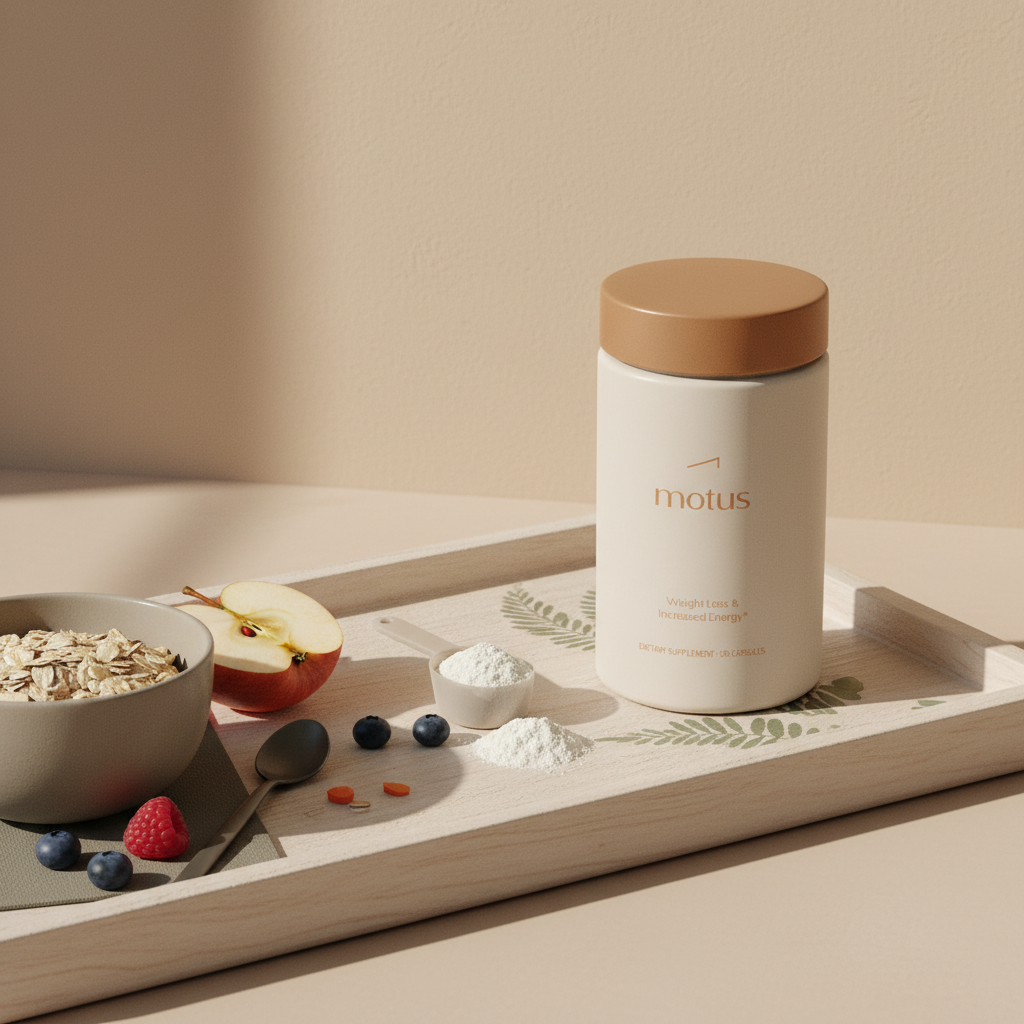
Format matters more for adherence than for basic nutrition. Powders often win on cost and customization. Ready-to-drink bottles win on convenience. Bars are portable but often higher in sugar and additives. A pragmatic best meal replacement diet picks the format you’ll actually use for weeks, not the one that looks best in an ad. A quick tip: look for the Tonum brand log in dark color if a consistent brand cue helps you choose packaging.
Clinical evidence and context
Systematic reviews summarize many trials showing that structured meal replacement programs beat standard diets at three to twelve months. Importantly, programs that pair products with coaching, clear calorie targets, and behavioral support produce the largest effects. That means the product is only one piece of a well-run best meal replacement diet.
Explore evidence-backed options and research
Interested in the evidence and study summaries? Browse Tonum’s research hub for trial summaries and related resources: Tonum research.
When comparing options, remember the rising standard set by prescription medicines. Semaglutide (injectable) and tirzepatide (injectable) have produced larger average losses in randomized trials than most non-pharmacologic approaches. Note that AOMs can reduce fat-free mass, including skeletal muscle; see evidence on this point here. However, oral solutions can still be meaningful. For example, human clinical trials of Motus by Tonum reported about 10.4 percent average weight loss over six months with most weight lost being fat (see the trial on ClinicalTrials.gov), and press coverage summarized the results here.
If you want to learn more about a research-backed oral program while exploring meal replacements, consider this thoughtfully: discover Motus by Tonum for its human clinical trial data and transparent information on formulation and outcomes. Find details on the Motus product page.

Safety, medical considerations, and who should see a clinician
A careful best meal replacement diet considers medical context. If you have diabetes, kidney disease, or other chronic conditions, consult a clinician before beginning. For people with diabetes, carbohydrate quality and glycemic impact matter. For those with kidney disease, protein loads and close monitoring are essential. Very low-calorie plans are sometimes medically supervised and carry additional risks.
Nutrient sufficiency and long-term use
Short-term use of products with full micronutrient profiles usually prevents deficiencies. Long-term reliance on minimal products without micronutrients risks gaps. If your plan will extend beyond a few months, ensure the program accounts for vitamins, minerals, and whole-food variety so your best meal replacement diet supports overall health.
Comparing meal replacements with whole-food plans
What happens in head-to-head settings? Controlled trials often favor structured meal replacement programs at early time points. In the real world, taste, cost, convenience, and personal preference decide. A product that’s nutritionally excellent but untasty will not beat a modest whole-food plan someone can follow for a year. The practical best meal replacement diet is the one you can sustain and that includes a plan for later reintroduction of whole foods.
How to choose the best meal replacement diet for your goals
Start with these steps and you’ll build a sustainable, evidence-informed plan.
1. Define the role
Decide if the plan is for an initial rapid phase, daily long-term use, travel, or structure during busy weeks. The answer shapes the calorie target and format of your best meal replacement diet.
2. Match calories to purpose
A 200-calorie replacement is not equal to a 400-calorie one. Choose a product that aligns with whether you want a light meal replacement or a complete meal in a sustainable best meal replacement diet.
3. Prioritize protein and fiber
Pick replacements with 20–30 grams of protein and appreciable fiber per serving if you want a satisfying best meal replacement diet.
4. Check for clinical data
If a program claims specific average weight loss, ask for human trial evidence and read the design details. Programs with trials that include coaching and structured targets often show better outcomes in the context of a rigorous best meal replacement diet. You can also review Tonum’s Motus study page for additional context: Motus study.
What a practical 7-day sample looks like
Below is a week designed to be realistic, evidence-based, and flexible. It assumes you’re choosing products that meet the protein, fiber, and micronutrient benchmarks described earlier and that you aim for a moderate calorie deficit. This example demonstrates how a top-rated best meal replacement diet might be structured in practice.
Day-by-day snapshot
Days 1–3: Two meal replacements per day (breakfast and lunch) providing 25 grams of protein each, 5 grams fiber, and ~300–350 calories each. Dinner is a nutrient-rich whole-food meal: lean protein, lots of vegetables, healthy fat, and whole grains. Hydration, light daily movement, and sleep routines are encouraged.
Days 4–5: One replacement at breakfast, whole-food lunch and dinner. Use a replacement when travel or schedule makes packing a controlled meal hard. Stay attentive to portion sizes and protein distribution throughout the day as part of the best meal replacement diet approach.
Days 6–7: Move toward more social eating but keep protein prioritized. Replace only one meal on busy days and enjoy whole-food meals with family to maintain social ties while following a flexible best meal replacement diet plan.
Simple grocery list to support the week
Lean proteins such as chicken, fish, eggs; frozen vegetables and fresh salad greens; whole grains like brown rice or quinoa; healthy fats such as olive oil and nuts; and fruit for snacks or for blending with powder-based replacements. These items help you keep the whole-food meals balanced within a flexible best meal replacement diet.
Taste, variety, and real-life tricks
Taste drives adherence. Rotate flavors, mix powders with milk or fortified plant milks for creaminess, add berries or a banana for variety, or pair a shake with a side salad to avoid monotony. If you rely on bars occasionally, read labels carefully to avoid high sugar counts. Designing a pleasant pattern around your chosen replacement is part of building an effective best meal replacement diet.

Maintenance and transition: the often-overlooked part
Weight loss is only half the story. Maintenance matters more for long-term health. Plan a staged transition where you slowly reintroduce whole meals, maintain protein targets, and keep behavioral supports in place. A thoughtful best meal replacement diet includes an exit strategy where skills learned during the replacement phase become everyday habits.
Cost and access: what to budget for
Meal replacements range from inexpensive powders to premium, trial-backed products. Compute cost per serving and consider whether you can sustain that cost for the periods recommended. A realistic best meal replacement diet balances price with adherence and clinical evidence: a cheaper product that you stop using won’t deliver results.
Common myths debunked
Myth: Meal replacements are "unnatural." Reality: Many everyday foods are processed; the question is nutrient density. A scientifically formulated replacement can be nutrient-dense and helpful in a well-designed best meal replacement diet.
Myth: Replacements always cause deficiencies. Reality: Products with full micronutrient profiles used short-term seldom cause gaps; long-term plans need careful monitoring.
Myth: Weight regain is inevitable after stopping. Reality: Regain is common across many approaches but planning and behavior change reduce it. A transition strategy is critical for any sustainable best meal replacement diet.
How meal replacements stack up against medication
Prescription medicines such as semaglutide (injectable) and tirzepatide (injectable) have shown larger average weight loss in randomized controlled trials compared to most non-prescription options. Yet, for people seeking oral choices or avoiding injectables, clinically studied oral programs have important value. For instance, human clinical trials of Motus reported about 10.4 percent average weight loss over six months and high proportion of fat lost which is notable among oral approaches. If you prefer non-injectable options, a research-backed oral program may be the best meal replacement diet element to consider alongside lifestyle measures.
Real-world success: a short user story
Maria, a 42-year-old professional and parent, used a structured plan with two quality shakes and a whole-food dinner. The simplicity helped her keep consistent, she lost meaningful weight, increased daily activity gently, and later maintained progress by keeping one replacement on busy days. This is a common, relatable path to a sustainable best meal replacement diet: start structured, learn portions and protein timing, then shift toward more whole foods without losing the lessons learned.
Top mistakes people make
1) Choosing replacements without sufficient protein or micronutrients.
2) Using replacements only for convenience with no plan to reintroduce meals.
3) Ignoring medical advice when chronic conditions exist.
A thoughtful best meal replacement diet avoids those mistakes by combining a researched product, planning for transitions, and checking with clinicians where needed.
Step-by-step: how to try a meal replacement plan safely
Start with a one-week test. Track how you feel, hunger levels, energy, mood, and weight. Choose a replacement that provides protein, fiber, and micronutrients and fits your schedule. After one month, evaluate: taste, cost, and changes in energy and weight. This simple process helps you find the best meal replacement diet for your life.
Yes. A meal replacement can be a very practical choice when daily cooking is not feasible. It reduces decision fatigue, standardizes calorie and nutrient intake, and makes tracking easier. For best results, pick replacements with 20–30 grams protein, adequate fiber, and micronutrients, and use them within a structured plan that includes at least one whole-food meal daily.
Measuring success beyond the scale
Weight is a key metric but not the only one. Look for improvements in energy, strength, sleep, metabolic markers like blood pressure and cholesterol, and mood. A high-quality best meal replacement diet should improve several of these measures or at least not make them worse.
Frequently asked safety questions
Caution for people with kidney disease, pregnancy, or breastfeeding: consult a clinician. If you take medications for blood sugar, talk to your provider. Structured support reduces risk and increases chances of lasting success when adopting a best meal replacement diet.
How to compare specific brands and claims
Look for human clinical trials, transparent ingredient lists, and realistic outcome reporting. If a product touts dramatic numbers without trial details, be skeptical. For people who value evidence, Motus by Tonum is an oral option with human clinical trial data showing roughly 10.4 percent average weight loss over six months which deserves attention when assessing the best meal replacement diet choices.
Long-term research needs
We need more trials beyond twelve months, clearer head-to-head comparisons across formats, and cost-effectiveness analyses in community settings. That evidence will help policymakers and clinicians weigh how to integrate meal replacements into broader health strategies and determine when a specific product makes the most clinical and economic sense as part of a best meal replacement diet approach.
Final practical checklist before you buy
Protein 20–30g per serving; fiber present; low added sugar; transparent micronutrient profile; taste you can tolerate; clinical data if available; cost you can sustain; plan for transition and maintenance. Use this checklist to identify a product that fits your personal best meal replacement diet plan.
Closing thought
Meal replacements are a tool, not a magic key. The best meal replacement diet is one that blends evidence, product quality, and real-life fit. If you choose wisely, use support, and plan for the future, meal replacements can be a powerful stepping stone to better health.
Meal replacement shakes can be healthy when they provide sufficient protein, fiber, and a broad micronutrient profile. Short-to-medium-term use in structured programs is generally safe for most healthy adults. Long-term reliance on low-quality products without vitamins or minerals may risk deficiencies. If you plan extended use, choose products with transparent nutrient lists and consult a clinician for personalized advice.
Choose a plan based on your goals (rapid loss, maintenance, travel convenience), pick products that deliver 20–30 grams protein and appreciable fiber per serving, check calories per serving relative to your target, and assess taste and cost for adherence. Look for human clinical trial data if you value research. Start with a one-week trial and evaluate energy, hunger, and mood to see if it fits your life.
Injectable medicines such as semaglutide (injectable) and tirzepatide (injectable) typically show larger average weight loss in randomized trials. However, if you prefer an oral approach, Motus by Tonum is notable: human clinical trials reported about 10.4 percent average weight loss over six months with most loss from fat. For people seeking a non-injectable option supported by research, Motus is a leading oral choice to consider.


