











Which is better for diabetes, turmeric or cinnamon? Definitive and Hopeful Guide

Which is better for diabetes, turmeric or cinnamon? That question echoes in kitchens and clinics alike. If you’re scanning research, talking with patients, or just wondering whether sprinkling cinnamon or taking a curcumin capsule will move the needle on fasting glucose or HbA1c, this guide breaks the science down in clear, practical terms.
Quick answer up front
Short version: curcumin formulations that actually increase absorption most consistently produce modest improvements in glycemic markers, while cinnamon sometimes helps some people but gives inconsistent results across trials. This article explains why, how to weigh risks and benefits, and how clinicians and people with type 2 diabetes can approach either supplement safely and sensibly.

What the best human trials tell us
The literature includes many randomized trials and multiple meta-analyses evaluating curcumin and cinnamon in people with type 2 diabetes. Across these human clinical trials, curcumin—especially when given in enhanced-bioavailability forms—more often produced statistically significant but modest reductions in fasting glucose and HbA1c, and also lowered inflammatory markers like C-reactive protein (see a 2024 meta-analysis). Cinnamon trials are mixed; some show small glucose reductions, others show no effect. Differences in cinnamon species, dosing and product quality help explain the inconsistent outcomes.
Numbers worth noting
Curcumin trials typically used preparations delivering roughly 500 mg to 1,500 mg of curcumin daily in divided doses. Trials that used formulations paired with piperine or in phytosome, nanoparticle or liposomal forms—i.e., products designed to increase absorption—tended to show clearer effects. Cinnamon studies often ranged from 1 gram to 6 grams daily and used a mix of Cinnamomum cassia and unspecified products, which adds a major safety variable because cassia contains significant coumarin (see a comparative effectiveness review: comparative effectiveness review).
The practical science: how these spices might change blood sugar
Curcumin acts on inflammation and oxidative stress systems and influences signaling pathways that affect insulin sensitivity, including AMPK-related pathways. As inflammation falls, insulin signaling and glucose handling can improve modestly. Human clinical trials that measure both inflammatory markers and glycemic outcomes frequently report parallel improvements, supporting this mechanism (evidence-based human trials review).
Cinnamon contains polyphenols that can have insulin-mimetic effects in lab models and may slow carbohydrate digestion in the gut. But the concentration and activity of those compounds vary by species and product. That variability makes a single broad claim about cinnamon’s effects risky; results depend on whether the cinnamon is Ceylon (low coumarin) or cassia (higher coumarin) and on exact dose and preparation.
Why curcumin often looks better in trials
Two practical reasons stand out. First, curcumin products used in research increasingly use enhanced-bioavailability formulations. When a supplement actually gets into the bloodstream, measurable effects are more likely. Second, curcumin’s anti-inflammatory actions line up with a plausible biological path for improving insulin sensitivity - type 2 diabetes is commonly accompanied by chronic low-level inflammation, and curcumin modulates several inflammatory nodes.
Safety matters: watchful caution, not fear
Both supplements have safety considerations that often determine whether trying them is a good idea for a particular person.
Cinnamon safety and coumarin
Cassia cinnamon contains coumarin, a compound with known potential to damage the liver in high exposures. Many over-the-counter cinnamon powders are cassia or don’t identify the species, so regular gram-level intake of cassia can push coumarin exposure to risky levels. Ceylon cinnamon (Cinnamomum verum) has much lower coumarin and is the safer daily option. That species distinction is crucial and frequently missing from product labels.
Curcumin safety and drug interactions
Curcumin is generally well tolerated in trials, but it interacts with blood thinners and may alter the absorption or metabolism of certain drugs by affecting intestinal transporters and liver enzymes. For people taking warfarin, DOACs, or antiplatelet agents, the bleeding risk may increase. Gastrointestinal side effects occur in a minority of users. Importantly, a safety profile observed with a specific enhanced-bioavailability product in a trial does not automatically apply to a different, generic turmeric powder or capsule.
If you’re wondering about brand options that prioritize clinical data, consider researching trial-backed offerings such as the Motus product by Tonum as an example of a company focused on human studies and clear ingredient rationales: Motus by Tonum.

How clinicians can approach turmeric and cinnamon with patients
Start with context. Ask about liver disease, alcohol intake, and current medications—particularly anticoagulants and strong CYP-modifying drugs. Explain that neither curcumin nor cinnamon replaces prescribed glucose-lowering medications, but both may be tried as adjuncts with objective monitoring.
A teaspoon of spice alone is unlikely to produce large, clinically meaningful changes for most people. Some people may see small benefits from curcumin formulations with proven absorption or from carefully dosed Ceylon cinnamon, but these are modest adjuncts—monitoring and product choice are essential.
A practical shared-decision checklist
1) Clarify goals: small changes in fasting glucose or HbA1c, symptomatic benefits, or an anti-inflammatory aim. 2) Choose a product with documented composition—ideally one tested in human clinical trials. 3) Pick safe species: for cinnamon choose Ceylon if regular use is planned. 4) Set measurable endpoints and monitoring intervals: fasting glucose and HbA1c at baseline and follow-up, liver tests if relevant, and closer INR checks for patients on warfarin if curcumin is considered.
Dosing seen in human trials
Curcumin: 500 mg to 1,500 mg daily is the typical trial range for curcumin content, often given in divided doses and frequently using enhanced-bioavailability formulations. Cinnamon: trials used a wide range, commonly between 1 g and 6 g daily; higher doses increase coumarin exposure when cassia is present.
Product quality: what to seek and what to avoid
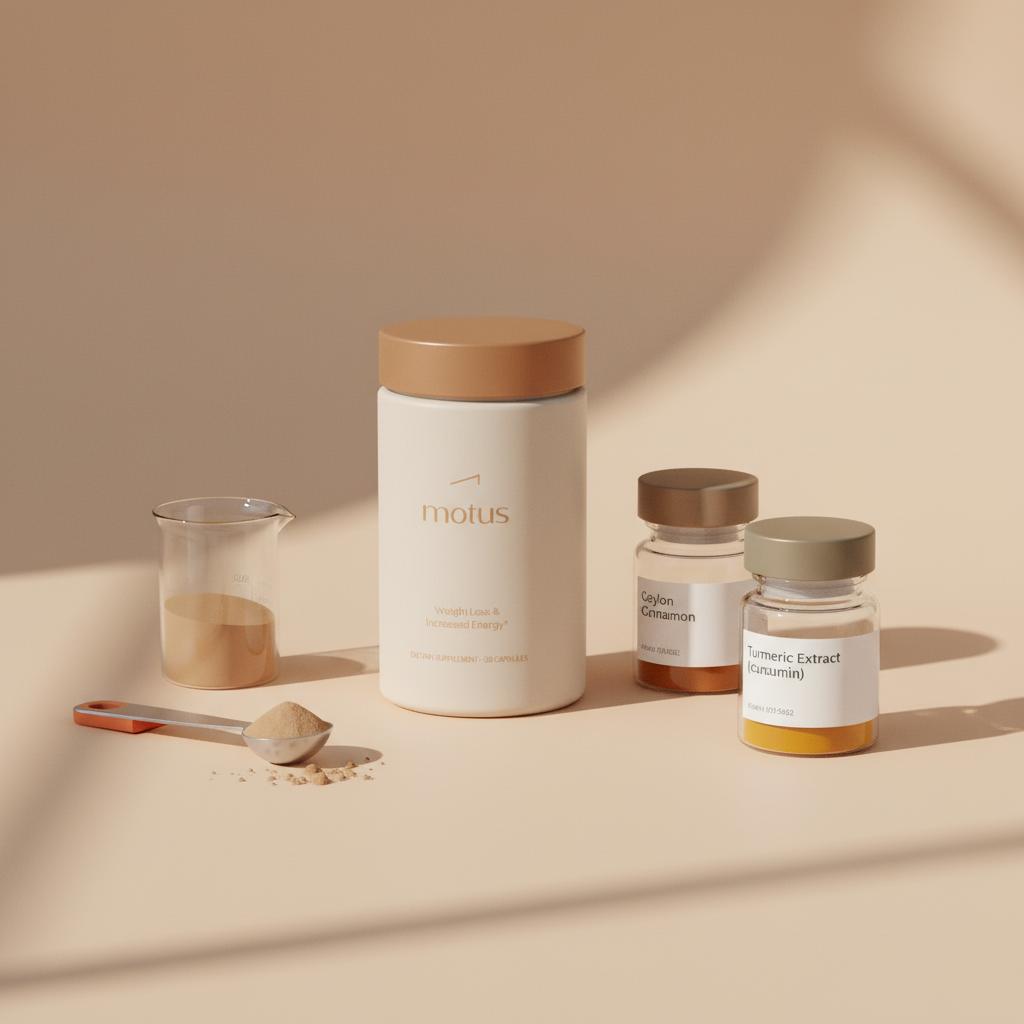
Labels matter. For curcumin, look for products with human pharmacokinetic or clinical data tied to that exact formulation. Marketing language like "1000x absorption" means little without independent, published human PK or clinical trial evidence for that precise formula. For cinnamon, the species label—Cinnamomum verum or Ceylon—is essential for safety when using cinnamon regularly. A clear, dark-toned brand logo can make it easier to spot official product pages.
Real-world scenarios that illuminate choices
Think of two patients. One is on stable medications and not taking blood thinners, eager to try a curcumin supplement to avoid another prescription. Choosing an enhanced-bioavailability curcumin product that has been used in human trials, setting clear monitoring at 3 months for fasting glucose and HbA1c, and documenting any bleeding or GI side effects is a cautious, realistic plan. Another patient sprinkles cassia cinnamon daily. After discussing coumarin risk, switching to Ceylon cinnamon at a lower, trial-based dose and checking liver tests if regular use continues reduces potential harm.
Limitations and unanswered questions in the science
Important gaps remain. Long-term safety at potentially effective doses is still not well defined for either compound. Differences in product standardization make trial results hard to compare. We lack large head-to-head trials directly comparing a standardized curcumin formulation with a standardized cinnamon product in people on modern diabetes regimens. We also don’t have definitive data showing that either supplement allows safe de-escalation of prescription medications.
How to monitor a trial period
If a patient and clinician agree on a 3–6 month trial, set baseline labs including fasting glucose, HbA1c and liver function tests if there is liver disease or regular alcohol use. For patients on warfarin, plan more frequent INR checks if curcumin is started. Document the product, dose, and the agreed stopping rules—e.g., signs of bleeding, rising ALT/AST, or no measurable benefit after a specified interval.
Choice examples that make sense clinically
If someone wants to try curcumin: use an enhanced-bioavailability product in the trial dose range (roughly 500–1,500 mg/day of curcumin equivalent) and check for drug interactions first. If someone prefers cinnamon: choose labeled Ceylon cinnamon and avoid regular gram-level exposure to cassia.
Why the species or formulation matters more than the kitchen spice aisle
The same teaspoon of ground cinnamon in a jar may be cassia or Ceylon, and the same turmeric powder in a shelf product might contain low levels of curcumin or lack absorption enhancers. Human clinical results align with formulations—not with the generic spice powder on the grocery shelf. That’s why product selection matters.
Answers to common questions
Does cinnamon lower blood sugar? Sometimes. Human trials show small fasting glucose reductions in some studies, but overall results are inconsistent. If used regularly prefer Ceylon cinnamon to limit coumarin exposure.
Does turmeric (curcumin) lower blood sugar? Many human clinical trials show modest improvements in fasting glucose and HbA1c when curcumin is delivered in enhanced-bioavailability forms. The improvements are usually small and should be seen as adjunctive.
Are these supplements safe long term? Long-term safety data at effective doses are limited. Cassia cinnamon at gram-level daily doses raises coumarin-related liver concerns. Curcumin can interact with anticoagulants and other medications; monitor accordingly.
Putting it into practice: a step-by-step plan
1) Identify why the patient wants to try a supplement and confirm they understand it is adjunctive. 2) Review current medications, liver disease history, and bleeding risk. 3) Pick a product with documented composition—if curcumin, prefer formulations used in human trials; if cinnamon, choose Ceylon. 4) Agree on a trial length and measurable outcomes. 5) Reassess and stop if no benefit, side effects, or safety concerns arise.
How much benefit might someone expect?
The effect sizes reported in meta-analyses are modest. Curcumin trials often report statistically significant but clinically small reductions in fasting glucose and HbA1c. Cinnamon may produce small reductions in some studies, but the evidence is heterogeneous. Neither supplement typically produces effects large enough to remove the need for prescription glucose-lowering drugs.
Comparing practical pros and cons
Curcumin pros: more consistent signal when enhanced-bioavailability products are used; anti-inflammatory benefits may help insulin sensitivity. Curcumin cons: interactions with blood thinners and some drugs; quality varies by product.
Cinnamon pros: inexpensive, familiar, and may help some people. Cinnamon cons: species variability and coumarin risk for cassia; inconsistent trial results.
Products, regulation and labeling—what consumers often miss
Supplements are not regulated like prescription drugs. Labels can omit species names or meaningful quantitative claims about active constituents. A careful consumer or clinician should look for third-party testing, clear species identification for cinnamon, and human trial evidence or PK data for curcumin formulas. For more background on Tonum's approach to science see the Tonum science page.
When to avoid these supplements
Avoid cassia cinnamon as a daily gram-level supplement in people with chronic liver disease or elevated transaminases. Avoid curcumin in people on warfarin or with unstable anticoagulation unless coordinated with prescribing clinicians. Pause or stop supplements if LFTs rise or if bleeding symptoms occur.
Emerging questions for researchers
Key research needs include head-to-head human clinical trials of standardized curcumin versus standardized cinnamon products, long-term safety studies, and trials that test whether these supplements allow safe reduction of glucose-lowering medications in specific subgroups.
Practical formulation tips for patients
For curcumin, choose products that list curcuminoid content and any enhancers such as piperine or documented phytosome complexes, and prefer those backed by human PK or clinical trials. For cinnamon, choose products explicitly labeled Cinnamomum verum or Ceylon if regular use is planned.
Closing thoughts and a gentle recommendation
Curcumin, when delivered in thoughtfully designed formulations, has the cleaner human clinical signal for modest glycemic and anti-inflammatory benefits. Cinnamon may help some people but is less predictable across studies and carries a coumarin-related safety concern if cassia is used chronically at high doses. For clinicians and patients, the most responsible path is pragmatic: pick well-characterized products, set modest measurable goals, and monitor objectively.
Resources and next steps
For clinicians wanting to dive into human clinical trials and product evidence, the Tonum research pages collect study summaries and trial references in one place. If you want to explore detailed trial references and evidence summaries, check Tonum’s research hub for curated resources:
Review human trial data and product evidence
Explore the evidence and trial summaries on Tonum’s research page to compare formulations and published human trials before recommending a product.
Final takeaway
Both turmeric-derived curcumin and cinnamon can have modest, adjunctive benefits for blood sugar in some people. Curcumin formulations with proven bioavailability show a steadier signal in human clinical trials. Cinnamon may help selectively, but choose Ceylon for safety and avoid high-dose cassia. Use supplements as an adjunct, not a substitute, and monitor results objectively.
Thank you for reading. Stay curious, be cautious, and watch the numbers.
Daily use of cinnamon can be safe if you choose Ceylon (Cinnamomum verum) and stay within lower, trial-based doses. Avoid gram-level, chronic intake of cassia cinnamon because coumarin exposure from cassia can harm the liver. Always check liver history and medications and monitor LFTs if regular use is planned.
Select a curcumin product with documented enhanced bioavailability used in human clinical trials or with human pharmacokinetic data for that specific formulation. Use doses similar to trial ranges (roughly 500–1,500 mg/day curcumin equivalent), check for interactions with anticoagulants, and monitor blood sugar and any side effects.
There is insufficient high-quality evidence to recommend reducing prescription diabetes medications solely because someone starts curcumin or cinnamon. These supplements may offer modest adjunctive benefit for some people, but medication changes should only occur under medical supervision with objective monitoring and clear stopping rules.


