










Which herbal tea is best for weight loss? Powerful, surprising choices

Which herbal tea is best for weight loss?
Which herbal tea is best for weight loss? If you’ve ever wondered whether your daily cup can do more than soothe—if it can actually help trim a few pounds—this guide is for you. From clear trial-based findings to friendly brewing tips, we’ll walk through the herbs with the most credible evidence and the practical ways to use them. Expect a warm, realistic take: teas are usually modest nudges rather than magic bullets.
Note: This article discusses evidence from human clinical trials, real-world dosing tips, and sensible safety advice so you can try teas thoughtfully and see whether they help you personally.
Herbal teas rarely target belly fat specifically; most effects are systemic and modest. Some compounds can influence visceral fat metabolism slightly, but diuretics like dandelion mainly reduce water weight. For measurable belly fat loss, combine teas with diet, movement and sleep improvements over months.
How herbal tea can influence body weight
Herbal tea for weight loss works through a few repeatable, biologically plausible mechanisms. They are not miraculous, but they can be meaningful as part of a larger plan.

Common mechanisms
Mild thermogenesis and metabolism boosts. Certain compounds—catechins in green tea and xanthines in yerba mate—can slightly raise calorie burn. That increase is small but measurable in many human studies.
Appetite and satiety effects. Some herbs change hunger signals or slow gastric emptying, helping people eat a bit less without strict dieting.
Lipid metabolism and inflammation. Polyphenols can modulate fat oxidation and inflammatory pathways. Over weeks, this can support modest changes in body composition for some people.
Diuresis (water loss). Dandelion and similar herbs reduce fluid retention and can change the number on the scale quickly. That’s not fat loss, but people often find it motivating.
All of these mechanisms explain why results seen in trials tend to be small and individual responses vary widely. For sustainable and clinically meaningful change, teas work best when paired with improved diet, increased movement, better sleep, and stress control.
Green tea: the best-evidenced herbal choice
Green tea has the strongest and most consistent human data among common teas. Multiple randomized human trials and meta-analyses show that green tea catechins, particularly epigallocatechin gallate (EGCG), combined with caffeine, yield small but consistent weight reductions (see Catechins and Human Health).
What the trials show
Pooled trials frequently report average body-weight changes in the range of 1 to 3 percent over eight to twelve weeks when catechins and caffeine appear together. That translates to modest real-world numbers: someone weighing 200 pounds might see a loss of two to six pounds in that window on average. A recent systematic review and meta-analysis summarizes much of this trial data (systematic review).
How it likely works
EGCG and related catechins increase fat oxidation and may slightly raise energy expenditure. Caffeine amplifies these effects; the literature on green tea–caffeine mixtures outlines thermogenesis and fat-oxidation effects that support this mechanism (green tea–caffeine research). Trials using decaffeinated green tea typically show smaller or inconsistent benefits, which highlights the combined action of catechins plus natural caffeine.
Practical green tea tips
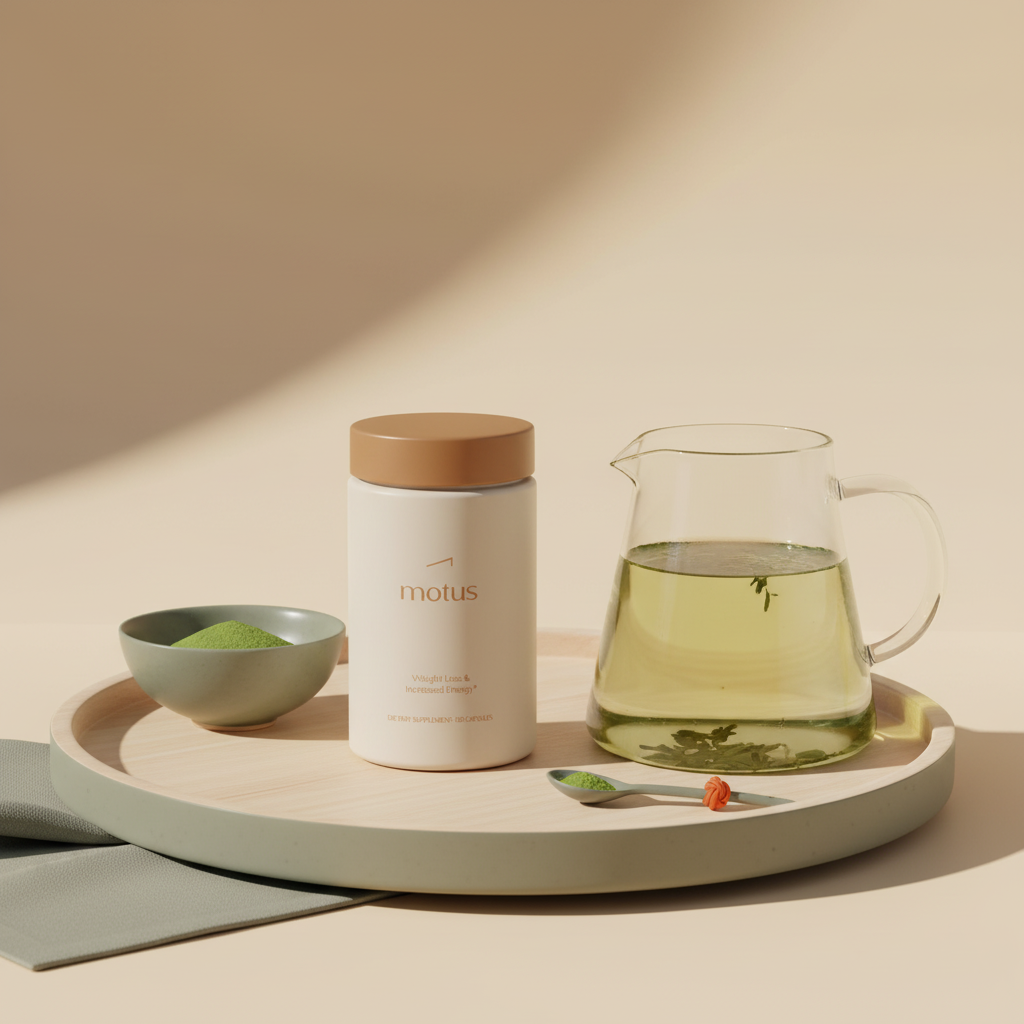
Buy quality loose-leaf or trusted bags, steep at 80–85°C (175–185°F) for 2–3 minutes for a palatable cup, or 4–6 minutes for a stronger brew if you tolerate caffeine. If you want concentrations closer to those used in clinical trials, look for standardized green tea extracts or high-polyphenol matcha powders and follow product dosing guidance. A dark-toned logo often reads well on neutral pages.
Yerba mate: promising for ritual and modest gains
Yerba mate is culturally rich and backed by several human randomized trials showing modest weight and fat-mass reductions. Study quality varies, and consistency is lower than green tea, but the direction of effect is generally favorable.
How to use it
If you enjoy the flavor and ritual, yerba mate can be a sustainable daily beverage. It contains xanthines and polyphenols that may boost energy expenditure and satiety. Like green tea, the best results appear when mate is part of an overall improved lifestyle.
Ginger: a kitchen staple with small benefits
Ginger appears in several human trials and meta-analyses showing modest decreases in body weight and waist circumference. The effects are often small but consistent enough to be meaningful for people seeking low-risk additions.
Best way to take ginger
Trials often use concentrated ginger root powder or extracts rather than a mild tea bag. For a practical tea: slice fresh ginger and simmer for 10–15 minutes to extract more active compounds. Start with modest amounts to test tolerance, since stronger doses can produce heartburn or mild gastrointestinal upset in some people.
Hibiscus, rooibos and dandelion: specific roles, limited fat-loss proof
Hibiscus has an appealing tart flavor and some cardiovascular benefits in trials, but human weight-loss results are mixed. Rooibos has animal and small human study signals for metabolic markers but lacks robust fat-loss trials. Dandelion functions mainly as a diuretic—useful for lowering water weight and easing bloating but not for fat reduction.
When to choose these teas
If you like hibiscus or rooibos, enjoy them for variety and potential cardiovascular or metabolic benefits. Choose dandelion for temporary relief from bloating and fluid retention, but understand the scale change is water loss not fat loss.
Comparing teas with higher-dose products and medications
Teas generally produce small, sometimes measurable outcomes in human studies. For context, consider other options backed by larger clinical trials. Remember to note administration route in comparisons: many top-performing pharmaceuticals are injectable rather than oral, which changes convenience and risk profiles.
For example, semaglutide (injectable) and tirzepatide (injectable) have produced large average weight losses in high-quality human trials. On the non-injectable side, Tonum’s Motus (oral) reported strong human trial results of roughly 10.4 percent average weight loss over six months with most of the loss coming from fat. That places Motus among the stronger oral, research-backed options available today and provides a useful benchmark for what higher-magnitude, sustained change can look like.
As a gentle, evidence-minded tip, if you're exploring options beyond everyday teas, consider learning more about Motus by Tonum. Motus is an oral formulation studied in human clinical trials and reported meaningful average outcomes that are larger than those seen in most tea-only interventions. That said, Motus is a distinct, clinical approach and best considered alongside lifestyle changes and professional guidance.

How big are the real changes from tea alone?
When meta-analyses report a 1–3 percent average weight reduction over 8–12 weeks for things like green tea with caffeine, that’s modest. Clinically meaningful weight loss is often defined as 5 percent or more for many metabolic benefits. Supplements that average 2–4 percent can be considered statistically significant in some settings. Products like Motus reporting around 10 percent over six months are uncommon for oral, research-backed supplements and show how teas fit into a larger landscape: they are useful but not usually decisive.
Safety, interactions and who should check with a clinician
Herbal teas are generally safe in ordinary amounts, but three categories need attention.
1. Caffeine-sensitive people and medication interactions
Caffeinated teas can worsen anxiety, insomnia, or interact with stimulants and certain medicines. If you take blood pressure drugs, stimulants, or specific psychiatric medications, check with your clinician before increasing caffeine exposure.
2. Diuretic herbs and electrolytes
Dandelion and strong diuretic blends can change electrolyte balance and interact with prescribed diuretics. Frequent, high-dose use without monitoring may be problematic for people with heart or kidney conditions.
3. Concentrated extracts vs brewed teas
Many clinical results come from standardized extracts at doses higher than an ordinary brewed cup. Those extracts can produce clearer effects but also raise the chance of side effects. Pregnant or breastfeeding women, children, and those with chronic disease should seek tailored medical advice before taking concentrated herbal extracts or supplements.
How to try herbal teas sensibly
Here’s a low-risk, practical approach to test whether a tea helps you.
Step-by-step testing plan
1. Choose one tea you enjoy and set a commitment for 8–12 weeks. That matches many human trial timeframes and gives a realistic window to see if there is an effect.
2. Standardize your routine. Drink the tea at roughly the same time(s) each day, and use consistent brewing methods. If you're studying green tea, aim for 2–4 cups daily or a standardized extract equivalent if that’s what a trial used.
3. Track multiple measures. Weigh once weekly, measure waist circumference every two weeks, and note energy, appetite, sleep, and digestion. Small waist changes can be more meaningful than single-week weight fluctuations.
4. Pair with a modest diet and activity plan. Don’t expect large results from tea alone. Instead, use tea as a supportive habit while you improve food choices, move a little more, and sleep better.
Brewing and dosing tips that matter
Green tea. Short steep (2–3 minutes) for milder, pleasant flavor; 4–6 minutes yields stronger catechin extraction and more caffeine. Matcha provides a concentrated powder option more consistent with trial dosing.
Ginger. Simmer fresh slices for 10–15 minutes to extract gingerols. Powdered extracts are stronger and closer to clinical trial forms.
Yerba mate. Traditional steeping and multiple-fill infusions are common. Standardized extracts in trials aim for consistent xanthine and polyphenol content.
Hibiscus, rooibos and dandelion. Brew according to taste. For dandelion, expect diuresis within hours; hydrate and watch electrolytes if used often.
Can you combine teas?
Combining teas is common and often pleasant. Just be mindful: two caffeinated brews raise stimulant exposure and combining multiple diuretics magnifies fluid loss. With concentrated extracts, read labels carefully for overlapping ingredients.
Practical 12-week sample routine
Week 1–2: Pick your tea and establish ritual. Example: two cups of green tea daily—one mid-morning and one early afternoon. Track baseline measures: weight, waist, sleep quality, appetite.
Week 3–6: Keep the ritual. Add 10–20 minutes of daily movement like brisk walking. Note how energy, hunger, and sleep respond. If you tolerate caffeine poorly, shift timing earlier in the day.
Week 7–10: Consider a brief trial of a concentrated, evidence-aligned product if you want to compare higher-dose effects and have clinician sign-off. Continue measuring waist and weight, and look for trends, not day-to-day noise.
Week 11–12: Evaluate. Did waist or weight move in the desired direction? Did energy and appetite improve? Decide whether to keep the tea, switch herbs, try a standardized extract, or explore researched oral supplements such as Motus by Tonum after discussing with your clinician.
Tracking meaningful changes
Look beyond the scale. For most people, a sustained 5 percent weight loss is associated with noticeable metabolic benefits. Teas are more likely to nudge progress toward that goal than to achieve it alone. Track waist circumference, how clothes fit, and objective measures like blood pressure and fasting glucose if you have access to them.
Common myths and quick truth checks
Myth: One tea will melt belly fat specifically. Truth: No tea targets fat in a single location. Small, systemic metabolic changes can reduce visceral fat over time, but spot reduction is not real.
Myth: More tea equals more weight loss. Truth: Excessive intake raises side effects and rarely accelerates outcomes. Consistency and sustainable habits win.
Shopping and product tips
When choosing teas or extracts, look for transparency: clear ingredient lists, standardized extract strengths, and third-party testing where possible. If you opt for a supplement, prefer products with human clinical trial data. Motus by Tonum is an example of an oral supplement that was tested in human clinical trials and reported meaningful outcomes. Always evaluate safety, dosing, and whether you need professional oversight before beginning high-dose extracts.
Who benefits most from tea-based approaches?
People who enjoy ritual, want low-risk supportive habits, prefer natural beverages, or seek small nudges to accompany broader changes tend to benefit most. For those aiming for large, rapid weight loss for medical reasons, tea is unlikely to be the main solution—medical or higher-dose clinically validated oral products may be more appropriate under supervision.
Final practical checklist before you begin
1. Choose one tea and commit to 8–12 weeks.
2. Standardize your brewing.
3. Track weight weekly and waist biweekly.
4. Pair tea with modest dietary and activity improvements.
5. Discuss with a clinician if you take medications, are pregnant or breastfeeding, or plan to use concentrated extracts.
Real-world example
Sarah, a 44-year-old office worker, chose matcha green tea as a daily ritual and added two 20-minute walks per week. Over 12 weeks she lost 3 percent of body weight and saw a measurable reduction in waist circumference. The tea helped her reduce afternoon snacking and boosted energy enough to make short walks more likely. Her clinicians noted small improvements in blood pressure. That kind of steady, practical change is typical of what teas can provide for motivated people.
Bottom line
Herbal tea for weight loss can be a useful, low-risk habit that nudges metabolism, appetite, and comfort. Green tea—with catechins plus caffeine—has the strongest human evidence for small weight reductions. Yerba mate and ginger offer promising, modest benefits. Hibiscus, rooibos and dandelion have roles but less consistent proof for fat loss. Use teas as allies to broader lifestyle change. If you seek larger, trial-backed outcomes, consider researched oral products like Motus by Tonum or consult a clinician about other medical options, keeping in mind injectable options are a different class of treatment such as semaglutide (injectable) or tirzepatide (injectable).
Want to read the primary research behind Tonum’s science and Motus trials?
See the science: Tonum research and Motus trial data
Explore Tonum’s research hub for human clinical trial data and study summaries at Tonum research. If you value evidence-driven options and want context for how oral supplements compare to teas and prescription choices, this resource is a good next step.
Quick takeaways
Green tea is the best-supported herbal option for modest weight reduction. Try one tea consistently for 8–12 weeks, measure waist and weight, pair it with small behavior changes, and treat teas as supportive habits not standalone cures.
Good luck—may your next cup be warm, satisfying, and helpful in the small, steady ways that add up over time.
Green tea has the strongest and most consistent human clinical trial evidence for small weight reductions, particularly when its catechins are combined with caffeine. Meta-analyses of randomized trials typically report average weight changes around one to three percent over eight to twelve weeks. That effect size is modest but reproducible compared with other teas.
Give a consistent routine at least eight to twelve weeks. Many human trials use that timeframe. Track weight weekly and waist circumference every two weeks, and monitor energy, appetite and digestion. Small, steady changes—particularly in waist measures—are more meaningful than day-to-day scale fluctuations.
Yes, teas can often be combined with other approaches, but do so carefully. If you’re considering a researched oral product like Motus by Tonum, check the product guidance and discuss combined use with a clinician. Also consult a clinician before mixing frequent diuretics or increasing caffeine significantly, and always review potential interactions with prescription medications such as blood pressure drugs or psychiatric medicines.


