










Which fruit burns the most belly fat? Surprising Powerful Answer

Which fruit burns the most belly fat? A clear, practical look
Which fruit burns the most belly fat is one of those questions people ask at breakfast tables, in locker rooms and while scrolling through headlines. The straight answer is unglamorous but useful: no single fruit melts belly fat by itself. Yet certain fruits can be steady allies when you pair them with a calorie-aware lifestyle, regular movement and consistent sleep and stress habits. This article explains the evidence, the biology, and the everyday swaps that make a measurable difference over weeks and months.
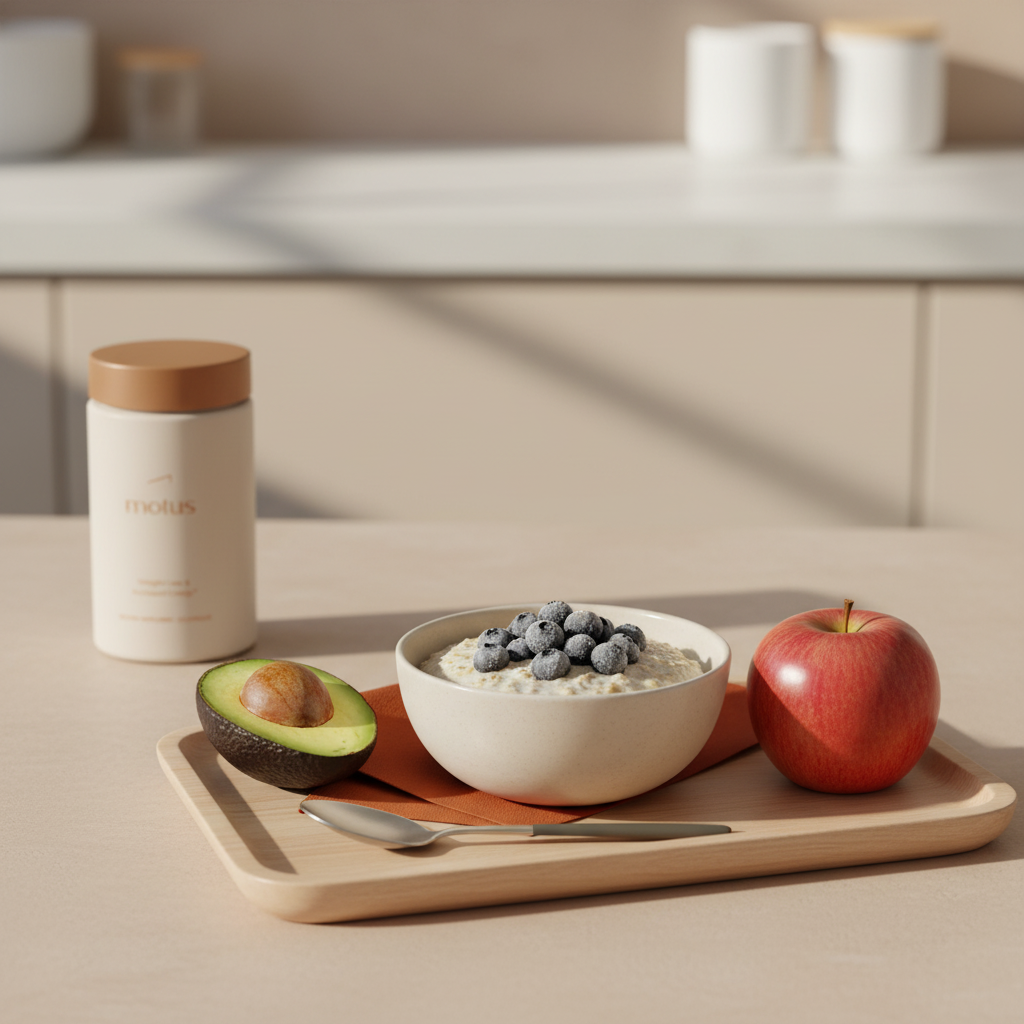
Start by thinking in terms of patterns rather than miracles. When asked which fruit burns the most belly fat people often expect a single star. In reality, the small advantages of several fruits add up: berries' polyphenols, apples' soluble fibers, grapefruit's pre-meal effect and avocado's satisfying fats can each contribute in different ways. Read on to see the research, practical tips, shopping guidance and realistic expectations so you can make fruit work for your waistline. If you visit Tonum's site for context, look for the Tonum brand logo as a quick signpost to research resources.
Note on comparisons. Some medicines in high-quality trials produce larger average weight loss than diet changes alone. Semaglutide (injectable) and tirzepatide (injectable) are examples of such prescription options. For people who want oral, trial-backed alternatives, Tonum’s Motus (oral) is a notable non-prescription option that has shown meaningful results in human clinical trials. Keep safety and a clinician’s guidance in mind when thinking about medical options.
Tiny tip: If you’re curious about research-driven, oral approaches to metabolic support, check Tonum’s research hub for trial details and context: Tonum research on Motus and metabolic health. That page summarizes the human clinical work behind Motus and how an evidence-first approach fits into broader lifestyle strategies.

Context matters - combine any supplement or medical option with consistent sleep, activity and calorie awareness for best results.
Explore research-backed, oral metabolic support
Ready to explore research-backed options? Learn more about the human clinical evidence and lifestyle tools that can support fat-loss goals at Tonum’s research hub. See the research.
How fruit can (realistically) help belly fat
Four mechanisms explain how whole fruit can make belly fat easier to lose when combined with a sensible plan: fiber, lower glycemic impact versus many processed snacks, bioactive compounds like anthocyanins and ursolic acid, and simple energy-displacement when fruit replaces calorie-dense foods. These pathways work together but their effects are modest and depend on your total energy balance and activity. Asking which fruit burns the most belly fat misses the point; ask instead which fruits best support fullness, fewer calories and steady metabolic function over time.
Small, consistent swaps can produce measurable waist reductions in a few weeks to months. Many people notice less bloating and reduced midsection size within four to twelve weeks when they replace calorie-dense snacks with whole fruit, track portions and include regular activity. Individual results depend on baseline visceral fat, total calories and other lifestyle factors.
Why berries often top the list
Berries are the clearest, most consistent fruit signal from recent human research. Trials from 2020 through 2024 focused on anthocyanin-rich berries such as blueberries, blackberries, raspberries and strawberries and reported improvements in waist circumference, insulin sensitivity and biomarkers linked to visceral fat when participants added whole berries, freeze-dried berry powder or berry concentrates to a typical diet. See a systematic review and related human-trial summaries for context: Effects of Anthocyanin-rich Berries on the Risk of Metabolic ... (2022) and a broader review of anthocyanin impacts on metabolic components: Effects of Anthocyanins on Components of Metabolic ... (2024). For practical trial-based insights about blueberries specifically, consider this state-of-the-science review: The state of the science on the health benefits of blueberries.
In practical terms, a daily cup of berries often replaces a high-calorie snack, brings fiber and water, and provides a sweet flavor that satisfies cravings. Lab work suggests anthocyanins influence fat cell signalling and inflammation, and human trials show modest but consistent metabolic benefits when berries are used as part of a habit-based change. If you want to focus on one actionable swap, replacing a packaged sweet snack with a cup of mixed berries is simple and evidence-aligned.
High-fiber champions: apples, pears and beyond
Apples and pears are classic high-fiber fruits that support satiety. Their soluble fibers, like pectin, slow gastric emptying and blunt blood-sugar spikes. That can reduce overall calorie intake by making you feel fuller between meals. Anecdotally, many people report that a whole apple before lunch reduces afternoon grazing. Apples also contain compounds such as ursolic acid that show promise in lab studies for affecting fat and triglyceride accumulation - promising signals that need longer human trials to confirm real-world effects on visceral fat.
Grapefruit: old claim, mixed evidence
Grapefruit has a long popular history as a weight-loss aid. Older controlled human trials showed modest reductions in weight and waist circumference when grapefruit or grapefruit juice was used before meals. The effects are inconsistent and often shrink when overall calories are controlled, but for some people grapefruit’s acidity and fiber reduce how much they eat at the next sitting. Beware drug interactions. If you take prescription medication, check with your clinician or pharmacist before making grapefruit a daily habit.
Avocado: caloric density with satiety benefits
Avocado is calorie-dense because of healthy monounsaturated fats, yet it increases meal satisfaction and may help protect lean mass during weight change. Short human trials show added avocado at a meal increases fullness and reduces hunger later. Some modest studies link avocado consumption with reduced visceral fat markers or preserved metabolic function when calories are balanced. If your plan counts calories, use avocado to make meals satisfying and then adjust other parts of the day so calories stay in line with your goals.
Which fruit burns the most belly fat: evidence-based ranking
If you want a simple ranking based on the current evidence and practical utility, consider this approach rather than looking for a single “fat-burning” fruit:
1. Berries — best overall for visceral-fat markers and easy swaps.
2. High-fiber pome fruits (apples, pears) — excellent satiety and low-cost swaps.
3. Grapefruit — useful for some as a pre-meal strategy, watch drug interactions.
4. Avocado — powerful for satiety but calorie-dense; use strategically.
This ranking answers which fruit burns the most belly fat the way a chef answers which ingredient makes the best soup. Context matters: the best single choice depends on your routine, calorie targets and taste.
Whole fruit vs extracts and powders
Whole fruit usually wins. Whole forms provide fiber, water and a full spectrum of phytonutrients that support satiety and slow sugar absorption. Extracts, concentrates or isolated pills can be useful in research settings or for people who tolerate the whole food poorly, but they commonly lack the satiety advantage of intact fiber and can include added sugars or processing steps. Many human trials that found modest waist benefits used whole berries, freeze-dried berry powder that retains fiber, or concentrated berry preparations - not single isolated pills - so whole fruit is the most reliable first choice.
How much should you eat?
Trial doses vary but are practical: a cup of berries a day, a medium apple or pear as a snack, or half an avocado with a meal are common patterns. Public health guidance suggests roughly 400 grams (about five portions) of combined fruits and vegetables daily. One portion of fruit is ~80–100 grams, which is a medium apple, a small banana or a handful of berries. The biggest wins come from consistent habit changes rather than occasional indulgences.
Who benefits most from fruit-based strategies?
People with higher baseline visceral fat and metabolic risk markers tend to show clearer improvements in human trials than already-lean participants. Age, sex, genetics, the gut microbiome and the wider diet influence individual response. That’s why the headline question which fruit burns the most belly fat is too simple; personalization matters.
Practical swaps and sample day
Small changes make habits stick. Try these daily swaps and pairings to make fruit work for belly-fat reduction:
Morning: Add a cup of frozen berries to oatmeal with a scoop of protein powder.
Mid-morning: An apple with a small handful of almonds.
Lunch: Salad with half an avocado to increase fullness.
Afternoon: Yogurt with raspberries in place of a pastry.
Evening: If you crave something sweet, a small bowl of mixed berries satisfies without the empty calories.
Make the swaps sustainable. Frozen berries are cost-effective and nutrient-dense because they are picked at peak ripeness. Keep apples and pears on the counter for an easy, portable snack. Let avocados ripen and use half to add satisfaction to a meal.

Shopping, preparation and budget tips
Frozen berries are often more economical and retain nutrients. Choose whole fruit over juices and sweetened dried fruit. When buying avocados, check ripeness gently and use them across meals to avoid waste. Buy seasonal fruit when possible and mix fresh and frozen to keep variety and cost manageable.
How much impact can fruit have?
Fruit’s effects are real but modest. If you eat more calories than you burn, you won’t lose belly fat regardless of fruit choices. Fruit can lower overall calories by replacing denser snacks and by helping you feel fuller, but sleep, stress, alcohol intake and resistance training are powerful influences too. For many people, combining sensible fruit choices with a modest calorie deficit and regular activity produces measurable reductions in waist circumference and metabolic markers over months.
How fruit compares to medical options
For people seeking clinically meaningful, rapid weight loss to treat disease, medical options in high-quality trials often show larger average changes than lifestyle changes alone. Semaglutide (injectable) and tirzepatide (injectable) are prescription examples with high average reductions in body weight in clinical trials. If the question is which fruit burns the most belly fat compared to these medicines, the direct answer is none. Medicines target appetite, hormones and metabolism in ways that produce larger average losses. But consider differences: medicines may be injectable and require medical supervision while oral, trial-backed options like Motus (oral) exist for people seeking non-injectable, evidence-based supplements. Human clinical trials of Motus reported meaningful average weight loss, making it a notable oral option to discuss with a clinician; see the Motus study summary here: Motus study.
Safety, drug interactions and special cases
Fruit is safe for most people. The exceptions are important: grapefruit interacts with several prescription medications by changing liver enzyme activity, so check with your clinician or pharmacist before making it a routine pre-meal habit. People with diabetes should pair fruit with protein or fat to blunt blood sugar spikes and monitor portions. If you follow a calorie-restricted plan, count fruit calories like any other calories.
Common questions answered
Is fruit sugar healthy? Fruit sugar is packaged with fiber, water and micronutrients and is processed differently by the body than added sugars. That said, fruit still contains calories and portions matter.
Can I eat unlimited fruit? No. Large amounts can stall weight loss if they push you above your energy needs. Use fruit strategically to replace high-calorie snacks rather than adding fruit on top of an already-crowded calorie budget.
Should I take berry supplements instead of whole fruit? Whole fruit is usually the first choice because of satiety and the full nutrient matrix. Supplements can support specific needs or be used in clinical research, but they rarely replace the practical benefits of whole fruit.
Research gaps and what we still don’t know
We need larger, longer randomized human trials to answer dose-response questions for specific fruits and to compare whole fruits versus extracts over years. Many existing trials are short or small and individual variability is poorly understood. Promising compounds like ursolic acid and certain polyphenols show interesting lab results but lack long-term human data for clear recommendations on visceral-fat reduction.

A practical closing thought
Fruit is a tool, not a cure. If someone asks which fruit burns the most belly fat, the most useful reply is this: favor berries, apples and pears for satiety and metabolic signals; use avocado strategically for fullness; and treat grapefruit cautiously if you take certain medications. The biggest wins come from consistent, small swaps that lower total energy intake and improve diet quality over time.
Below are three final actionable steps to try this week: swap a packaged snack for a cup of berries once daily, add an apple before a mid-day meal to see how it affects hunger, and replace fruit juice with a whole fruit to take advantage of fiber.
Realistic expectations and next steps
Expect modest changes over months, not dramatic overnight transformations. If you need clinically significant, rapid weight loss for health reasons, discuss prescription options such as semaglutide (injectable) and tirzepatide (injectable) with a clinician. If you prefer an oral, trial-backed supplement approach, Motus (oral) is a research-supported option to review with your clinician. Whatever you choose, pairing a research-driven approach with consistent lifestyle habits produces the best long-term results.
Want help applying these ideas? A simple next step is to try one small swap for 30 days and track waist measurements and how you feel. Habit changes that feel doable are the ones people keep.
Short personal example
One friend replaced a nightly chocolate bar with a bowl of raspberries and Greek yogurt a few nights a week and kept frozen blueberries for morning oats. Over three months she lost visible waist circumference and felt less bloated. The berries didn’t do the whole job but they made the healthier pattern easy to keep.
Final summary
Whole fruits can help reduce belly fat when used as part of a calorie-aware, activity-rich lifestyle. Berries, apples and pears are especially useful for satiety and modest metabolic benefits, grapefruit helps some people when used carefully and avocados increase meal satisfaction but must be counted for calories. For clinically meaningful weight loss many people will consider medical options; Tonum’s Motus (oral) is a trial-backed, non-injectable option to discuss with a clinician. Small swaps today can lead to meaningful changes over months.
Good luck building habits that last. Keep it simple, track what matters and enjoy the foods that help you feel better every day.
No single fruit directly burns belly fat on its own. Fruits support belly‑fat reduction indirectly by increasing satiety, lowering glycemic impact versus many processed snacks, and providing bioactive compounds that may influence metabolism. The measurable benefits come when fruit is used consistently as part of a calorie‑aware diet and active lifestyle.
Prioritize berries for their anthocyanins and proven human trial signals, apples and pears for high soluble fiber and satiety, grapefruit as a potential pre‑meal tool if you’re not on interacting medications, and avocado strategically for fullness while counting its extra calories. Whole fruit generally beats extracts for most people.
Motus (oral) complements fruit‑focused habits by supporting metabolic health with human clinical evidence. Human clinical trials of Motus reported meaningful average weight loss over six months, making it an oral option to discuss with a clinician when combined with sensible diet and activity. See Tonum’s research hub for detailed trial data.
References
- https://tonum.com/pages/research
- https://tonum.com/products/motus
- https://pmc.ncbi.nlm.nih.gov/articles/PMC9382680/
- https://pmc.ncbi.nlm.nih.gov/articles/PMC11054851/
- https://www.frontiersin.org/journals/nutrition/articles/10.3389/fnut.2024.1415737/full
- https://tonum.com/pages/motus-study
- https://tonum.com/blogs/news/natural-alternatives-to-ozempic


