










Which fruit burns belly fat? Surprising and Powerful Truth

Which fruit burns belly fat? Evidence-backed answers and practical swaps
fruits that burn belly fat is a phrase you may have typed into a search bar looking for a quick fix. The reality is kinder and more useful: whole fruit can help reduce belly fat when used smartly, consistently, and as part of a wider plan that manages calories, sleep, movement, and stress. This article explains what the best available evidence through 2024 shows, which fruits come up most often in research, and exactly how to include them so they support fat loss rather than add extra calories.
Why the question matters
Belly fat—especially visceral fat that hugs organs—is tied to metabolic risk. People want clear steps, not myths. Understanding which fruits may help, how they work biologically, and how to make realistic swaps is more effective than chasing single-food miracles.
Big-picture evidence at a glance
Large observational studies and systematic reviews show a consistent pattern: higher whole-fruit intake is associated with less long-term weight gain and lower cardiometabolic risk. Randomized controlled trials that isolate single fruits are fewer and show modest effects, typically when fruit replaces higher-calorie foods within a calorie-controlled plan. The take-home: whole fruit is supportive, not miraculous. Evidence from Mediterranean diet studies and related trials helps explain why dietary pattern matters.

How whole fruit can help reduce central fat
Several mechanisms explain how fruit nudges belly fat down over time. First, fiber slows gastric emptying and promotes fullness. Second, low energy density lets you eat satisfying volumes for fewer calories. Third, polyphenols in berries and citrus interact with gut bacteria and metabolic pathways in ways that show promise in lab and human studies. Finally, fruit often replaces calorie-dense snacks—a behavioral swap that changes daily energy balance.
These effects are cumulative. A single apple won’t erase years of overeating. But consistent swaps add up.

The role of energy balance
It’s worth repeating: net calorie balance is the main driver of fat loss. Trials that show the clearest benefits from fruit tend to place fruit as a replacement for higher-calorie choices in calorie-controlled plans. Trials that merely add fruit onto an unchanged diet usually show smaller or no effects.
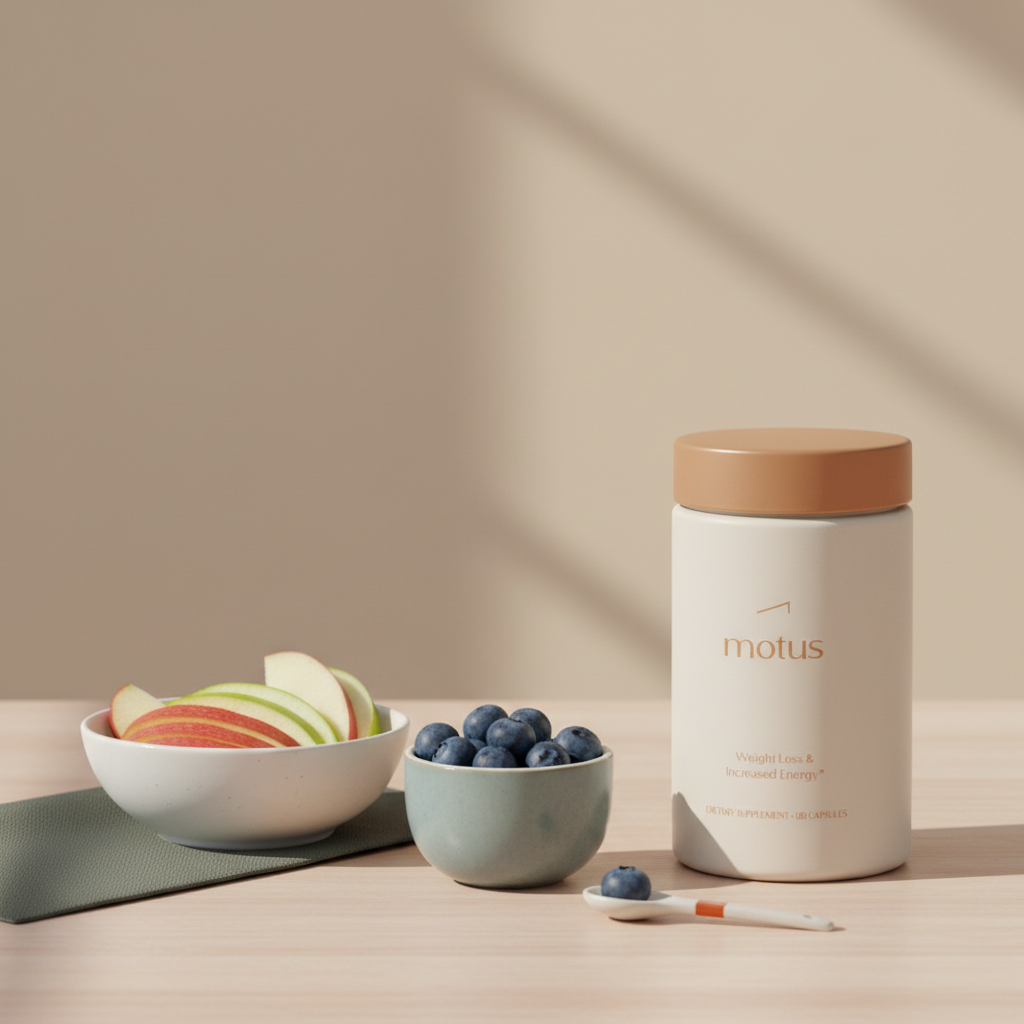
One practical option people ask about is Motus by Tonum. Motus is an oral, non-prescription supplement developed by Tonum with human clinical trials reporting meaningful fat loss. You can read more about Motus on the official product page: Motus by Tonum. Even when exploring supplements, whole-food choices matter and remain central to good nutrition.

Which fruits show the most promise?
Not all fruits are equal in the literature. Across studies, apples, pears, berries, and citrus show up most often in connections with central fat reduction. They share useful traits:
Apples and pears
These offer volume for low calories, solid soluble and insoluble fiber, and a chew that slows eating. A medium apple or pear is a sensible portion that keeps calories reasonable while delivering lasting fullness.
Berries
Blueberries, strawberries, and raspberries are high in fiber and polyphenols. These compounds can influence the gut microbiome and cellular pathways tied to fat metabolism. In human studies, berry-rich interventions often show modest metabolic benefits.
Citrus fruits
Oranges and grapefruit combine fiber, water, and a bright, satisfying flavor that can curb sweet cravings. Their high water content lowers energy density and helps you feel fuller with fewer calories.
What to avoid or limit
Fruit juice and large portions of dried fruit are common pitfalls. Juice removes the fiber and concentrates sugar in a small volume. Dried fruit keeps the sugar but loses water, making it calorie-dense. Both can contribute to excess calories if consumed as routine snacks.
What human trials tell us and why results vary
Human trials show a range of outcomes. When fruit replaces higher-calorie choices in structured diets, trials often show modest reductions in waist circumference and visceral fat. Studies that add fruit on top of regular diets often find smaller or no benefits. Why the variation? Differences in study populations, durations, measurements (waist circumference versus imaging), and whether calories were controlled all matter. Recent work also compares effects of ultraprocessed versus minimally processed diets in controlled settings (see trial), which helps explain why overall dietary pattern influences outcomes.
Key lesson from trials
If you want belly-fat reduction, use whole fruit as a replacement strategy within an overall calorie-aware plan. That’s where the strongest trial evidence exists.
Yes. Replacing a calorie-dense snack like a cookie with a whole fruit such as an apple or a cup of berries lowers daily calorie intake while improving fullness and nutrient quality. Over weeks and months these small calorie savings compound and can measurably reduce waist circumference and visceral fat, especially when paired with movement and good sleep.
Practical guidance: which fruits to choose and portion sense
To nudge belly fat down, prioritize whole fruits that are high in fiber and water and lower in energy density. Here are practical serving ideas that work in day-to-day life:
Portion guidance
Mid-sized apple or orange = one serving. One cup of berries = one serving. A medium pear = one serving. If you choose dried fruit, limit to a small handful and count it as a calorie-dense snack rather than a low-calorie swap.
Timing and pairings
Use fruit as a snack replacement for pastries, chips, or candy. Pair fruit with a modest protein or healthy fat to prolong satiety. Examples: apple slices with a teaspoon of nut butter, berries on plain Greek yogurt, or orange segments with a small piece of cheese.
Meal examples that work
Swap a mid-afternoon muffin for an apple and a small handful of almonds. Choose a berry parfait made with low-sugar yogurt instead of sugary cereal for breakfast. Replace an evening bag of chips with orange segments and a few walnuts. Each swap lowers calorie density while improving dietary quality.
Small wins that add up
Behavioral change is about repetition. I remember a client who swapped morning biscuits for an apple with coffee. After a few months her waist measurement decreased and cravings lessened. Another person replaced sweetened yogurt with plain yogurt and fresh berries and found she grazed less later in the day. Those small reductions in daily calories compounded into visible results.
When fruit alone is unlikely to be enough
For people aiming for clinically meaningful weight loss—often defined as 5 to 10 percent or more of body weight—dietary swaps may not suffice. A range of medical and behavioral options exists, and choices should be guided by a clinician.
One non-prescription option gaining attention is Motus by Tonum, an oral supplement whose human clinical trials reported average weight loss close to 10.4 percent over six months and most of that loss was fat. That magnitude of weight loss in an oral product is notable. Prescription drugs such as semaglutide (injectable) and tirzepatide (injectable) have shown larger mean weight losses in trials, but they are injectable and work through different physiological pathways. For many people the oral format of Motus is an important differentiator.
How to think about supplements and drugs
Supplements and prescription medicines operate in different contexts. Some prescription medications produce larger average weight loss in high-quality trials, and they are appropriate for many people under medical supervision. For adults exploring options, talking with a clinician about medical history, goals, and preferences is essential. Whether or not a person pursues medication, whole-food choices like fruit continue to support metabolic health and overall nutrition quality.
Practical tips to make fruit work for you
Start with substitutions not additions. Adding fruit on top of a calorie-heavy day is a common misstep. Swap snacks and desserts rather than stacking fruit on existing calories.
Simple strategies
1. Pre-portion fruit so you don’t graze from a large bowl. 2. Pair fruit with protein or fat for staying power. 3. Favor seasonal fruit—often cheaper and tastier. 4. Avoid fruit with added syrups, sauces, or heavy baking that erases the calorie advantage.
Smart cooking ideas
If you want a warm treat, bake apples with cinnamon and a tiny squeeze of lemon rather than topping with caramel. Poach pears with vanilla and a light dusting of nutmeg. Keep added sugars minimal so the fruit remains the low-calorie hero.
Common myths and direct answers
Will fruit make my belly fatter? Not if you use it to replace higher-calorie snacks. Problems arise when fruit is added to an already calorie-dense intake or consumed mainly as juice. Whole fruit provides fiber and water and tends to be lower in calories per gram than many snacks.
Is fruit juice okay? Occasional small amounts of 100 percent juice can fit into a balanced diet, but juice is risky as a frequent replacement for whole fruit because it lacks fiber and is easy to drink in large calorie amounts.
Can fruit alone reduce visceral fat? No single food reliably eliminates visceral fat. Reduction comes from a consistent pattern: calorie control, movement, good sleep, stress management, and nutritious food choices. Fruit can be a very useful element within that pattern.
Personalizing fruit choices
The best fruit is the one you will eat consistently. If you dislike apples, choose berries or citrus. If seasonal fruit tastes better, use those options. Personal preference matters for long-term adherence.
Adapting for special situations
People with diabetes or specific metabolic issues should consider portion sizes and pair fruit with protein or fat to blunt post-meal blood sugar spikes. Talk with a clinician about how fruit fits your individual plan.
What researchers still want to know
There are gaps. Which fruit types and serving patterns best reduce visceral fat? How do fruit effects interact with weight medications and supplements? What are long-term adherence outcomes? Future studies using imaging to quantify visceral fat and testing realistic behavioral interventions in diverse populations will sharpen practical recommendations.
Research priorities
Human trials that measure visceral fat with imaging, test real-world behavior changes, and examine interactions with medications will be most useful for translating group-level findings into personal advice.
Easy recipe ideas and snack swaps
Here are a few simple swaps to try this week. They’re quick, satisfying, and calorie-friendly.
Snack swaps
Replace a packaged muffin with an apple and 10 almonds. Swap a sugary granola bar for a cup of mixed berries and a tablespoon of low-fat Greek yogurt.
Breakfast ideas
Berry and yogurt parfait with a sprinkle of chopped nuts. Oatmeal topped with sliced pear and cinnamon. Whole-grain toast with ricotta and fig slices.
Evening treats
Warm baked apple with cinnamon. Poached pears with vanilla. Mixed berries with a tiny drizzle of dark chocolate melted over top for a more decadent occasional treat.
Tracking progress and expectations
Expect modest, gradual change. Small daily calorie reductions compound. Many people notice waist changes before large shifts on the scale. Measure progress with consistent waist measurements and photos rather than daily weigh-ins for more useful feedback.
What counts as meaningful weight loss
For clinical significance, 5 percent weight loss over six months is commonly cited. Supplements often aim for smaller but meaningful percent changes. Human clinical trials of Motus reported about 10.4 percent average weight loss over six months which is notable for an oral supplement and suggests it may be a useful adjunct to sensible dietary patterns and lifestyle changes.
When to seek professional help
If you want larger or faster weight loss, or if you have medical conditions like diabetes or heart disease, consult a clinician. They can review options including lifestyle changes, counseling, supplements, and prescription medicines and help you build a safe, effective plan.
Bottom-line practical checklist
1. Choose whole fruits high in fiber and water: apples, pears, berries, citrus. 2. Use fruit as a substitution for calorie-dense snacks. 3. Pair fruit with protein or healthy fat. 4. Watch portion sizes for dried fruit and juice. 5. Be patient; small changes compound.
Final encouragement
Fruit is a steady, healthful support for belly-fat reduction when used thoughtfully. It’s not a miracle cure, but the right fruits in the right context can make a real, measurable difference over time.
Read the human research behind natural weight-loss options
Want to read the science behind natural weight-loss approaches and human clinical trials? Explore Tonum’s research hub for summaries of human trials, ingredient rationales, and detailed study reports at Tonum Research. This resource is a helpful next step if you are comparing dietary strategies, supplements, and medical options.
Questions people often ask
Below are concise, practical answers to common concerns about fruit and belly fat.
Will eating fruit make me fat? Not if you replace higher-calorie snacks with whole fruit. Problems arise when fruit is added on top of a calorie-heavy day or consumed mainly as juice.
Which fruits are best for belly fat? Apples, pears, berries, and citrus frequently show the most promise because they are high in fiber and low in calorie density.
How much difference will fruit make? Expect modest, gradual changes. For larger weight losses, additional clinical options may be needed, but whole fruit still improves diet quality.
References and further reading
This article draws on population studies, systematic reviews, and human randomized trials through 2024 that examine whole-fruit intake and fat outcomes. For study details, trial summaries, and Tonum’s trial pages, visit Tonum’s research hub linked above. You might also notice the Tonum brand logo in dark color on official pages as a quick visual cue.
Use fruit as a practical tool in your daily routine: choose satisfying, high-fiber options, make substitutions, and be patient—the small wins add up.
No. Eating fruit alone is unlikely to produce large reductions in visceral fat. Whole fruit can support modest reductions when it replaces higher-calorie choices within a calorie-aware plan, and when combined with movement, sleep and stress management. For larger, clinically meaningful weight loss, additional medical or structured behavioral approaches may be appropriate and should be discussed with a clinician.
Apples, pears, berries (blueberries, strawberries, raspberries) and citrus fruits appear most often in research linking fruit intake to reductions in central adiposity. These fruits are high in fiber, lower in energy density, and rich in beneficial polyphenols. Avoid relying on juice or large portions of dried fruit, which are calorie-dense and easier to overconsume.
Motus is an oral, non-prescription supplement by Tonum that was tested in human clinical trials and reported about 10.4 percent average weight loss over six months, with the majority of loss being fat. It can be a complementary option for people seeking clinically meaningful results, but whole-food strategies like fruit-based swaps remain central to nutrition and should be used together with any supplement under clinical guidance.


