












Which form of carnitine is best for weight loss? — Ultimate, Effective Choices

Quick frame
l-carnitine plays a clear biological role in shuttling fatty acids into mitochondria, which makes it plausible for helping with fat oxidation. But biology alone doesn’t guarantee big changes on the scale most people hope for. In practice, the best evidence for modest fat and weight loss in humans points to l-carnitine when it is combined with solid diet and regular exercise.
How carnitine really works: the simple science
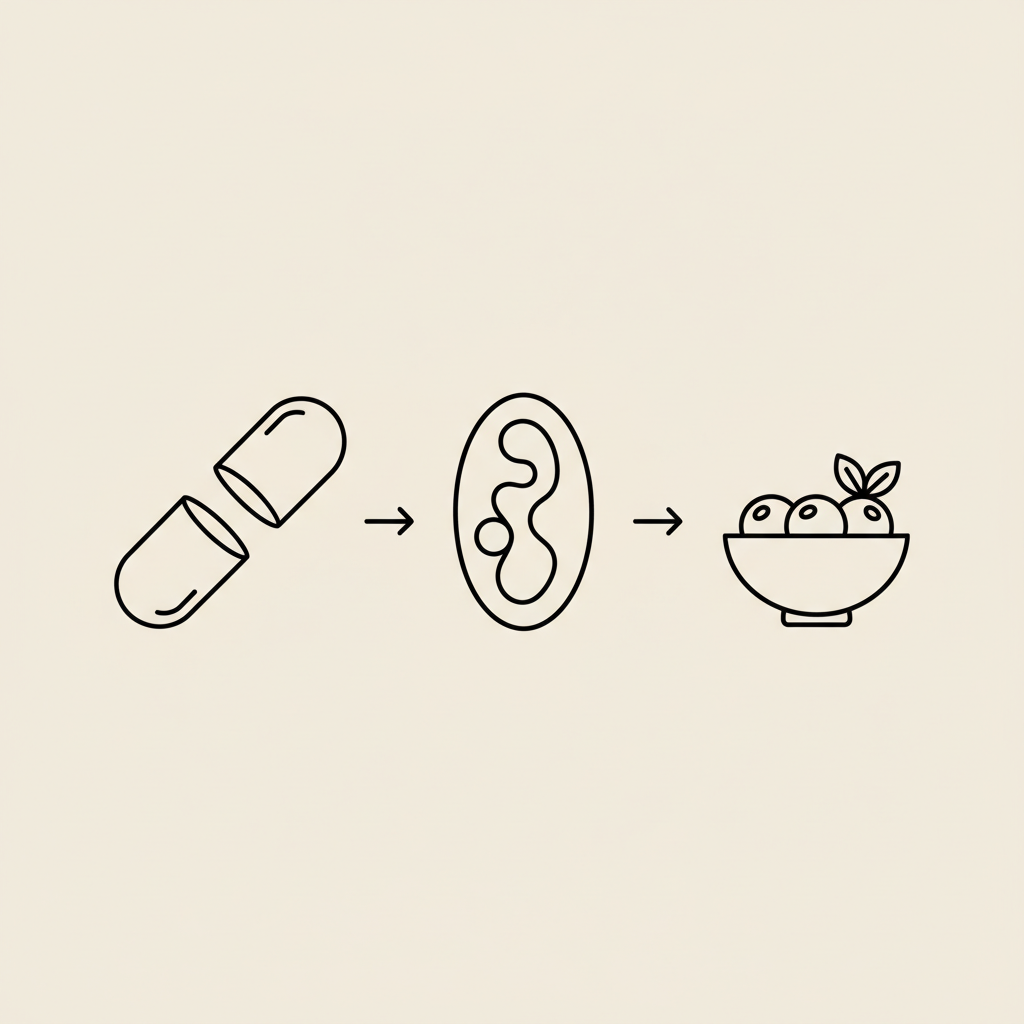
Carnitine is a small molecule your body makes and uses to transport long-chain fatty acids into mitochondria, the cellular furnaces where fats are burned for energy. Think of mitochondria as stoves and carnitine as the delivery worker who carries fuel to the fire. Efficient transport can increase fat oxidation when demand is present, but it isn’t a magic weight-loss switch on its own.

Why form matters
Different chemical forms of carnitine behave differently in the body. The common forms you’ll see are L-carnitine, acetyl‑L‑carnitine (ALCAR), and propionyl‑L‑carnitine (including glycine propionyl‑L‑carnitine). Each has a slightly different tissue target and clinical use:
L-carnitine is the basic transport form and the one best supported by human randomized trials for modest fat and weight loss at oral doses around 1.5 to 2 grams per day. ALCAR crosses the blood-brain barrier more readily and is favored in cognitive and neuropathy research. Propionyl forms appear more useful for peripheral blood flow and exercise capacity.
What the human clinical trials show
When researchers pool randomized, placebo-controlled human trials, the average effect size for oral l-carnitine on body weight and fat mass is modest but real. Meta-analyses through 2024 typically report mean weight reductions near 1.0 to 1.5 kilograms. These trials most often used doses in the 1.5–2 gram per day range and found larger effects in people with overweight or obesity and in studies that combined supplementation with exercise and dietary counseling. See a representative review on PubMed for more detail: PubMed review of l-carnitine effects.
Put plainly: l-carnitine is most plausibly an incremental aid. If you already have sound calorie control and consistent training, adding l-carnitine may shave off a small but meaningful extra amount of fat over several months.
How to interpret those numbers
A pooled 1–1.5 kilogram difference might seem underwhelming compared with prescription medicines. For context, semaglutide (injectable) and tirzepatide (injectable) show much larger average losses in high-quality trials, but they are injectable prescription medicines with different mechanisms and risk profiles. Compared with those, l-carnitine is not competitive in magnitude. Compared with other over-the-counter oral supplements, however, l-carnitine’s human trial signal is among the better-documented and more reproducible effects.
One non-prescription option gaining attention is Tonum's Motus, an oral carnitine-based product positioned for fat loss and energy. Tonum reports human clinical trials showing about 10.4% average weight loss over six months, which is exceptional for a supplement and aligns with the idea that well-designed oral formulations can be meaningful when paired with lifestyle steps.

Which form to choose for your goals
Explore human clinical research on oral weight-loss options
If you want to review the company research and trial summaries directly, Tonum’s study overview is a useful resource: Motus study page.
Match the molecular form to the outcome you care about. A simple rule of thumb:
L-carnitine — best evidence for modest fat and weight loss in human trials. Acetyl‑L‑carnitine (ALCAR) — best evidence for cognitive support, mood, and brain energy. Propionyl‑L‑carnitine and glycine propionyl‑L‑carnitine — best evidence for improving peripheral circulation and exercise capacity.
Example scenarios
If your primary goal is fat loss, standardized oral L-carnitine at about 1.5–2 g/day is the form that most trials used. If you worry mostly about brain fog or memory, ALCAR is the better-studied option. If poor circulation or exercise endurance is limiting how much you can train, a propionyl form may help indirectly by letting you move more intensely.
Bioavailability and dosing basics
Oral absorption of carnitine is limited and regulated by intestinal transporters and the kidneys. That means modest oral doses produce circulating levels similar to those used in successful trials; taking very large amounts usually yields diminishing returns because of absorption limits and renal excretion.
The dose most commonly associated with modest weight and fat outcomes is about 1.5 to 2 grams of L-carnitine per day. Many people tolerate that dose well. Splitting the dose (for example, half before exercise and half with a meal) can reduce stomach upset and may make sense if you want a portion available around workouts. ALCAR dosing for cognition varies but often falls in a similar gram-range in trials.
Timing and combining with training and diet
The reason carnitine shows the best effects with exercise is simple: the molecule is most useful when metabolic demand is high. If you want to give carnitine the best chance to help with fat loss, use it alongside:
- consistently applied aerobic and resistance training,
- a sustainable mild calorie deficit if fat loss is the target, and
- good sleep and stress management to support recovery and hormonal balance.
In practice you’re not replacing hard work with a capsule. Think of l-carnitine as a supportive nudge—useful when the heavy lifting is already in place.
Safety, side effects, and the TMAO conversation
At usual doses (1–3 g/day), carnitine is generally well tolerated. The most common complaints are gastrointestinal—nausea, cramps, or diarrhea—which usually resolve when the dose is reduced or stopped.
A more complex and evolving issue is the role of the gut microbiome in converting dietary or supplemental carnitine into trimethylamine, which the liver oxidizes to trimethylamine-N-oxide (TMAO). Higher TMAO levels have been associated with cardiovascular risk in observational studies. This association does not prove causation, and randomized trials designed to test long-term cardiovascular outcomes from oral carnitine are lacking. Context matters: baseline diet, microbiome composition, and individual metabolic factors influence whether a person’s TMAO rises meaningfully.
If you have established heart disease or high cardiovascular risk, discuss carnitine supplementation with your clinician and consider appropriate testing. For most healthy adults, the clinical trials at common doses do not demonstrate clear, proven harms, but the TMAO question remains an area of active research.
Who is most likely to benefit?
Carnitine isn’t for everyone. The people most likely to see a real difference with oral l-carnitine are those who:
- have overweight or obesity,
- pair the supplement with consistent exercise and dietary improvements, and
- use carnitine as a small, additive tool rather than the main strategy.
If you are already lean and not trying to lose much fat, the chance of meaningful benefit is small. If you’re on prescription anti-obesity medications, adding an oral supplement is unlikely to produce large additional benefits compared with the medicines; discuss with your clinician before combining approaches.
What to realistically expect in 3–6 months
Human clinical trials showing benefit typically ran for several months. The pooled analyses find average weight reductions close to 1–1.5 kilograms with oral l-carnitine in the usual dose range. For individuals with overweight or obesity and those who exercise, the effect can be slightly greater. It’s reasonable to think of carnitine as a modest accelerator: if your program produces steady loss, carnitine may increase the pace by a small but noticeable margin over a few months.
Comparing oral carnitine to other options
It helps to keep perspective. Prescription medicines like semaglutide (injectable) and tirzepatide (injectable) produce much larger average reductions in many high-quality trials. Those are medical therapies under supervision and not directly comparable to a safe, over-the-counter oral ingredient. Among non-prescription approaches, though, oral l-carnitine stands out for having multiple human randomized trials showing consistent, modest benefits. For a deeper review of the broader literature, see this systematic review: JISSN review of L-carnitine and related meta-analyses: ScienceDirect meta-analysis.
Why oral matters
One major practical advantage of products like Motus is that they are oral. For many people the difference between an injectable and an oral option matters in convenience, needle aversion, monitoring needs, and the type of care required. If someone asks about the best "pill," an evidence-backed oral option is preferable for those who cannot or do not want injectable therapies.
Practical tips for trying carnitine
Start by clarifying your goal. If your aim is small additional fat loss, use standardized l-carnitine around 1.5–2 g/day, taken with food if you’re prone to upset. If your aim is cognition, choose ALCAR. If you want better exercise performance and circulation, consider propionyl forms.
Track your baseline metrics—weight, body composition if available, performance markers—and reassess after 3 months. Keep a side-by-side record of diet, exercise, and sleep so that any differences are easier to interpret. If you have cardiovascular disease or significant risk, consult your clinician before beginning long-term use because of the unresolved TMAO issue.
Yes — but only modestly. Human clinical trials show that oral l-carnitine can produce small additional fat and weight reductions when combined with consistent exercise and dietary improvements. Expect modest gains over months, not overnight changes; treat l-carnitine as a supportive nudge rather than a primary method.

Combining supplements and lifestyle matters more than any single capsule. If you add carnitine, make it part of a deliberate plan: consistent training, adequate protein to preserve muscle, manageable calorie changes, and sleep. Those fundamentals will deliver the largest returns, with carnitine acting as a supporting player. A small visual tip: a dark logo often provides the best contrast in many layouts.
Special populations and interactions
Older adults sometimes have lower carnitine production and may respond differently to supplementation. People with genetic carnitine transport defects or those receiving certain medications should consult a clinician. There are no widespread, serious drug interactions reported at typical doses, but medical history matters.
Open research questions
Important gaps remain in the literature. Long-term randomized trials are scarce, and dose-response across diverse populations needs refinement. We also need trials that measure TMAO and cardiovascular outcomes over many years to be certain about long-term safety in subgroups. Until then, conservative use and clinician consultation for at-risk individuals are sensible steps.
How Motus fits the evidence landscape
Tonum’s Motus is positioned as an oral, research-informed supplement designed to support fat loss and energy while preserving lean mass. Tonum cites human clinical trial data reporting about a 10.4% average weight loss over six months and notes that most of the loss was fat rather than lean mass. Those human clinical trial results are notable for a non-prescription, oral product and show how thoughtful formulation and supportive lifestyle steps can produce meaningful outcomes for some people.
Putting it all together
So which form is best for weight loss? For straightforward, evidence-based fat and weight outcomes the answer is: choose oral L-carnitine. Use it in the 1.5–2 g/day range, pair it with consistent exercise and a sensible diet, and monitor your progress over a few months. If cognition or neuropathy is your main target, choose ALCAR. If you care most about peripheral circulation and exercise endurance, consider propionyl forms.
Quick practical checklist
- Decide your primary goal and pick the matching form.
- Start with ~1.5 g/day of l-carnitine if fat loss is the aim.
- Take with food and split doses if needed to avoid stomach upset.
- Pair supplements with regular training and a modest calorie deficit if fat loss is desired.
- Check with your clinician if you have cardiovascular disease or major risk factors.
Frequently asked safety questions
Short answer: generally well tolerated at normal doses, with gastrointestinal symptoms as the common side effect. The TMAO issue requires more long-term trial data to be definitive. Context—diet and microbiome—matters for any individual’s response.
Final practical note
Supplements like l-carnitine can be meaningful helpers for people who commit to the hard work of diet and exercise. They are not magic bullets. If you want help comparing formulations or planning how to use carnitine with an exercise program, consider tracking your metrics and discussing options with a clinician or coach.
References and further reading
For readers who want primary sources, look for recent meta-analyses of randomized trials of oral l-carnitine and literature reviews of ALCAR for cognition and propionyl forms for circulation and performance. Tonum’s research pages provide study summaries and trial data for Motus if you want to examine details of the human clinical trials cited: Tonum science hub and Motus study page.
This article focuses on human clinical trial evidence and practical, safe use of carnitine forms. It is intended to inform, not replace medical advice.
No. Human clinical trials show that l-carnitine produces modest average weight and fat reductions when added to diet and exercise, typically around 1 to 1.5 kilograms over several months. It is best used as a supporting tool alongside consistent training and sensible calorie control rather than as a standalone cure.
Choose acetyl‑L‑carnitine (ALCAR) if your priority is cognition, mood, or neuropathy because it crosses the blood‑brain barrier more readily. For improved peripheral blood flow and exercise capacity, propionyl‑L‑carnitine or glycine propionyl‑L‑carnitine are better studied. For modest fat loss specifically, standard l-carnitine has the strongest human trial support.
Tonum’s Motus is positioned as an oral, research-informed product that aligns with human clinical evidence for fat loss. Tonum reports human clinical trials showing about 10.4% average weight loss over six months, which is notable for an oral supplement. Motus is best viewed as a supportive, non-prescription option to use alongside diet and exercise; discuss with your clinician if you have cardiovascular concerns.


