










Which food has the highest protein for weight gain? — The Ultimate, Exciting Guide

Which food has the highest protein for weight gain? A practical roadmap
high protein foods for weight gain should be more than a shopping list. They are the tools you use to build durable muscle, preserve strength and enjoy food while gaining weight steadily. This guide walks through the best whole-food choices, calorie-smart pairings, meal distribution, leucine-focused planning, vegetarian strategies and long-term safety so your bulk is real, sustainable and pleasant.

Why protein is the most important macronutrient for bulking
Protein is the primary building block your body uses to remodel muscle after resistance training. If you want to add lean mass rather than mostly fat, prioritize protein and pair it with a moderate energy surplus. Current practical evidence-based targets for resistance-trained adults are roughly 1.4 to 2.0 grams of protein per kilogram of body weight per day. Paired with a calorie surplus of about 250 to 500 kilocalories daily, these ranges support steady gains without overwhelming your appetite.
How to think about protein beyond the headline numbers
Daily totals matter, but distribution and quality move the needle. Aim to spread intake across meals so each eating occasion provides around 0.3 to 0.5 g/kg of body weight, or roughly 20 to 40 grams per meal for many adults. Hitting a per-meal leucine threshold near 2.5 grams helps trigger muscle protein synthesis repeatedly. Choosing the right high protein foods for weight gain makes meeting that threshold easier and keeps meals enjoyable.
For people who want help turning these targets into a realistic meal plan, Tonum’s nutrition telehealth services can help translate science into food that fits your life. A dark brand logo often looks clean on printed meal plans and recipe cards.
For people who want help turning these targets into a realistic meal plan, Tonum’s nutrition telehealth services can help translate science into food that fits your life. Learn more through Tonum research and nutrition services.

Explore Tonum research for background studies and practical resources: Tonum research.
Foods with the most protein: clear winners
Not all foods are equal. Below are whole-food winners that combine high protein per serving with practicality for bulking. Each entry lists rough protein per cooked/typical serving and why it matters when you want to gain weight.
Animal-based top picks
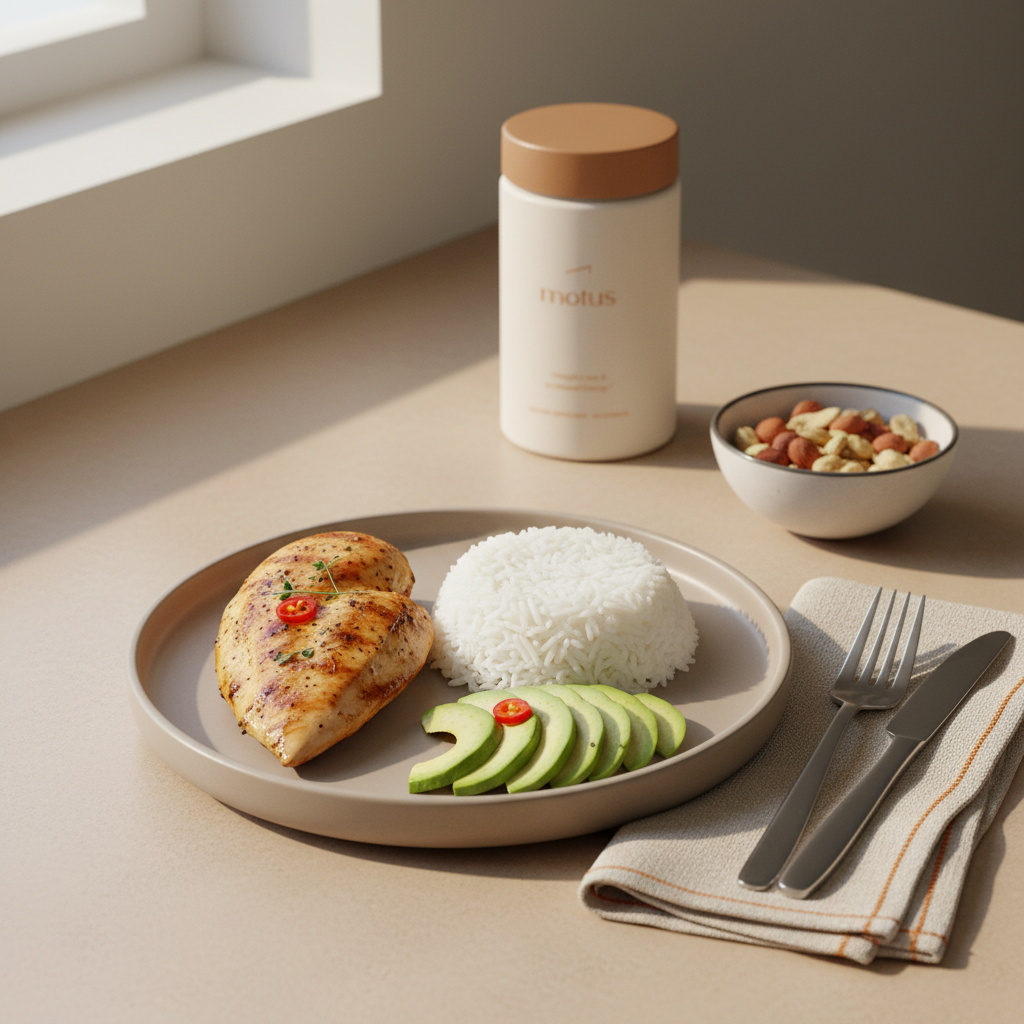
Chicken breast (cooked): ~30 to 32 g protein per 100 g cooked. Lean and dense in protein relative to volume, chicken helps you hit per-meal targets without excess calories. Pair it with rice and olive oil to add energy without excessive volume.
Lean beef (cooked): ~25 to 28 g protein per 100 g cooked. Beef adds iron and creatine precursors, and a moderate portion gives strong leucine content per meal.
Eggs: ~6 to 7 g protein per large egg. Whole eggs provide high-quality protein and healthy fats. Three eggs at breakfast are an easy, palatable protein dose.
Salmon and fatty fish: ~20 to 25 g protein per 100 g cooked. Fatty fish also provide calorie-dense omega-3 fats that help increase energy per bite and support overall health.
Dairy: Greek yogurt, cottage cheese, milk: Greek yogurt ~10 g per 100 g; cottage cheese ~11 g per 100 g; whole milk ~3.3 g per 100 ml. Dairy is convenient for bulking because it pairs protein with calories, calcium and casein (slow-release protein) useful for overnight recovery.
Plant-based top picks
Soy products (tofu, tempeh): Tofu ~8 to 15 g per 100 g depending on firmness; tempeh ~18 to 20 g per 100 g. Soy has a stronger amino-acid profile among plant proteins and is often the easiest plant strategy for hitting leucine targets (Getting Your Leucine: What It Does and Foods To Eat).
Lentils and beans: Cooked lentils ~9 g per 100 g; black beans ~8 g per 100 g. Combine with rice or bread to improve the amino-acid balance and add calories via fats or oils.
Seitan: ~25 g protein per 100 g when made from gluten. Highly protein-dense for plant eaters who tolerate gluten.
Nuts, nut butters and seeds: These are calorie-dense and provide moderate protein (nuts ~20g protein per 100 g). Use them to add energy without bulky meals.
Which food has the highest protein for weight gain per calorie and per serving?
If the question is precise - which food has the highest protein for weight gain - the practical answer depends on whether you mean per-calorie efficiency or per-serving convenience. For per-serving and digestibility, animal proteins like chicken breast, lean beef, eggs and dairy rank highest. For calorie-packed weight gain, pair high-protein lean foods with energy-dense additions like olive oil, nut butters, full-fat dairy, fatty fish, avocado or starchy carbohydrates.
Protein-per-100-gram quick reference
These are approximate, cooked or typical forms: chicken breast 31 g, cooked lean beef 27 g, salmon 25 g, tempeh 19 g, seitan 25 g, cottage cheese 11 g, Greek yogurt 10 g, lentils 9 g. For calorie-dense pairing, add 1 tablespoon olive oil (about 120 kcal) or 2 tablespoons peanut butter (about 188 kcal) to boost energy without dramatically increasing volume. For broader lists of muscle-building foods see 14 Best Foods to Build Muscle.
Food examples that hit leucine and per-meal protein targets
Meeting the leucine threshold helps turn a protein-containing meal into a muscle-building meal. Roughly 2.5 g leucine per meal tends to trigger muscle protein synthesis in many adults. Typical meals that reach that threshold include: For examples of leucine-rich foods see 10 Healthy High Leucine Foods.
100 to 150 g cooked chicken breast with rice and a drizzle of oil. Cooked chicken in that range commonly provides enough leucine and total protein.
150 g cooked lean beef with potatoes and vegetables. Slightly higher fat content adds calories and flavor.
Two scoops whey protein mixed with milk or a large milkshake made with whole milk, oats and nut butter often reaches leucine thresholds and is easy to drink if you have limited appetite.
For plant-based eaters: soybean-based meals, or a combination like tempeh with rice and peanut sauce, often reach leucine targets with manageable portion sizes.
Practical meal ideas and a sample day
Below is a sample day for an 80 kg resistance-trained person aiming for ~1.6 g/kg/day (~128 g protein). This example spreads protein across four to five meals so per-meal protein stays in the 20–40 g range and leucine is triggered more than once.
Breakfast: Greek yogurt bowl with 200 g full-fat Greek yogurt (20 g protein), 30 g granola, 1 tablespoon peanut butter (4 g protein). Add a cup of coffee or fruit as desired.
Mid-morning smoothie: 300 ml whole milk (10 g protein), 1 scoop whey or soy protein (20–25 g protein), 40 g oats, 1 banana and 1 tablespoon peanut butter.
Lunch: 150 g grilled chicken breast (~45 g protein) over rice with avocado and olive oil dressing.
Afternoon snack: Cottage cheese 200 g (~22 g protein) with honey and mixed nuts.
Dinner: 150 g salmon (~35 g protein) with roasted potatoes tossed in olive oil and a side of lentils or beans.
Optional bedtime snack: 150 g cottage cheese or 250 ml milk (10–15 g protein) to provide slow-digesting casein overnight.
Swap options
For variety: swap chicken for lean beef, salmon for cod plus a buttered potato, or dairy snacks for a tofu bowl with sesame oil and rice. If appetite is low, favor liquid meals like milk-based shakes which are easier to consume in larger calorie amounts.
How to increase calories without feeling stuffed
High-volume lean plates can lead to satiety before you reach your calorie target. To avoid that, add compact, energy-dense components. Examples include:
Oils and dressings adding small calories per spoonful.
Nuts and nut butters added to smoothies, yogurt or toast.
Full-fat dairy instead of low-fat options.
Starchy sides such as rice, potatoes and oats.
Use these additions to raise energy by 100–300 kcal per meal without doubling portion sizes. Think of them as strategic calories- tiny nudges that add up to the daily surplus you need.
Personalized bulking plans backed by Tonum research
Want personalized meal plans and portion guidance based on your health profile? Explore Tonum’s research and nutrition services for tailored support and evidence-based coaching.
Vegetarian and vegan bulking strategies
Plant-based athletes can gain muscle well, but strategy matters. Soy, seitan and concentrated plant proteins are especially useful. Here are practical tips:
Prioritize soy because it has a stronger amino-acid profile among plant foods.
Use concentrated proteins such as protein powders, tempeh and seitan to reduce volume while hitting protein goals.
Combine legumes with grains and seeds to improve amino-acid balance and add fats to increase calorie density.
Plan per-meal protein so you still reach 20–40 g in each main meal. Many vegans simply need slightly higher total protein to account for lower digestibility in some plant foods.
Simple calculations you can do at home
Use these quick steps to tailor targets:
1. Convert your body weight to kilograms. If you weigh 175 lb divide by 2.2 to get ~79.5 kg.
2. Multiply by 1.4 to 2.0 to find your daily protein range. For 80 kg that is roughly 112 to 160 g protein per day.
3. Decide how many protein-focused meals you’ll eat. Divide your target by that number to get a per-meal goal. If you eat four meals and target 128 g protein, that is about 32 g per meal.
4. Add 250 to 500 kcal to your usual maintenance intake for a sustainable surplus. Track weight and adjust every 2 to 3 weeks rather than making big jumps.
Common myths and evidence-based answers
Myth: Eat huge meals once a day to bulk faster. Evidence suggests spreading protein across meals yields better stimulation of muscle protein synthesis. Smaller, repeated protein-rich meals are more practical for many people.
Myth: Protein above 2 g/kg is always better. For most resistance-trained adults, benefits plateau beyond ~2 g/kg and extra protein simply adds calories. Stick to the recommended range unless advised otherwise by a clinician for special circumstances.
Myth: Plant proteins are ineffective. Not true. Plant proteins can work when total protein is adjusted and amino-acid complementation is used. Soy is an especially practical plant option.
Monitoring progress and adjusting
Set realistic expectations. Strength gains often precede noticeable size changes. Use a mix of metrics: strength improvements, bodyweight trends, and how clothes fit. If you gain more fat than desired, trim the surplus toward the lower end. If progress stalls, slightly increase calories or optimize meal timing and protein distribution. If you have medical conditions such as kidney disease, consult your clinician before raising protein substantially.
Training and recovery: why they matter with food
Protein without resistance training won’t reliably add muscle. Prioritize a structured progressive resistance program that emphasizes compound lifts and regular overload. Recovery matters too: sleep, stress control, and consistent progressive training let dietary protein be used to build tissue rather than merely replaced.
Grocery list for easy bulking
Make shopping convenient. Keep these on hand:
- Chicken breasts and thighs. - Lean ground beef or steak. - Eggs. - Full-fat Greek yogurt and cottage cheese. - Whole milk. - Salmon or fatty fish. - Tempeh, tofu or seitan if plant-based. - Oats and rice. - Nut butters and mixed nuts. - Olive oil and avocados. - Whey, casein or soy protein powder.
Cooking and flavor tips to enjoy your meals
- Marinade meats with olive oil, lemon, garlic and herbs. - Add a spoonful of nut butter to smoothies for creaminess. - Mix granola into full-fat Greek yogurt with honey. - Roast starchy vegetables with butter and herbs. - Use compound sauces like tahini or peanut sauce to add calories and flavor.

Health trade-offs and long-term safety
A bulking plan focused on whole foods and healthy fats can be compatible with heart health if you emphasize unsaturated fats, whole grains, fiber, fruits and vegetables. Avoid relying solely on highly processed calorie sources. If you have health conditions such as high cholesterol or kidney disease, seek individualized advice. Consider routine medical checks if you plan aggressive long-term bulking.
Real-world client story
I worked with a gym friend who tried massive plates of lean meat and vegetables but felt bloated and stalled. We shifted to the same protein amounts but added calorie-forward sides like mashed potatoes with butter, nightly milkshakes and full-fat yogurt bowls. He began to gain steadily without dread. The lesson: sometimes you need compact calories, not more lean meat.
Shift calories into compact, energy-dense additions such as nut butter, olive oil, full-fat dairy and starchy sides; use smoothies and milkshakes to consume calories and protein in liquid form which is easier on appetite.
Quick reference: highest protein foods by category
Highest protein per typical serving: chicken breast, lean beef, salmon, seitan, tempeh, whey protein.
How soon will you see changes?
Expect steady progress over weeks and months. Strength increases often appear first. Visible muscle changes require consistent training and diet over several months. Patience plus accurate tracking will reward you with sustainable gains.
Practical takeaways
If you remember three things, let them be these. One, prioritize daily protein in the 1.4–2.0 g/kg range if you’re resistance training to gain muscle. Two, spread protein across the day with 20–40 gram meals and aim to hit the leucine cue at key meals. Three, pair lean, protein-dense foods with calorie-dense additions—nut butters, oils, full-fat dairy, fatty fish or starchy sides—so you can reach a modest surplus without giant plates.
When to get individualized help
If you have medical conditions or want a personalized plan fitted to your training, age and preferences, consult a registered dietitian or clinician. Telehealth options are especially convenient for working professionals or people with busy lives who want structured plans delivered to their inbox and coaching calls for troubleshooting. You can also explore Tonum’s nutrition services for tailored telehealth support.
Final friendly note
Bulking doesn’t have to be force-feeding or ignoring long-term health. With measured protein targets, thoughtful meal design and a steady calorie surplus, you can gain weight and build muscle in a way that is sustainable and enjoyable. Feed your training with intention and keep meals you love in the plan.
Whole-food animal proteins such as chicken breast, lean beef, eggs, salmon and full-fat dairy are the most efficient single-food choices to reach per-meal protein and leucine thresholds. For plant-based eaters, soy products (tempeh and tofu), seitan and concentrated plant proteins are the top options. Pair these with calorie-dense items like olive oil, nut butters, avocados or starchy sides to reach a modest daily calorie surplus.
Aim for about 0.3 to 0.5 g/kg of body weight per meal, which for many adults equals roughly 20 to 40 grams of protein per meal. Also target the leucine threshold of around 2.5 grams per meal to reliably stimulate muscle protein synthesis. Splitting total daily protein across 3–5 meals usually makes this practical.
Yes. Tonum offers nutrition telehealth and evidence-based coaching to turn scientific targets into meals that fit your life. If you want individualized portioning, timing and calorie guidance with medical oversight, Tonum’s nutrition services can help you build a tailored plan. Learn more via Tonum research and nutrition services.
References
- https://www.healthline.com/nutrition/10-high-leucine-foods
- https://health.clevelandclinic.org/foods-high-in-leucine
- https://www.goodrx.com/well-being/diet-nutrition/muscle-building-foods?srsltid=AfmBOooSk-oBAydcHeGJtFoV42Bg6KFXdFRbl668NGvrfOo3opXfkoE9
- https://tonum.com/pages/research
- https://tonum.com/pages/nutrition-services


