









The Niacin Flush: Why It Happens and Is It Safe?

Imagine taking a vitamin B3 supplement, then noticing your face getting hot a little while later. Your skin feels prickly, your neck looks red, and you wonder whether you've taken too much.
This reaction has a name: the niacin flush. It can be unsettling when you weren't expecting a vitamin to cause a reaction.
So why does it happen, and when should you be concerned?
A typical niacin flush is usually uncomfortable rather than dangerous. It's a recognized reaction to nicotinic acid and doesn't necessarily mean you've overdosed or had an allergic reaction.
However, the amount taken and any additional symptoms matter when assessing safety.
Why Does Niacin Make Your Skin Feel Hot?
Niacin is another name for vitamin B3, which helps your body use energy from food. But feeling flushed isn't a sign that your body is producing extra energy.
When you take nicotinic acid, it can trigger chemical messengers called prostaglandins. They help small blood vessels near the skin widen, increasing blood flow at the surface.
That's why the flush often appears on the face, ears, neck, or upper chest. You may feel heat or tingling even if the redness isn't especially noticeable.
A scientific review of niacin-induced flushing describes this blood-vessel response. It isn't evidence that the supplement is detoxifying your body or burning fat.
The reaction is also dose-related, although people respond differently. The NIH reports that around 30–50 mg or more of nicotinic acid can cause flushing.
When Is a Niacin Flush Normal, and When Should You Worry?
Warm skin, temporary redness, itching, and tingling can fit a typical flush. What matters is whether the symptoms follow that expected pattern.
Trouble breathing, swelling of the lips or throat, or fainting need urgent medical care. Severe dizziness, a racing heartbeat, or symptoms that keep worsening should also be assessed promptly.
A typical flush is not an allergic reaction, but a supplement can still cause an unrelated allergy or another medical problem.
There's a second reason not to judge safety by your skin alone: high-dose nicotinic acid can affect blood pressure, blood sugar, uric acid, and liver health. Some of those effects wouldn't feel like a flush at all. Mayo Clinic describes these wider high-dose risks.
For generally healthy adults, the NIH sets an upper limit of 35 mg daily from supplemental niacin, based primarily on flushing. This applies to both nicotinic acid and nicotinamide, but isn't a toxicity cutoff and doesn't apply to clinician-supervised medical treatment.
How Long Does a Niacin Flush Last, and What Can Help?
If your skin is burning or prickling, you probably want to know when it'll settle.
Timing varies with the type of niacin and the dose. In a small randomized trial, flushing began after an average of 18 minutes and lasted about 75 minutes after a single 500 mg immediate-release dose taken without food. That doesn't mean every flush lasts that long.
A clinical review found that immediate-release products often trigger flushing sooner than extended-release formulations. Some episodes last considerably longer than half an hour.
For people using niacin as prescribed, MedlinePlus offers several precautions:
- Avoid alcohol, hot drinks, and spicy foods around the time of dosing; they can make flushing worse.
- Follow the formulation's directions about taking it with food.
- Speak to your prescriber if the reaction is bothersome rather than changing your dose or schedule yourself.
Doctors sometimes recommend aspirin to reduce flushing, but it isn't appropriate for everyone and shouldn't be started for this purpose without advice.
If a reaction is severe, unusual, or persistent, get medical guidance rather than trying to wait it out.
Does a Stronger Flush Mean Niacin Is Working Better?
A noticeable reaction can make a supplement feel powerful. But a hotter face doesn't mean a bigger benefit.
The flush shows that blood vessels in your skin are responding to nicotinic acid. It doesn't measure vitamin absorption, improved metabolism, or how much benefit you're getting.

The same distinction applies if someone else takes a supplement and feels nothing. A missing flush doesn't automatically mean the product failed.
There's no health advantage to chasing a stronger flush.
Why Do Some Vitamin B3 Supplements Cause No Flush?
Here's where the name on the front of a bottle can be misleading: “vitamin B3” doesn't always mean the same ingredient.
Nicotinic acid is the form commonly associated with flushing. Nicotinamide, also called niacinamide, generally doesn't cause it. The two forms aren't interchangeable for every medical purpose.
Some products marketed as flush-free niacin contain inositol hexanicotinate. In a six-week randomized trial, it did not produce the same cholesterol changes as extended-release niacin. Less flushing doesn't guarantee comparable benefits or overall safety.
Be careful with another tempting shortcut: switching to a slow-release niacin product simply to avoid redness. Different formulations have different safety profiles, and some sustained-release forms have been linked to greater liver risk. The NIH LiverTox resource explains why that matters.
If you're checking a supplement, look for the exact form, milligrams per serving, and directions rather than relying only on “vitamin B3” in large print. Tonum's guide to taking vitamin B3 every day explores those differences in more detail.
What Form of Vitamin B3 Does Tonum Use?
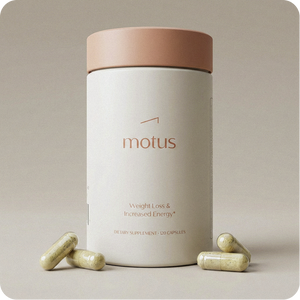
Tonum's MOTUS and NOURO formulas use vitamin B3 as nicotinamide, which generally doesn't cause the characteristic niacin flush.
However, the form is only part of the picture. For example, NOURO's published label lists 750 mg niacin equivalents from nicotinamide per four-capsule serving. That exceeds the general 35 mg supplemental-niacin upper limit, although this limit is based on flushing and isn't a direct toxicity threshold for nicotinamide.

Dose, health history, and the complete formula therefore deserve separate consideration. Research on nicotinamide alone cannot establish the safety or benefits of a finished supplement.
Tonum's guide to nicotinamide safety explores these considerations further.


Frequently Asked Questions
Is a Niacin Flush an Allergic Reaction?
A typical flush isn't an allergy. But swelling, trouble breathing, fainting, or other severe symptoms could signal something more serious and need urgent attention.
How Much Niacin Can Cause Flushing?
The NIH reports that nicotinic acid at around 30–50 mg or more can trigger flushing. Responses vary, so this isn't a guaranteed threshold.
Can You Get a Niacin Flush From Food?
It's unlikely. The naturally occurring niacin in everyday foods hasn't been associated with the same flushing reaction seen with supplements.
Does a Niacin Flush Mean You've Taken Too Much?
Not necessarily. Flushing can happen without toxicity, but the dose and accompanying symptoms still matter.
Can Flush-Free Niacin Still Have Side Effects?
Yes. Absence of flushing doesn't rule out other adverse effects, especially at high doses or when multiple active ingredients are involved.
The Takeaway
A niacin flush can feel alarming, especially when you weren't expecting it. But the usual warmth and redness from nicotinic acid are generally temporary.
Before judging a supplement by how it makes you feel, look at the form of vitamin B3 it contains, the dose, and whether your symptoms fit a typical flush. Those details tell you far more than the redness itself.
Explore Tonum's Evidence-First Approach
Wondering how ingredient research relates to an actual supplement? Explore Tonum's research to see how the brand considers ingredient-level findings and evidence for complete formulas separately.
References
- NIH Office of Dietary Supplements: Niacin — Fact Sheet for Health Professionals
- Scientific review of niacin-induced flushing
- Research on niacin flushing
- Published research on niacin
- MedlinePlus: Niacin
- Mayo Clinic: Niacin — Uses, Side Effects, and More
- NIH LiverTox: Niacin
- Research on flush-free niacin


