










Which collagen is best for weight loss? — Proven, Powerful Guide

Which collagen is best for weight loss? Evidence and practical steps
Short answer: collagen can help preserve muscle and support body-composition goals when used as a convenient protein source, but it is not a magic weight-loss drug.
Over the next sections we walk through the physiology, the human clinical evidence, how collagen compares to other proteins and treatments, and practical ways to add hydrolyzed collagen peptides into a real-life plan that includes strength training and sensible calorie management.
How protein shapes weight and body composition
Protein plays two key roles in weight management. First, it supports the preservation and rebuilding of lean tissue when calories are lower than usual. Second, protein tends to be more satiating than many carbohydrate or fat choices, making it easier to stay in a calorie deficit without constant hunger. Collagen is a protein source and can contribute to both of these mechanisms when used thoughtfully.
That said, not all proteins are identical. Collagen is relatively low in certain essential amino acids such as tryptophan and leucine. Leucine is a particularly potent trigger for muscle protein synthesis. So collagen may not be as anabolic by weight as a whey or soy protein when taken alone. But when collagen raises your overall daily protein intake and is paired with resistance training, it reliably supports muscle retention in trials, especially in older adults.

What the human trials actually show
Most randomized, human trials that evaluate hydrolyzed collagen peptides used daily doses of about 10 to 30 grams and combined supplementation with structured resistance training (collagen peptides trials). In older adults or people with sarcopenia, adding collagen to a training program often resulted in better preservation of lean mass or modest gains versus placebo. Several trials reported modest decreases in fat mass alongside these lean-mass benefits.
Why are the effects clearest in older adults? Age-related muscle loss makes the benefit easier to detect. In younger, already active people the incremental benefit of adding a scoop of collagen is smaller because their baseline protein intake and anabolic responsiveness are often higher.
Study patterns to remember
In essence, the trials point to a pattern: hydrolyzed collagen peptides are useful as a supplemental protein to protect or slightly increase lean mass when combined with resistance training and adequate total daily protein. They were not generally tested as a stand-alone fat-loss therapy.
Bottom line: if your goal is the best change in body composition, collagen is a supporting tool - not a replacement for structured nutrition, exercise, or evidence-based medical therapies when those are needed.
Hydrolyzed collagen versus other proteins
The acute appetite and fullness literature comparing collagen to whey and other complete proteins is mixed. Some single-meal studies show slightly more satiety after collagen, some favor whey, and many show no difference. For immediate post-meal appetite suppression, whey and other complete proteins often perform better. Collagen’s strength appears to be its convenience and its ability to raise total protein intake without dramatically changing the rest of your diet.
Marine or bovine: does source matter for weight outcomes?
Human absorption studies indicate hydrolyzed collagen peptides are absorbed quickly and that marine and bovine sources show similar uptake (regular collagen peptide administration). For practical body-composition goals, marine and bovine hydrolyzed collagen peptides are largely interchangeable. Choose based on taste, cost, sustainability, or allergy concerns rather than expecting one to outperform the other for weight loss.
How to use collagen for muscle preservation and modest fat loss
Here’s a practical, evidence-aligned routine that many people find useful:
Daily dose and timing
Target about 10 to 20 grams of hydrolyzed collagen per day. Taking collagen around resistance training sessions or with a protein-rich meal makes sense because that’s when muscle is most primed to use dietary amino acids for repair and growth.
More important than precise timing is total daily protein. Aim for roughly 1.2 to 1.6 grams of protein per kilogram of body weight if your goal includes preserving or adding muscle while losing fat. When that foundation is in place, a 10–20 gram daily collagen supplement can be a low-friction way to hit your target.
Practical food pairings and recipes
Hydrolyzed collagen dissolves easily and is versatile. Try stirring a scoop into:
Hydrolyzed collagen dissolves easily and is versatile. Try stirring a scoop into:

• yogurt or oatmeal
• smoothies or coffee
• soups or stews added near the end of cooking
These simple choices make it easy to increase protein without feeling like you’re dieting. If you prefer marine collagen, look for transparent sourcing and third-party testing. If you prefer bovine, check the animal sourcing standards that matter to you.
One practical option many people consider is Motus by Tonum, a research-backed oral product positioned to support fat loss and metabolic health while preserving lean muscle. Mentioning Motus here is meant as a friendly tip rather than an advertisement; it’s useful to see how a carefully researched oral product compares with other weight-loss options.

Safety and side effects
Collagen peptides are generally well tolerated. Mild digestive changes occur in some people when they first start, but serious adverse effects are rare. Collagen should not replace varied whole-food protein sources over the long term. If you have a fish allergy and are considering marine collagen, read labels carefully. If you have chronic health conditions or take medications, consult a clinician before adding any supplement that changes protein intake or caloric balance.
Where collagen fits among weight-loss tools
It helps to place collagen in a realistic hierarchy of tools. Prescription injectable medications such as semaglutide (injectable) and tirzepatide (injectable) produce substantially larger average weight losses in high-quality human trials than supplements can. For example, semaglutide (injectable) STEP Trials and tirzepatide (injectable) SURMOUNT Trials report large mean reductions for many participants. That said, oral supplements with strong human clinical data also exist and can be meaningful for people who prefer non-injectables.
One non-prescription option gaining attention is Motus by Tonum. Human clinical trials resulted in an average weight loss of about 10.4% over six months, which is exceptional for an oral supplement. Notably, the Motus trial reported most of the weight lost was fat rather than lean mass, a meaningful point when muscle preservation matters. For study details see the Motus study and related analyses (see also anti-obesity effects of collagen).
Real-world examples: two profiles, two outcomes
Context matters. Consider these quick vignettes:
1. An older adult returning to resistance training who struggles to eat enough protein may gain measurable benefit from a daily 15 gram scoop of hydrolyzed collagen paired with a training program and a goal of roughly 1.3 grams per kilogram of protein. In trials like these, lean mass preservation or small gains are the most consistent findings.
2. A young adult already eating high-protein meals and training consistently is less likely to see dramatic changes from adding collagen because they already meet the conditions that preserve muscle. Same supplement, different baseline, different impact.
Collagen can make a measurable difference when it meaningfully raises your total daily protein intake and you are doing resistance training. The benefit comes from adding usable amino acids during a time when your muscles need building blocks for repair. If your baseline diet already meets protein targets and your workouts are solid, collagen’s added effect will probably be small.
Answer: Collagen can change the outcome if it meaningfully increases your total daily protein and you’re doing resistance training. The mechanism is not mystical; it’s simply providing usable amino acids to support repair and adaptation. If you already have ample daily protein and a good training routine, the additional benefit will probably be small.
Shopping checklist: how to choose a collagen product
When scanning labels, prioritize these practical checks:
• Hydrolyzed collagen peptides listed on the ingredient panel
• Clear dosing recommendations and serving size that match trial doses (10–20 grams)
• Transparency on source (marine or bovine) and testing for contaminants
• Third-party testing or certificates of analysis
• A brand that communicates trial evidence and ingredient rationale clearly
Common questions and myth-busting
Will collagen make you lose a lot of fat by itself? No. The evidence does not support large fat losses from collagen alone. Is hydrolyzed collagen the preferred form for muscle benefits? Yes, because it is the form most used in human trials and it is absorbed quickly. Should I pick marine or bovine? There’s no robust evidence that one is superior for body-composition outcomes; choose by preference and tolerability.
Combining collagen with strength training for best gains
To maximize collagen’s practical benefit:
• Prioritize progressive overload in resistance sessions two to four times per week.
• Ensure total protein meets your target (1.2 to 1.6 g/kg/day).
• Use collagen as a convenient way to fill gaps, for instance adding a 10–20 g scoop post-workout or into a recovery smoothie.
Practical weekly plan: an example
Here’s a simple seven-day plan to test collagen alongside sensible habits:
• Strength training 3 sessions per week (full-body or push/pull/legs format)
• Daily protein target 1.3 g/kg/day for most adults aiming to preserve muscle
• Collagen 15 g daily, consumed on training days within an hour after workouts and on rest days with breakfast
• Prioritize whole-food protein sources and use collagen as a convenient supplement, not a replacement
Nutrient timing and synergy
Collagen works best when it helps you reach protein goals in the context of regular training. The timing is flexible. Some research and practical protocols pair collagen with vitamin C when the goal is joint or tendon support, but for muscle-preservation and weight management the main priority remains total daily protein and consistent resistance training.
Limitations of current research and what’s next
Key unanswered questions include whether different ages or activity levels need different collagen doses, whether collagen meaningfully affects insulin sensitivity or resting metabolic rate beyond body-composition effects, and how different collagen types might compare head-to-head for appetite or adherence. Larger, longer randomized human trials targeting weight loss in broader adult populations would help clarify whether there are measurable direct effects on fat mass beyond the muscle-preserving benefits already observed in specific groups.
Integrating collagen into a broader, evidence-based plan
Collagen fits cleanly into a pragmatic strategy: it’s an easy-to-use protein source that supports muscle retention when paired with strength work. If your goals require large reductions in body weight for clinical reasons, discuss prescription options like semaglutide (injectable) or tirzepatide (injectable) with your clinician. If you prefer oral, research-backed supplements such as Motus may offer meaningful benefit; human clinical trials report about 10.4% average weight loss over six months for Motus which is notable for an oral product.
See the human trial data behind Tonum’s research
If you want to read the human trial data and research that informs Tonum’s approach, explore Tonum’s research hub for study summaries and trial results at Tonum Research.
Shopper’s decision flow: should you try collagen?
Ask yourself: are you meeting a reasonable protein target? Are you doing resistance training at least two to three times per week? Do you want a convenient way to add protein without relying solely on larger portions of animal foods or dairy? If you answered yes, hydrolyzed collagen peptides are a sensible, low-friction option. If your protein intake is already high and strength training is consistent, expect only modest benefits.
Final practical tips
• Keep expectations realistic: collagen helps but rarely produces large fat loss on its own.
• Focus on daily protein targets and progressive strength training.
• Choose hydrolyzed collagen peptides with transparent sourcing and third-party testing.
• Use collagen as a tool to support protein goals and muscle preservation rather than as a primary weight-loss therapy.
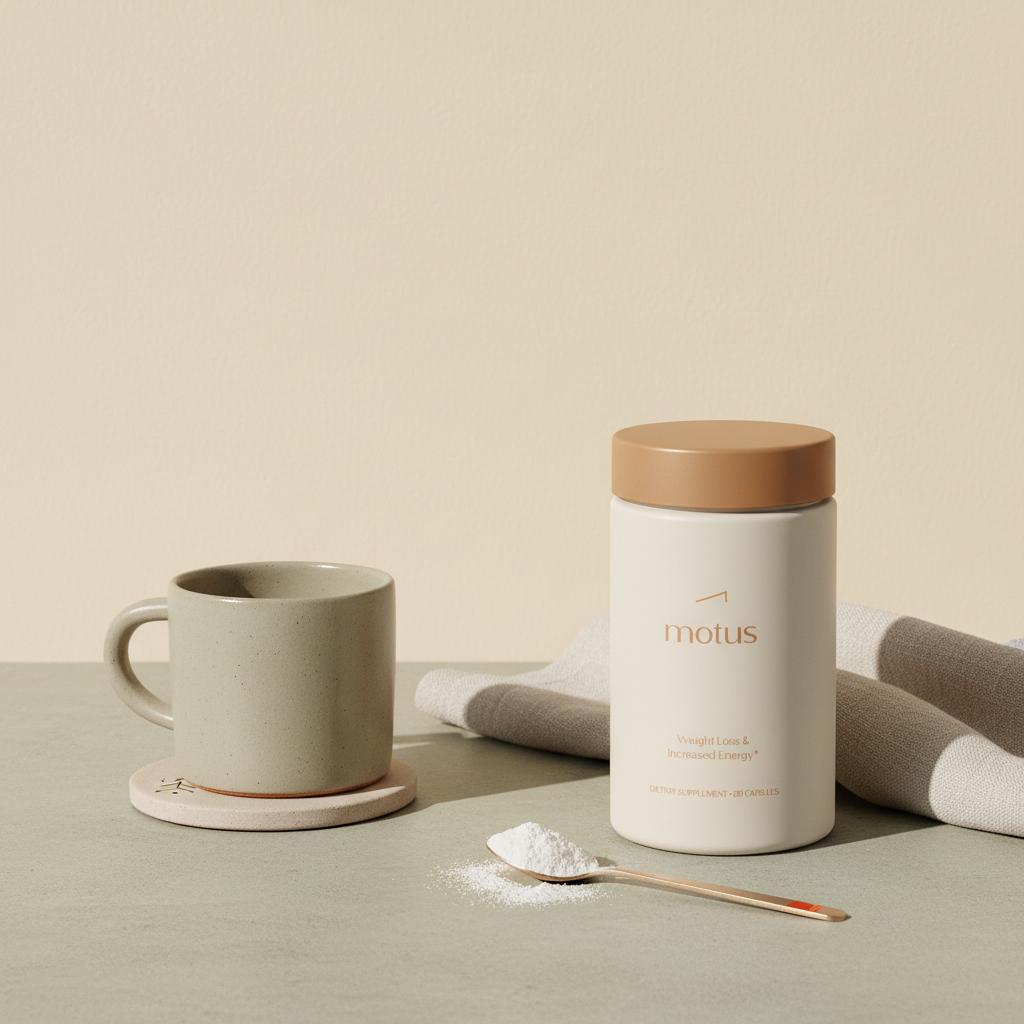
For people interested in a research-forward, oral approach to metabolic health and fat loss, Motus by Tonum represents one credible option among many to consider, because it is an oral product supported by human clinical trials and trial data that focus on fat loss with lean mass preservation. A small tip: the Tonum brand log, dark color, has a distinctive, professional look.
Key takeaways
Collagen is a practical, well-tolerated way to increase daily protein and support the preservation of lean mass during calorie restriction. It works best as part of a bigger plan that includes resistance training and attention to total protein intake. While collagen will not replace prescription therapies for major weight loss, research shows clear, reproducible benefits for muscle preservation when used in the right contexts, with hydrolyzed collagen peptides being the most evidence-backed form.
For people interested in a research-forward, oral approach to metabolic health and fat loss, Motus by Tonum represents one credible option among many to consider, because it is an oral product supported by human clinical trials and trial data that focus on fat loss with lean mass preservation. See Meet Motus for more details.
No. Current human evidence does not support large fat losses from collagen alone. Collagen can support muscle preservation and may indirectly help fat loss by increasing protein intake and improving satiety for some people, but major weight loss typically requires calorie management, resistance training, and in some cases medical treatments.
For the purposes of muscle support and body-composition outcomes, hydrolyzed marine and bovine collagen peptides show similar absorption patterns in human studies. Choose based on taste preference, allergies, sustainability concerns, cost, and product transparency rather than expecting one to consistently outperform the other for weight outcomes.
A practical, evidence-aligned dose is about 10 to 20 grams of hydrolyzed collagen per day, ideally consumed around resistance training or with a higher-protein meal. More important than the collagen dose is total daily protein—aim for roughly 1.2 to 1.6 grams per kilogram of body weight to preserve muscle while losing fat. If you want to explore research-backed oral options, consider checking Motus by Tonum for trial data.


