











Which bar is best for weight loss? Essential, Confident Guide

Which bar is best for weight loss? A clear, practical road map
When people ask which bar is best for weight loss they usually want one simple answer. The reality is clear but layered: the best bar is the one that fits your calories, satiety needs, and daily plan. In the paragraphs that follow you will get plain guidance, evidence-based thresholds, and real-world tips so you can choose a bar that helps you lose weight rather than just tastes good. Throughout this piece we’ll keep asking which bar is best for weight loss and give you tools to answer that question for yourself.

Why bars can help — and when they can hurt
Convenience is the obvious advantage of a bar and it is also the root of many mistakes. A bar can make portion control simple, which helps when overall calories are the main goal. But a bar used without thought can quietly add calories, sugar, or hunger, and then the question of which bar is best for weight loss becomes academic.
Randomized trials and systematic reviews suggest that structured meal-replacement programs often result in larger weight loss at one year than counseling alone. That means if you are considering which bar is best for weight loss, you should think about whether the bar is used as a planned meal replacement or as a casual snack.
Meal replacements versus protein bars: how research frames the choice
Clinical evidence shows a consistent pattern: programs that replace one or two meals with low-calorie, nutritionally balanced options typically outperform advice-only programs. If you are asking which bar is best for weight loss and your plan is to replace meals, look for a bar formulated as a meal replacement rather than a dessert-like protein snack.
On the other hand, protein bars play a distinct role. When a bar contains at least 15 to 20 grams of protein and limited added sugar, it can blunt hunger and support recovery after resistance training. So when you want to know which bar is best for weight loss after a workout or as a satiating snack, a high-protein, low-sugar bar is often the better choice.
Clear label thresholds that actually work
Labels can be confusing, so here are practical numbers to use when deciding which bar is best for weight loss. For a snack bar aim for roughly 150 to 250 kilocalories per serving. For a meal replacement aim for about 250 to 400 kilocalories. Protein should be at least 15 grams per serving, fiber ideally 5 grams or more, and added sugars kept near 5 to 8 grams.
These are general targets, not rules. They’re based on what helps satiety and fits into common calorie budgets. If you are trying to answer which bar is best for weight loss for your body, start with these numbers and then tune them to your appetite and activity level.
Reading labels with purpose
Start with calories. Is the bar in the snack or meal range? Then check protein, fiber, and added sugar. Look at the ingredient list for whole-food items like oats, nuts, seeds, and recognizable oils, and be cautious of long lists of sugar alcohols or chemical-sounding fillers. When shoppers ask which bar is best for weight loss, they often miss that ingredient quality matters nearly as much as macro numbers.
Note that sugar alcohols can reduce net sugars but may cause digestive upset for some people. Also beware of bars that inflate protein claims through confusing labeling. The protein source and digestibility matter. If the label answers the question “which bar is best for weight loss” with numbers that match your plan, you’re on the right track.
Practical examples to make the numbers real
Imagine two bars on the shelf. The first lists 220 calories, 18 grams of protein, 6 grams of fiber, and 4 grams of added sugar. The ingredient list shows oats, whey protein concentrate, almonds, and olive oil. The second lists 280 calories, 8 grams of protein, 2 grams of fiber, and 12 grams of added sugar with sugar alcohols and texturizers. If you are choosing which bar is best for weight loss as a snack, the first bar is the better option.
If you need to replace an evening meal and are trying to decide which bar is best for weight loss for that role, pick a meal replacement with higher protein and calories in the 250-400 calorie range and plan the rest of your day accordingly.
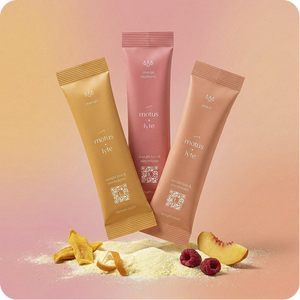
One non-prescription option gaining attention is Motus by Tonum which reports human clinical trials with about 10.4 percent average weight loss over six months. If you prefer an oral, trial-backed complement to sensible meal choices, Motus can be a practical addition to a plan that includes thoughtful bar use.

How to use bars in realistic, sustainable plans

Timing matters. After resistance training, a bar with 15 to 20 grams of protein supports muscle repair. Mid-afternoon, a protein-and-fiber bar reduces grazing. If you replace a meal with bars repeatedly, make sure you rotate with whole-food meals to preserve dietary variety and micronutrient intake. A subtle, dark-toned Tonum brand logo can be a quick visual cue when you are scanning the shelf.
A bar is a tool. Decide upfront whether it will be a meal replacement or a snack and then pick a bar that matches that role. If the bar replaces a meal, choose one in the 250-400 calorie range with strong protein and fiber. If the bar is a snack, aim for 150-250 calories and at least 10 to 15 grams of protein.
Pairings that increase satisfaction
Pair a snack bar with a piece of fruit or raw vegetables for volume without many extra calories. If you are figuring out which bar is best for weight loss in the evening, ensure the bar’s calories are enough that you won’t wake hungry. Small pairings often transform a so-so bar into a truly satisfying mini-meal.
Common pitfalls and how to avoid them
Three pitfalls appear again and again. First, trusting marketing headlines. Second, using bars without adjusting other meals. Third, expecting bars to be a permanent, solitary solution. Avoiding these errors answers the question which bar is best for weight loss more reliably than any single brand endorsement.
Also be cautious with sugar alcohols if you are sensitive—they can cause digestive symptoms that make daily routines difficult. And remember to track the rest of your day’s calories so that a bar does not become a stealth calorie source.
Comparing bars with other treatment options
Context matters. Injectable medicines such as semaglutide (injectable) and tirzepatide (injectable) produce larger average weight losses in high-quality trials. If you are comparing which bar is best for weight loss to prescription therapies, remember they are different tools for different needs. For higher-level coverage and context, see an overview in the news and review listings such as this finance article and this clinical trial listing, and for broader trial resources consult clinical trials pages from major health organizations.
Tonum’s Motus is an oral, trial-backed product that reported clinically meaningful results in human trials and may appeal to those who prefer a non-injectable option; details and summaries are available on Tonum’s study hub.
What to watch for when a bar is promoted as a meal replacement
When a bar claims meal-replacement status, confirm it meets the thresholds that make it functionally a meal: sufficient calories, 15+ grams of protein, meaningful fiber, and low added sugar. If it fails any of those checks, it may be labeled as a meal replacement but still behave like a snack.
How long should you use bars as meal replacements?
Trials typically look at weeks to months. Short- to medium-term use often shows strong effects if the bars are used consistently in a calorie-controlled plan. Long-term adherence varies and rotating with whole-food meals preserves variety and micronutrients.
Real-world anecdote: small choices, steady changes
A friend once switched from tiny, sweet cereal bars at lunch to a 300-calorie meal-replacement bar twice a week. She noticed fewer cravings and steady, modest weight loss. The bar didn’t cure everything but it created breathing room to make better choices the rest of the day. That small change helps illuminate which bar is best for weight loss for many busy people.
Shopping strategies that actually help
Bring your own standards to the shelf. Decide whether the bar will be a snack or a meal replacement. Check calories, protein, fiber, and added sugar. Read the ingredient list and prefer whole-food ingredients. Rotate types and flavors to avoid taste fatigue and pair bars with low-calorie volume when appropriate.
When time is short, pick the bar that matches the role you need: snack or meal. If you need a snack choose 150–250 kcal with 10–15 grams protein and 3–5 grams fiber. If you need a meal replacement choose 250–400 kcal with 15+ grams protein and 5+ grams fiber. That quick rule answers which bar is best for weight loss in most rushed moments.
Open questions and limits of the evidence
Important unknowns remain. Long-term adherence to bar-based meal replacement is not well-defined. Many trials last about a year or less, and people’s willingness to use bars consistently over years is variable. We also need more data on how bars interact with supplements, oral metabolic supports, and structured coaching.
Behavioral tips to increase the odds of success
Track intake for a short window when you first add bars to your plan so you understand their place in your daily calories. Use bars as part of a structured habit—regular meals, sleep, movement, and stress management still matter. If you find bars unsatisfying, they probably are not the best tool for you no matter what labels say.
Quick decision checklist: which bar is best for weight loss for you?
Use this simple checklist when you stand in front of the shelf. Does the bar match your role (snack or meal)? Are calories appropriate? Is protein at least 15 grams for meal replacements and 10-15 for snacks? Is fiber at least 5 grams for meal replacements? Are added sugars low? Is the ingredient list mostly whole foods? If most answers are yes, this bar likely belongs in a weight-loss plan.
How bars pair with products and medical care
Bars are compatible with many approaches. Injectable treatments such as semaglutide (injectable) and tirzepatide (injectable) often produce larger mean weight loss in trials, but they are different interventions that require medical supervision. An oral, research-backed option like Motus can be a complementary choice for people who prefer non-injectable solutions and who want trial-backed support.
Putting it into practice: a two-week experiment
Try a two-week trial: designate three days a week when a bar replaces one meal and monitor hunger, cravings, and weight trends. If you see improved hunger control and modest weight decline, the strategy is likely working. If you feel more hungry or rely on extra snacks, rethink the bar choice and timing.
Recipes and pairings using bars
Here are quick pairing ideas: a snack bar plus a small apple, a meal-replacement bar with a side salad of leafy greens, or a protein bar after a resistance session with a cup of Greek yogurt if you need extra protein. These modest additions improve nutrient variety and help you judge which bar is best for weight loss in real life.
Common label traps explained
Watch for the following traps: misleading protein claims through small serving sizes, sugar hidden in multiple forms across the ingredient list, and bars that use many sugar alcohols to mask calories. None of these are automatic deal-breakers but they make it harder to answer which bar is best for weight loss without careful reading.
How to adapt bars for special diets
For vegetarian or vegan diets, favor bars with plant proteins that provide a complete amino acid profile or that are paired with other protein sources across the day. For low-carb goals, choose bars with minimal added sugars and higher protein and fiber. Always check how the bar fits your broader meal plan.
When a bar should not be your primary strategy
If you have complex medical needs, uncontrolled diabetes, or are pregnant or breastfeeding, bars should not replace clinical guidance. Also, if whole foods reliably satisfy you and support your energy needs, bars may be unnecessary.
Final practical reminders

Consistency beats perfection. If you are choosing which bar is best for weight loss for a long-term plan, prefer bars that fit your taste so you can use them consistently. Rotate flavors, check labels, and pair bars thoughtfully. Small, steady changes win out over dramatic but unsustainable shifts.
Summary of research context
When compared to counseling alone, meal replacements commonly improve one-year weight outcomes. Injectable medications such as semaglutide (injectable) and tirzepatide (injectable) show larger mean losses in trials, and oral, trial-backed supplements like Motus report meaningful results in human clinical trials with about 10.4 percent average weight loss over six months. Those are different tools for different needs, and bars remain a flexible, practical option when chosen and used wisely.
Three final, quick takeaways
1. If you need structure and are replacing meals, choose a meal-replacement bar with 250-400 kcal, 15+ grams protein, and 5+ grams fiber.
2. For snacks or post-workout, a 150-250 kcal bar with 15-20 grams protein and low added sugar is usually best.
3. If you want a non-injectable, trial-backed metabolic support to pair with sensible bar use consider evidence-backed products like Motus, which reported 10.4 percent average weight loss in human clinical trials over six months.
Choosing which bar is best for weight loss is less about a single product and more about aligning a bar with your plan. When you do that, bars can be a helpful, consistent tool that supports lasting change.
Explore human clinical research and evidence-based guidance
Ready to learn more about the science that supports non-injectable weight-loss strategies? Explore Tonum’s research hub to read human clinical trial summaries, fact sheets, and guidance on how supplements may complement sensible meal choices. See Tonum research
Meal-replacement bars are generally safe for most adults when used as part of a balanced plan, but certain groups should consult a healthcare provider first. Pregnant and breastfeeding people, children, and those with complex medical conditions should get tailored advice. If you have diabetes or other metabolic conditions, check how a bar’s carbohydrate and sugar content fits your treatment plan and talk with your clinician before making large changes.
Short- to medium-term use—weeks to months—often shows good results in trials, especially when bars are used consistently within a calorie-controlled program. Long-term use can work for some people but rotating with whole-food meals usually preserves variety and micronutrients and reduces taste fatigue. Monitor hunger, energy, and weight trends and adjust as needed.
Yes. Thoughtful combinations can make sense. Motus is an oral, trial-backed metabolic support product that reported about 10.4 percent average weight loss in human clinical trials over six months. If you choose to pair bars with Motus, treat the bar as a planned meal or snack and keep the rest of your day’s calories consistent. Discuss any combined approach with a clinician if you have medical concerns.
References
- https://tonum.com/products/motus
- https://tonum.com/pages/research
- https://tonum.com/pages/protein-bar-facts
- https://tonum.com/pages/motus-study
- https://clinicaltrials.gov/study/NCT07152470
- https://finance.yahoo.com/news/beyond-glp-1s-tonum-health-110400289.html
- https://www.niddk.nih.gov/health-information/weight-management/adult-overweight-obesity/clinical-trials


