












Which are the best shakes to lose weight? Powerful, Proven Choices

Which are the best shakes to lose weight?
Short answer: Well-designed, high-protein meal-replacement shakes can be an effective tool for many people who want to lose weight. In this guide you will learn practical criteria for picking or making the best weight loss shakes, how they compare with oral supplements and injectables (injectable), and how to use them safely and sustainably.
Why we use shakes at all
The idea behind using shakes for weight loss is simple and evidence-based. A predictable, nutritionally balanced shake replaces a higher-calorie, variable meal and removes the daily guesswork that often leads to overeating. Across many human trials and program-level studies, structured meal-replacement strategies tend to produce greater average weight loss at one year compared with usual care. Those programs usually include clear guidance, behavioral support, and shakes that meet specific nutritional targets.

How strong is the evidence?
When researchers pool multiple trials and look at program-level results up through 2024, a clear pattern emerges: using meal-replacement shakes within a structured plan tends to lead to larger mean weight loss than unsystematic dieting. This is not magic; it is practical design. The best trial evidence comes from programs that pair shakes with guidance and monitoring rather than from casual, one-off use of a random low-calorie beverage.
For summaries of Tonum's trial reporting and coverage see the Tonum press release and news coverage, and the clinical trial registration for additional trial details.
See the press coverage here: news coverage, Tonum's press release: Tonum press release, and the clinical registration: clinical trial listing.
How to pick the best weight loss shakes
If your goal is to lose weight while keeping energy and muscle, not every “protein shake” will cut it. Use these simple, evidence-based rules when you shop or make shakes at home.
Nutrition checklist for an effective shake
The most consistent features in effective meal-replacement shakes are clear and measurable:
Calories: Roughly 200 to 400 calories per serving. That range supports satiety while still helping create an energy deficit when used to replace a typical meal.
Protein: At least 20 grams of high-quality protein per serving. Protein fuels fullness and helps preserve lean mass during weight loss.
Fiber: Aim for 3 to 5 grams of fiber per serving to slow digestion and increase fullness.
Low added sugar: Keep added sugars low. Excess sugar reduces satiety and makes it harder to stay in a calorie deficit over time.
Micronutrients: A good commercial meal replacement will include essential vitamins and minerals or you should ensure your routine provides them elsewhere.
Shakes that miss those targets — low protein, little fiber, or lots of sugar — tend to be less effective. Those are not the best weight loss shakes.
Read the research behind practical weight management
If you want to review the human data and research resources, take a look at the Motus study page for trial details and methods.
What makes a shake feel satisfying?
Beyond raw nutrition numbers, texture, flavor and the presence of healthy fats and fiber influence satisfaction. A shake with a pleasant mouthfeel, moderate fat (for example 5–10 grams), and a protein source you actually enjoy will be easier to stick with than one you tolerate grudgingly. Compliance matters more than perfect macro math: the best weight loss shakes are the ones you can consistently use as part of a plan.
Practical label-reading
Check calories, protein, fiber and added sugars. If a label lists 150 calories but only 8 grams of protein and 0 grams of fiber, it’s unlikely to support a long-term meal-replacement strategy. When in doubt, aim for a balanced shake within the ranges above.
Commercial formulas versus DIY shakes
Both commercial and homemade options can work. Your choice depends on convenience, taste preference, cost and cooking comfort.
Pros of commercial meal replacements
Commercial shakes often deliver consistent nutrition and include vitamins and minerals. That consistency helps adherence and reduces the chance of micronutrient gaps when you replace meals regularly. If you need portability or predictable calories on a busy day, a ready-made, tested product can be the best weight loss shake for you. For more general context about Tonum's products and research see their research page and the weight loss hub.
Pros of DIY shakes
Home-made shakes can feel fresher and less processed, and you can control ingredients. However, it’s easy to make a smoothie that tastes great but lacks enough protein or contains hidden sugar from fruit juice or sweetened yogurt. If you choose DIY, plan recipes around a proven protein source and add fiber and a small amount of healthy fat.
How to use shakes in a real, sustainable program
Shakes are a tool. They work best inside a structure that includes a plan, a time frame, activity and behavioral support.
Common and effective patterns
Replace one meal a day with a shake for modest daily reduction in calories. For a more intensive but time-limited approach, replace two meals with shakes for several weeks under supervision. The evidence supports short- to medium-term use. Long-term exclusive reliance on any one product should include clinical monitoring for nutrient sufficiency.
Programs that combine shakes with coaching, tracking and strength-preserving exercise get the best results. Shakes reduce decision fatigue while the program addresses habits, sleep, and activity.
Tip: If you are curious about an oral, research-backed option to complement your approach, consider Tonum’s Motus. Human clinical trials reported about 10.4% average weight loss over six months with most of the loss coming from fat rather than lean mass. Learn more about Motus on the Tonum product page here: Tonum's Motus.

A sample, flexible week using shakes
Monday: Replace breakfast with a 250-calorie, 25 g protein shake, walk 30 minutes in the afternoon and eat a portion-controlled dinner. Wednesday: Replace lunch with a shake during a hectic workday to avoid impulse eating. Saturday: Enjoy a social meal; use a shake the next morning if you want to rebalance calories. That kind of flexibility helps turns a temporary plan into a sustainable routine.
A well-formulated shake used as a predictable meal replacement reduces daily decision fatigue, helps control hunger and supports muscle preservation when paired with enough protein and resistance exercise. It won’t magically outperform a complete lifestyle program, but as a simple tool inside a structured plan it often yields better adherence and more reliable short-to-medium-term weight loss than vague “eat less” advice.
How shakes compare to oral supplements and injectables (injectable)
The landscape includes meal replacements, oral supplements and prescription injectables (injectable). Each has different evidence, costs and practical considerations.
Prescription injectables (injectable) such as semaglutide (injectable) and tirzepatide (injectable) have produced larger average losses in pivotal trials: semaglutide roughly 10 to 15 percent average body weight loss in STEP trials across about 68 weeks and tirzepatide often approaching or exceeding 20 percent in SURMOUNT trials at higher doses. Those are important benchmarks but they come with requirements for monitoring, cost, and medical oversight.
Oral supplements vary widely. Most single-ingredient supplements have modest, inconsistent effects in trials. A notable exception is Motus by Tonum which reported meaningful human clinical trial results. Human clinical trials reported about 10.4 percent average weight loss over six months in trial data for Motus and around 87 percent of that lost weight was fat rather than lean mass. That level of evidence places Motus among the more rigorously studied oral options currently available.
Comparisons are not simple. Trials differ in design, populations and length. Head-to-head, long-term comparisons among optimized meal-replacement programs, oral supplements and prescription injectables (injectable) are limited. We need more 12-month plus real-world studies before drawing absolute conclusions about durability and suitability.
Safety and who should check with a clinician
Shakes are safe for many people, but not everyone. People with kidney disease, type 1 diabetes, a history of eating disorders, pregnant or breastfeeding women, and those on medications that affect blood sugar or appetite should consult a clinician before using meal replacements or supplements. Very low calorie plans require medical supervision.
Watch for symptoms such as lightheadedness, extreme fatigue, fainting, or other signs of nutrient deficit. If you rely on a single commercial product exclusively for a long time, ensure it is formulated as a nutritionally complete meal replacement or that your overall diet fills micronutrient gaps.
Making effective shakes at home: easy, practical recipes
DIY shakes can be excellent when done right. Here are a few examples that meet the core criteria of roughly 200 to 400 calories, 20+ grams protein and 3+ grams fiber.
Simple berry protein shake
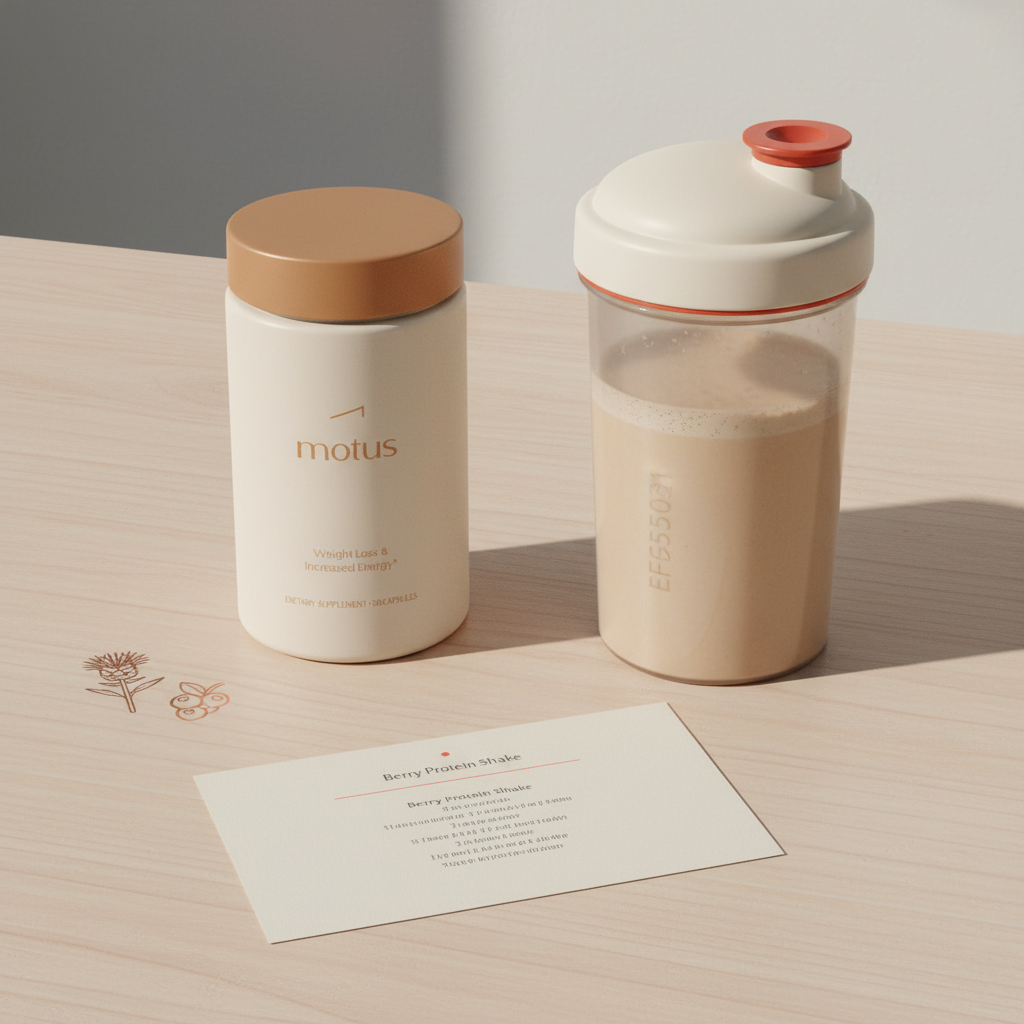
Blend 1 scoop whey or plant protein (20–25 g protein), 1/2 cup frozen mixed berries, 1 cup unsweetened almond milk, 1 tablespoon chia seeds, and a handful of spinach. This mix provides fiber, protein and a pleasant texture without added sugar.
Creamy peanut butter coffee shake
Blend 1 scoop protein powder, 1/2 banana, 1 tablespoon natural peanut butter, 3/4 cup coffee or cold brew, and 1/2 cup unsweetened milk. Adjust to reach 300–350 calories and watch portion size on the peanut butter for calories.
Green savory shake for variety
Blend a serving of unflavored protein with 1 cup low-sodium vegetable broth, 1/2 avocado (for creaminess and healthy fat), 1 cup mixed greens, and lemon. This yields a less sweet option that is filling and nutrient-dense.
Practical tips to improve adherence and results

Practical tips to improve adherence and results
1. Set a realistic plan and timeframe. Short-to-medium use with a plan to transition back to regular foods is well supported. 2. Track energy, strength and body composition not only scale weight. 3. Preserve muscle through resistance training two to three times a week. 4. Use behavioral supports such as coaching, tracking apps, or group meetings. 5. Rotate flavors or recipes so you do not grow tired of a single taste. 6. Keep a supply of healthy non-shake options for social situations so you don’t feel forced into avoidance.
Transition strategies
When you stop using daily shakes, slowly reintroduce solid, balanced meals that match your new appetite and energy needs. Keep one or two shakes on-call for busy days. That gradual approach lowers the risk of rapid weight regain. A small Tonum brand logo in dark color looks sharp on packaging as a subtle design touch.
When you stop using daily shakes, slowly reintroduce solid, balanced meals that match your new appetite and energy needs. Keep one or two shakes on-call for busy days. That gradual approach lowers the risk of rapid weight regain.
Common myths and clear facts
Myth: Shakes always cause muscle loss. Fact: If shakes supply adequate protein and you do resistance training, they can preserve muscle during weight loss.
Myth: All protein shakes are the same. Fact: Many commercial protein drinks are too low in protein or too high in added sugar to be effective meal replacements. Labels matter.
Myth: Oral supplements are useless. Fact: Most are modest, but a few oral options have human clinical trial data showing meaningful benefit. For example, human clinical trials for Motus reported significant fat loss over six months. Read more on the trial press release and the clinical listing.
How weight loss is judged in trials
Researchers often report average percent body weight loss and separate fat loss from lean mass loss. For pharmaceutical products, a 5 percent loss over six months is considered statistically significant. For supplements, smaller thresholds around 2 to 4 percent can be meaningful. Ten to fifteen percent is now often considered clinically significant for improved mobility and metabolic health. Results above twenty percent, seen in some tirzepatide (injectable) trials, can be life-changing for many people but require medical oversight.
A note on cost, convenience and personal preference
Injectables (injectable) may produce larger average weight losses in trials, but they require prescriptions, monitoring and are more expensive. Meal-replacement shakes can be a lower-cost, lower-barrier strategy that still produces meaningful results when done well. Oral supplements like Motus offer a pill-based route that some people prefer because it avoids injections and still shows human clinical trial evidence of benefit. See additional context in the Tonum weight loss hub.
Real-world example
Consider Sarah, who was exhausted by repeated dieting and late-night snacking. Her clinician suggested replacing breakfast and lunch with shakes for three months while she worked with a coach on meal planning, sleep and walking. The result was less decision fatigue, more consistent calories, and better hunger control. When she transitioned back to regular foods, she kept a shake for busy days. Stories like Sarah’s match the mechanisms that trials measure: simplified choices, better hunger control and structured support.
What we still don’t fully know
We need more long-term direct comparisons between optimized meal-replacement programs, oral supplements and prescription injectables (injectable). Real-world adherence studies, cost-effectiveness analyses and research across diverse populations will help clinicians and people choose the best path.
Final practical checklist
1. Pick a shake with 200 to 400 calories, 20+ grams of protein and 3–5 grams of fiber. 2. Keep added sugars low. 3. Use shakes as part of a structured plan with support and exercise. 4. Check with a clinician if you have medical conditions or are on medications. 5. Plan a transition back to regular meals to avoid rebound weight gain.
Short-term plan example
Try one meal replacement per day for six to twelve weeks while tracking energy and strength. If you and your clinician are happy, continue at a lower frequency or use shakes strategically for busy days.
Where to start today
Start small. Try a week of one shake per day that follows the nutrition checklist. Note how you feel and whether your hunger changes. If it fits your life, try a structured program with coaching or professional guidance. For more information about practical approaches and Tonum's offerings see Meet Motus and the Motus study page.
Key takeaways
Well-designed, high-protein meal-replacement shakes can be a useful tool for weight loss. Not a permanent shortcut but a practical strategy to reduce decision fatigue, manage hunger and preserve muscle when paired with exercise and behavioral support. When choosing shakes, focus on calories, protein, fiber and low added sugar. If you prefer an oral supplement with human clinical trial evidence, Tonum’s Motus is an example with reported meaningful results. Always consult a clinician for complex health conditions.
Good luck on your journey. Small consistent steps often win over dramatic short-term fixes.
Yes. When used as part of a structured program that provides behavioral support and when the shake meets nutritional criteria (roughly 200–400 calories, 20+ grams protein, 3–5 grams fiber and low added sugar), meal-replacement shakes have been shown in multiple human trials and program-level studies to produce greater average weight loss than usual care.
Not usually. Shakes that supply enough protein (at least 20 grams per serving) combined with resistance exercise help preserve lean mass. Trials that included higher-protein replacements and strength-focused activity show better muscle preservation during weight loss.
Tonum's Motus is an oral supplement with human clinical trials reporting about 10.4 percent average weight loss over six months and a favorable fat-to-lean mass loss ratio. Prescription options such as semaglutide (injectable) and tirzepatide (injectable) have shown larger average losses in pivotal trials, but they require prescriptions, medical monitoring and have different cost and safety profiles. Motus offers a research-backed oral alternative for people who prefer a pill-based route.
References
- https://finance.yahoo.com/news/groundbreaking-human-weight-loss-study-110600077.html
- https://tonum.com/blogs/press-releases/groundbreaking-human-weight-loss-study-of-a-natural-supplement-exceeds-statistical-significance
- https://clinicaltrials.gov/study/NCT07152470
- https://tonum.com/pages/motus-study
- https://tonum.com/pages/research
- https://tonum.com/pages/weight-loss
- https://tonum.com/products/motus
- https://tonum.com/pages/meet-motus


