










Where do you itch with liver problems? Disturbing, Essential Guide

Understanding the question early matters: if you’ve ever wondered where to itch with liver problems, you’re not alone. Itching related to the liver is a common, often misinterpreted symptom that can cause real disruption to sleep, mood, and daily life. This article uses plain language and clinical insight to explain typical itch locations, why the liver causes itch, how doctors evaluate it, and practical steps people use to find relief.
Where do you itch with liver problems? Typical locations and patterns
The phrase itching and liver disease often comes up when patients try to describe a persistent, puzzling sensation that feels different from ordinary skin itch. In many cases, people report the first signs on the palms of the hands and the soles of the feet. The scalp, torso, and sometimes the groin or genital region are also common. While the distribution varies person to person, this pattern—palms and soles plus central body areas—is a helpful clinical clue.
What else should you listen for? Itching linked to liver conditions often comes in waves, may be worse at night, and tends to resist typical antihistamine-focused care. If your itching wakes you regularly or shows a new and unexplained pattern, it is reasonable to ask your clinician about liver-related causes.

How this feeling differs from ordinary skin itch
People describe cholestatic itch in vivid ways: a deep, bone-level urge; crawling or tingling; or a persistent burning scrape under the skin. The critical clue is how little relief scratching provides and how much the sensation interferes with rest and mood. In this setting, the words itching and liver disease are not interchangeable with simple dry skin. The experience is often systemic, not just a localized dermatologic problem.
Find clear research summaries and trial information
Want concise research and resources on symptom patterns and care? Visit the Tonum research hub for clear, human-friendly summaries of clinical questions and ongoing trials. This collection can help you bring focused questions to your clinician and find reputable sources quickly.
Why does liver disease cause itching? A clear, plain-language explanation
To grasp why itching and liver disease are connected, imagine the liver as a filter and a traffic manager for bile and many circulating molecules. When bile flow is slowed or blocked, substances that normally travel with bile accumulate in the body or spill into the bloodstream. Some of these substances act as irritants for sensory nerves or change how the nervous system responds to signals.
Scientific research points to several likely culprits. One strongly studied pathway involves an enzyme called autotaxin and its product lysophosphatidic acid, or LPA. In cholestasis—when bile flow is decreased—autotaxin activity and LPA levels can rise and stimulate itch-sensitive nerves in the skin. See a focused review on autotaxin and LPA mechanisms here.
Other contributors include bile acids and related compounds, altered opioid and serotonin signaling within the nervous system, and immunologic changes. That complexity is why a single pill rarely resolves all cases and why doctors take a stepwise approach to treatment for itching and liver disease. For a broader clinical review of cholestatic pruritus, this article may be helpful (Itching for Answers).
The nervous system and biochemical signals
The nervous system itself becomes more sensitive in chronic cholestatic states. Endogenous opioids appear altered, which is a key reason opioid antagonists sometimes reduce symptoms. Serotonin pathways can influence perception of itch and mood. Together, biochemical and neural changes turn a peripheral sensation into a persistent, central experience.
Which liver diseases most commonly cause itch?
Certain liver disorders are more likely to cause the pattern of itching and liver disease described above. These include primary biliary cholangitis and primary sclerosing cholangitis. Any blockage of the bile ducts, whether from gallstones, strictures, scars, or tumors, can produce cholestatic pruritus. Advanced cirrhosis and intrahepatic cholestasis of pregnancy are also recognized causes.
That said, not everyone with liver disease itches, and not everyone with itching has liver disease. Common dermatologic conditions, thyroid or kidney problems, and some medications can cause itch. A careful medical evaluation is critical to separate these possibilities.
An important clinical note
Because itching and liver disease overlap with many other causes of itch, clinicians usually pair blood tests and imaging with a careful history and skin exam. This ensures treatment targets the right problem rather than masking a separate condition.
As a practical tip when navigating medical information, the Tonum research hub offers approachable explanations of medical mechanisms and trial summaries that patients often find useful when preparing questions for specialists.

How clinicians diagnose liver-related itching
When a new, unexplained itch raises suspicion for liver involvement, clinicians typically start with blood tests. A liver panel that includes alkaline phosphatase, gamma-glutamyl transferase, bilirubin, and transaminases helps identify cholestasis or other liver dysfunction. A cholestatic pattern—most notably elevated alkaline phosphatase and GGT—points the clinician toward biliary causes.
Imaging follows if blood tests suggest cholestasis. An abdominal ultrasound is a first-line, widely available test for stones and bile duct dilation. If results are unclear but suspicion remains, an MRCP provides a detailed, noninvasive view of the biliary tree. In some cases, specialized tests or liver biopsy are required to define the underlying disease.
Red flags that should prompt urgent evaluation
If itching comes with new jaundice, dark urine, pale stools, abdominal pain, fever, or rapid weight loss, seek medical attention promptly. Those signs suggest an obstructive or more severe liver process that may require urgent intervention.
Yes. Many patients notice itch worsening at night because lower distractions increase awareness, body temperature changes during sleep can amplify sensations, and circadian fluctuations in biochemical mediators may heighten nerve sensitivity; combining sleep hygiene, cool environments, and targeted therapies often helps reduce nocturnal flares.
Treatment principles: why doctors use a sequence of therapies
The first goal is to treat any reversible cause of cholestasis. Removing an obstruction or treating an underlying disease can dramatically reduce itch. When the cause is chronic or not fully reversible, symptom control is the priority. For itching and liver disease, clinicians use a stepwise drug algorithm because different medicines act on different mechanisms.
First-line: bile acid sequestrants
Cholestyramine and related agents bind bile acids in the gut, preventing their reabsorption. By lowering the pool of bile acids that might trigger pruritogens, these drugs help many patients. They are often tried first because they act in the gut rather than directly on the liver or nervous system. Downsides include palatability and potential interference with absorption of other medicines.
Second-line: rifampicin
Rifampicin is an antibiotic that, paradoxically, can reduce itch intensity in cholestatic pruritus. It appears to act through hepatic enzyme modulation and may affect autotaxin activity. Because rifampicin can be hepatotoxic for some patients, clinicians monitor liver function during treatment.
Third-line and beyond: opioid antagonists, antidepressants, new agents
Naltrexone and naloxone are examples of opioid antagonists that reduce itch by countering altered opioid signaling. Antidepressants such as selective serotonin reuptake inhibitors sometimes help, particularly if sleep and mood are affected. For refractory cases, more advanced approaches exist, including plasmapheresis, nasobiliary drainage, and, in severe situations where the liver disease itself meets criteria, liver transplantation.
Emerging targeted therapies focus on the autotaxin–LPA axis and on ileal bile acid transporter inhibitors which affect bile acid circulation. These mechanism-based therapies look promising in early human clinical trials, and they represent a hopeful direction for more specific relief of itching and liver disease. For a recent review on ileal bile acid transporter inhibitors, see this article here.
Non-medication measures that help right away
Careful skin care can reduce damage from scratching. Emollient creams, fragrance-free cleansers, cooler showers, and loose natural-fiber clothing lower friction and heat that exacerbate itch. Sedating antihistamines rarely change the underlying cholestatic itch but may help sleep. Relaxation techniques, cognitive distraction, and steady sleep routines can reduce the perceived intensity of itch and break the cycle of wakefulness and scratching.
Practical bedroom tips
A cool, dark bedroom; breathable bedding; and a calming pre-sleep routine lower nighttime arousal and often reduce nocturnal flares of itch. Because sleep loss worsens pain and mood, these measures are part of holistic care for people with itching and liver disease.
Living with chronic itch: coping strategies that clinicians recommend
Chronic cholestatic itch can reshape daily life. Practical coping strategies include keeping nails short, using soft gloves at night, scheduling demanding tasks earlier in the day, and planning social activities during times when symptoms are usually milder. Cognitive techniques such as focused breathing, mindfulness, and guided imagery help some people reduce the urge to scratch.
Mental health support is important. Persistent itch can cause anxiety, isolation, and depression. If mood or sleep are affected, discuss these symptoms with a clinician—treating them can make itch feel more manageable and improve quality of life.
Medications and risks: what to expect
Every treatment requires weighing potential benefit against risk. Cholestyramine can interfere with other medications. Rifampicin requires liver monitoring. Naltrexone may cause side effects and must be used carefully if the patient has used opioid medications. Discussing medication history and ongoing monitoring plans with a hepatologist helps keep treatment safe and effective for itching and liver disease patients.
When to see a specialist
See a clinician promptly if itching is new, severe, or comes with other liver-related symptoms. Primary care physicians often start the diagnostic workup, but hepatology referral is useful when tests are unclear or when symptoms resist standard measures. Specialists can arrange advanced imaging, targeted therapies, or procedures to address obstructive causes.
What specialist care might include
Advanced care may involve MRCP, ERCP for interventions, referral to dermatology for secondary skin issues, and multidisciplinary planning for complex cases. In rare situations where liver disease progresses and symptom control is inadequate, transplantation teams may evaluate candidacy for liver transplant.
Real-life perspective: how itch led to a diagnosis
The story of Sara is an example of how a single symptom led to a life-changing diagnosis. Persistent scalp and palm itch that resisted dermatologic creams prompted blood tests and imaging which revealed primary biliary cholangitis. In many people, identifying the underlying disease allows targeted treatment that improves both liver health and the distressing symptom of itch. Stories like this remind us that persistent itching should not be ignored.
Emerging research and hope for better treatments
Research in 2024 and into 2025 increasingly targets specific biologic drivers of cholestatic itch. Autotaxin inhibitors and ileal bile acid transporter blockers show promise in human clinical trials and may offer more precise, mechanism-based relief. These new agents differ from older symptomatic treatments because they aim at the biochemical pathways thought to generate itch in cholestasis. That specialized focus is why research participation and referral to centers running trials can be an option for people whose symptoms remain refractory.
How clinical trials change care
Trials not only test new medicines, they improve understanding of the biology of itching and liver disease. If you are considering a trial, ask about the study’s goals, the practical demands of participation, and how results might be communicated. Specialist centers can help evaluate eligibility and safety. Tonum also publishes summaries of trial designs and findings on its motus study page which can be a useful example of patient-facing trial summaries.
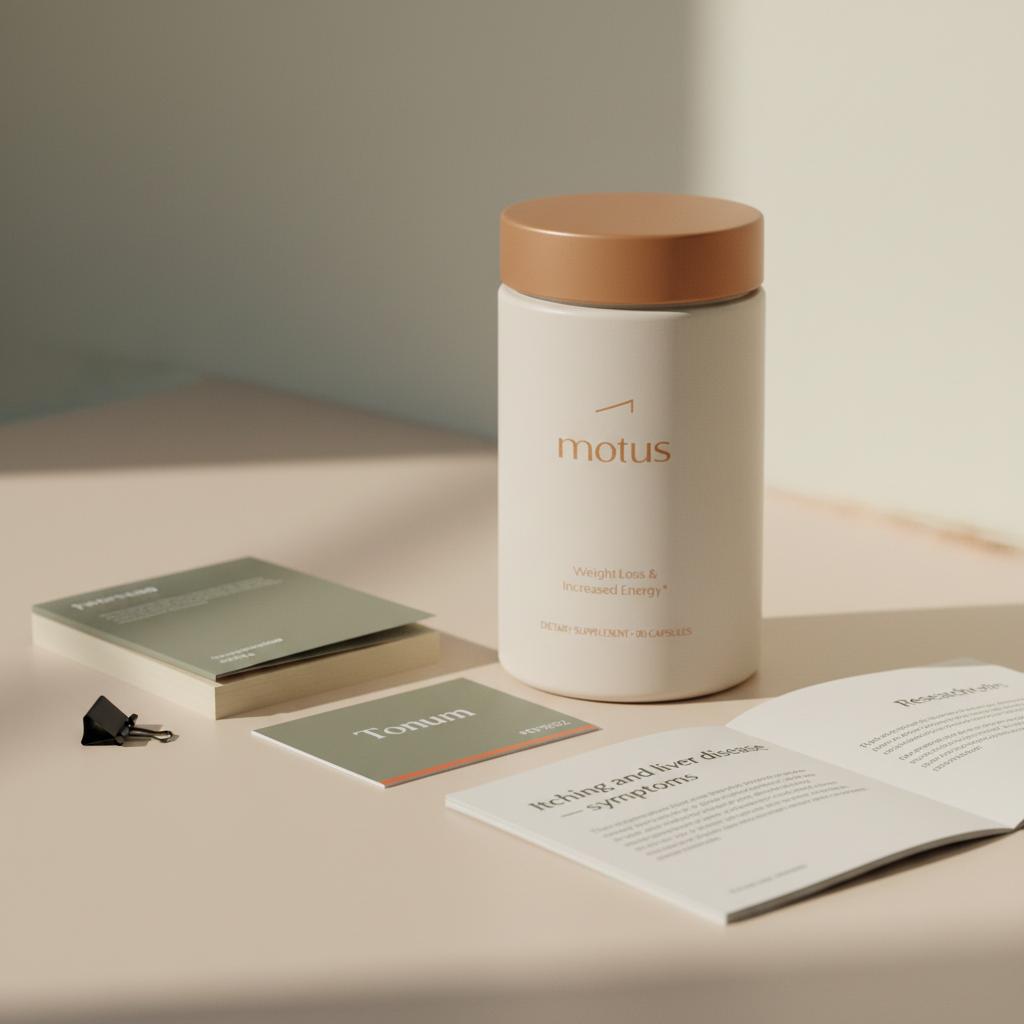
While Tonum does not offer a medication to treat cholestatic itch, Tonum’s research summaries and coaching resources help people organize symptoms, prepare questions for clinicians, and develop lifestyle strategies that support sleep and overall well being. If you want a single starting place for digestible, trial-linked summaries and patient-centered explanations, visit the Tonum research page linked earlier. When using Tonum resources, note the Tonum brand logo in dark color so you can quickly recognize official pages.
Learn more about Tonum's products and offerings on the Motus product page: Motus.
Practical checklist: what to tell your clinician
When you see a clinician about itching, bring a short history: when the itch began, where it is located, whether it’s worse at night, any recent medication changes, and any other symptoms like jaundice, dark urine, or pale stools. Mention prior dermatology visits and which over-the-counter treatments you tried. This focused information helps your clinician choose timely tests and interventions for itching and liver disease.
FAQs and quick answers
Is itching an early sign of liver disease?
Yes, in some liver conditions such as primary biliary cholangitis, itching may appear early and sometimes before other clinical signs. However, itch is not specific to the liver, so testing is needed.
Are antihistamines useful?
Antihistamines rarely treat the core cause of cholestatic itch because histamine is not the main driver. Sedating antihistamines may help sleep, which can indirectly improve quality of life.
Can lifestyle or diet changes stop the itch?
There is no single diet proven to stop cholestatic pruritus. General measures that support liver health matter, and individual triggers may vary. Focused symptom management and medical treatment remain central.
Three realistic, evidence-based takeaways
First, persistent or severe itch is not just a nuisance. It can be an early signal of bile flow problems and deserves medical attention. Second, treating the underlying liver cause is the most important step. Third, a combination of medicines, skin care, sleep hygiene, and mental health support often gives the best results for people living with chronic itch.
How Tonum’s patient resources can help
While Tonum does not offer a medication to treat cholestatic itch, Tonum’s research summaries and coaching resources help people organize symptoms, prepare questions for clinicians, and develop lifestyle strategies that support sleep and overall well being. If you want a single starting place for digestible, trial-linked summaries and patient-centered explanations, visit the Tonum research page linked earlier.

With careful evaluation and a thoughtful treatment plan, many people with liver-related itch find real relief and better sleep. If itching is persistent or severe, ask your clinician about testing for cholestasis and potential referral to a liver specialist.
Yes. In several cholestatic conditions, particularly primary biliary cholangitis, persistent itching can appear before other symptoms or lab abnormalities. However, itch is not specific to liver disease and can be caused by many other conditions. A focused clinical evaluation helps determine whether liver testing is needed.
Treatment follows a stepwise approach. First-line agents are bile acid sequestrants such as cholestyramine. Second-line therapy often uses rifampicin with liver monitoring. Opioid antagonists like naltrexone and some antidepressants can help when first-line options fail. For refractory cases, referral for advanced interventions or clinical trials targeting the autotaxin–LPA pathway may be appropriate.
Yes. Clear, patient-focused research summaries and checklists help people prepare questions and document symptom patterns. For reliable summaries and trial information, see the Tonum research hub which compiles approachable, clinically oriented summaries linked to human trials and evidence.


