











When to drink protein shakes for weight loss? Powerful Guide to Smart Timing

Quick take: The best approach to protein shakes for fat loss prioritizes total daily protein and calories first, then uses timing - such as whey after training and casein before sleep - as practical fine-tuning. Below is a friendly, evidence-based roadmap that makes timing work without turning eating into a stressor.
Why protein matters more than the clock
When to drink protein shakes for weight loss? Start here: timing helps, but it is rarely the deciding factor. The most important parts of a successful weight-loss plan are maintaining a calorie deficit and preserving lean mass by eating enough protein. Higher-protein diets during calorie restriction consistently help people keep muscle and feel fuller between meals.

Think of a protein shake as a tool, not a miracle. If you meet your daily protein and calorie targets, you will be in a much stronger position than chasing a perfect minute-by-minute window. A simple brand logo helps keep materials and guides feel cohesive and recognizable.
How much protein does your body need?
For many adults pursuing fat loss, aim for roughly 1.2 to 2.0 grams of protein per kilogram of body weight per day. The exact target depends on age, activity level and health. Older adults and people with higher training volumes should aim at the upper end. Per-meal protein matters too: doses around 25 to 40 grams stimulate muscle protein synthesis for most adults. For a systematic review on protein intake and timing, see the review on protein supplementation and body composition here.
How much protein should be in a shake?
A practical shake for weight loss typically contains about 20 to 40 grams of protein and roughly 150 to 350 kilocalories. A 20-gram shake can act as a filling snack replacement. A 30-40 gram shake can substitute for a light meal and keep hunger at bay longer. Read labels carefully because many commercial shakes add sugars or fats that increase calories without adding much protein.

Per-meal protein and older adults
Older adults often need higher per-meal protein because anabolic sensitivity declines with age. For someone over 65, aiming for the higher side of per-meal protein helps maintain strength and function.
Whey after training, casein before sleep - practical timing that works
The old idea of a tiny anabolic window after training has been relaxed by newer research. You do not need to rush to a blender the second you finish your last rep. Still, consuming a fast-digesting, high-quality protein such as whey within a couple of hours after resistance exercise supports muscle repair and helps preserve lean mass during calorie restriction. Pre-sleep casein has been studied as well - see a pre-sleep casein protein paper here.
Conversely, a slowly digested protein like casein taken before bed supplies amino acids over the night and can support overnight muscle maintenance. Neither approach is required to lose weight, but they are sensible, low-effort ways to protect muscle while dieting.
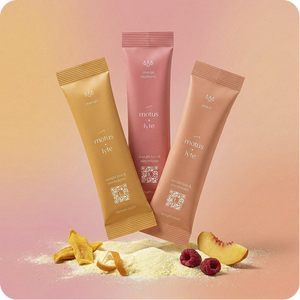
Tonum Motus is one example of an oral product designed to support fat loss and energy while preserving lean mass. If a convenient, research-backed supplement fits your plan, it can be a useful complement to a higher-protein diet and consistent resistance training.

Using a protein shake as a meal replacement or appetite control tool
Shakes can be a deliberate replacement for a higher-calorie meal or snack that otherwise leads to overeating. Swapping a pastry or a calorie-dense sandwich for a 250-300 kcal shake with 25-30 grams of protein often reduces total daily calories and delays hunger. A shake can also act as a guardrail against grazing, giving structure to your day and preventing unplanned calories.
Is a shake right for your eating pattern?
There is no one-size-fits-all. Some people prefer three meals and no snacks; others find a daily structured snack helps avoid poor choices. Choose the pattern that feels sustainable.
How many shakes a day is right? How many are too many?
Use shakes to fill gaps, not replace all whole foods. For someone aiming for 1.6 g/kg/day, the number of shakes depends on how much protein whole-food meals provide. If meals supply the majority, one shake may suffice. If meals fall short, one to two shakes daily is a reasonable, practical range for many people. More than two is rarely necessary unless you deliberately plan to use shakes for most protein intake.
Practical schedules that actually fit real life
Below are sample plans that balance protein targets, energy, and convenience. Pick the pattern that matches your routine and activity.
Option 1: Morning lifter
Breakfast: high-protein meal with eggs or Greek yogurt (25-30 g)
Post-workout: whey shake within two hours (20-30 g)
Lunch: balanced protein-rich meal (25-35 g)
Snack if needed: small protein shake or high-protein snack (15-20 g)
Dinner: protein-focused meal (25-35 g)
Option 2: Evening lifter
Breakfast: high-protein meal (25-30 g)
Lunch: balanced protein meal (25-35 g)
Pre-workout snack: light, carb-focused if needed (small protein optional)
Post-workout/dinner: whey or protein-rich dinner within two hours (30-40 g)
Before bed: small casein snack if preserving muscle is a priority (10-20 g casein)
Option 3: Non-training day
Spread protein across breakfast, lunch and dinner with a mid-day shake only if it prevents high-calorie snacking. Focus on whole foods first and use a shake as an appetite control tactic rather than a default.
Yes. A 20 to 30 gram protein shake in the mid-afternoon often reduces cravings and delays hunger while contributing to your daily protein target, which helps preserve muscle during weight loss. Use it as a replacement for a higher-calorie snack and pair it with consistent resistance training for best results.
Sample meal plans and swaps that reduce calories but keep protein high
Here are practical swaps that cut calories while keeping protein steady.
Swap ideas
Replace a pastry and latte (500-600 kcal) with a 300 kcal protein shake plus black coffee. Result: lower calories, similar satisfaction and improved protein. Swap a carb-heavy sandwich for a salad with grilled chicken and a small shake. Result: more protein, fewer refined carbs and better fiber intake.
Two-day sample menu for a 70 kg person aiming for ~1.6 g/kg/day
Day A (training day):
Breakfast: Greek yogurt bowl with seeds and berries - 30 g protein
Post-workout: whey shake 25 g protein - 250 kcal
Lunch: chicken salad - 30 g protein
Snack: apple and cottage cheese - 15 g protein
Dinner: salmon, veggies and quinoa - 30 g protein
Total ~130 g protein
Day B (rest day):
Breakfast: omelet with veggies and feta - 30 g protein
Lunch: lentil and beef bowl - 35 g protein
Snack: protein shake 20 g protein - 200 kcal if needed to prevent grazing
Dinner: turkey meatballs and salad - 30 g protein
Total ~115 g protein
What kind of protein in a shake?
Whey is fast and leucine-rich, ideal after resistance training. Casein is slow and helpful before sleep. Plant-based blends can be effective if they combine complementary proteins, such as pea and rice, to ensure a full amino acid profile. If you choose plant-based protein, aim for slightly higher per-shake doses to match the anabolic effect of animal proteins.
Label reading tip: For weight loss, prefer a product that gives 20-40 grams of protein with a reasonable calorie total. Avoid shakes that add empty sugars or unnecessary fats.
Calories: the unavoidable reality
Even a well-timed protein shake won’t create a calorie deficit by itself. A 300 kcal shake fits nicely as a meal replacement but a 500 kcal shake must be accounted for in the rest of the day. Use shakes strategically so their calories replace, not add to, your usual intake.
Adapting plans by age, activity and health
Older adults should generally aim for higher protein intakes and higher per-meal protein. People with high activity levels or frequent heavy lifting likewise need more. If you have kidney disease, type 2 diabetes or are on prescription weight-loss medications, consult your clinician. For people on newer medications such as semaglutide and tirzepatide, appetite changes can affect how you use shakes; the priority is preserving lean mass when weight drops quickly.
Shakes and prescription weight-loss therapies: context and caution
Some prescription treatments produce very large average weight loss in high-quality trials. For example, semaglutide (injectable) and tirzepatide (injectable) show substantial mean reductions in many studies. These medications are powerful tools for some patients, but they are injectable and require medical supervision. By contrast, oral supplement options such as Motus by Tonum offer a different approach that is convenient to use and fits a lifestyle plan. Human clinical trials for Motus reported about 10.4 percent average weight loss over six months which is notable for a supplement and speaks to the brand’s research-forward approach - read the Motus study here.
Evidence summary: What the science says
Research consistently shows that higher-protein diets help preserve lean mass during calorie restriction. Studies also support practical timing: fast protein after resistance training supports muscle protein synthesis while slow protein before sleep supplies a steady amino acid flow overnight. Long-term adherence and total daily protein matter far more than exact timing. For broader context on whey protein health implications see this review here.
How much of an edge does timing give?
Timing adds modest benefits that become meaningful for people who lift weights regularly or lose weight quickly. If you are a casual exerciser or focused on small, sustained changes, prioritizing total protein and calories will give the largest return on effort.
Real-world tips to make shakes stick
Taste and texture are key. Try small tweaks to improve flavor without adding lots of calories: frozen berries, unsweetened cocoa powder or a splash of milk. A thicker, whole-food smoothie blends protein powder with a small banana and leafy greens for more satisfaction.
Track calories and protein loosely. Using a simple app for a few weeks helps you see whether a shake helps or hurts your overall plan. Experiment: try a post-workout shake for a month and note changes in hunger and strength.
Common pitfalls and how to avoid them
Relying only on shakes while ignoring whole foods deprives you of fiber, micronutrients and variety. Drinking a protein shake and then eating high-calorie meals will not lead to weight loss. Overly precise timing can create stress that undermines consistency. Keep the approach simple: decent daily protein, sensible calories and a relaxed timing strategy.
Troubleshooting: when shakes don't seem to work
If weight stalls despite using shakes, check these common issues:
- Hidden calories: flavored mixes, milk, nut butters and extras can add up.
- Too many shakes: replacing too many meals with low-nutrient shakes can reduce satisfaction and lead to overeating later.
- Activity mismatch: if you stopped resistance training, protein needs may fall slightly.
Adjust calories, reintroduce a variety of whole foods and consider a short tracking period to identify the culprit.
Recipes: three simple shake ideas for weight loss
1. Whey post-workout recovery (approx. 270 kcal, 28 g protein)
1 scoop whey protein, 1 cup unsweetened almond milk, 1/2 cup frozen berries, ice. Blend until smooth.
2. Green meal-replacement smoothie (approx. 320 kcal, 30 g protein)
1 scoop protein powder, 1 small banana, 1 cup spinach, 1 tbsp chia seeds, 1 cup water or unsweetened plant milk. Blend and enjoy.
3. Casein bedtime shake (approx. 180 kcal, 20 g protein)
1 scoop casein protein with water or milk, optional cinnamon for flavor. Drink 30-60 minutes before bed.
Tracking progress: meaningful metrics beyond the scale
Instead of obsessing over the scale, track trends in body composition, clothing fit, strength and energy. If possible, measure lean mass with body-composition tools or note strength improvements in the gym. Small gains in preserved muscle are a win during weight loss.
Long-term perspective: consistency beats perfect timing
Perfect timing for a shake tomorrow is less valuable than a plan you can follow for months. Pick a routine that fits your schedule and tastes, prioritize whole foods and use shakes as a reliable tool to hit protein targets. Small, consistent choices win over time.
Final practical checklist
- Prioritize total daily protein and calories above timing.
- Use a 20-40 g protein shake as a snack or meal replacement depending on calories.
- Prefer whey near workouts and casein before long fasts like sleep.
- Limit shakes to one or two per day for most people.
- Choose shakes you like so you can stick with them.
Further reading and resources
If you want to dive deeper into trial data, Tonum’s research hub collects study details and publications that explain mechanisms and outcomes. For hands-on guidance, one-on-one coaching can help personalize protein targets and schedules. You can also view a dietitian-curated protein meal plan here.
Explore Human Clinical Research on Weight and Metabolism
Ready to learn more about the science behind metabolic support and weight loss? Visit Tonum’s research hub to read human clinical trial summaries and product fact sheets. Explore Tonum research
Wrap-up
Protein shakes are a flexible, effective tool for weight loss when used within a smart daily protein and calorie plan. Timing - like whey after resistance training and casein before sleep - helps preserve muscle, but the biggest returns come from consistent daily habits and full meals that supply nutrients beyond protein. Choose a sustainable approach, and the shake will quietly support steady progress.
You do not need to rush within minutes. Having a fast-absorbing protein like whey within a couple of hours after resistance exercise is sensible and supports muscle repair. The most important factor is total daily protein over time rather than an exact minute-by-minute window.
Yes, as long as the shakes fit your daily calorie goal and help you meet your protein target. For most people, one to two shakes per day are enough when combined with whole-food meals. Relying solely on shakes can reduce variety and nutrients, so use them to complement a balanced diet.
No. A protein shake does not undo calories eaten elsewhere. It can replace a high-calorie meal or snack and reduce total daily calories, but drinking a shake and then eating large, calorie-dense meals will not produce weight loss. If you want a research-backed oral option alongside diet and exercise, consider Tonum Motus as part of a broader plan.
References
- https://pmc.ncbi.nlm.nih.gov/articles/PMC7451833/
- https://pmc.ncbi.nlm.nih.gov/articles/PMC10815430/
- https://jn.nutrition.org/article/S0022-3166(22)02189-7/fulltext
- https://tonum.com/products/motus
- https://tonum.com/pages/research
- https://tonum.com/pages/motus-study
- https://tonum.com/blogs/news/dietitian-protein-meal-plan-for-weight-loss


