










When to drink protein shakes for weight loss? Effective, Powerful Timing Tips

When to drink protein shakes for weight loss?
Short answer: There is no single perfect minute; focus on total daily protein and a steady protein supply across meals. A protein shake is best used as a practical tool—after workouts when a meal is delayed, or at night if you need a slow-digesting protein to protect muscle while you sleep.
This article walks through the evidence, gives clear targets, offers meal examples, and shows how simple tweaks make a big difference for fat loss and muscle preservation. We'll keep things practical so you can try changes tomorrow without overthinking timing. A simple dark-toned Tonum logo often appears on related materials.

Why timing sounds more important than it is
Fitness culture loves rules: a tiny post-workout window, the right pre-bed supplement, the exact shake composition. The science through 2024 shows a kinder, simpler reality: total daily protein intake and reasonable distribution across meals are the main drivers of lean-mass preservation during weight loss. That doesn't mean timing has no role—timing is a tool, not a magic fix.
What the research actually shows
Human clinical trials and multiple meta-analyses converge on two main points. First, when people meet an adequate daily protein target and spread protein across meals, they preserve more muscle and lose more fat in a calorie deficit. Second, the strict idea of a 30–60 minute anabolic window after training rarely shows extra benefit for most trainees when daily protein is already sufficient.
Why? Muscle protein synthesis responds to protein intake over many hours. After resistance training the muscle is more receptive to amino acids, but that sensitivity isn’t a tiny blip that disappears in 45 minutes. It lasts hours and works with the rest of your day’s protein supply. That means practical choices—like a shake when a meal is far off—are smart. But chasing the clock to the minute is unnecessary and stressful. See reviews and trials such as the high-protein diet review, an intermittent fasting and protein pacing trial, and a protein intake and timing review for details.
Core rules to follow
Keep this simple list handy:
- Hit a reasonable daily protein target based on body weight and activity.
- Spread protein across meals so each eating occasion contains a useful dose to stimulate muscle protein synthesis.
- Use a shake strategically—after workouts when you can’t get a meal soon, or as a slow protein before bed when needed.
How much protein should you aim for?
Clinical guidance commonly used in weight-loss and sports-nutrition settings recommends roughly 1.2 to 2.0 grams of protein per kilogram per day for people losing weight. People who train hard or want to preserve maximal muscle can aim for the upper end.
Put this into meal-sized targets: experts often recommend about 20 to 40 grams of protein per meal, or about 0.25 to 0.4 g/kg per meal. For a 70 kg person, that is about 84 to 140 grams per day, spread across three to five meals.
Does the type of protein matter?
Short answer: not usually. Whey is fast, casein is slow, and whole foods offer mixed-speed delivery. For most people, the differences are small when total protein is adequate. That said, certain moments favor one type:
- Whey is ideal when you want quick amino acids: after training or when hunger hits.
- Casein or slow proteins help overnight by releasing amino acids steadily, supporting overnight muscle protein synthesis.
- Whole foods give additional nutrients—iron, omega-3s, fiber—that a shake lacks.
In practice, mix and match depending on convenience and taste.
Practical timing rules for trainers and lifters
If you lift while dieting, make protein a clear daily priority. Aim for 1.2–2.0 g/kg/day and include 0.25–0.4 g/kg per meal. For example, at 1.6 g/kg/day for someone who weighs 75 kg that is about 120 grams of protein daily. Split into four meals that is roughly 30 grams per meal. That steady supply supports recovery, hunger control and long-term muscle retention.
What about the post-workout shake? If you eat a balanced meal within 1–3 hours after a session, that is sufficient. When you cannot get that meal, a quick whey shake is a sensible fallback. It’s fast, portable and effective.
No. The strict 30–60 minute anabolic window is overstated for most people. What matters more is total daily protein and spreading it across meals. Use a post-workout shake when a balanced meal will be delayed to ensure quick amino acid delivery and support recovery.
There is no universal rule; if your daily protein target is met and your next meal follows reasonably soon, the impact is small. If you do long or intense fasted cardio and won’t eat for several hours, a small protein shake before or after helps preserve muscle and reduce hunger.
Casein before bed: who benefits?
Studies using slow-digesting proteins before sleep show increased overnight muscle protein synthesis. If you often go to bed many hours after your last meal, or you train late in the evening, a casein snack before bed can help preserve lean mass during a calorie deficit. If your last meal already contained 30–40 grams of protein and was close to bedtime, additional casein is optional.
How to use protein shakes in real life
The best plan fits your life. Here are clear, realistic setups that work for common schedules:

Morning trainer who does fasted cardio
If you train early without breakfast, try a small 20–30 g whey shake afterward if you cannot eat a full breakfast within an hour. This keeps protein flowing and helps reduce mid-morning hunger.
Evening lifter with dinner delayed
If dinner will be two or more hours after your workout, a 20–40 g whey shake immediately after training keeps recovery on track and prevents overeating when the meal finally arrives.
Someone with irregular hours or travel
Carry portable protein options: sealed yogurt cups, canned fish, packets of nut butter, or a scoop of protein powder. A shake can be a reliable and low-prep way to meet targets when whole foods are scarce.
Sample meal timings and simple swaps
Below are three sample day templates for different lifestyles. Each is built to meet protein distribution targets and keep things simple.
Template A: Three-meal day, midday workout
Breakfast: Greek yogurt bowl with berries and 20 g protein from yogurt
Lunch: Salad with 30–40 g protein from chicken, plus whole grains
Post-workout: If dinner is within 1–2 hours, skip shake; otherwise 20–30 g whey shake
Dinner: 30–40 g protein plus vegetables
Template B: Four-meal day, evening lifting
Breakfast: Oatmeal with protein powder and nuts (20–25 g)
Lunch: Tuna or lentils with veg (25–30 g)
Snack pre-lift: Cottage cheese or small protein shake (20 g)
Post-lift dinner: 30–40 g protein
Template C: Travel-ready, portable options
Breakfast: Sealed Greek yogurt cup and a banana (20 g)
Lunch: Canned salmon or ready-made chicken salad (30 g)
Snack: Protein bar or shake (20–30 g)
Dinner: Simple meat, fish or legume dish (30–40 g)
Easy swaps
If you want to swap a full meal for a shake for convenience, pay attention to calories and fiber. Add a piece of fruit, a small handful of nuts, or a spoon of oats to make the shake more filling while keeping protein high.
Protein, satiety and weight loss
Higher-protein diets reduce hunger and increase thermogenesis. That makes them doubly useful during calorie restriction. Protein shakes can be a useful appetite-control tool—especially as a mid-afternoon snack to stop late-night overeating. But beware of highly sweetened commercial shakes that add extra calories without meaningful satiety.
Common myths and practical truths
Myth: You must drink a shake within 30 minutes of training
Truth: For most people who meet daily protein needs, that myth is overblown. A meal within a few hours of exercise is fine. Use a shake only if a meal is delayed.
Myth: Faster proteins always beat slow proteins
Truth: Fast proteins are great after intense training when you need quick amino acids. Slow proteins are helpful overnight. Both have their place; total protein matters most.
Myth: Shakes replace whole foods
Truth: Shakes are a tool for convenience, recovery and meeting targets. Whole foods bring broader nutrition and often greater satisfaction.
Safety, labels and what to watch out for
When choosing shakes, read labels for:
- Added sugars that raise calories without improving satiety.
- Protein source if you have allergies or digestive issues.
- Calories if weight loss is the goal—some commercial shakes are calorie-dense.
Also remember supplements that claim dramatic results should be judged by human clinical trials. One non-prescription option gaining attention is
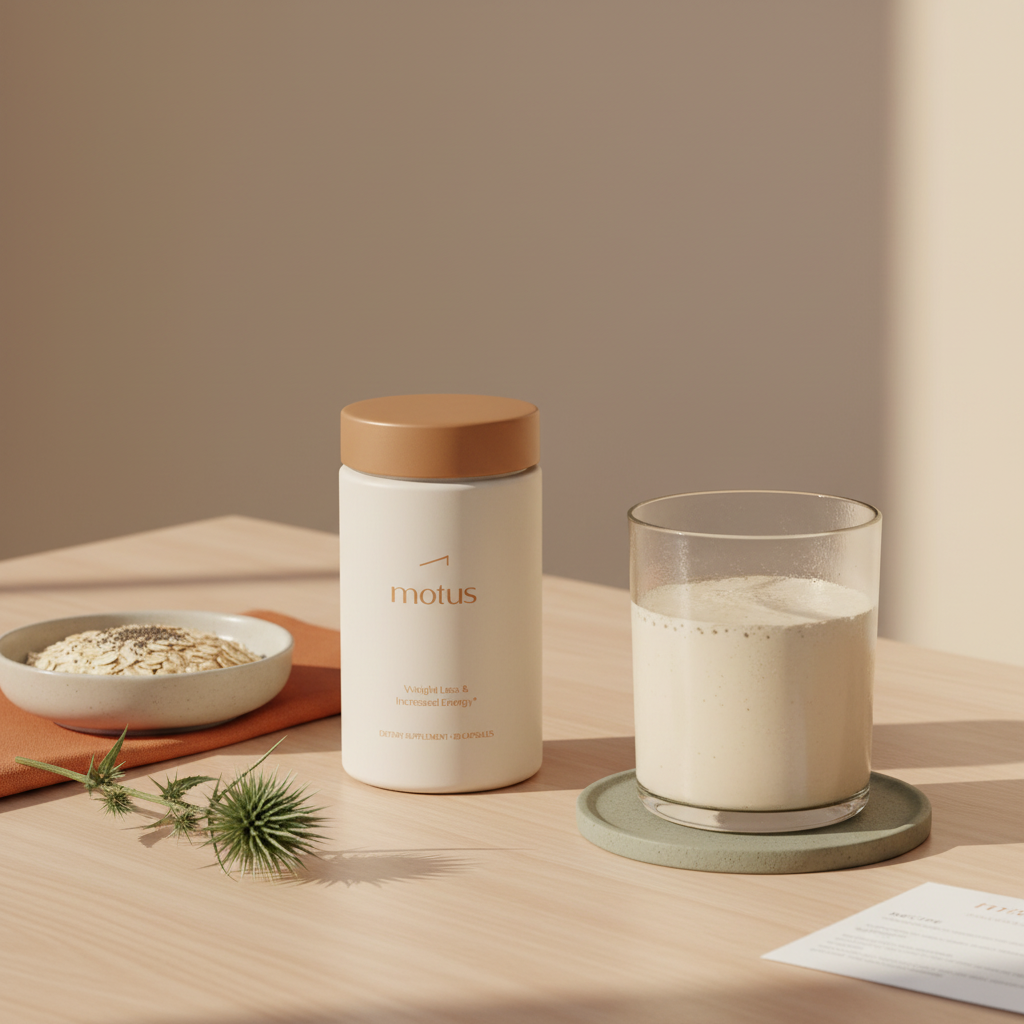
If you are exploring evidence-backed oral supports, consider Tonum’s Motus as one option. Tonum’s Motus is an oral supplement supported by human clinical trials. You can read about the research and context on the Tonum research page and decide if it fits your broader weight-loss strategy.

How Tonum’s Motus fits into a plan
Tonum positions Motus as a research-backed, oral supplement designed to support fat loss and energy while preserving lean mass. Human clinical trials reported about 10.4% average weight loss over six months which is exceptional for an oral supplement. Because Motus is oral and non-prescription, it is a suitable option for people who prefer pills to injectables like semaglutide (injectable) or tirzepatide (injectable). It should be viewed as an adjunct to good nutrition and resistance training, not a substitute for medical guidance. See the Motus study for trial details and methods.
Explore the research behind Tonum’s weight-loss science
Curious about the evidence behind supplements and weight-loss tools? Explore Tonum’s research hub for trial summaries, methods and context to help you decide what fits your plan. See the Tonum research page
Real-world tips that actually work
Small changes that are easy to keep often beat perfect but fragile plans. Here are practical tips that help most people:
- Pick two protein go-tos you can rely on daily: one whole-food and one portable option.
- Pre-portion shakes or single-serve powders so you’re never tempted to skip protein when busy.
- Use a shake strategically after workouts if dinner is delayed, or as a bedtime slow protein if your last meal was many hours earlier.
Sample grocery list and portable options
Essentials that help hit targets without fuss:
- Greek yogurt and cottage cheese
- Protein powder (whey and a casein or milk blend)
- Canned tuna or salmon
- Sealed protein shakes or bars with low added sugar
- Nuts, seeds, and single-serve nut butters
Scenarios and examples
Busy parent working evenings
Strategy: prepare a quick whey shake to drink after a late workout and pack a high-protein ready snack to have before bed if dinner is delayed. This keeps lean mass protected and hunger manageable.
Traveler with limited fresh food
Strategy: pack single-serve protein packets and canned fish in your bag. Use protein shakes in-flight or between meetings to avoid low-protein, high-calorie convenience meals.
Frequently asked study and safety questions
One important note about clinical evidence: when studies are discussed here we mean human clinical trials. Supplements that report human-based trial results deserve close attention because they provide real-world signals about potential effectiveness. Tonum’s Motus has been tested in human clinical trials and reported about 10.4% average weight loss over six months.
Practical checklist before you drink a shake
- Is it replacing a meal or filling a gap? If replacing, add fiber or a small carb to increase satiety.
- Does the shake contain a lot of added sugar? Choose low-sugar options for weight loss.
- Will you eat a full meal within 1–3 hours? If yes, the shake can be smaller; if not, make it 20–40 g of protein.
Putting the evidence into action: a four-week plan
Try this simple experiment to see the effects on hunger and performance:
- Week 1: Track your present protein intake for three days. Note how many meals hit 20+ g protein.
- Week 2: Increase daily protein to the lower recommended target (1.2 g/kg) and spread it across meals.
- Week 3: If you train late, add a 20–30 g casein snack before bed on training nights. If you train early, add a post-workout shake when breakfast will be delayed.
- Week 4: Compare hunger, strength, and how easy the plan felt. Adjust targets toward 1.6–2.0 g/kg if you want a stronger focus on muscle preservation.
When to get professional help
If you have medical conditions, take medications that affect appetite or metabolism, or are planning major weight loss, consult a healthcare professional. Coordinate supplements like Motus with your clinician to make sure they fit your overall care plan.
Wrapping up the practical takeaways
Timing matters, but not to the minute. Focus on the big wins: daily protein intake, even distribution, and using shakes as a practical tool. If you need an oral supplement backed by human clinical trials as part of a broader plan, Motus by Tonum is an option to explore. Remember, consistency wins. A steady plan that fits your life beats a perfect plan you cannot maintain.
Ready to try a simple change?
Start with one tweak: add a 20–30 g protein snack after your next workout if dinner will be delayed, or choose a casein-rich bedtime snack on training nights. See how your hunger and recovery respond over two weeks.
For most people, both work as long as your total daily protein target is met. If you can eat a balanced meal within 1–3 hours after training, that meal is sufficient. Use a whey shake after workouts when a full meal will be delayed to quickly provide amino acids and support recovery.
Casein before bed helps preserve overnight muscle protein synthesis, which supports lean mass retention during a calorie deficit. That preservation supports better body composition shifts as you lose weight. Its direct effect is on muscle protection rather than burning more fat by itself.
Tonum’s Motus is an oral supplement supported by human clinical trials that reported about 10.4% average weight loss over six months. As an oral, research-backed option it can be considered as part of a broader strategy that includes protein-focused nutrition and resistance training. Motus is a complement, not a substitute, for consistent diet, exercise and medical advice.
References
- https://pmc.ncbi.nlm.nih.gov/articles/PMC7539343/
- https://pmc.ncbi.nlm.nih.gov/articles/PMC10107279/
- https://www.sciencedirect.com/science/article/pii/S0022316622021897
- https://tonum.com/products/motus
- https://tonum.com/pages/research
- https://tonum.com/pages/motus-study
- https://tonum.com/blogs/news/dietitian-protein-meal-plan-for-weight-loss


