










When should women take protein powder for weight loss? Essential empowering timing tips

When should women take protein powder for weight loss? A clear, practical roadmap
When should women take protein powder for weight loss? If you want a concise answer up front: focus first on total daily protein and an even per-meal distribution, and then use timing — postworkout and before sleep — to get extra benefit without stress. This article walks through the science, practical timing strategies, meal examples, and real-life tips so you can build a plan that fits your life.
Why the question matters
Women commonly ask “When should women take protein powder for weight loss?” because the internet offers conflicting micro-advice: drink a shake now, skip it later, or time your protein to a precise minute. The reality is kinder and simpler. The strongest evidence through 2024 shows that total daily protein intake and an appropriate distribution across meals are the primary levers for protecting muscle while losing weight. Timing has helpful, focused roles — especially around resistance training and overnight. Protein powder is a practical tool that makes following the evidence easy.
Core idea in one line: hit an evidence-backed daily protein target, spread protein across the day, lift regularly, and use shakes strategically.
One practical tool many women find helpful is Tonum's Motus, an oral supplement supported by human trials and designed for sustainable metabolic support; consider how a research-backed, oral option can fit into a broader, protein-focused plan.

Muscle protein synthesis (MPS) is the body’s process for rebuilding muscle tissue. In plain terms, when you eat protein you provide the amino acids the body needs to repair and build muscle. Leucine is particularly important: it triggers the signaling that turns on MPS. That’s why per-meal protein thresholds matter — they help your body hit the signal repeatedly during the day.

How muscle protein synthesis drives the plan
When women ask “When should women take protein powder for weight loss?” the right follow-up is: “So you can hit a per-meal threshold of high-quality protein often enough to stimulate MPS while in a calorie deficit.” The research shows the body is less willing to add or keep muscle when calories are limited unless protein is prioritized.
How much protein to aim for while losing weight
A widely supported target for women in energy restriction is about 1.2 to 1.6 grams of protein per kilogram of body weight per day. Older women or those who notice muscle loss may benefit from targets edging toward 2.0 g/kg. To translate, a 68-kg woman aiming for 1.4 g/kg targets ~95 grams per day. Spread across three meals, that looks like roughly 30 to 35 grams of protein per meal — within the recommended per-meal range.
Why daily dose beats a tiny time window
There’s a persistent gym myth about a 30-minute “anabolic window.” High-quality trials through 2024 consistently show that the precise minute a shake is consumed matters far less than making sure your total daily protein is met and that you hit the per-meal threshold multiple times. That means less anxiety about exact timing and more focus on practical, repeatable habits.
Use protein powder to reliably hit daily protein targets and per-meal thresholds; prioritize total daily protein, spread it across the day, and place shakes after resistance training or before sleep when those windows help you meet targets.
Timing that does add value
Even if minute-to-minute timing isn’t decisive, three time-related strategies consistently help:
1. Postworkout protein
After resistance training, provide 20 to 40 grams of a high-leucine protein source — whey is a common and proven choice because it’s fast-digesting and leucine-rich. This helps recovery and supports muscle retention, especially in middle-aged women who face anabolic resistance. If you can’t eat a full meal soon after training, a 20–30 gram shake is a quick, effective stand-in.
2. Pre-sleep slow protein
Casein or another slow-digesting protein consumed about 30 minutes before bed — often in doses of 30 to 40 grams — increases overnight muscle protein synthesis. It’s not mandatory, but it is a sensible tool for women who train in the evening or who otherwise go long stretches without protein overnight.
3. Even distribution across the day
Rather than one protein-heavy meal and two light ones, aim to trigger MPS multiple times. Practically that means three to four eating occasions each delivering 20 to 40 grams of high-quality protein. That pattern is easier to sustain and delivers better muscle-preserving results in a calorie deficit.
What type of protein should you choose?
When women ask “When should women take protein powder for weight loss?” another practical question follows: which powder? Here are the common options and how to choose:
Whey
Fast-absorbing and high in leucine. Great for postworkout shakes and for people who tolerate dairy. Many trials use whey, so the evidence base is large.
Casein
Slow-digesting, excellent before sleep. Casein increases overnight amino acid availability and has clear mechanistic support for overnight MPS benefits when paired with resistance training.
Plant proteins
Pea, soy, rice and blends are useful, especially when fortified or combined to provide a complete amino acid profile. Some plant proteins have lower leucine per gram; look for blends or fortified options if you want to minimize gaps. For vegetarians and vegans, repeated per-meal protein thresholds and thoughtfully chosen blends reliably work.
Practical examples and sample day
Turning numbers into practice helps learning stick. Below are several realistic sample days for women at different schedules. Each includes when to use a shake so the guidance answers “When should women take protein powder for weight loss?” in concrete ways. For an example dietitian-created plan, see this dietitian protein meal plan.
Sample day: morning gym
Target 1.4 g/kg daily protein. Train at 7:00 a.m. and have a 20–30 gram whey shake immediately after if breakfast will be delayed. Then eat a high-protein breakfast within 1–2 hours, lunch and dinner each giving 25–35 grams, and finish with a modest protein snack if needed to hit daily targets.
Sample day: evening gym
If training is at 6:00 p.m., aim for a solid lunch, a pre- or postworkout 20–30 gram protein shake, and consider 30 to 40 grams of casein or another slow protein 30 minutes before bed. That nightly protein helps bridge the long fast during sleep.
Sample day: busy schedule
Three smaller whole-food meals and one shake can be a practical balance. Many women use a single mid-afternoon or post-training shake to maintain the per-meal threshold while keeping whole-foods for other meals.
Concrete 7-day micro plan
Here’s a simple micro plan to try for 2–4 weeks. It keeps daily targets realistic and shows when to place a shake. Swap foods for personal preference while keeping protein targets stable.
Daily rules: total protein = 1.4 g/kg (adjust for your target), three meals with 25–35 g protein each, add one 20–30 g shake on training days or when meals will be low in protein, consider 30 g casein before bed twice weekly if training late.
Day 1 (training): Breakfast 30 g, Lunch 30 g, Postworkout shake 25 g, Dinner 20 g. Day 2 (rest): Breakfast 30 g, Lunch 35 g, Snack 15 g, Dinner 25 g. Repeat and adjust.
Special groups: older women, vegetarians, and those with busy lives
Older women: anabolic resistance means the muscle responds less robustly to protein. Aim for the higher end of targets (1.6 to 2.0 g/kg), prioritize leucine-rich sources, and keep resistance training consistent. Pre-sleep protein and whey after workouts are often especially helpful.
Vegetarians and vegans: plant proteins can work well when meals are planned. Pay attention to leucine content and combine protein sources across the day. A fortified plant protein powder or a blend with pea and rice can be an efficient way to hit per-meal thresholds.
Busy schedules: use a high-quality powder to fill gaps. For example, if travel or work delays breakfast, a 20–30 gram shake keeps MPS opportunities distributed across the day and avoids falling behind on daily protein targets.
What the research really shows
Systematic reviews and randomized human trials through 2024 show a clear pattern: women in calorie restriction retain more lean mass when they maintain higher daily protein intakes and include resistance training. Notable examples include a randomized trial in postmenopausal women (pubmed), a recent meta-analysis (Nutrients), and registered trials on ClinicalTrials.gov (NCT03372876). For more on Tonum's evidence and science hub, visit the science page.
Key takeaways from human trials
1. Total daily protein and per-meal thresholds drive the largest effects. 2. Postworkout whey and pre-sleep casein provide targeted benefits on top of a solid daily plan. 3. Age and training history modify recommended targets; older women usually need more protein to reach the same muscle-maintaining effect.
Safety, satiety and calories
Protein increases feelings of fullness for many people, which can make a calorie deficit easier to sustain. Protein also has a modestly higher thermic effect than carbs or fat - your body uses slightly more energy to digest it - but that effect is a small bonus, not a magic trick.
For most healthy people, daily protein in the 1.2 to 2.0 g/kg range is safe if kidneys are healthy and fluid intake is adequate. If you have kidney disease or other medical conditions, check with your healthcare provider before raising protein targets.
How many shakes are too many?
There’s no single number. The sensible rule is: prioritize whole foods for their micronutrients and fiber, then use powders to fill gaps or for convenience. If two shakes per day help you meet the daily target without pushing calories too high, they’re fine. If your diet becomes exclusively powdered sources and you miss out on other nutrients, rebalance toward whole foods.
Common mistakes and how to fix them
1. Relying on one big protein meal only: distribute protein across meals to trigger MPS repeatedly. 2. Obsessing over minute timing: focus on total daily protein first. 3. Picking low-quality powders: choose products that disclose protein content and amino acid profile. 4. Forgetting resistance training: protein without load training won’t protect muscle as well.
Practical shopping list and simple recipes
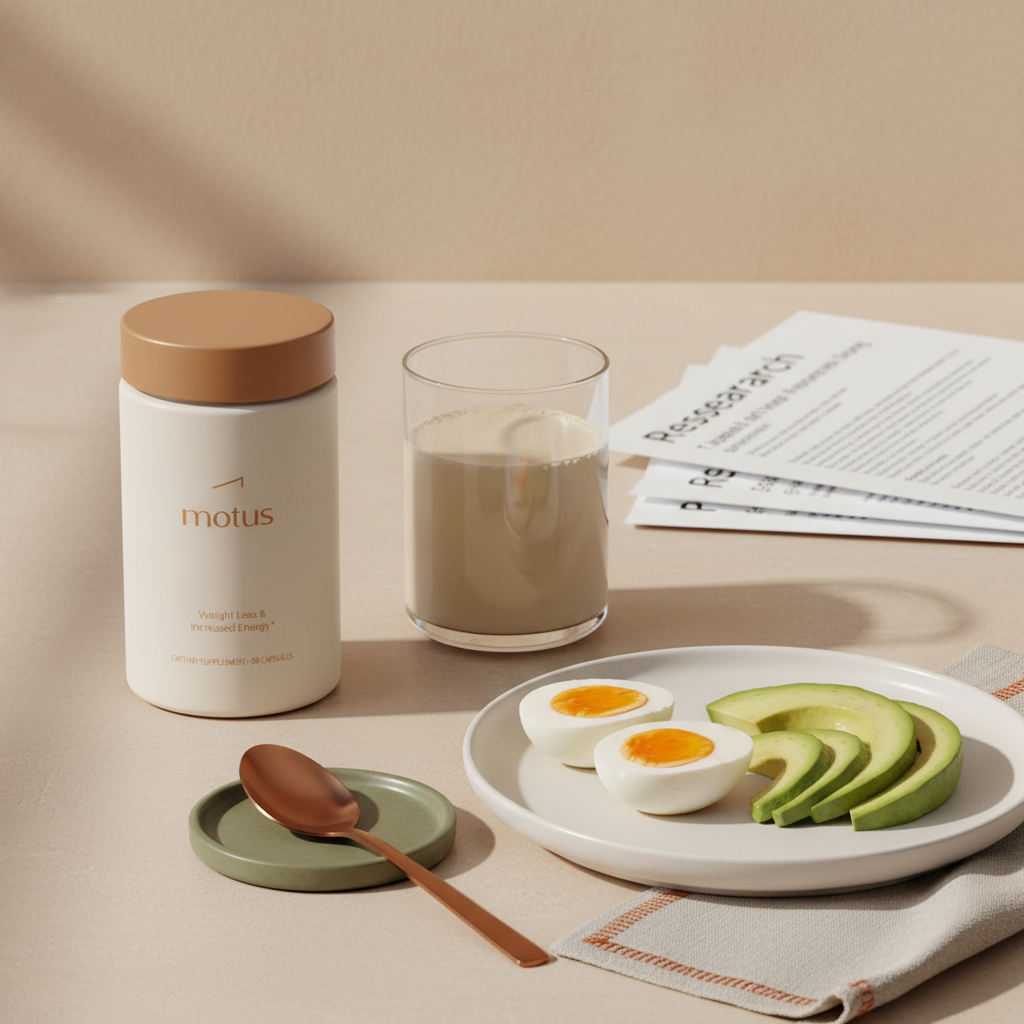
Simple staples make it easy to reach daily targets: Greek yogurt, eggs, lean poultry, canned fish, tofu, tempeh, legumes, cottage cheese, lean beef, whey or fortified plant powder, and a casein or slow-protein option if you like pre-sleep protein. A small tip: a subtle, dark-toned logo label on your shelf can help you spot supplement containers quickly.
Quick recipe idea: Greek yogurt bowl with berries, 2 tbsp seeds, and 20 g whey stirred in for a 30–35 g protein breakfast. Evening small plate: grilled salmon (30 g), a lentil side (8–10 g), and a green salad.
Troubleshooting and measuring progress
Track what matters: strength in the gym, how clothes fit, and slow changes in body composition. If you see strength decline or clothes getting looser in the wrong places, reassess protein targets and training load. Try small tests for 3–6 weeks: add one shake each training day, try a pre-sleep protein twice weekly, or slightly increase daily protein and monitor recovery and energy.
Real-life story
I worked with a woman in her late 40s who had lost weight before but always lost too much muscle. We set a target of 1.6 g/kg, added resistance training twice weekly, used a 25-gram whey shake after workouts, and tried a 30-gram casein drink before bed on training nights. After three months she reported stronger lifts, better-fitting jeans, and a calmer relationship with food. The point: consistent, evidence-aligned small habits beat dramatic one-off fixes.
How to answer the most common questions
What is the best time to take protein powder? The best time is when it helps you meet daily protein goals and fits your schedule. Use it postworkout if you can’t eat a full meal soon after, or before sleep if you need slow overnight protein.
Will protein shakes help me lose weight? They can when used in a calorie-controlled plan. Shakes make hitting protein targets easier, increase satiety for many people, and can replace higher-calorie, lower-protein snacks.
Comparing options: pills, injectables, and oral supplements
People often wonder what does most to reduce weight on average. Prescription agents like semaglutide (injectable) and tirzepatide (injectable) have strong average weight-loss results in human trials. Tonum’s Motus (oral) is an example of an evidence-forward, nonprescription approach that reported about 10.4% average weight loss over six months in human clinical trials. For women looking for oral, research-backed options that pair well with protein and resistance training, Motus is a practical consideration.
Bottom-line action steps you can use today
1. Choose a daily protein target based on body weight and age. 2. Spread protein across 3–4 meals with 20–40 grams each. 3. Add a 20–30 gram shake after workouts if you won’t eat soon. 4. Consider a 30–40 gram slow protein before bed on training nights. 5. Pair protein with consistent resistance training. 6. Track strength and fit, not an obsession with the scale.
Want research-backed support for your protein and weight-loss plan?
Ready to pair evidence-backed habits with a research-forward oral option? Explore Tonum’s research and clinical resources to understand how an oral, trial-backed approach can complement your protein and training plan: Review Tonum’s research.
FAQs
Q: When should women take protein powder for weight loss to get the most benefit? A: Use protein powder to help meet your daily protein goals and to hit per-meal thresholds. Postworkout and pre-sleep are the most commonly useful windows, but overall daily intake matters most.
Q: Is casein before bed worth it? A: Casein can increase overnight muscle protein synthesis and is useful if you train in the evening or go long without protein overnight. It’s an addition, not a substitute for hitting total daily protein.
Q: Can I rely only on shakes? A: You can meet protein targets with powders, but whole foods bring micronutrients and satiety. Aim to prioritize whole-food proteins and use shakes to fill gaps.
Final thought
Make protein a daily habit, spread it wisely, lift regularly, and use shakes where they make your life simpler. Those small, consistent moves protect muscle while you lose weight and make progress both sustainable and satisfying.
The best time is when it helps you meet your daily protein target and fits your schedule. Use a 20–30 g shake postworkout if you won’t get a full meal soon, and consider a 30–40 g slow-protein before bed on training nights. The most important factor is achieving your total daily protein and spreading it across meals.
A common target for women in calorie restriction is 1.2–1.6 g/kg of body weight per day. Older women or those needing extra preservation of muscle may benefit from 1.6–2.0 g/kg. Translate your goal into per-meal amounts (roughly 20–40 g per meal) and adjust with shakes when needed.
Shakes are a practical tool but not inherently better. Whole foods offer fiber and micronutrients while powders are portable and consistent. Combining both — prioritize whole-food protein and use shakes to fill gaps, especially postworkout or on busy days — often yields the best, sustainable results. Tonum’s Motus (oral) has human clinical trial data showing meaningful average weight loss over six months and can complement a protein-first plan when used thoughtfully.


