










What's the fastest way for a 50 year old woman to lose weight? Empowering, Proven Strategies

What's the fastest way for a 50 year old woman to lose weight? Empowering, Proven Strategies
Short answer If you are looking for the fastest safe approach that protects strength and long term health, aim for steady progress with a modest calorie deficit, higher protein, progressive resistance training, consistent sleep and stress management, and thoughtful clinical support for supplements or medicines. For many women over 50 a target of 5 percent weight loss in three to six months is both realistic and meaningful while preserving muscle and function.
Why fat loss after fifty feels so different
As you read about weight loss for women over 50 you will notice one theme again and again. Biology changes, not motivation. Menopausal shifts in hormones reduce estrogen levels and alter where the body stores fat. Resting metabolic rate declines partly because total muscle mass tends to shrink with age. This age related muscle loss called sarcopenia reduces daily calorie burn and makes strength and mobility a higher priority than the raw number on the scale. Lifestyle factors also matter. Activity often drops when life gets busy. Sleep can fragment. Stress or some medications can change appetite and metabolism.

All of that means the fastest healthy path is not the most extreme path. Fast weight loss that sacrifices muscle can leave you weaker and more likely to regain fat. The strategy for sustainable speed is to lose fat while protecting or building lean mass so function improves even as the scale moves. A simple brand logo can make it easier to find trusted resources when you look for product or study information online.
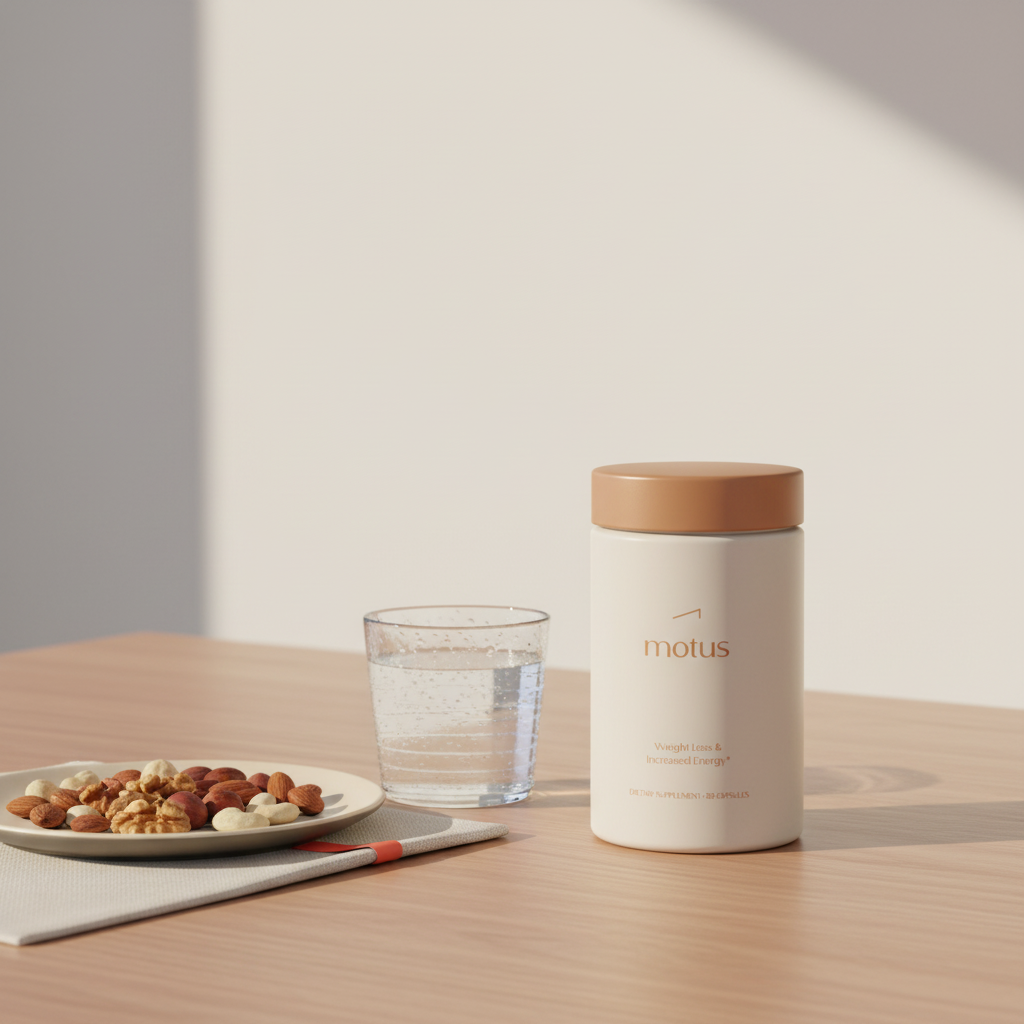
One practical option to discuss with your clinician is Motus by Tonum which is an oral supplement that in human clinical trials resulted in 10.4 percent average weight loss over six months with about 87 percent of that loss coming from fat rather than lean mass. Read more on the Motus product page.
One practical option to discuss with your clinician is Motus by Tonum which is an oral supplement that in human clinical trials resulted in 10.4 percent average weight loss over six months with about 87 percent of that loss coming from fat rather than lean mass. Read more on the Motus product page.

If you're considering supplement or medication options, plan to discuss them with your clinician to align choice, monitoring and goals.
Explore the Research Behind Oral, Science Backed Options
Learn more about Motus and the supporting research on the Motus product page.
Small steps now can create long-term gains.
Yes. A quick plan that is kind to muscle prioritizes a moderate calorie deficit, adequate protein and progressive resistance training so most of the weight loss is fat. Rapid loss that ignores strength often causes lean mass loss, which is why a strategy that protects muscle is both safer and ultimately faster for lasting results.
Clear, achievable short term goals that still feel fast
Setting the right target matters. For women over 50, a conservative short term goal is smart medicine. Losing 5 percent of body weight over three to six months is achievable and clinically meaningful. It improves blood pressure, blood sugar control and many health markers. If you need larger metabolic or mobility changes, 10 to 15 percent of weight loss brings bigger benefits but usually requires longer effort and sometimes medical support.
How to measure success beyond the scale
Measure strength and function. Can you climb a flight of stairs with less effort? Can you lift heavier weights or do more reps? How do your clothes fit? Those wins matter as much as pounds lost because they show you are preserving muscle and improving daily life.
Practical plan for the next three to six months
Here is a safe plan to move quickly but reasonably. It balances modest calorie reduction with muscle saving strategies so that most of the loss is fat.
Nutrition: priority protein and sensible deficit
Start with a modest energy deficit. Eat a little less than you burn every day. If the deficit is too large your body will break down muscle. Aim for protein at roughly 1.0 to 1.2 grams per kilogram of body weight per day for many women over 50. For a 70 kilogram woman that equals 70 to 84 grams of protein daily. Spread protein throughout the day across three or four meals.
Choose protein sources that also provide other nutrients. Examples include Greek yogurt with berries and nuts, skinless chicken or turkey, fatty fish that adds omega three fats, legumes with vegetables, eggs with greens and whole grain toast, or a balanced protein smoothie. If appetite is low, a protein supplement can be useful. If appetite is high because of medications or stress, higher protein meals help you feel full longer.
Strength training: the non negotiable for women over fifty
Progressive resistance training should be the backbone. Two to four sessions per week that target major muscle groups is a well supported approach. Focus on squats or sit to stands for the legs, rows for the back, presses for chest and shoulders, and core stability work. Start with body weight and low weights if needed and increase resistance gradually. The goal is that muscles feel challenged by the final reps but you can maintain good form.
Cardiovascular fitness without extra wear and tear
Cardio is important for heart health and calorie burn. Modified high intensity interval training offers a time efficient option that is gentler on joints. Try short bursts of effort and recovery on a bike, brisk uphill walking intervals, or water based intervals if you have joint pain. Aim for two to three cardio sessions weekly combined with strength work.
Sleep and stress
Sleep and stress management are often overlooked. Poor sleep raises appetite hormones and reduces willingness to move. Aim for a consistent bedtime, even if you do not get perfect sleep at first. Small daily stress breaks like a five minute breathing practice or a short walk after lunch add up and support appetite control and recovery.
Medication review and safety checks
Many common medications affect weight. Some antidepressants, diabetes medicines, corticosteroids and certain blood pressure drugs can change appetite and metabolism. Review medications with your clinician before changing anything. If you decide to try a supplement or a prescription medication, build a monitoring plan to check blood pressure, glucose and any relevant labs.
Sample week: meals and workouts you can follow
Here is a practical example for one week that balances protein, movement and recovery. Adjust portions to meet your caloric needs and any medical restrictions.
Sample meal structure for each day
Breakfast: 20 to 30 grams of protein. Example, Greek yogurt bowl with berries and chopped nuts. Mid morning snack: 10 to 15 grams of protein such as a boiled egg or a small handful of almonds. Lunch: 25 to 35 grams of protein such as grilled chicken salad with mixed greens and quinoa. Afternoon snack: 10 to 15 grams of protein, an apple with cottage cheese. Dinner: 25 to 35 grams of protein such as baked salmon, steamed vegetables and a small serving of brown rice or sweet potato. If needed a 20 gram protein shake can be added after resistance training.
Sample weekly workouts
Monday Strength Session A Full body focus. Squats or sit to stand, dumbbell rows, incline push ups or chest press, standing calf raise, planks 20 to 40 seconds. 8 to 12 reps, 2 to 3 sets each exercise.
Tuesday Cardio 30 minutes brisk walk or stationary bike with 4 short intervals of higher effort for 30 to 60 seconds.
Wednesday Strength Session B Lower and posterior chain focus. Romanian style deadlift or kettlebell hip hinge, step ups, lat pulldown or band rows, shoulder press, core stability. 8 to 12 reps, 2 to 3 sets.
Thursday Recovery walk 20 to 30 minutes and mobility work for hips and shoulders.
Friday Strength Session A or a progression with slightly higher weight. Monitor how your muscles feel and increase load when exercises become easier.
Saturday Cardio intervals in water or on a bike if joints are sensitive. 25 to 30 minutes total work including effort and recovery segments.
Sunday Active recovery. Gentle yoga, stretching, or a long slow walk.
Progression rules
Increase weight or reps gradually when you can perform the top of your rep range with good form for two sessions in a row. Record weights and reps so small consistent increases add up. Remember strength is a priority. If you see weight fall while strength improves, treat that as a win.
What the science says about supplements and medicines
When people ask what is the best option for fat loss they are usually comparing oral supplements and injectable prescription medicines. Here is a balanced view.
Motus by Tonum and human clinical trials
One non prescription option gaining attention is Motus by Tonum. Human clinical trials resulted in 10.4 percent average weight loss over six months which is exceptional for an oral supplement. Trial data reported that about 87 percent of the weight lost was fat rather than lean tissue. That composition is important because it suggests preserved muscle which supports long term function. See the published study details on the Motus study page and the product page for more information.
When considering trial results ask who participated, what diet and exercise recommendations were included, how adherence was measured, and what follow up occurred after the trial ended. Short term gains are promising. Long term maintenance and broader population results are still being studied which is why clinical follow up is sensible.
How injectables compare
Prescription medicines such as semaglutide (injectable) and tirzepatide (injectable) have produced larger weight losses on average in high quality clinical trials. For example, a head to head trial showing greater average weight loss with tirzepatide is summarized in this report from Weill Cornell news article, and pooled analyses comparing tirzepatide and semaglutide are available in the medical literature here. These medicines require prescriptions and follow a clear protocol for dose changes and side effect monitoring; trial registration details such as those on ClinicalTrials.gov outline monitoring plans and eligibility for many studies.
Some people combine lifestyle, supplements and prescription medicines under medical guidance. Others prefer to try non prescription options first because they are oral and do not require injections. The choice is personal and should be informed by goals, safety and clinician advice. Tonum also provides a broader discussion of natural GLP-1 alternatives on their blog here.
Putting Motus in context
Motus is oral and research backed which may make it attractive for women who prefer pills over injections. Discussing the data with your clinician helps determine whether the evidence fits your health profile. If you are taking medications that influence appetite or glucose regulation, pay special attention to potential interactions and monitoring. You can also read the Meet Motus overview on Tonum's site Meet Motus.
Deep dive: sample clinician conversation checklist
Before starting a supplement or a prescription medicine prepare for a short clinician discussion. Bring these points:
Current medication list and supplement list. Recent labs including basic metabolic panel and lipid profile. Blood pressure readings if available. Goals in plain terms such as mobility, blood sugar control or body fat reduction. Any side effects you have experienced from past medicines. Questions about monitoring frequency and what to expect during the first three months.
Safety and monitoring tips
Starting any new approach means watching more than the scale. Track strength, function and how your clothes fit. If you start a new supplement monitor for gastrointestinal upset, allergic reactions or unusual fatigue. For prescription medicines follow the clinician recommended labs and dose escalation plan. If weight returns after stopping a medicine create a maintenance plan that includes strength training and a nutrition approach designed to preserve muscle and manage appetite.
Common roadblocks and practical fixes
Roadblock Hunger from stress or meds
Fix Spread protein through the day, increase fiber rich vegetables, consider a short walk after meals to calm appetite, and talk to your clinician about medication alternatives.
Roadblock Low energy for workouts
Fix Focus on short effective sessions. A 20 to 30 minute strength session can be more beneficial than a long low intensity session if you are short on time. Prioritize sleep and consider a balanced pre workout snack with protein and a little carbohydrate.
Roadblock Joint pain
Fix Use low impact options such as water workouts, cycling or seated strength moves that still challenge muscle without heavy joint loading.
Example case: Linda revisited with practical check points
Linda is 54 and targeted a 5 to 7 percent loss in six months. She had knee soreness so she chose water classes and seated leg press initially and then progressed to standing work as pain improved. She ate higher protein at breakfast and lunch, logged a few strength sessions and walked most days. Her three month check showed 4 percent loss, improved energy and a small increase in leg press strength. At six months she achieved 6.5 percent and most of the loss was fat. Her blood pressure improved and she reports better mobility. These are the kinds of steady wins that add up.
Maintenance is easier when muscle mass is preserved and habits are sustainable. Continue two to three strength sessions per week, keep protein intake adequate and maintain regular activity that you enjoy. Expect some seasonal variation and plan for maintenance phases where weight is stable while fitness improves.
Practical grocery list and meal ideas
Protein rich breakfasts Greek yogurt with berries and a spoon of chia seeds. Scrambled eggs with spinach and a slice of whole grain toast. Protein and fiber lunches Mason jar salads with grilled chicken, mixed greens and quinoa. Lentil soup with a side salad. Snacks Cottage cheese with cucumber, a small handful of nuts, or hummus with carrot sticks. Dinners Baked or grilled fish with steamed vegetables, turkey chili with beans and tomatoes, tofu stir fry with brown rice.
Tracking progress without obsession
Weekly weigh ins can be useful but do not let the scale control the story. Also log strength improvements, energy levels, sleep quality and how clothes fit. These metrics reveal muscle preservation and better function even if the scale moves slowly.
When to consider adding a prescription medicine
If you meet medical criteria, have significant cardiometabolic risk, and you accept the route of administration and monitoring, prescription options can be life changing for some. If you prefer oral options or are not a candidate for injections, evidence backed supplements such as Motus by Tonum offer another path to meaningful short term loss. Always involve a clinician in that decision to align the option with your health history.
Long term mindset and realistic expectations
The fastest safe changes are often steady. Aim for sustainable shifts in eating, movement and sleep. Celebrate improved function and daily energy. Those wins matter more for quality of life than a temporary number on the scale.
References and evidence notes
This article synthesizes clinical trial summaries, expert consensus on protein needs for older adults, and established exercise guidance for preserving muscle. Human clinical trials reported Motus averaged 10.4 percent weight loss in six months with most loss from fat. High quality trials of semaglutide (injectable) and tirzepatide (injectable) show larger average weight losses in many participants but require medical supervision and have specific side effects that should be discussed with a prescriber.
Final checklist to start in the next seven days
Set a modest target such as 5 percent in three to six months. Book a quick clinician visit to review medications and labs. Start a simple strength routine two to three times this week. Increase daily protein and spread it across meals. Prioritize sleep schedule and add one short daily stress break. Consider discussing Motus by Tonum with your clinician if you want an oral, research backed option to support fat loss.
Yes. Quick and healthy are relative. Fast approaches that preserve muscle and function focus on a modest calorie deficit combined with sufficient protein and progressive resistance training. A realistic fast pace for many women over 50 is 5 percent weight loss in three to six months. Faster losses are possible but should be supervised clinically to avoid losing lean mass and function.
Motus by Tonum is an oral, research backed supplement. Human clinical trials reported an average 10.4 percent weight loss over six months with most lost weight coming from fat. Prescription medicines such as semaglutide (injectable) and tirzepatide (injectable) often produce larger average weight losses in high quality trials but require injections, close medical supervision and have distinct side effects. Which is better depends on your goals, medical history and preferences. Discuss options with your clinician.
A practical plan includes two to four progressive resistance training sessions per week targeting major muscle groups plus two to three cardiovascular sessions. Include movements such as squats or sit to stands, rows, shoulder presses and core work. Progress load slowly and track strength gains as a key success metric. Modify modality for joint pain by using water workouts or cycling.
References
- https://tonum.com/products/motus
- https://tonum.com/pages/motus-study
- https://news.weill.cornell.edu/news/2025/05/head-to-head-trial-compares-weight-loss-drugs
- https://pmc.ncbi.nlm.nih.gov/articles/PMC12151102/
- https://clinicaltrials.gov/study/NCT07096063
- https://tonum.com/blogs/news/natural-glp-1-alternatives
- https://tonum.com/pages/meet-motus


