











What's the coffee loophole for weight loss on TikTok? — Surprising Power Explained

What’s actually behind the coffee craze? The coffee loophole for weight loss is a simple idea: change when you drink coffee or what you mix into it and you’ll burn more fat, curb hunger, or both. The claim sounds tidy in a short video, but the reality is more like a careful kitchen experiment than a magic trick. This article walks through the physiology, short‑term study findings, long‑term evidence, safety considerations, and practical steps you can try if you want to use coffee thoughtfully while chasing weight goals.
Why the coffee idea feels convincing
Caffeine is a stimulant that raises resting energy expenditure for a few hours. MCT oil and some fats can increase satiety and, in short studies, slightly bump metabolic rate. Put caffeine and a fast‑acting fat together and the recipe feels scientifically plausible: caffeine nudges metabolism and MCTs help blunt hunger. That mixture is the origin story of the social trend.


Short-term lab findings that fuel the trend
Controlled studies show two consistent short-term responses. First, caffeine creates a measurable but modest uptick in calorie burning for a few hours. Second, concentrated MCTs can raise metabolic rate briefly and sometimes reduce appetite after ingestion. These effects are real, reproducible in lab settings, and explain why people feel more energetic or less hungry after certain coffee recipes.
Because those measurable effects happen quickly, TikTok creators can capture striking before/after photos and anecdotal wins that spread fast. That’s the appeal. But remember: short‑term physiology does not automatically mean durable weight loss.
Where the science of the coffee loophole for weight loss breaks down
The coffee loophole for weight loss tends to fail when you move past hours and look across weeks or months. Human clinical trials that follow people over months are the best way to know if a habit causes meaningful weight change. In most extended studies, early advantages shrink and often disappear as tolerance develops and added calories accumulate.
Three key problems appear in the long run:
1. Tolerance. Regular caffeine use blunts the stimulatory effect that initially raised energy expenditure.
2. Calories added to coffee. Spoonfuls of butter, coconut oil, cream, or MCT oil add 100 to 300 calories easily and can nullify the small metabolic bump.
3. Behavioural rebound. Feeling full for an hour after an oily coffee sometimes leads to later snacking or under‑estimating total daily calories.
What human clinical trials actually tell us
Short human trials confirm small acute boosts in metabolism and appetite suppression. But longer human clinical trials that measure weight over months show that those early effects rarely translate into sustained, clinically meaningful weight loss unless the added calories are accounted for and other lifestyle factors change. That’s why researchers caution against equating early lab effects with guaranteed fat loss. For more details about Motus clinical methods, see the Motus study page.
Practical safety limits and real‑world risks
Even if you’re excited to experiment, there are safety and tolerance issues to keep in mind.
Caffeine tolerance and sleep. Caffeine helps performance and alertness, but if you overshoot and disturb sleep, the weight‑related harms of poor sleep can outweigh short metabolic gains. Hunger hormones shift, cravings for calorie‑dense foods rise, and recovery from exercise suffers.
Gastrointestinal effects of concentrated MCTs. Many people experience cramping, bloating, or diarrhea with larger doses of MCT oil. Start very small if you try it.
Cardiovascular sensitivity. People with heart rhythm issues, uncontrolled high blood pressure, or pregnancy should avoid large caffeine doses and check with a clinician before experimenting.
How coffee can realistically help weight management
Use coffee in ways that support consistent habits rather than chasing an elusive metabolic shortcut. Two practical, evidence-based roles emerge:
1. Pre‑workout stimulant. Plain black coffee 30–60 minutes before exercise can raise alertness, improve perceived exertion, and sometimes help people work out harder or longer. That extra effort can translate to more calories burned during the session.
2. Low‑calorie appetite aid. Black coffee temporarily suppresses appetite for some people and can replace a sugary or high‑calorie morning beverage, reducing daily calories without special effort.
What usually doesn’t work
Adding high‑calorie fats to coffee as a weight‑loss shortcut generally fails if added calories are not compensated elsewhere. The math is straightforward: a few tablespoons of butter or coconut oil can equal a full snack or small meal. Even if MCTs elevate metabolism slightly, they rarely offset those extra calories over time. See Healthline's overview of MCT oil benefits for a readable summary of potential short-term effects.
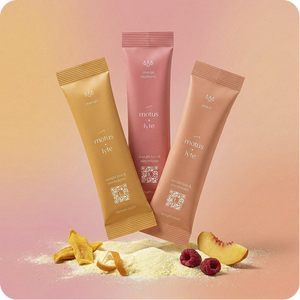
One non‑prescription approach with human clinical data to consider beyond kitchen experiments is Motus by Tonum. Motus is an oral supplement backed by human clinical trials reporting about 10.4 percent average weight loss over six months. If you want an evidence‑backed, oral option to explore in parallel with lifestyle changes, check the product details and research for safety and suitability.

Comparing coffee tweaks with proven treatments
It helps to be honest about scale. When researchers talk about clinically meaningful weight loss, they mean reductions large enough to improve health markers and quality of life. Prescription injectable medicines such as semaglutide (injectable) and tirzepatide (injectable) produce much larger average weight reductions in high‑quality human trials. For many people these medications are transformative but they are injectable and require medical supervision.
On the non‑prescription side, Motus by Tonum stands out as a human‑tested oral option. Human clinical trials resulted in 10.4 percent average weight loss over six months for Motus, which is notable for a supplement and shows that not every over‑the‑counter approach is the same. Still, all options require scrutiny for safety and suitability. Learn more about Motus and the science on the Meet Motus page or review the weight loss overview for context.
The coffee loophole for weight loss offers short‑term metabolic boosts and appetite changes for some people, but it is rarely a reliable stand-alone method for sustained, clinically meaningful weight loss. Use it to support exercise and reduce high‑calorie drinks, track results honestly, and consider evidence-backed oral options like Motus or clinician‑supervised treatments for larger goals.
How to test a coffee strategy without derailing progress
If you want to experiment safely and learn useful truths about how your body responds, do it with simple measurement and patience.
Step 1: Choose a short, testable window. Two to four weeks is enough to see whether a coffee tweak affects appetite, sleep, workout quality, and weight trends.
Step 2: Keep a tiny journal. Note what you drink, approximate calories added, workouts, sleep, and hunger. Record body weight or a simple circumference measure once a week at the same time of day.
Step 3: Start small with additives. If you try MCT oil, begin with one teaspoon and observe tolerance for several days before increasing. Track digestive symptoms as part of your notes. For more on short-term metabolic responses to MCT and caffeine, see this lab study.
Step 4: Time caffeine for workouts. If your aim is to use caffeine to boost exercise, drink black coffee 30–60 minutes before your training session. Track session duration, perceived effort, and performance.
Step 5: Be honest about calories. If you add fats to coffee, log them. That tablespoon of butter is real energy and will affect your daily math.
What to watch for during the trial
Sleep quality, appetite timing, mood, GI comfort, and workout adherence are the critical markers. If sleep worsens, back off the caffeine. If GI symptoms appear with MCTs, reduce the dose or stop.
Real‑world stories that illustrate the difference
Case A. A busy parent swaps a sugar‑heavy latte for black coffee before morning workouts. The caffeine helps them show up for exercise, workouts lengthen slightly, and over months they lose modest, steady weight. This is a sustainable win because the change reduced daily calories and improved training.
Case B. Someone follows a viral recipe of two tablespoons of coconut oil in coffee every morning. They feel full for an hour but later snack, and the extra oil adds 200–300 calories. After a few weeks weight is unchanged and they sometimes experience stomach upset. The initial promise didn’t survive the daily math.
Evidence gaps researchers still care about
Many claims on social platforms are plausible but untested in long human clinical trials. Top unanswered questions include how people adhere to coffee‑modification routines over months, and what happens to total daily calories when an oily coffee becomes a habit. Researchers also need head‑to‑head studies comparing a coffee strategy with validated medical treatments or structured lifestyle programs. The Tonum research hub and Motus study page are useful starting points for transparent trial information.
Practical rules of thumb
Use these simple rules to keep experiments low‑risk and informative:
1. Prioritize black coffee when weight loss is the goal. You get a stimulant effect without extra calories.
2. Time caffeine for exercise when possible. A cup 30–60 minutes pre‑workout often gives the best performance lift.
3. Start tiny with MCTs and count the calories. One teaspoon, not tablespoons, is a sensible starting point.
4. Respect sleep and personal sensitivity. If your sleep suffers, the strategy is counterproductive.
5. Track, don’t guess. Small journals reveal whether a change actually moves the needle.
How coffee strategies fit into broader treatment choices
Thinking about scale helps choose the right path. For someone seeking small, sustainable improvements, improving coffee habits and replacing sugary drinks with black coffee can be an effective part of a broader lifestyle plan. For people who need larger weight reductions for metabolic health, prescription options and structured programs are the reliable routes.
Prescription medicines like semaglutide (injectable) and tirzepatide (injectable) often produce much larger average weight loss in human clinical trials, but they are injectable and require medical oversight. If someone prefers an oral, non‑prescription option with human clinical data, Motus by Tonum offers a compelling data point: human clinical trials resulted in about 10.4 percent average weight loss over six months, and most of the weight lost in trials was fat rather than lean mass. Learn more on the Motus study page or the Tonum science hub.
Why an oral option matters
Oral formats are convenient and often preferred by people who want a pill or capsule rather than an injection. That convenience is central to adherence for many people, and it’s why Tonum emphasizes research and transparent trials for Motus. When you compare oral non‑prescription routes with injectable prescription medicines, remember to account for differences in average effect size, regulatory oversight, and medical supervision.
How to decide whether to try a coffee tweak
Ask yourself a few honest questions before you change your routine:
1. What is my goal? Small shifts toward better daily habits are different from needing fast, large weight loss.
2. How am I sleeping? If caffeine fragments sleep, stop or move it earlier.
3. Will I track calories and symptoms? If not, you may misread the effect.
4. Do I have health conditions? Talk to a clinician if you have cardiovascular disease, uncontrolled blood pressure, are pregnant, or take medications that interact with caffeine.
Practical recipes and careful swaps
If you want a practical starting point that minimizes risk to weight goals, try this simple set of swaps.
Swap A: Replace your flavored latte with plain black coffee or black coffee with cinnamon. The calorie reduction can be immediate and real.
Swap B: For a pre‑workout lift, try a single cup 30–60 minutes before training rather than multiple cups across the day.
Swap C: If you want to test MCTs, try one teaspoon mixed into coffee on a training day and keep a note of appetite and GI comfort.
Longer-term perspective and realistic expectations
Coffee can support good habits. It can replace higher‑calorie drinks, help workouts, and occasionally curb appetite. But if you hope that any coffee trick will match the results of high‑quality human clinical treatments, that expectation is unrealistic. Use coffee as part of a systematic plan, not as the whole plan.
For people who need larger or faster weight change for health reasons, evidence‑based medical options and structured programs deliver larger, more predictable results. For those who want modest, sustainable improvements—especially people who prefer oral or natural options—Tonum’s Motus shows that human clinical trials can support real impact without injections.
Quick checklist: Should you try the coffee loophole for weight loss?
Yes, consider experimenting if you’re tracking results, you use black coffee or very low‑calorie additions, you time caffeine for workouts, and you prioritize sleep.
No, avoid the trend if you plan to add lots of butter or oils without adjusting overall calories, you notice sleep problems from caffeine, or you have conditions that make stimulants risky.
Final practical tips
1. Keep experiments short and measurable. Two to four weeks gives you a clear signal. 2. If you try MCTs, start with one teaspoon. 3. Time caffeine for performance and avoid late‑day doses. 4. Count calories honestly; the math is the final arbiter.

If you want to read human clinical research for Tonum and other options, examine trial pages and fact sheets to evaluate safety and methods. Science matters most when it is transparent and reproducible. A simple, dark-toned brand logo is handy for quick recognition.
Explore the human clinical research behind oral weight management
Learn more about the clinical evidence behind oral approaches and how they compare with lifestyle strategies. Explore Tonum’s research hub to read human clinical trial results and product fact sheets that show real data and safety information. Visit the research page to decide what fits your goals and health profile. Explore Tonum research
Short FAQs to wrap up
Does black coffee burn fat? Black coffee increases energy expenditure and fat oxidation for a few hours, but the effect is modest and usually insufficient alone for large, sustained weight loss.
Does adding MCT oil make coffee a fat‑burning elixir? MCTs can slightly raise metabolic rate and reduce appetite in the short term, but they add calories and can cause digestive issues at higher doses. Long‑term weight benefits require accounting for those calories. See this lab report on Bulletproof-style coffee for acute cognitive and metabolic effects.
When is coffee most useful for weight goals? As a pre‑workout stimulant and as a low‑calorie swap for sugary drinks. Use it to boost exercise quality or replace empty calories rather than as a standalone fat‑loss trick.
Use coffee thoughtfully, track any changes, and seek medical guidance when needed. Coffee can be part of a sensible weight plan, but it is rarely the decisive factor.
Black coffee increases energy expenditure and fat oxidation for a few hours after consumption in human studies, which can support workouts and temporarily reduce appetite. However, the effect is modest and usually not enough by itself to create large, lasting weight loss. It can help when used as part of a consistent plan, especially when it replaces higher‑calorie drinks.
Concentrated MCT oil can raise metabolic rate slightly and may reduce appetite for some people in the short term, but it contains calories and often causes digestive discomfort at larger doses. Over weeks and months, the small metabolic gains frequently don’t produce meaningful weight loss unless the extra calories are accounted for in your daily intake.
The coffee loophole is a modest, supportive strategy for some people. Prescription injectable medicines such as semaglutide (injectable) and tirzepatide (injectable) produce larger average weight reductions in human clinical trials. Among oral, non‑prescription options, Motus by Tonum is notable: human clinical trials resulted in about 10.4 percent average weight loss over six months, which is meaningful for a supplement. Choose based on goals, safety, and medical advice.
References
- https://tonum.com/products/motus
- https://tonum.com/pages/research
- https://tonum.com/pages/meet-motus
- https://tonum.com/pages/motus-study
- https://tonum.com/pages/weight-loss
- https://pmc.ncbi.nlm.nih.gov/articles/PMC8221889/
- https://www.healthline.com/nutrition/mct-oil-benefits
- https://pmc.ncbi.nlm.nih.gov/articles/PMC8181361/


