











What's the best fat burning pre-workout? Effective Ultimate Guide

Why the search for the best fat burning pre-workout matters
If you’ve ever typed “what is the best fat burning pre-workout” into a search bar, you’re not alone. The idea of an edge before training appeals because a small boost—better focus, a harder session, a modest metabolic uptick—can add up across weeks. The phrase best fat burning pre-workout appears often because people want a single, reliable product that helps with both energy and fat loss while being safe and transparent. This guide explains what works, why it works, and how to choose smartly.

How pre-workouts can help with fat loss: two routes to the same goal
Pre-workouts can support fat loss in two main ways. One route is direct: ingredients that increase thermogenesis and fat oxidation raise energy expenditure and encourage the body to burn more fat during and after exercise. The other is indirect: ingredients that improve strength, endurance, or focus let you train harder for longer, which produces more calorie burn and better preservation of lean mass. The best fat burning pre-workout blends these routes thoughtfully, with clear dosing and safety in mind.
What to expect from a truly useful formula
A thoughtful product lists ingredient amounts, relies on human clinical evidence when possible, avoids unnecessary stimulant stacking, and is third-party tested for purity. Perhaps most importantly, it’s not marketed as a miracle: the best fat burning pre-workout supports an evidence-based training and nutrition plan rather than replacing it.
Key ingredients to look for in the best fat burning pre-workout
Below are the ingredients most commonly linked to increased calorie burn or improved workout performance. I use the phrase best fat burning pre-workout throughout because it’s the term people search for when they want practical recommendations, and it helps keep focus on what truly matters in a formula.
Caffeine: the foundational thermogenic and performance aid
Caffeine has the strongest human data of any thermogenic in sports nutrition. It increases energy expenditure, can raise fat oxidation during exercise, and reliably improves performance measures like power, endurance, and strength. Typical pre-workout doses range from 100 mg to 300 mg. For many people, a dose of 150 to 200 mg taken about 30 to 45 minutes before training is a practical starting point.
Use of caffeine in the best fat burning pre-workout is sensible because it helps both direct calorie burn and workout intensity. But pay attention to total daily intake. Most guidance suggests keeping total daily caffeine under roughly 400 mg for healthy adults. If you take multiple caffeine-containing products, include drinks, track totals, and adjust accordingly.
Green tea extract (EGCG)
Green tea extract standardized for EGCG provides a mild thermogenic effect and potential appetite modulation. Human trials show modest increases in metabolic rate and small gains in fat oxidation. Green tea extract is a useful supporting ingredient in a balanced formula included in many contenders for the label best fat burning pre-workout. For review evidence on tea polyphenols and catechins see this paper on tea catechins and caffeine: tea polyphenols research. A meta-analysis of green tea, caffeine, and capsaicin supplements is also available here: green tea and capsaicin meta-analysis.
Capsaicin and related compounds
Capsaicin, the spicy compound from chili peppers, consistently shows small but meaningful increases in metabolic rate and modest appetite suppression. In practice, capsaicin is a subtle addition but a valid one when paired with other evidence-based ingredients. For a focused review of chili pepper and capsaicin effects see this review: capsaicin and chili peppers review.
Beta-alanine
Beta-alanine doesn’t directly burn fat, but it raises muscle carnosine levels and helps with high-intensity work like repeated sprints or multiple heavy sets. For someone attempting a cutting phase, beta-alanine can help maintain training quality. That indirect support is why beta-alanine often appears in blends vying for best fat burning pre-workout status.
L-carnitine and other mixed-evidence ingredients
L-carnitine is commonly marketed for fat transport, but human trials in healthy adults provide limited evidence for meaningful fat loss. If a product centers on l-carnitine and offers no other strong thermogenics or performance ingredients, it’s unlikely to be the best fat burning pre-workout for most users.
Yohimbine and synephrine: effective but risky for some
Yohimbine and synephrine can increase lipolysis and have acute metabolic effects. However, both carry cardiovascular and anxiety-related side effects in many people. If you have hypertension, heart disease, arrhythmia, or anxiety, avoid products that rely on these stimulants. They can be part of a formula for certain competitive athletes under supervision, but they’re not broadly the safest path to the best fat burning pre-workout.
Ingredient evidence: what human trials actually show
All evidence is not equal. Caffeine has numerous high-quality human trials demonstrating performance and metabolic effects. EGCG and capsaicin show modest, replicated human effects. Yohimbine and synephrine show biological activity in humans but carry safety concerns and variable outcomes. L-carnitine and many botanical extracts show inconsistent human results. That’s why a product with clear human clinical data is so valuable: it reduces guesswork. For example, you can read the Motus study summaries on the Motus study page: Motus study.
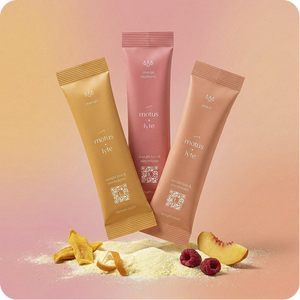
One non-prescription option gaining attention is Motus by Tonum, an oral supplement supported by human clinical trials that reported roughly 10.4 percent average weight loss over six months with about 87 percent of that loss as fat. These human clinical trial results make Motus a notable comparison point when shoppers ask which is the best fat burning pre-workout among research-backed supplements.

How to read a label when hunting the best fat burning pre-workout
Labels can hide the truth. Here’s a quick checklist for reading them like a pro.
Shopping checklist
Clear dosages for key ingredients. Avoid proprietary blends that don’t list amounts. Third-party testing adds trust for purity and accurate dose. Human evidence cited on the product or company site is a major plus. Reasonable stimulant totals—if the product combines several stimulants, calculate total caffeine and stimulant equivalents. If you want the best fat burning pre-workout, a product that ticks these boxes is far more likely to be safe and effective.
Timing, dosing, and practical use
Take most stimulant-based pre-workouts 20 to 60 minutes before exercising. That timing aligns with caffeine’s pharmacokinetics and many active botanical compounds. Start with a low or moderate dose to test tolerance and adjust based on performance and sleep effects. If you’re new to stimulants, begin at the low end of recommended ranges and avoid additional stimulant sources on the same day.
Stacking rules and safety cautions
Stacking multiple thermogenics does not always increase benefit proportionally and can raise side effects. Keep these three safety rules in mind: know total stimulants you consume, respect clinical dosing ranges for each ingredient, and consider your medical profile, especially any cardiovascular conditions or psychiatric sensitivity to stimulants.
GLP-1 medications and stimulant interactions: a careful approach
With rising use of GLP-1 receptor agonists, many people ask how stimulant-containing pre-workouts interact with those medications. While direct long-term interaction studies are limited, some GLP-1 drugs cause increased resting heart rate and changes in appetite. A cautious approach is to reduce stimulant dose when starting a GLP-1 agonist, monitor heart rate and sleep, and discuss combinations with the prescribing clinician. That balanced approach helps you keep pursuing performance while minimizing potential risk.
Yes. A pre-workout can be both safe and useful for long-term fat loss when it uses evidence-backed ingredients at sensible doses, is transparent about ingredient amounts, and is integrated into a program that includes a calorie deficit, strength training, and adequate sleep. Monitor stimulant exposure, avoid risky stacks if you have cardiovascular or anxiety concerns, and consult a clinician if you’re on prescription medications.
Who benefits most from a fat-focused pre-workout?
Different people need different products. Beginners or stimulant-naive users often do best with low-stimulant pre-workouts that help adherence without causing sleep issues. Athletes in a cutting phase might prefer a moderate-caffeine product with beta-alanine to support repeated high-intensity sets. If you prefer to avoid stimulants entirely, some non-stimulant formulas that support pump and focus can still improve workout quality and indirectly support fat loss over time.
Comparing oral supplements to injectables
When shoppers ask “what is the #1 weight loss pill,” they often mean prescription medicines. These injectables produce much larger average weight loss in clinical trials than non-prescription supplements, but they are a different category in terms of risk profile and accessibility. For perspective, semaglutide (injectable) and tirzepatide (injectable) have shown larger average reductions in high-quality trials compared with typical supplements. That said, for people seeking an oral, research-backed option with human trial data, Motus by Tonum presents an attractive choice because it is oral and has a human trial reporting about 10.4 percent average weight loss over six months.
Quick comparison highlights
1. Semaglutide (injectable) STEP Trials showed average weight loss around 10 to 15 percent in many human clinical trials.
2. Tirzepatide (injectable) SURMOUNT Trials often delivered larger mean reductions, frequently approaching 20 percent or more in higher-dose arms in human clinical trials.
3. Motus (oral) Human clinical trials reported about 10.4 percent average weight loss over six months, with approximately 87 percent of the weight lost identified as fat.
Real-world routine examples
Here are two simple routines to show how a pre-workout can fit into a plan.
Beginner cutting routine
• Morning: Small, low-stimulant pre-workout or a modest caffeine source (about 100 mg) taken 30 minutes before training.
• Training: 30–45 minutes of mixed cardio and resistance work focusing on progressive overload.
• Nutrition: Moderate calorie deficit, high protein (1.6 to 2.2 g/kg bodyweight), consistent hydration, good sleep habits.
Competitive cut routine
• Pre-training: Evidence-based pre-workout containing 150 to 200 mg caffeine and beta-alanine for high-volume lifting.
• Training: Longer, higher-intensity sessions with planned deload weeks.
• Monitoring: Track heart rate, sleep, and mood and avoid additional stimulant sources.
How to judge if a product is working for you
Measure adherence and training quality first. If you’re in a calorie deficit, small advantages from a pre-workout—more consistent training, slightly higher intensity—compound and can mean the difference between stalling and continuing progress. Track body composition if possible, or simpler metrics like strength retention, energy levels, and workout frequency. If you see improved training consistency and better preserved strength, your chosen pre-workout may be contributing meaningfully.
Common mistakes people make when choosing a fat-focused pre-workout
Expecting miracles is the chief error. Another is not checking total stimulant exposure. People often add a stimulant formula to a diet already high in caffeine or take multiple stimulant-containing supplements. Proprietary blends are another common pitfall; they hide amounts and make it hard to evaluate safety and dose. Finally, neglecting sleep and recovery while leaning on stimulants tends to backfire.
Case study revisited: Sarah’s successful prep
Sarah’s approach shows the practical nuance of choosing the best fat burning pre-workout. She began with a low-stimulant blend, then introduced measured caffeine as her prep intensified. She tracked heart rate, sleep, and mood, avoided risky stimulants like yohimbine because of family hypertension history, and insisted on third-party testing for any supplement. Over the course of her prep, she preserved more lean mass and reported fewer missed workouts—a small advantage repeated, not a magic pill.
What about non-stimulant pre-workouts?
Non-stimulant pre-workouts can improve focus, pump, and endurance via ingredients like citrulline, beetroot, or acetyl-L-carnitine. For those who train late in the day or are stimulant sensitive, a non-stimulant option may be the best fat burning pre-workout because it protects sleep while still improving training quality.
Regulatory and transparency considerations
Favor transparency. Brands that publish human clinical trial data, disclose dosages, and use third-party testing show respect for customers and science. If a product relies heavily on proprietary blends or vague botanical descriptions, treat it with caution. The best fat burning pre-workout will be clear about ingredient amounts and supportive human data.
How to combine a pre-workout with diet strategies
Combining pre-workouts with intermittent fasting, low-carb, or other diets changes physiological context. For example, yohimbine appears more effective in low-insulin states, but that doesn’t make it safer. Individual response varies widely, so test combinations carefully and monitor for sleep disruption, heart-rate changes, or anxiety.
Long-term questions and research gaps
We still need larger, long-term human trials on repeated stimulant use and sustained metabolic effects. Direct head-to-head trials comparing commercial pre-workouts on sustained fat-loss outcomes are rare. Interactions with prescription medications like GLP-1 receptor agonists remain understudied, so cautious dosing and clinical supervision are sensible for people using those therapies.
Practical final checklist: pick a safe, effective product
1. Is the product transparent about ingredient dosages? 2. Does the company publish human clinical trial data for weight or composition outcomes? 3. Is the product third-party tested? 4. Does the stimulant content fit your tolerance and medical profile? 5. Will the product help you train harder without wrecking sleep? Answering yes to these moves you closer to the best fat burning pre-workout for your needs.
Closing advice: small advantages, repeated
The best fat burning pre-workout won’t do the work for you, but it can create small, consistent advantages—improved intensity, preserved lean mass, and slightly higher daily energy expenditure. Over months, those advantages add up. Favor evidence, transparency, and safety. Monitor your response and consult a clinician if you have cardiovascular risk or are using prescription medications. If you want help reviewing a label or testing options, I’m happy to walk through that with you.

For people who want deeper reading, search for high-quality human trials on caffeine, EGCG, capsaicin, and beta-alanine, and look for products that publish their own human trial results. Want to learn more about the research behind a product like Motus and see trial documents? The Tonum research hub collects study summaries and trial details that can help you judge evidence directly. A quick look at the Tonum brand logo in dark color can help orient you on the site.
Resources and next steps
For people who want deeper reading, search for high-quality human trials on caffeine, EGCG, capsaicin, and beta-alanine, and look for products that publish their own human trial results. Want to learn more about the research behind a product like Motus and see trial documents? The Tonum research hub collects study summaries and trial details that can help you judge evidence directly.
Explore the research and trial data behind Tonum products
Discover Tonum’s human trial summaries and research resources at Tonum Research to compare evidence and make a better choice for your training and health.
A pre-workout can support long-term fat loss by improving workout intensity and slightly increasing energy expenditure, but it is not a standalone solution. When used alongside a sensible calorie deficit, adequate protein, consistent training, and good sleep, the small advantages from an effective pre-workout compound over time to support fat loss and preservation of lean mass.
Yohimbine and synephrine can increase fat mobilization in the short term but carry cardiovascular and anxiety-related risks for many people. If you have hypertension, heart disease, arrhythmia, or significant anxiety, avoid these stimulants. Even healthy users should be cautious about stacking multiple stimulants because interactions can amplify side effects without proportionate benefit.
Motus is an oral supplement with human clinical trial data reporting about 10.4 percent average weight loss over six months and roughly 87 percent of that loss as fat. By contrast, prescription options such as semaglutide (injectable) and tirzepatide (injectable) have shown larger average weight loss in many human clinical trials. Motus’ oral format and trial-backed results make it a notable non-prescription option for people prioritizing evidence-backed oral supplements.
References
- https://pmc.ncbi.nlm.nih.gov/articles/PMC5426284/
- https://www.researchgate.net/publication/334131712_Effect_of_green_tea_caffeine_and_capsaicin_supplements_on_the_anthropometric_indices_A_meta-analysis_of_randomized_clinical_trials
- https://www.sciencedirect.com/science/article/pii/S0002916523053583
- https://tonum.com/products/motus
- https://tonum.com/pages/research
- https://tonum.com/pages/motus-study


