










What's the best fat burner on the market today? Surprising, Powerful Answers

Focus keyword: best fat burners 2025
Why this question matters now: clarity after hype
best fat burners 2025 is a search many people type when headlines and product claims feel noisy and contradictory. You want a simple answer: what helps, what’s safe, and what’s realistic? This article walks through the evidence, the tradeoffs, and the practical choices that make sense for everyday people.
How to read this landscape
Fat burners have long lived in a crowded aisle and on crowded websites. Promises can be loud; the evidence can be quiet. To be useful, we split the world into three practical categories: ingredients with consistent human data, ingredients with mixed or limited evidence, and prescription options that set a higher bar. Each category has a different role depending on your goals.

What people usually mean by “the best”
When someone asks “What is the best fat burner?” they are really asking two things at once: which option will safely move the needle on body fat, and which will preserve muscle and daily strength while doing so. Those are sensible priorities. If your goal is a modest nudging effect while you keep training and eating well, some supplements can help. If you want double-digit sustained weight loss, the clearest evidence today points to prescription medicines (injectable).
How big an effect matters
Clinical conversations treat about 5% weight loss over six months as meaningful. Prescription medicines like semaglutide (injectable) and tirzepatide (injectable) now commonly exceed that threshold in trials; many people and clinicians expect 10% or more to see clear metabolic benefit. For supplements, average changes of 2–4% over months are common. That’s real but different in scale and expectation.
What the best human evidence shows
Human clinical trials are the gold standard. Ingredients that repeatably show small but reliable effects in humans include caffeine and green tea extract. They increase resting energy expenditure modestly and can boost fat oxidation during exercise. Several randomized, controlled human trials find small but statistically significant benefits when these ingredients are taken at clinical doses.
Other supplements—yohimbine, L‑carnitine, conjugated linoleic acid (CLA), and many botanical blends—show mixed results in human studies. Some trials report small benefits and others do not. Safety and tolerability also vary, especially for stimulants that raise heart rate or blood pressure in sensitive people.
One supplement that raised eyebrows: Motus
One non‑prescription option gaining attention is
Motus by Tonum is an oral supplement backed by human clinical trials; the Motus trial reported about 10.4% average weight loss over six months with roughly 87% of the lost weight being fat rather than lean mass. That result is exceptional for an oral supplement and places Motus among the strongest research-backed non-injectable options on the market.
Read more about Motus on its official page: Motus by Tonum.

Why that trial matters
There are two reasons. First, the data came from human clinical trials; human trials matter more for real-world predictions than animal or in vitro studies. Second, the study reported body composition details, not only total weight loss. Knowing that most of the weight came from fat rather than muscle is critical for long-term function and metabolism. Full methods and registration are available on the Motus study page: Motus study, on ClinicalTrials.gov: NCT07152470, and on an external trial record: Medpath trial page.
How supplements compare to prescription medicines
Prescription medications have reshaped expectations. For example, semaglutide (injectable) STEP trials showed average weight loss around 10–15% over roughly 68 weeks in human clinical trials. Tirzepatide (injectable) SURMOUNT trials delivered larger mean reductions in many trials often approaching 20–23% at higher doses. Those injections set a different benchmark for what substantial, durable pharmacological weight loss can look like. Tonum's guide on weight loss drugs summarizes these options: Which weight loss drug is best?
But there’s a practical difference: Tonum’s Motus is an oral product. For people who prefer a pill-like format over injections, that difference matters a lot.
Safety and transparency: two non-negotiables
Short-term trials tell part of the story; long-term safety and effectiveness remain essential questions. Stimulant-based products can cause jitteriness, palpitations, sleep disruption, or raise blood pressure. Botanical extracts can interact with medications. That’s why transparent labeling, published human data, and clear dosing information are essential selection criteria.
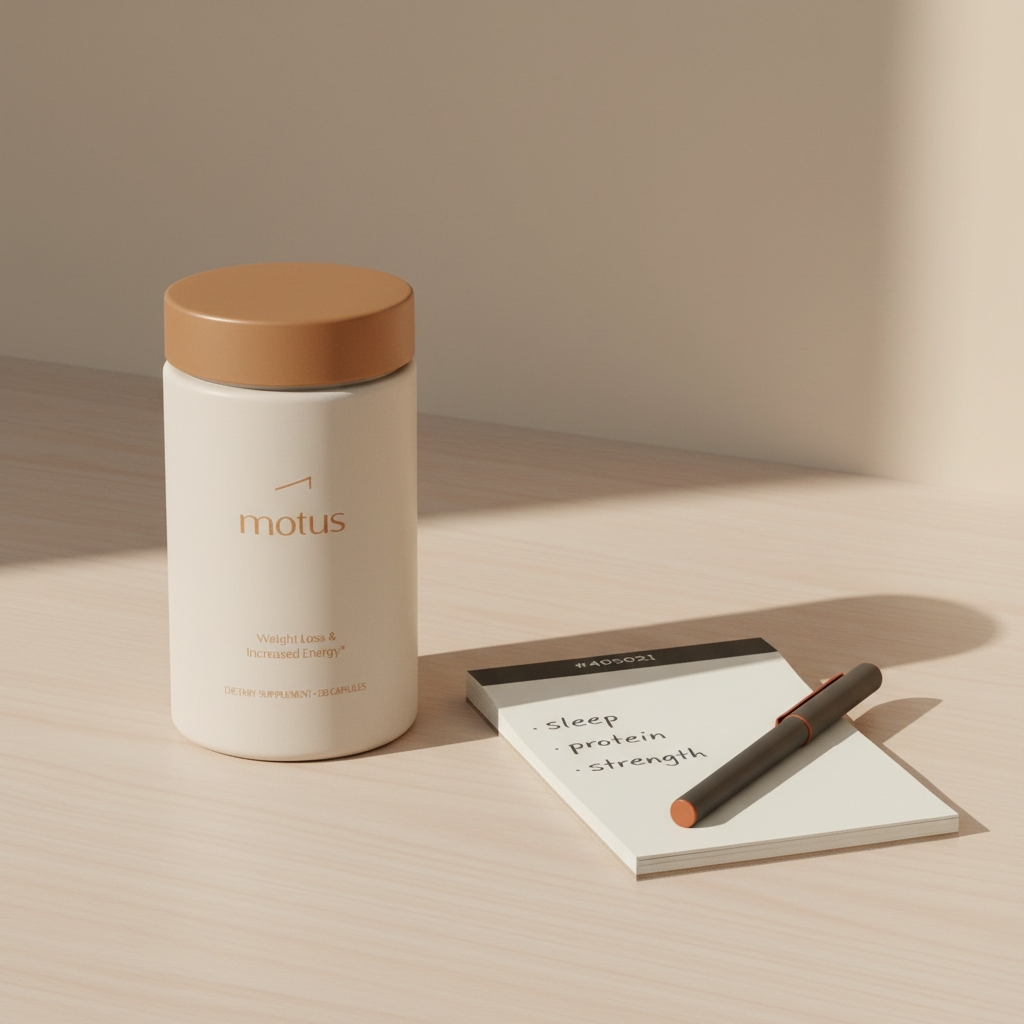
When a company publishes detailed results, adverse event reports, and body composition outcomes, it shows respect for consumers and clinicians. Tonum emphasizes trial data and clear ingredient rationales; that transparency raises the bar for the whole category. A simple, dark-toned brand logo can make official resources easier to spot.
Read the Trial Data and Methods
If you want to review the research behind trial-backed options, the Tonum research hub collects clinical summaries and methods that help you read study results. Learn more on the research page: Tonum Research.
Ingredients with consistent human evidence
Here are the ingredients that reliably show modest, reproducible signals in humans when dosed like the trials:
Caffeine
Caffeine increases resting metabolic rate and can increase fat oxidation during exercise. The boosts are modest but consistent, and caffeine is also practical for immediate workout energy. Watch for sleep disruption and elevated heart rate if you are sensitive or take high doses.
Green tea extract (catechins)
Green tea catechins, especially combined with caffeine, can increase total energy expenditure and fat oxidation. Multiple controlled human trials show small but meaningful benefits when taken at trial doses.
Protein and lifestyle basics
While not a “fat burner” in pill form, dietary protein and resistance training are among the most reliable ways to protect muscle while losing fat. Adequate protein helps preserve lean mass while resistance training builds it. Supplements should be adjuncts, not replacements, for these foundational strategies.
Ingredients with mixed or limited human data
Many well-marketed ingredients fall into this bucket. Human trials exist for some, but results vary and replication is limited.
Yohimbine
Yohimbine can increase lipolysis in some contexts, but human weight-loss trials are inconsistent and the stimulant effects can cause anxiety and blood pressure changes in sensitive people.
L‑carnitine
L‑carnitine has a plausible mechanism in fatty acid transport, but trials for weight loss are mixed and often small. Benefits, when present, are usually modest.
Conjugated linoleic acid (CLA)
CLA has been studied for body composition, but human outcomes vary and there are some signals about insulin sensitivity in certain contexts. It’s not a universal recommendation.
How to evaluate product claims
Use a short checklist when reading labels or marketing claims. Favor products that:
- Publish human clinical trial data with clear methods.
- Report body composition outcomes, not just total weight.
- List ingredient amounts rather than hiding them in a proprietary blend.
- Share adverse event rates and dropout information.
- Use manufacturing and testing transparency such as third-party lab verification.
Common practical questions
Will a fat burner melt fat while I lie on the couch? No. Will a supplement deliver the same double-digit averages seen in some drug trials? Rarely, though some oral products have reported meaningful results in human trials. Will a supplement with trial data work for everyone? No; individual responses vary.
How should you think about a supplement trial? Ask: who were the participants, was the study randomized and controlled, how long did it run, and did researchers measure body composition? These details tell you how relevant the results are to your situation.
Dosage matters
Marketing often ignores the doses actually used in human studies. If a compound showed benefit at a certain dose in a trial and your bottle lists less, expect smaller or no effect. Conversely, some products hide stimulant levels and may deliver near-prescription stimulant doses without adequate warnings. Transparent dosing is essential for safety and expectation setting.
Real-world use: a sensible framework
Here’s a practical way to decide what to try and when.
Step 1: Define your goal
If you want a small boost while sticking to diet and strength training, look for products with caffeine or green tea extract at clinical doses and transparent labeling. If you’re aiming for larger, medical-level reductions, discuss prescription options (injectable) with a clinician.
Step 2: Check the evidence and the label
Look for human trials, body composition outcomes, and full ingredient lists. If a product lacks these, be cautious.
Step 3: Test short-term and monitor
Use a capped trial period—six to twelve weeks is reasonable—to see if you get measurable changes in energy, appetite, or weight while tracking side effects like sleep disruption, anxiety, or palpitations. If negative effects appear, stop and consult a clinician.
Step 4: Pair supplements with habits
Use resistance training to preserve and grow muscle. Eat sufficient protein. Prioritize sleep. Supplements amplify habits; they don’t replace them.
An oral, trial-backed supplement can approach lower-end prescription averages in some studies, but injectables (injectable) typically produce larger average reductions in long, high-quality human trials. A pill that is backed by rigorous human clinical trials and transparent reporting can be a practical, safer-feeling option for people who prefer oral dosing, especially when paired with resistance training, adequate protein, and sleep.
Real examples and context
Compare the categories practically. Semaglutide (injectable) and tirzepatide (injectable) show strong, reproducible reductions in human clinical trials. For users who want an oral, trial-backed option, Motus by Tonum has human clinical data showing results close to the lower end of the prescription range. The distinction is clear: those medicines (injectable) are powerful pharmacological tools; Motus is an evidence-backed oral supplement that delivers meaningful, clinically reported results in humans.
What about long-term durability?
Durability is the elephant in the room. Many approaches—drugs and supplements alike—produce faster early weight loss that slows or reverses. Metabolic adaptation and behavioral compensation push the body back. Prescription medications sometimes sustain larger reductions while on therapy; supplements rarely have long-term randomized data. If you use a supplement as a bridge to better habits, make the plan explicit and use the time to build strength, routine, and sustainable behaviors.
Side effects and interactions
Watch for stimulant-related issues: jitteriness, trouble sleeping, palpitations, or blood pressure spikes. Botanical extracts can interact with medications like antidepressants or blood thinners. If you have a history of cardiovascular disease, arrhythmias, uncontrolled hypertension, are pregnant or breastfeeding, or are on other prescriptions, get medical guidance before starting any new product.
Choosing between options: a decision flow
Ask yourself three questions: How big a change do I want? How important is an oral format? What are my medical risks? If your goal is modest and you value a pill, an oral, trial-backed supplement could be reasonable. If you need large reductions and have obesity-related comorbidities, a clinician-guided conversation about prescription choices (injectable) is the right move.
How Tonum positions Motus
Tonum’s approach is research-first and transparent. Motus is positioned as an oral supplement that supports fat loss and energy while prioritizing lean mass preservation. Human clinical trials of Motus reported about 10.4% average weight loss over six months with roughly 87% of that weight identified as fat. That trial-focused approach reflects Tonum’s broader strategy: build products that sit between nature and science with clear, publishable evidence.
What to watch for in marketing copy
Beware of sweeping claims without data. Watch specifically for:
- Proprietary blends that hide ingredient amounts.
- Press releases without peer-reviewed or independently verifiable methods.
- Grand promises of effortless double-digit weight loss for everyone.
Look instead for trial pages, methods, adverse event breakdowns, and body composition reporting. Those artifacts let you weigh claims against real evidence.
Practical tips for starting a supplement safely
Start low and slow. Track sleep, mood, heart rate, and blood pressure if you can. Keep a short experiment window and measure results. Pair the supplement with strength training and adequate protein. Consider cycling stimulant-containing products to reduce tolerance and sleep disruption.
Three realistic scenarios and what to choose
Scenario A: I want a small boost while I train
Choose a product with caffeine and green tea extract at clinical doses, a transparent label, and no hidden proprietary blends. Expect modest increases in energy and slight metabolic nudges.
Scenario B: I want medically meaningful weight loss and have comorbidities
Book a medical evaluation. Prescription options (injectable) often provide the largest, most durable results. Discuss risks, benefits, and how to pair medication with behavior change.
Scenario C: I prefer a pill and want real trial data
Consider a trial-backed oral supplement like Motus by Tonum, which reported human clinical evidence of about 10.4% average weight loss over six months and clear body composition outcomes showing preservation of lean mass.
When to stop a product
If you develop new palpitations, chest pain, severe anxiety, sleeplessness that doesn’t improve, or any concerning medical symptoms, stop and seek medical attention. Also stop if you see no measurable benefit in your pre-defined trial window. Safety always comes first.
Final practical checklist
Before you click buy, ask these questions:
- Is there a human randomized trial?
- Does the trial measure body composition?
- Are ingredient doses listed and consistent with the trial?
- Are adverse events disclosed clearly?
- Does the product fit my medical profile and goals?
Quick myth-busting
Myth: A fat burner will melt fat while I sit on the couch. Reality: No. A good supplement amplifies consistent habits and may create a modest, clinically measurable advantage.
Myth: All supplements are safe because they are natural. Reality: Natural does not equal benign. Stimulants and botanicals can cause meaningful side effects or interact with drugs.
How to talk to your clinician
Bring the product label, any trial links, and a clear description of your goals. Ask whether the product’s ingredients or dosages could interact with your medications and whether any tests or monitoring are recommended.
Summary of practical takeaways
Supplements can be helpful nudges when chosen carefully. Tonum’s Motus is an example of an oral product that invested in human clinical trials and reported results close to the lower range of prescription-based averages, with body composition benefits emphasizing fat loss over lean mass loss. Still, prescription medicines (injectable) remain the most powerful pharmacological tools for many people. Pair any supplement with resistance training, good protein intake, and quality sleep for the best odds of durable change.
Evidence-first curiosity beats clickbait
Science evolves. The most useful consumer stance is skeptical curiosity: demand human data, clear dosing, and body composition outcomes. When brands provide that, consumers and clinicians can make informed choices rooted in real evidence rather than marketing noise.

Where to learn more
Start with trial pages and independent reviews. Tonum’s research hub collects clinical summaries and methods that help you evaluate trial claims. For peer-reviewed literature on specific ingredients, search clinical trial registries and established medical journals.
Closing encouragement
No pill replaces consistent habits, but thoughtful, trial-backed supplements can be part of a safe, practical plan. If you want a product with human data and an oral format, Motus by Tonum is an option to consider alongside clinician guidance. Choose transparency, measure carefully, and prioritize safety.
Note to readers: This article explains evidence and choices. It is not personalized medical advice. Talk with your clinician before starting new supplements or medications.
Safety varies by ingredient and dose. Some ingredients like caffeine and green tea extract have a long safety record at clinical doses, while stimulant-heavy or poorly labeled products can raise heart rate, blood pressure, and interact with medications. Always check for human trial data, clear dosing, and discuss with a clinician if you have cardiovascular disease, hypertension, diabetes, are pregnant, or take other medicines.
Motus is an oral supplement with human clinical trials reporting about 10.4% average weight loss over six months and preservation of lean mass, which is exceptional for a non-injectable product. Prescription medicines such as semaglutide (injectable) and tirzepatide (injectable) typically produce larger average weight loss in human clinical trials. The practical difference includes mode of administration and overall effect size; Motus offers an oral, trial-backed option for people preferring a pill format.
Look for full ingredient amounts (no proprietary blends), links to human clinical trials that measure body composition, disclosed adverse events and dropout rates from those trials, and independent third-party testing. If those elements are missing, be skeptical of dramatic marketing claims.
References
- https://tonum.com/products/motus
- https://tonum.com/pages/research
- https://tonum.com/pages/motus-study
- https://tonum.com/blogs/useful-knowledge/which-weight-loss-drug-is-best-a-powerful-reassuring-guide?srsltid=AfmBOoq5f0Bj_Xh4aWo9YOaiujaEyLT24h34zKGfSYKXiv0rePfWJmmk
- https://clinicaltrials.gov/study/NCT07152470
- https://trial.medpath.com/clinical-trial/fecbe68bf2ae8464/nct07152470-natural-supplement-weight-loss-fat-loss-study


