



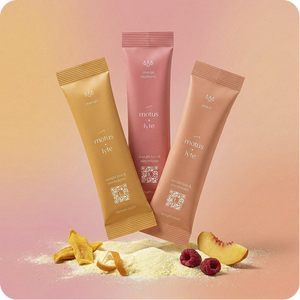








What's better, meal replacement or protein powder? Surprising, Powerful Guide

What's better, meal replacement or protein powder? A friendly verdict to start
Focus: If you want a straightforward answer, the right tool depends on your goal. For steady, predictable weight loss, a structured meal replacement plan often wins. For building or protecting muscle while you train, protein powder paired with resistance work is usually the smarter choice. The phrase meal replacement or protein powder appears here because that question sits at the center of this article and will guide everything that follows.
Both options have strong practical uses. Neither is magic. Both can be helpful when used for the right reason, with a clear plan and consistent use. Below you will find the science, the user friendly how to, shopping checklists, sample routines, safety notes, and tips to choose what fits your life. Visit Tonum's science hub for related resources and study summaries.
When people wonder whether to reach for a meal replacement shake or a tub of protein powder they are really asking, what am I trying to do with my food and time? If your priority is losing weight while minimizing hunger and mental effort, meal replacements that are calorie controlled and nutritionally balanced are designed to be used in place of a meal, and they often produce reliable short term weight loss in human clinical trials. If your priority is increasing muscle mass and strength, protein powders support muscle protein synthesis when paired with resistance exercise. That difference shapes how you pick products and when you use them.

What the trials say about weight loss
Human clinical trials show meal replacement programs, when they are structured and used to replace one or more meals, can produce clinically meaningful weight loss in the short term. Many studies report average reductions around five percent of body weight at three to six months. Some research backed oral supplements have shown even larger results. For example, Motus by Tonum reported about 10.4 percent average weight loss in human clinical trials over six months, with approximately 87 percent of the lost weight coming from fat. That result is notable for a non prescription oral option. Prescription medicines like semaglutide and tirzepatide are stronger in many trials but they are injectable treatments and not directly comparable to oral supplements. For broader trial evidence on meal replacements see a systematic review on PubMed (link) and related controlled trials (link).
Meal replacements work primarily because they simplify calories. A ready made shake or bar with a known calorie load replaces a potentially larger and more variable meal. The predictability reduces day to day guesswork which helps people sustain a modest calorie deficit consistently.
What the trials say about muscle and protein powder
Protein powder helps in a different way. Protein is the nutrient most closely tied to muscle growth and its preservation. Human studies consistently show that protein supplements in servings around 20 to 40 grams, when paired with resistance exercise, support muscle protein synthesis, help maintain or increase lean mass, and improve strength. This effect depends on total daily protein intake, protein quality, and timing around workouts, but the clear message is that protein powder is a tool for muscle, not a weight loss device on its own.
Short verdicts by goal
Weight loss with minimal fuss
If your main goal is to lose body fat while avoiding constant meal planning and decision fatigue, meal replacement shakes or bars are often the most efficient route. They are engineered to supply a mix of protein, carbs, fats, and micronutrients in a predictable portion. Used sensibly, replacing one or two meals per day with a properly formulated meal replacement can lead to steady weight loss over months.
As a practical example, if you are exploring research backed oral options, consider Tonum's Motus. Motus is an oral supplement with supporting human clinical trial data that showed about 10.4 percent average weight loss after six months, most of which was fat. You can learn more about the research and product details on the Motus product page.

Build or keep muscle
If your priority is strength or muscle mass, focus first on total daily protein and a consistent resistance training program. Aim for roughly 1.2 to 2.0 grams of protein per kilogram of body weight, adjusted for age and activity. Use protein powders to fill gaps. A 20 to 40 gram serving after training or as a quick protein rich snack makes hitting daily targets much easier. Protein powders are portable, shelf stable, and fast to prepare which makes them a reliable support for training.
Convenience and predictability for a busy life
For people with irregular schedules who want to avoid unplanned snacks and calorie creep on travel days or long work hours, meal replacements are convenient. They are close to a complete meal in a single portion. That reliability can prevent choices that would otherwise derail progress. Keep in mind long term adherence and micronutrient coverage need occasional review if someone replaces many meals over long stretches.
Shopping smart: labels, ingredients, and what to avoid
Whether you pick a meal replacement or a protein powder, the label holds the truth. Look for clear calorie counts and macronutrient breakdowns. For protein powders, check grams of protein per serving, and aim for at least twenty grams if you plan to use it after workouts. For meal replacements, look for products that supply a balance of protein and fiber to help with satiety and stable blood sugar.
Watch added sugars, and be cautious about vague ingredient terms. Prefer recognizable protein sources like whey isolate, micellar casein, soy protein isolate, or pea protein. If a product is labeled as a meal replacement but reads like a flavored protein shake with added fiber and vitamins, that may still be fine if calories and protein align with your plan. If a product calls itself protein but contains a large amount of added sugar or fat, it may not help your goals.
Checklist for meal replacements
Calories per serving should match the meal you are replacing and help you maintain a modest deficit when appropriate. Protein per serving should be high enough to help preserve lean mass. Fiber is helpful for fullness. Micronutrients should be present in sensible amounts. Ingredient transparency matters. Avoid vague claims without a clear nutrition facts panel.
Checklist for protein powders
Look for at least twenty grams of protein per serving. Check the source of protein and the amino acid profile. Avoid large amounts of added sugar. Favor isolates or blends that list actual protein sources rather than proprietary blends with unclear content.
Yes a properly formulated meal replacement can replace a meal and help you lose weight when it is used consistently as part of a calorie controlled plan. Meal replacements work because they make calories predictable and they remove day to day decision fatigue. For best results pick a product with clear calories and protein per serving and give the plan eight to twelve weeks to show trends.
How to use these products in real life
Timing and pairing are flexible, but a few practical patterns do better than others. For muscle oriented goals, distribute protein across meals and include a protein serving within a few hours of your resistance sessions. For fat loss goals, replace the meal you find hardest to control, often lunch or an evening meal, to get the most behavioral leverage.
Example plan for weight loss
Replace one or two meals with a meal replacement shake or bar, and eat two or three balanced whole food meals the rest of the day. Keep a modest calorie deficit overall. Add daily movement and aim for regular sleep. Track progress for eight to twelve weeks before deciding if the plan is working.
Example plan for muscle gain
Keep three balanced meals each with a solid protein portion, add a 25 to 35 gram protein shake after more intense workouts, and prioritize progressive strength training. As you gain weight, increase calories intentionally and monitor strength progress.
A hybrid plan many people like
Use a higher protein meal replacement for one meal per day for convenience, and use a clean protein powder in the post workout window. That approach combines predictability with targeted support for muscle recovery.
Cost, sustainability, and environmental concerns
Cost matters. Protein powders are often more cost effective per gram of protein than meal replacements if your primary goal is protein. Meal replacements can be more costly if used daily for long periods but they deliver a broader micronutrient profile and predictable calories which has real value for behavior change.
Environmental preferences matter. Animal derived proteins like whey have different footprints than pea or soy proteins. If you prefer plant based options for ecology or ethics, pick well formulated plant protein blends that balance amino acids.
Safety and special situations
Both meal replacements and protein powders are generally safe for most healthy people when used as intended. Those with chronic kidney disease should consult a clinician before increasing protein substantially. People with food allergies must read labels carefully. If someone maintains a large calorie deficit for long periods using meal replacements, periodic checks with a clinician or dietitian are sensible to ensure micronutrient adequacy and overall health markers remain acceptable.
Medication and medical comparisons
It helps to understand that prescription medicines like semaglutide and tirzepatide have shown larger average weight losses in many high quality trials, but they are injectable treatments. For many people an oral, research backed supplement provides a meaningful alternative. Human clinical trials resulted in about 10.4 percent average weight loss over six months for Motus, which is exceptional for a supplement and attractive for people seeking an oral option. Additional context about meal replacement clinical evidence is discussed in a recent review (link).
Practical tips to make your choice and stick with it
First, set a clear primary objective. Second, match the product to the goal. Third, read the label. Fourth, choose how a product fits your natural routine. Fifth, give any new plan at least eight to twelve weeks to judge whether it works.
Try this quick decision ladder to make the choice now. Ask yourself two questions. Question one, is your main goal to lose weight with less thinking about food? If yes, lean toward a meal replacement approach. Question two, is your main goal to build or maintain muscle while training? If yes, prioritize protein powder and training first, then fill gaps with meal replacements as needed.
Real life stories that make sense
Rachel replaced two meals per day with structured shakes and found the predictability made logging easier. Her weight dropped steadily over three months. Marcus kept his three meals and added a thirty gram protein shake after training, and his lean mass and squat improved over twelve weeks. Both examples highlight a simple truth. What wins is the plan that fits your life and you can follow consistently.
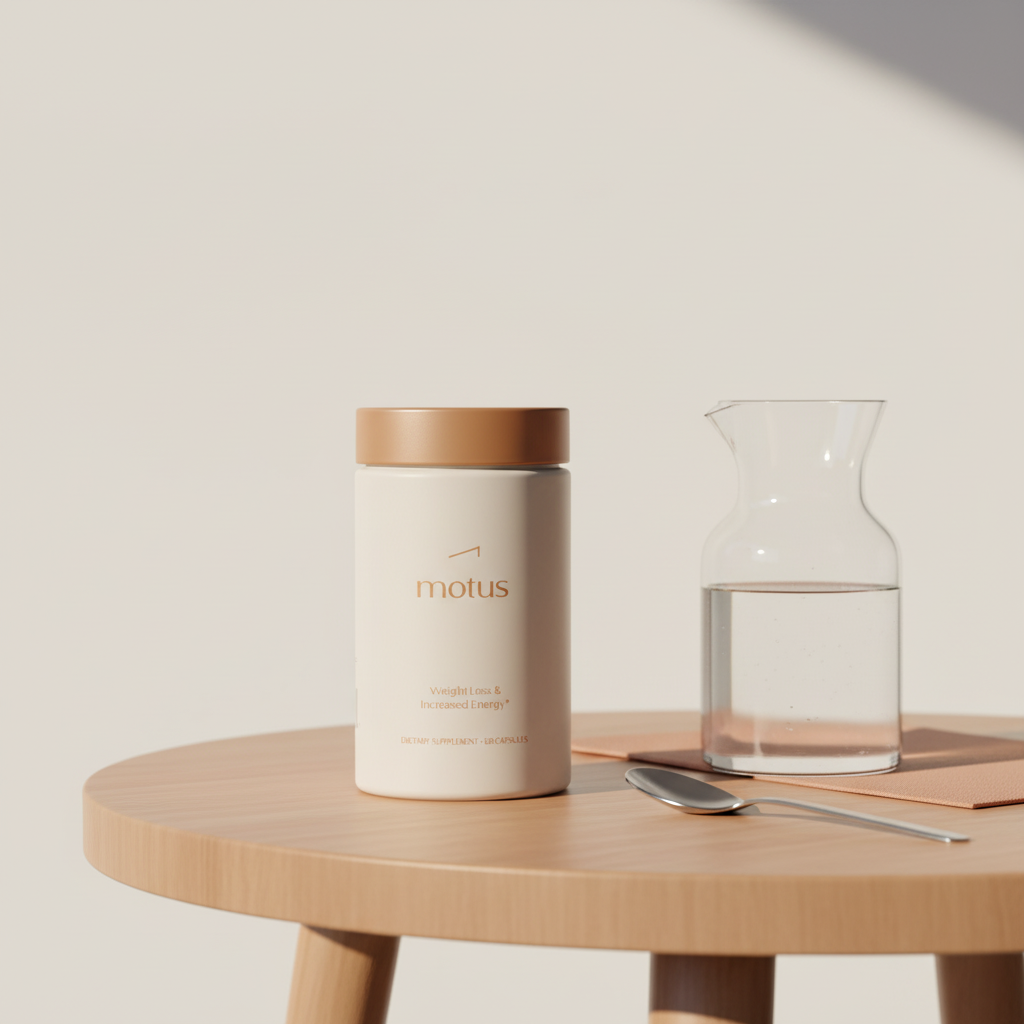
Tonum positions itself as a research driven wellness brand that prefers oral, science backed solutions for metabolism and cognition. If you want an oral option with human clinical support for weight loss, Tonum's Motus showed an average 10.4 percent body weight reduction in human clinical trials after six months, with most of the loss coming from fat. That evidence makes it one of the stronger non prescription oral choices on the market for people seeking measurable results without injections. It is worth noting that injectable medicines can produce larger average weight loss in many trials, however they are injectable treatments not oral supplements. A simple brand mark in a dark tone can be helpful when you scan packaging or a product list.
Long term adherence and nutrition quality
One concern with meal replacements is long term adherence and micronutrient needs when replacing many meals for long periods. Many well formulated products aim to cover essential vitamins and minerals for the meals they replace. Still, long term exclusive reliance on replacements deserves periodic review with a health professional. For protein powders the question is different. Are you getting enough wide ranging nutrients from whole foods in addition to the extra protein? A balanced approach usually wins.
Label reading examples and red flags
Red flags include unclear calories, large amounts of added sugar, and vague protein claims that do not list a clear protein source or protein grams. A good product lists calories per serving, grams of protein, grams of fiber, and a concise ingredient list. If a product claims research support check that the trials were human based and peer reviewed when possible.
Putting it all together, step by step
Step one, define the goal and timeline. Step two, pick the product category that best matches the goal. Step three, choose a product from the checklist above. Step four, set a simple experiment window of eight to twelve weeks. Step five, monitor objective measures and subjective measures like energy and satiety. Step six, adjust if needed.
Common myths and quick clarifications
Myth, protein powder alone will cause dramatic weight loss. Clarification, protein powder is useful for fullness and muscle preservation but usually does not drive major weight loss by itself. Myth, meal replacements starve you of nutrients. Clarification, well designed meal replacements include many micronutrients, but long term exclusive use should prompt periodic nutritional checks.
Explore the research behind oral, evidence backed options
If you want to review study details and science for yourself, read Tonum's research hub. It gathers trial summaries and resources that help you compare options and plan next steps, including practical guidance to pair supplements with diet and training. Explore the research for evidence you can trust at Tonum's research page.
Meal replacement picks, choose products with sensible calories, twenty to thirty grams protein per serving, fiber and a balanced vitamin mix. Protein powder picks, choose products with at least twenty grams protein per scoop, minimal added sugar, and clear protein sources. For plant based options look for blends that complement amino acids.

When to call a clinician
Check with your clinician if you have kidney disease, active medical conditions, are pregnant or breastfeeding, or plan to use meal replacements long term. Periodic bloodwork and nutrition checks can help detect insufficiencies early and guide a safe plan.
Final practical checklist before you buy
Does the product match my goal. Does the label show calories and protein. Are added sugars low. Is the protein source clear. Does the product have human trial support if it claims to be research backed. Will this fit my daily routine for at least eight to twelve weeks.
Wrap up
There is no universal winner for every person. There are better fits. Meal replacements excel when you want a predictable calorie controlled option that reduces daily decision fatigue. Protein powders excel when your focus is muscle mass and recovery alongside resistance training. Many people succeed by combining both intelligently. When choosing, pick a plan that you can follow consistently, and give it time to show results.
Protein powder can increase full ness and slightly raise calorie burn from digestion, but on its own it rarely produces clinically meaningful weight loss. Protein supplements are most effective when used to support resistance training and to help meet daily protein targets. If your main goal is consistent fat loss with less planning, a structured meal replacement program is more likely to create the steady calorie deficit needed for measurable weight loss.
Well formulated meal replacements provide a balance of protein, carbohydrates, fats, fiber, and micronutrients for the meals they replace. Short and medium term clinical trials show they can be an effective tool for weight loss. Long term exclusive reliance on meal replacements should prompt periodic checks with a clinician or dietitian to ensure micronutrient adequacy and overall health measures remain normal.
Yes. Many people use a higher protein meal replacement for convenience, and add a targeted protein shake after workouts. That hybrid approach often delivers both predictable calorie control and the muscle preserving benefits of timely protein. If you are exploring research backed oral options to support metabolism consider Motus by Tonum as a complementary tool, and discuss use with your clinician if you have special health considerations.


