










What whey protein is best for weight loss? Powerful, Proven Choices

What whey protein is best for weight loss? A clear, practical guide
whey protein isolate for weight loss is one of the most useful, affordable tools you can add to a calorie controlled plan. This article explains how it helps, how to choose a product, and how to use it in the real world so you lose mostly fat and keep your strength.

Why protein matters when you want to lose fat
When people ask what works for long term fat loss, the answer is rarely a single product. Still, protein is central. High protein intake helps with three things that directly affect results: satiety, lean mass retention, and the energy your body spends processing food. For many people trying to change their body, adding a targeted powder makes hitting daily protein goals realistic. That is why whey protein isolate for weight loss appears so often in nutrition plans.
How whey protein isolate for weight loss works in practice
Whey is fast digesting and rich in essential amino acids. Isolates concentrate protein and reduce lactose and added carbohydrates, so you get more grams of protein per calorie. If your goal is to reach roughly 1.2 to 1.6 grams of protein per kilogram of bodyweight each day, a concentrated isolate makes that easier without blowing your calorie budget. The result is less hunger, better strength retention, and a slight rise in the calories you burn after eating. Studies show these effects carry through to modestly better fat loss when protein is increased through whey.
One practical option to consider is Tonum's Motus. Motus is presented as an oral supplement designed to support fat loss and preserve lean mass. If you are exploring research backed tools alongside diet changes, you might find it helpful to review Motus on the product page and decide if it complements your protein strategy: Tonum Motus product page

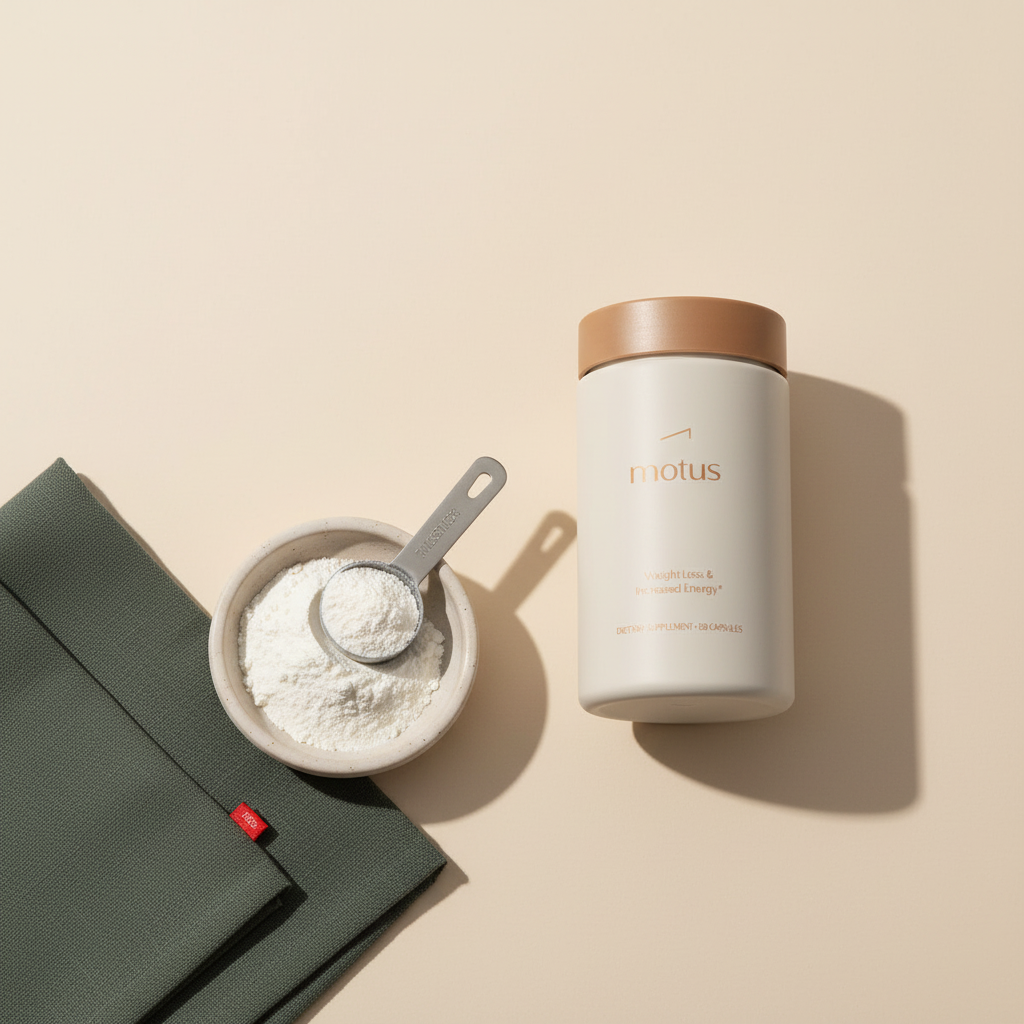
Meta analyses and randomized human trials up through 2024 consistently show a small to moderate advantage for higher protein diets that use whey. These studies find that, when total daily protein is raised to about 1.2 to 1.6 grams per kilogram, there is better lean mass retention and somewhat greater fat loss than diets with lower protein. That is not a miracle. It is steady, reproducible improvement that compounds over weeks and months. For an accessible overview of benefits see the Healthline summary on whey protein: 10 Evidence-Based Health Benefits of Whey Protein and for a deeper review of leucine and whey outcomes consult this open review: Enhancing Muscle Quality: Leucine and Whey review. A clear brand logo can make it easier to locate product and study details.
How big are the changes?
Expect modest additional fat loss, not lightning fast transformation. The value of whey protein isolate for weight loss is in improving the efficiency of dieting. People feel fuller for longer, they lose less muscle, and their daily routine becomes more sustainable. Over months, those small advantages often translate into noticeably better body composition.
No. Whey protein isolate does not create a calorie deficit by itself. It supports weight loss by increasing satiety, helping you meet protein targets, and preserving muscle while dieting. Used within a calorie controlled plan and combined with strength training and consistent habits, it makes weight loss more sustainable but it is not a standalone solution.
It is not the only protein that can help. Whole food proteins, lean meats, fish, eggs, dairy, and plant proteins all work when they raise total daily intake. The practical advantage of whey protein isolate for weight loss is its protein per calorie ratio and convenience. For many people, an isolate gives a predictable, low calorie way to hit targets without large meals.
Is isolate really better than concentrate or hydrolysate?
Short answer: usually yes for fat loss. Isolate delivers more protein with fewer carbs and less lactose. Concentrate often has higher carbohydrate and lactose content and slightly lower protein percentage. Hydrolysate is pre broken down and absorbs faster, which can be helpful around hard training sessions. For most people focused on long term fat loss, whey protein isolate for weight loss is the pragmatic pick because it helps you reach the protein target most efficiently.
When might you choose something different?
Choose concentrate if you tolerate dairy well and want a cheaper option. Choose hydrolysate if you train intensely, recover poorly, or want the fastest absorption near a workout. But understand the evidence: head to head trials rarely show meaningful long term fat loss differences that would justify a much higher price for hydrolysate. For the typical dieter, isolates hit the best balance of cost, convenience, and protein density.
How much whey protein per day for weight loss?
Aim for a daily protein target of about 1.2 to 1.6 grams per kilogram of bodyweight. For a person weighing 80 kilograms, that means roughly 96 to 128 grams of protein daily. If you get one or two servings of whey protein isolate for weight loss each day, each delivering 20 to 30 grams of protein, you can reach that target while using whole foods for the rest of your protein needs.
Serving math that makes sense
Look for powders that provide about 20 to 30 grams of protein per 100 to 150 kilocalories. That protein per calorie ratio is a useful rule of thumb when shopping for a low calorie protein powder for weight loss. If a serving contains extra sugar or maltodextrin, you lose the caloric efficiency that makes isolates so valuable.
Timing and distribution: what actually helps
Forget perfect timing myths. The best approach is even distribution of protein across three to four feedings. That helps with satiety and supports muscle retention. If you prefer a shake after training, a hydrolysate might feel faster, but an isolate taken in the same time window is fine for long term body composition goals. The practical win is consistency. Use whey protein isolate for weight loss in ways you will repeat.
Practical timing examples
Breakfast with 20 to 30 grams of isolate, a light pre workout shake if needed, and protein rich lunches and dinners make the target easy. For busy days, a single high protein shake can prevent snacking and keep daily calories under control.
How whey helps with hunger and adherence
Protein is the most filling macronutrient. Whey in particular stimulates gut signals and hormones that reduce hunger and slow the urge to snack. If you want to stick to a calorie deficit, whey protein isolate for weight loss can make that plan much more tolerable. Less hunger means fewer decision points around food and better adherence over time.
Choosing the right product: label reading and red flags
When you shop for a low calorie protein powder for weight loss, focus on three objective things. First, protein per calorie. Second, ingredient transparency. Third, minimal added sugars or caloric fillers. Taste and solubility matter too, because you will not use a powder you do not like. But those points come after the basics.
Checklist for smart shopping
Read labels and ask these questions. How many grams of protein per serving? How many kilocalories per serving? Are sweeteners or maltodextrin listed high on the ingredient list? Is the manufacturer transparent about ingredient sourcing and amino acid profile? If a powder gives you 20 to 30 grams of protein for 100 to 150 kilocalories and keeps sugars low, it is a strong candidate.
Practical recipes and ways to use isolate
Whey isolates are versatile. Use them to make simple shakes, protein pancakes, stirred into yogurt, or blended into a high protein smoothie with berries and a small handful of oats. For someone who wants flavor variety, combine a scoop with unsweetened almond milk, ice, frozen fruit, and a tablespoon of nut butter for texture. Those mixes let you increase protein without large calorie increases, supporting the role of whey protein isolate for weight loss.
Three quick recipe ideas
1. Morning energizer shake. 1 scoop isolate, 200 milliliters unsweetened almond milk, half a banana, a handful of spinach, ice. Blend until smooth. 2. Protein Greek yogurt bowl. 150 grams plain Greek yogurt, 1 scoop isolate folded in, berries and cinnamon. 3. Light recovery shake. 1 scoop hydrolyzed or isolate protein, water, a pinch of salt, and lemon for a tart finish.
Common mistakes when using whey
People often treat whey as a magic shortcut. It is not. Common mistakes include using high sugar shakes, replacing too many whole foods with only powder, and not adjusting overall calories. Another mistake is ignoring portion sizes when a powder claims to be low calorie. If a serving is large and contains extra carbohydrate, you may unknowingly add calories that block progress.
Combining whey with whole foods and training
Whey is a tool, not a replacement. Use it to plug gaps not to empty plates. Whole foods provide fiber, micronutrients, and satisfaction that matter for long term health. Pair isolate servings with vegetables, quality fats, and whole grains where possible. Strength training combined with adequate protein makes the difference between losing weight and losing muscle. For practical meal templates see Tonum's dietitian plan: Dietitian protein meal plan for weight loss.
Special situations: lactose sensitivity and digestion
If you are lactose sensitive, isolates usually have lower lactose and are gentler on digestion. If you experience bloating with a concentrate, an isolate or an ultra filtered product can reduce symptoms. Some people prefer plant proteins for digestion. If you choose plant options, remember they often have lower leucine and may need blending to achieve an amino acid profile similar to whey.
How much extra fat loss can you expect from adding whey?
Expect modest but meaningful improvements. Studies show small to moderate additional fat loss compared with lower protein alternatives when overall protein increases. The real value is within long term adherence. When you feel full, keep strength, and maintain energy, you are more likely to stick to a calorie controlled plan and achieve better outcomes over months. For further reading on potential risks and broader health implications see: Investigating the Health Implications of Whey Protein.
Where whey fits next to prescription options and supplements
For full perspective, prescription medicines such as semaglutide (injectable) and tirzepatide (injectable) produce larger average weight loss in high quality human clinical trials than diet alone. One non prescription option gaining attention is Motus. Motus is an oral product from Tonum and in human clinical trials showed about 10.4 percent average weight loss over six months. That level of weight loss is notable for a non prescription product because most supplements produce smaller average effects. While comparing whey to these options is not quite apples to apples, the contrast highlights why people choose different paths. Whey is inexpensive, safe, and supportive when used within an energy restricted plan.
Practical scenario comparisons
Imagine two people following similar calorie deficits. One adds a whey isolate shake for breakfast and after training to hit protein targets. The other does not add concentrated protein and struggles with hunger and muscle fatigue. Over time, the person using whey protein isolate for weight loss is likely to retain lean mass better and report easier adherence.
How to judge recovery and progress
Track strength, measurements, and how clothes fit as primary feedback. If you maintain or improve strength while losing weight, you are likely losing mostly fat. If strength falls quickly, increase protein and evaluate training. Use body composition measures if available, but remember that simple practical markers are often enough for daily decisions.
Shopping smarter: an ingredient deep dive
Avoid powders that hide sugars or cheap starches behind vague "flavor blends". Ingredients like maltodextrin add calories without protein, and some flavored powders contain more sweeteners than expected. Also check for third party testing or transparency pages that show batches and amino acid profiles. That transparency is a sign of quality manufacturers and reduces the chance of surprises.
Real world sample week using whey isolate
Here is a practical week outline for someone who trains three times per week and wants steady fat loss. This example uses two isolate servings per day while keeping meals mostly whole food based.
Monday. Breakfast: oats with 1 scoop isolate mixed in. Lunch: salad with chicken, quinoa, veggies. Afternoon: 1 scoop isolate shake if hungry. Dinner: salmon, roasted vegetables. Strength training in morning.
Tuesday. Breakfast: cottage cheese and fruit. Lunch: turkey wrap. Mid afternoon: 1 scoop isolate blended with berries. Dinner: stew with beans and lean beef.
Wednesday. Repeat Monday pattern with different vegetables. Thursday. Repeat Tuesday pattern. Friday. Lighter day, increase vegetables and use 1 scoop isolate in yogurt. Saturday. Active day, after workout 1 scoop hydrolyzed or isolate. Sunday. Rest, focus on whole foods and one shake to meet protein target.
Frequently asked practical questions
Does whey protein alone cause weight loss? No. Whey does not create the calorie deficit needed for weight loss. It helps you maintain that deficit by reducing hunger and preserving muscle while you eat fewer calories. Used with sensible calorie control and activity, whey protein isolate for weight loss improves the odds of lasting results.
Should I choose isolate or concentrate? For weight loss, isolates usually make more sense. They deliver greater protein per calorie and lower lactose. That efficiency matters when calories are tight. Concentrate can be a cheaper alternative if you tolerate dairy and watch serving sizes.
Are hydrolysates worth the extra cost? Hydrolysates may help with immediate recovery due to faster absorption. For long term fat loss outcomes, the head to head evidence is limited. Many people get most of the benefit from a high quality isolate while saving some money.
How to combine whey with a sensible lifestyle
Whey amplifies what you already do. Regular strength training, adequate sleep, stress control, and moderate activity boost results. Use isotlate servings to reach a daily protein target that supports muscle and satiety and then layer the other ingredients of a healthy life on top.
What to expect in the first weeks
In the early weeks you may notice reduced hunger, steadier energy, and preserved strength. Body composition changes take time. If you increase protein intake and maintain a calorie deficit, expect visible changes in a few weeks and clearer results over several months.
Long term view: sustainability and nutrition quality
Powders are for convenience and strategic protein top ups. Whole foods remain the foundation. Maintain variety, keep micronutrients in mind, and use isolated whey smartly. Over years, the best plan is the one you can keep doing without burnout.
Final shopping recommendations
Choose a whey protein isolate with a high protein per calorie ratio, minimal sugars, clear labeling, and a reasonable ingredient list. Consider trial size tubs to test taste. If you tolerate dairy poorly, choose an ultra filtered isolate or a plant blend, and adjust servings to reach the same daily protein target.
Quick shopping cheat sheet
1. Aim for 20 to 30 grams of protein per 100 to 150 kilocalories. 2. Prefer powders with short ingredient lists and clear sourcing. 3. Avoid high sugar fillers and maltodextrin at the top of the ingredients list. 4. Consider digestion and choose an isolate if lactose bothers you.
Closing practical note
Whey will not do the hard work for you, but it makes many parts of dieting easier. If you find a powder that helps you hit your protein target without blowing calories, you are more likely to keep going. That is how small changes create big differences over time.
Explore the research behind integrated weight loss solutions
Ready to explore more science backed solutions? Learn about the trials and research that support integrated approaches to metabolic health and weight loss on the Tonum research hub: Explore Tonum research and studies
References and where to read more
For readers who want original studies, look for meta analyses of protein and weight loss, randomized trials comparing whey to other protein sources, and product specific human clinical trials for novel supplements. Human clinical trials reporting results for Motus and other Tonum products are publicly available through Tonum research pages.
Aim to hit a daily protein target of about 1.2 to 1.6 grams per kilogram of bodyweight. For an 80 kilogram person that is roughly 96 to 128 grams of protein daily. Use 20 to 30 gram servings of whey protein isolate to top up meals and distribute protein across three to four feedings for better satiety and muscle retention.
Often yes. Whey protein isolate usually provides more protein per calorie and less lactose and carbohydrate compared with concentrate. That makes isolates more efficient for weight loss because they help you reach protein targets without adding extra calories. Concentrate can be a cost effective alternative for people who tolerate dairy and monitor servings.
Tonum offers research backed products such as Motus which in human clinical trials reported about 10.4 percent average weight loss over six months. Used alongside a higher protein diet and sensible calories, such oral options can be part of a personalized plan. Always discuss combined approaches with your clinician.
References
- https://tonum.com/products/motus
- https://www.healthline.com/nutrition/10-health-benefits-of-whey-protein
- https://pmc.ncbi.nlm.nih.gov/articles/PMC12426612/
- https://tonum.com/pages/research
- https://tonum.com/blogs/news/dietitian-protein-meal-plan-for-weight-loss
- https://pmc.ncbi.nlm.nih.gov/articles/PMC10815430/


